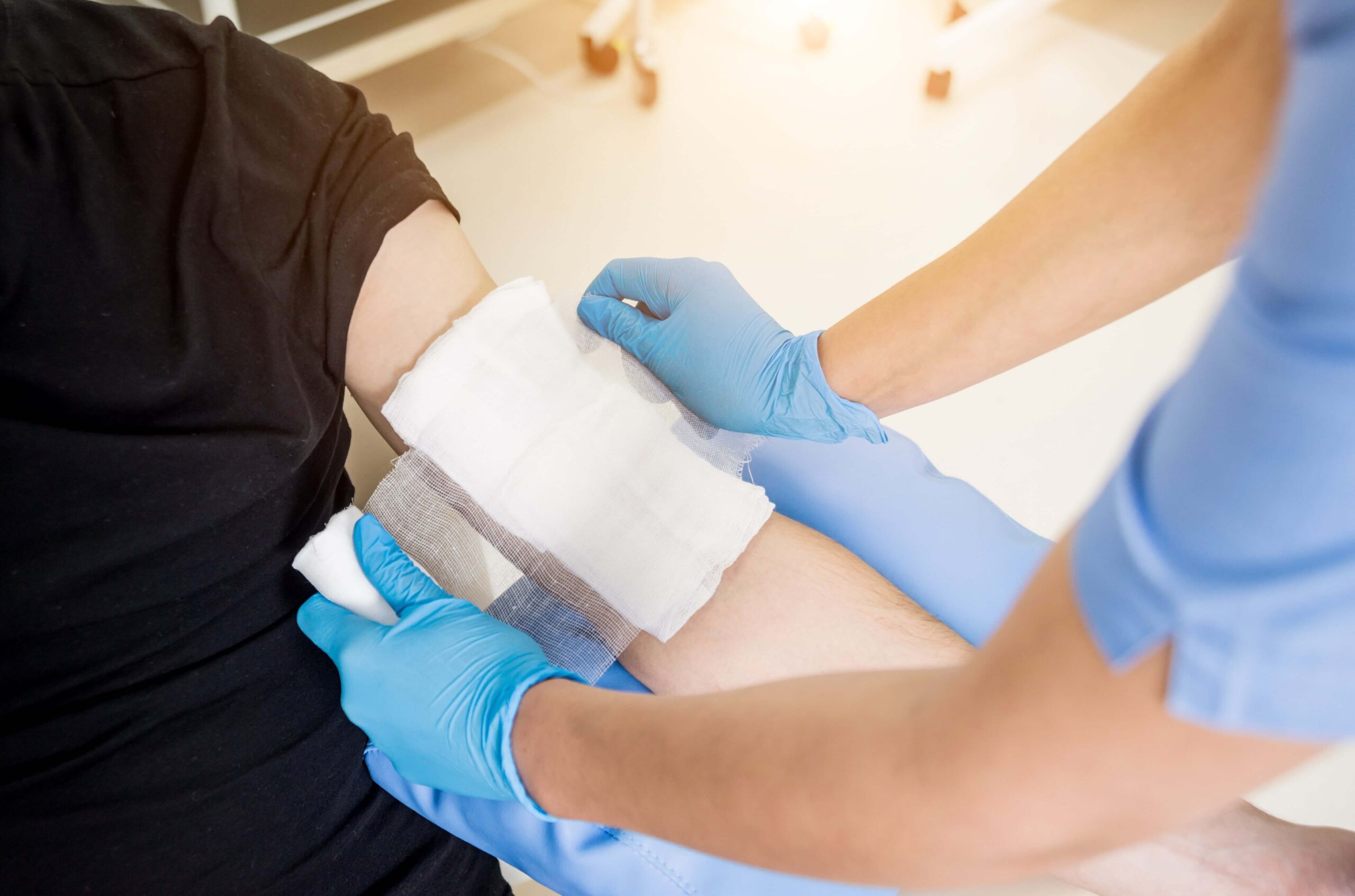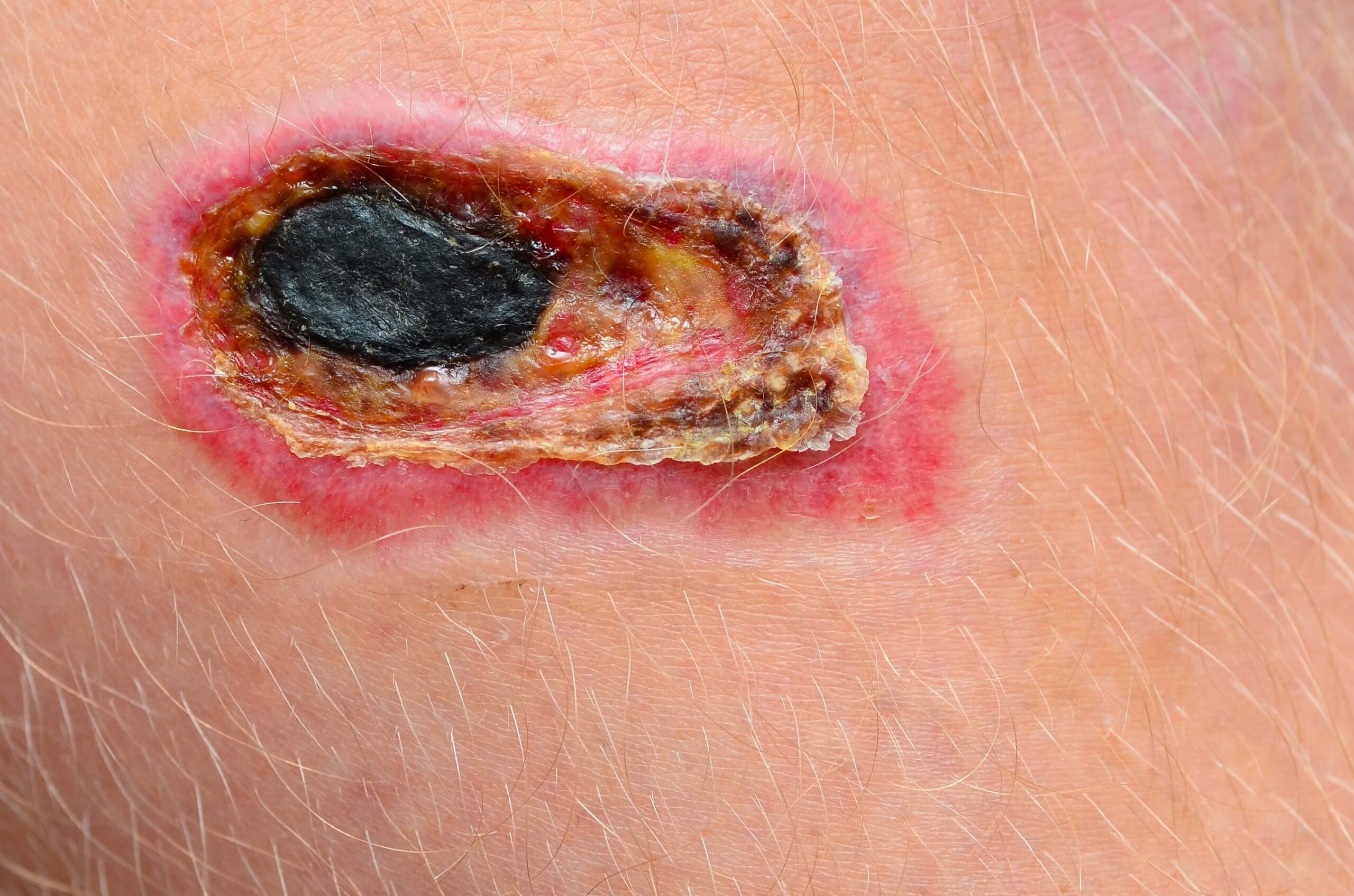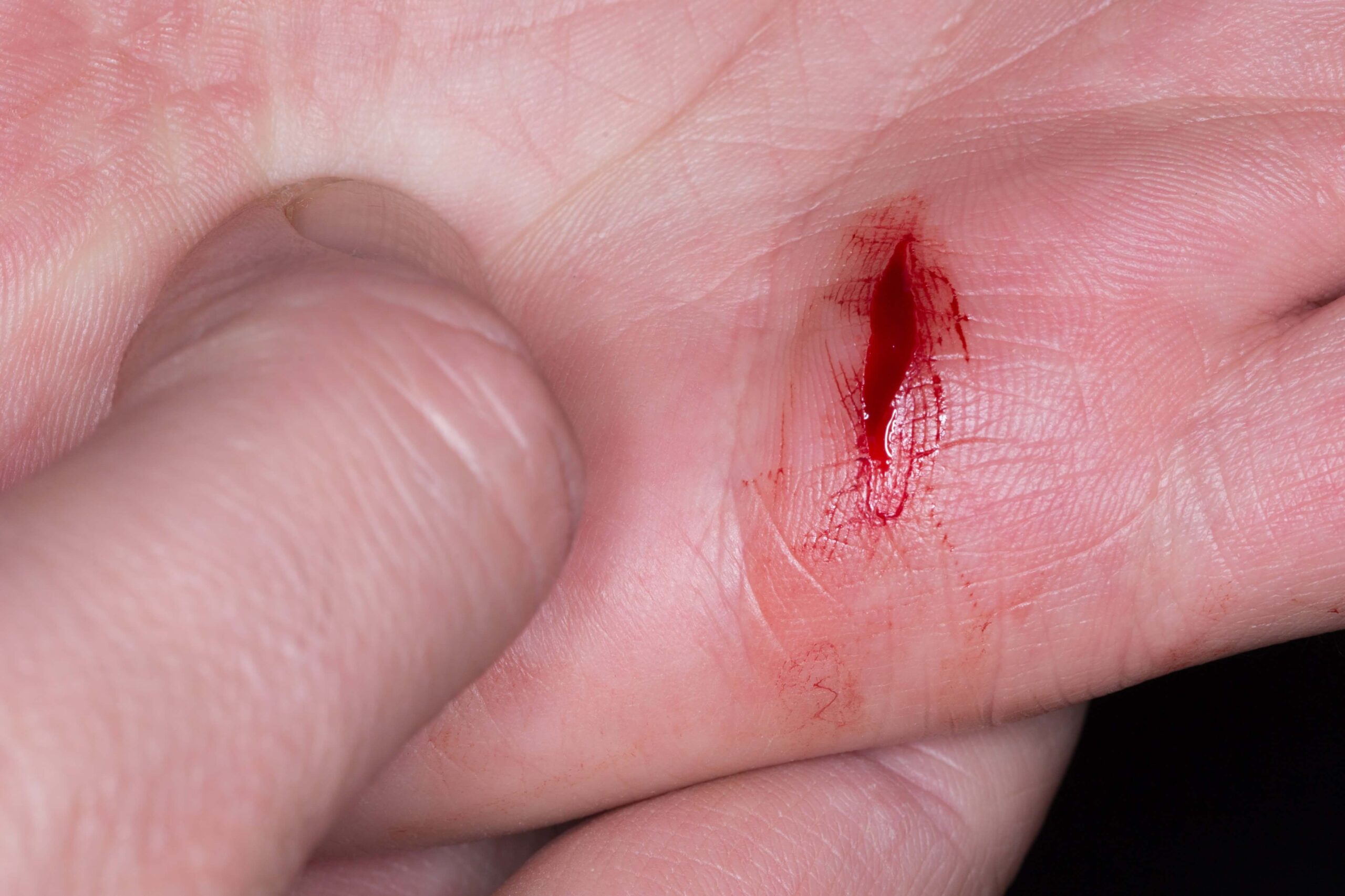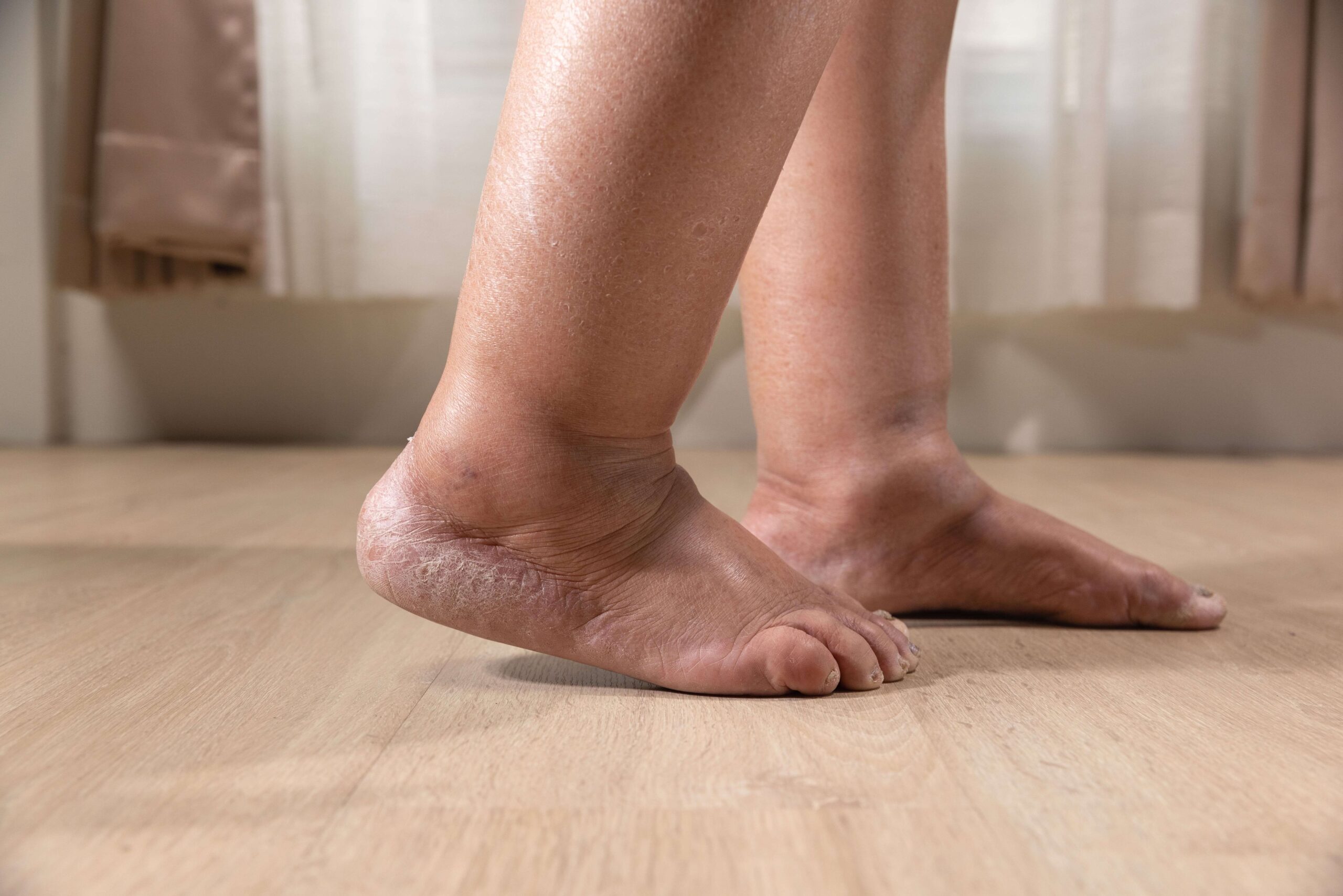
[fusion_builder_container hundred_percent=”no” equal_height_columns=”no” menu_anchor=”” hide_on_mobile=”small-visibility,medium-visibility,large-visibility” class=”” id=”” background_color=”” background_image=”” background_position=”center center” background_repeat=”no-repeat” fade=”no” background_parallax=”none” parallax_speed=”0.3″ video_mp4=”” video_webm=”” video_ogv=”” video_url=”” video_aspect_ratio=”16:9″ video_loop=”yes” video_mute=”yes” overlay_color=”” video_preview_image=”” border_color=”” border_style=”solid” padding_top=”” padding_bottom=”” padding_left=”” padding_right=”” type=”legacy” admin_toggled=”no”][fusion_builder_row][fusion_builder_column type=”2_3″ layout=”1_1″ background_position=”left top” background_color=”” border_color=”” border_style=”solid” border_position=”all” spacing=”yes” background_image=”” background_repeat=”no-repeat” padding_top=”” padding_right=”” padding_bottom=”” padding_left=”” margin_top=”0px” margin_bottom=”0px” class=”” id=”” animation_type=”” animation_speed=”0.3″ animation_direction=”left” hide_on_mobile=”small-visibility,medium-visibility,large-visibility” center_content=”no” last=”false” min_height=”” hover_type=”none” link=”” border_sizes_top=”” border_sizes_bottom=”” border_sizes_left=”” border_sizes_right=”” first=”true” spacing_right=”2.6666666666666665%”][fusion_text columns=”” column_min_width=”” column_spacing=”” rule_style=”default” rule_size=”” rule_color=”” content_alignment_medium=”” content_alignment_small=”” content_alignment=”” hide_on_mobile=”small-visibility,medium-visibility,large-visibility” sticky_display=”normal,sticky” class=”” id=”” margin_top=”” margin_right=”” margin_bottom=”” margin_left=”” font_size=”” fusion_font_family_text_font=”” fusion_font_variant_text_font=”” line_height=”” letter_spacing=”” text_color=”” animation_type=”” animation_direction=”left” animation_speed=”0.3″ animation_offset=””]

When it comes to wound care, understanding the different methods of wound closure is crucial for proper healing and minimizing scarring. Stitches and sutures are commonly used techniques in medical practice to bring the edges of a wound together, allowing the body to mend itself. In this comprehensive guide, we share what you need to know about sutures and stitches, the healing process, and some important do’s and don’ts regarding wound care.

What is a Suture?

wound care specialist examining stitchesA suture, in medical terms, refers to the stitching or sewing together of the edges of a wound or incision. Sutures are typically made of sterile materials like thread or wire and are used to close wounds, promote healing, and reduce the risk of infection. They act as a temporary bridge to hold the wound edges close together until the natural healing process occurs.

Types of Sutures

There are several types of sutures available, each with its own characteristics and applications. Some of the most common types include:

Sutures vs. Stitches

“Sutures” and “stitches” are often used interchangeably, but they refer to slightly different concepts. Sutures are the actual threads or materials used to close wounds, while stitches refer to the act of sewing or suturing a wound. In essence, stitches are the technique, and sutures are the materials used for that technique.

Surgical Staples

Surgical staples are another common method of closing wounds or surgical incisions. They are generally made of stainless steel or titanium and resemble small, U-shaped clips. Surgical staples are often used in procedures involving the skin, gastrointestinal tract, and lungs. They offer several advantages, including speed and precision during closure.

When to Get Stitches

doctor giving a patient stitchesDetermining when stitches are needed for a wound is crucial for proper healing and minimizing scarring. Generally, stitches might be recommended if:

How to Clean a Wound After Getting Stitches

Proper wound cleaning is essential to prevent infection and promote healing after stitches have been applied. Here are a few tips for keeping the wound clean:

The Healing Process

Understanding the stitching healing process can help you better care for your wound.

How Are Stitches Removed?

Stitch removal is a common procedure that should be performed at a wound care center or by a specialist. Here’s how stitches are typically removed:

Can I Remove My Own Stitches?

While it is possible to remove your own stitches under certain circumstances, it is generally not recommended. Wound care specialists are trained to perform this procedure safely and hygienically to minimize the risk of infection or complications.

Attempting to remove your own stitches may result in pain, injury, or improper removal, which can lead to infection or scarring.

Should I Cover a Wound After Stitches are Removed?

After stitches are removed, it’s important to keep the wound clean and protected. In most cases, a wound care specialist will advise you to keep the wound covered with a sterile bandage or dressing for a few days to protect the healing tissue. Make sure to follow your specialist’s instructions for proper wound care and dressing changes.

Wound Care Tips After Stitches Are Removed

After removal, proper wound care is still important to ensure the wound continues to heal well. Here are a few wound care tips to keep in mind:

Conclusion

Understanding the various aspects of stitches, sutures, and surgical staples is essential for effective wound care and optimal healing. Remember to follow your wound specialist’s recommendations and be patient as your body works to heal itself. If you have any concerns about your wound or the healing process, don’t hesitate to book an appointment at West Coast Wound Center.

[/fusion_text][/fusion_builder_column][fusion_builder_column type=”1_3″ layout=”1_3″ spacing=”” center_content=”no” link=”” target=”_self” min_height=”” hide_on_mobile=”small-visibility,medium-visibility,large-visibility” class=”” id=”” hover_type=”none” border_color=”” border_style=”solid” border_position=”all” border_radius=”” box_shadow=”no” dimension_box_shadow=”” box_shadow_blur=”0″ box_shadow_spread=”0″ box_shadow_color=”” box_shadow_style=”” padding_top=”” padding_right=”” padding_bottom=”” padding_left=”” margin_top=”” margin_bottom=”” background_type=”single” gradient_start_color=”” gradient_end_color=”” gradient_start_position=”0″ gradient_end_position=”100″ gradient_type=”linear” radial_direction=”center center” linear_angle=”180″ background_color=”” background_image=”” background_image_id=”” background_position=”left top” background_repeat=”no-repeat” background_blend_mode=”none” animation_type=”” animation_direction=”left” animation_speed=”0.3″ animation_offset=”” filter_type=”regular” filter_hue=”0″ filter_saturation=”100″ filter_brightness=”100″ filter_contrast=”100″ filter_invert=”0″ filter_sepia=”0″ filter_opacity=”100″ filter_blur=”0″ filter_hue_hover=”0″ filter_saturation_hover=”100″ filter_brightness_hover=”100″ filter_contrast_hover=”100″ filter_invert_hover=”0″ filter_sepia_hover=”0″ filter_opacity_hover=”100″ filter_blur_hover=”0″ last=”true” border_sizes_top=”0″ border_sizes_bottom=”0″ border_sizes_left=”0″ border_sizes_right=”0″ first=”false” spacing_left=”1.3333333333333333%”][fusion_widget_area name=”avada-blog-sidebar” title_size=”” title_color=”” background_color=”” padding_top=”” padding_right=”” padding_bottom=”” padding_left=”” hide_on_mobile=”small-visibility,medium-visibility,large-visibility” class=”” id=”” /][/fusion_builder_column][/fusion_builder_row][/fusion_builder_container]

[fusion_builder_container hundred_percent=”no” equal_height_columns=”no” menu_anchor=”” hide_on_mobile=”small-visibility,medium-visibility,large-visibility” class=”” id=”” background_color=”” background_image=”” background_position=”center center” background_repeat=”no-repeat” fade=”no” background_parallax=”none” parallax_speed=”0.3″ video_mp4=”” video_webm=”” video_ogv=”” video_url=”” video_aspect_ratio=”16:9″ video_loop=”yes” video_mute=”yes” overlay_color=”” video_preview_image=”” border_color=”” border_style=”solid” padding_top=”” padding_bottom=”” padding_left=”” padding_right=”” type=”legacy” admin_toggled=”no”][fusion_builder_row][fusion_builder_column type=”2_3″ layout=”1_1″ background_position=”left top” background_color=”” border_color=”” border_style=”solid” border_position=”all” spacing=”yes” background_image=”” background_repeat=”no-repeat” padding_top=”” padding_right=”” padding_bottom=”” padding_left=”” margin_top=”0px” margin_bottom=”0px” class=”” id=”” animation_type=”” animation_speed=”0.3″ animation_direction=”left” hide_on_mobile=”small-visibility,medium-visibility,large-visibility” center_content=”no” last=”false” min_height=”” hover_type=”none” link=”” border_sizes_top=”” border_sizes_bottom=”” border_sizes_left=”” border_sizes_right=”” first=”true” spacing_right=”2.6666666666666665%”][fusion_text columns=”” column_min_width=”” column_spacing=”” rule_style=”default” rule_size=”” rule_color=”” content_alignment_medium=”” content_alignment_small=”” content_alignment=”” hide_on_mobile=”small-visibility,medium-visibility,large-visibility” sticky_display=”normal,sticky” class=”” id=”” margin_top=”” margin_right=”” margin_bottom=”” margin_left=”” font_size=”” fusion_font_family_text_font=”” fusion_font_variant_text_font=”” line_height=”” letter_spacing=”” text_color=”” animation_type=”” animation_direction=”left” animation_speed=”0.3″ animation_offset=””]Gangrene is a serious medical condition that occurs when body tissue dies because of a lack of blood supply. It can be potentially life-threatening and requires prompt medical attention. Gangrene can develop for a number of different reasons, including infections, underlying health conditions, and injuries. Being able to identify the signs of gangrene and its causes is crucial to receiving early treatment and preventing it from escalating.

What is Gangrene?

foot with dry gangreneGangrene is where body tissue, often skin and muscles, starts to die as a result of reduced blood supply. Without sufficient blood flow, cells are deprived of oxygen and nutrients, leading to tissue death. If left untreated, gangrene can lead to serious complications, including the spread of infection and even the need for amputation.

Types of Gangrene

There are different types of gangrene, each with unique characteristics and causes. The two most common types include:

There are also different types of wet gangrene such as:

Causes of Gangrene

Gangrene can be caused by a variety of different factors, often related to a compromised blood supply. Some common causes may include:

Diabetic Gangrene

man in treatment for diabetic gangreneDiabetic gangrene is a particularly concerning complication for individuals with diabetes. High blood sugar levels can damage blood vessels and nerves, reducing circulation and the body’s ability to detect injuries. This combination makes diabetic individuals more susceptible to developing gangrene, especially in the feet and lower extremities.

Signs and Symptoms of Gangrene

The symptoms of gangrene can vary depending on the type and stage of the condition. Common signs and symptoms often include:

Early Stages and Prevention

Detecting gangrene in its early stages is crucial for successful treatment. Dry gangrene might start with mild pain and a feeling of coldness in the affected area. Skin discoloration might also be present. If you notice any symptoms, it’s important to visit a wound care center or consult a specialist right away.

Prevention also plays a vital role in avoiding the development of gangrene. Here are some steps you can take to help reduce your risk:

Treatment Options For Gangrene

The treatment approach for gangrene depends on its type and severity. Prompt medical intervention is essential to prevent the condition from worsening. After an initial assessment, treatment options typically include:

Grafting

Following surgical removal of the necrotic tissue, grafting techniques are often utilized to aid in the healing process. This process typically involves transplanting healthy tissue to the wound site to facilitate healing and encourage the growth of new tissue. Grafting not only helps in wound closure but can also minimize the risk of infection and reduce scarring.

Post-Surgical Misting

After grafting or other surgical interventions, maintaining an optimal wound environment plays a crucial role in recovery. Post-surgical misting, also known as moist wound therapy, involves applying a fine mist of sterile saline solution or another specialized solution directly to the wound area. This technique helps create a moist environment that promotes cell growth, granulation tissue formation, and faster wound healing. Misting can also help prevent graft drying, a common concern after grafting procedures.

Tips to Help Stop Gangrene from Spreading

Stopping the spread of gangrene is critical to preventing complications. Here are some things you can do:

Early detection and treatment are crucial for effective management of gangrene. If you suspect you might have gangrene or notice any symptoms, do not hesitate to speak to a wound care specialist to ensure the best possible outcome for your health and well-being. Let the specialized team at West Coast Wound Center help put you on the path to recovery and improve your quality of life.[/fusion_text][/fusion_builder_column][fusion_builder_column type=”1_3″ layout=”1_3″ spacing=”” center_content=”no” link=”” target=”_self” min_height=”” hide_on_mobile=”small-visibility,medium-visibility,large-visibility” class=”” id=”” hover_type=”none” border_color=”” border_style=”solid” border_position=”all” border_radius=”” box_shadow=”no” dimension_box_shadow=”” box_shadow_blur=”0″ box_shadow_spread=”0″ box_shadow_color=”” box_shadow_style=”” padding_top=”” padding_right=”” padding_bottom=”” padding_left=”” margin_top=”” margin_bottom=”” background_type=”single” gradient_start_color=”” gradient_end_color=”” gradient_start_position=”0″ gradient_end_position=”100″ gradient_type=”linear” radial_direction=”center center” linear_angle=”180″ background_color=”” background_image=”” background_image_id=”” background_position=”left top” background_repeat=”no-repeat” background_blend_mode=”none” animation_type=”” animation_direction=”left” animation_speed=”0.3″ animation_offset=”” filter_type=”regular” filter_hue=”0″ filter_saturation=”100″ filter_brightness=”100″ filter_contrast=”100″ filter_invert=”0″ filter_sepia=”0″ filter_opacity=”100″ filter_blur=”0″ filter_hue_hover=”0″ filter_saturation_hover=”100″ filter_brightness_hover=”100″ filter_contrast_hover=”100″ filter_invert_hover=”0″ filter_sepia_hover=”0″ filter_opacity_hover=”100″ filter_blur_hover=”0″ last=”true” border_sizes_top=”0″ border_sizes_bottom=”0″ border_sizes_left=”0″ border_sizes_right=”0″ first=”false” spacing_left=”1.3333333333333333%”][fusion_widget_area name=”avada-blog-sidebar” title_size=”” title_color=”” background_color=”” padding_top=”” padding_right=”” padding_bottom=”” padding_left=”” hide_on_mobile=”small-visibility,medium-visibility,large-visibility” class=”” id=”” /][/fusion_builder_column][/fusion_builder_row][/fusion_builder_container]

[fusion_builder_container hundred_percent=”no” equal_height_columns=”no” menu_anchor=”” hide_on_mobile=”small-visibility,medium-visibility,large-visibility” class=”” id=”” background_color=”” background_image=”” background_position=”center center” background_repeat=”no-repeat” fade=”no” background_parallax=”none” parallax_speed=”0.3″ video_mp4=”” video_webm=”” video_ogv=”” video_url=”” video_aspect_ratio=”16:9″ video_loop=”yes” video_mute=”yes” overlay_color=”” video_preview_image=”” border_color=”” border_style=”solid” padding_top=”” padding_bottom=”” padding_left=”” padding_right=”” type=”legacy” admin_toggled=”no”][fusion_builder_row][fusion_builder_column type=”2_3″ layout=”1_1″ background_position=”left top” background_color=”” border_color=”” border_style=”solid” border_position=”all” spacing=”yes” background_image=”” background_repeat=”no-repeat” padding_top=”” padding_right=”” padding_bottom=”” padding_left=”” margin_top=”0px” margin_bottom=”0px” class=”” id=”” animation_type=”” animation_speed=”0.3″ animation_direction=”left” hide_on_mobile=”small-visibility,medium-visibility,large-visibility” center_content=”no” last=”false” min_height=”” hover_type=”none” link=”” border_sizes_top=”” border_sizes_bottom=”” border_sizes_left=”” border_sizes_right=”” first=”true” spacing_right=”2.6666666666666665%”][fusion_text columns=”” column_min_width=”” column_spacing=”” rule_style=”default” rule_size=”” rule_color=”” content_alignment_medium=”” content_alignment_small=”” content_alignment=”” hide_on_mobile=”small-visibility,medium-visibility,large-visibility” sticky_display=”normal,sticky” class=”” id=”” margin_top=”” margin_right=”” margin_bottom=”” margin_left=”” font_size=”” fusion_font_family_text_font=”” fusion_font_variant_text_font=”” line_height=”” letter_spacing=”” text_color=”” animation_type=”” animation_direction=”left” animation_speed=”0.3″ animation_offset=””]

Wound dehiscence is a surgical complication that occurs when a previously closed surgical incision or wound partially or completely opens. This can lead to the separation of the wound edges, exposing the underlying tissues, and creating a pathway for potential infections. Wound dehiscence can be a serious medical issue that requires prompt attention and appropriate treatment. Let’s break down what you should know about wound dehiscence, how the condition is treated, and what steps can be put in place to help lower your risk.

What is Wound Dehiscence?

example of open wound dehiscenceWound dehiscence is the unintended separation of the layers of a wound that was sutured or closed with other methods after surgery or trauma. According to a recent paper, it generally occurs 5 to 8 days after surgery during the early stages of healing. Although it can also occur during other stages of healing. It can affect both internal and external wounds and pose a significant risk to the patient’s health. The disruption of the wound integrity can lead to complications such as infections, delayed healing, and other complications.

Wound Dehiscence Symptoms

The symptoms of wound dehiscence can vary depending on the severity and location of the dehiscence, but common signs include:

The Agency for Healthcare Research and Quality (AHRQ) offers a more thorough list of post-operative symptoms to look out for to reduce potential risk.

Causes and Risk Factors of Wound Dehiscence

Several factors can contribute to the occurrence of wound dehiscence:

Types of Wound Dehiscence

There are two primary types of wound dehiscence:

Partial Dehiscence: In this type, only a portion of the wound opens, leaving the rest of the wound intact. This can still lead to significant complications and requires medical attention.

Complete Dehiscence: Complete dehiscence involves the full separation of the wound edges, exposing the underlying tissues. This is a more severe form of dehiscence and often requires immediate surgical intervention.

Complications of Wound Dehiscence

Wound dehiscence can lead to various complications, including:

Wound Dehiscence vs. Evisceration

While wound dehiscence involves the separation of the wound edges, evisceration is a more severe complication in which the wound opens, allowing the underlying organs or tissues to protrude out of the body. Evisceration is a medical emergency that requires immediate surgical intervention to carefully return the organs to their proper position and close the wound. While both are serious, evisceration is more critical and has a higher risk of life-threatening complications.

Wound Dehiscence Treatment

surgical tools used to treat wound dehiscenceTreatment for wound dehiscence depends on the severity of the condition. Typically, it is considered a new wound and the patient’s surgical history will be taken into account. Mild cases of partial dehiscence may be managed with proper wound care, antibiotics, and close monitoring. However, in more severe cases, especially complete dehiscence, surgical intervention may be needed to properly close the wound and prevent further complications.

The surgical procedure to address wound dehiscence may involve debridement of the wound, removing any infected tissue, and carefully suturing the wound edges back together. Antibiotics may be prescribed to prevent or treat infections. A wound care specialist will also assess the patient’s overall health, including nutritional status and any underlying conditions as part of the treatment plan.

How Long Does Wound Dehiscence Take to Heal?

The healing time for wound dehiscence can vary based on several factors, including the severity of the complication, the location of the wound, the patient’s overall health, and how well they adhere to the treatment plan. In some cases, mild dehiscences can heal within a few weeks with proper care. However, more severe cases may take several weeks or even months to fully heal.

Preventing Wound Dehiscence

With the above said, in many cases, it is possible to prevent or lower the risk of wound dehiscence. Here are some preventive measures that can help:

How Serious is Wound Dehiscence?

Wound dehiscence is a serious surgical complication that can lead to significant health issues if not promptly addressed. When left untreated, wound dehiscence can lead to infections, prolonged healing times, hernias, and other complications that may require further surgeries and interventions.

If you believe you are experiencing any symptoms of wound dehiscence it’s imperative to consult a wound care specialist as soon as possible to evaluate the wound and provide appropriate treatment before it gets worse.

At West Coast Wound Center, our specialized wound physicians and medical staff combine cutting-edge technology with evidence-based medicine to provide the best results. Book an appointment at our wound care center today and let us help put you on the path to effective and efficient healing.

[/fusion_text][/fusion_builder_column][fusion_builder_column type=”1_3″ layout=”1_3″ spacing=”” center_content=”no” link=”” target=”_self” min_height=”” hide_on_mobile=”small-visibility,medium-visibility,large-visibility” class=”” id=”” hover_type=”none” border_color=”” border_style=”solid” border_position=”all” border_radius=”” box_shadow=”no” dimension_box_shadow=”” box_shadow_blur=”0″ box_shadow_spread=”0″ box_shadow_color=”” box_shadow_style=”” padding_top=”” padding_right=”” padding_bottom=”” padding_left=”” margin_top=”” margin_bottom=”” background_type=”single” gradient_start_color=”” gradient_end_color=”” gradient_start_position=”0″ gradient_end_position=”100″ gradient_type=”linear” radial_direction=”center center” linear_angle=”180″ background_color=”” background_image=”” background_image_id=”” background_position=”left top” background_repeat=”no-repeat” background_blend_mode=”none” animation_type=”” animation_direction=”left” animation_speed=”0.3″ animation_offset=”” filter_type=”regular” filter_hue=”0″ filter_saturation=”100″ filter_brightness=”100″ filter_contrast=”100″ filter_invert=”0″ filter_sepia=”0″ filter_opacity=”100″ filter_blur=”0″ filter_hue_hover=”0″ filter_saturation_hover=”100″ filter_brightness_hover=”100″ filter_contrast_hover=”100″ filter_invert_hover=”0″ filter_sepia_hover=”0″ filter_opacity_hover=”100″ filter_blur_hover=”0″ last=”true” border_sizes_top=”0″ border_sizes_bottom=”0″ border_sizes_left=”0″ border_sizes_right=”0″ first=”false” spacing_left=”1.3333333333333333%”][fusion_widget_area name=”avada-blog-sidebar” title_size=”” title_color=”” background_color=”” padding_top=”” padding_right=”” padding_bottom=”” padding_left=”” hide_on_mobile=”small-visibility,medium-visibility,large-visibility” class=”” id=”” /][/fusion_builder_column][/fusion_builder_row][/fusion_builder_container]

[fusion_builder_container hundred_percent=”no” equal_height_columns=”no” menu_anchor=”” hide_on_mobile=”small-visibility,medium-visibility,large-visibility” class=”” id=”” background_color=”” background_image=”” background_position=”center center” background_repeat=”no-repeat” fade=”no” background_parallax=”none” parallax_speed=”0.3″ video_mp4=”” video_webm=”” video_ogv=”” video_url=”” video_aspect_ratio=”16:9″ video_loop=”yes” video_mute=”yes” overlay_color=”” video_preview_image=”” border_color=”” border_style=”solid” padding_top=”” padding_bottom=”” padding_left=”” padding_right=”” type=”legacy” admin_toggled=”no”][fusion_builder_row][fusion_builder_column type=”2_3″ layout=”1_1″ background_position=”left top” background_color=”” border_color=”” border_style=”solid” border_position=”all” spacing=”yes” background_image=”” background_repeat=”no-repeat” padding_top=”” padding_right=”” padding_bottom=”” padding_left=”” margin_top=”0px” margin_bottom=”0px” class=”” id=”” animation_type=”” animation_speed=”0.3″ animation_direction=”left” hide_on_mobile=”small-visibility,medium-visibility,large-visibility” center_content=”no” last=”false” min_height=”” hover_type=”none” link=”” border_sizes_top=”” border_sizes_bottom=”” border_sizes_left=”” border_sizes_right=”” first=”true” spacing_right=”2.6666666666666665%”][fusion_text columns=”” column_min_width=”” column_spacing=”” rule_style=”default” rule_size=”” rule_color=”” content_alignment_medium=”” content_alignment_small=”” content_alignment=”” hide_on_mobile=”small-visibility,medium-visibility,large-visibility” sticky_display=”normal,sticky” class=”” id=”” margin_top=”” margin_right=”” margin_bottom=”” margin_left=”” font_size=”” fusion_font_family_text_font=”” fusion_font_variant_text_font=”” line_height=”” letter_spacing=”” text_color=”” animation_type=”” animation_direction=”left” animation_speed=”0.3″ animation_offset=””]

Wound healing is a complex biological process that the body undergoes in response to tissue injury. Traditionally, wound management involved keeping the wound dry and exposed to air. However, in recent years, the concept of moist wound healing has gained significant attention among wound care specialists and healthcare professionals. Moist wound healing involves maintaining a controlled moist environment over the wound site, which in many cases, has been found to offer numerous advantages over the traditional dry approach.

In this article, we will explore the efficacy and benefits of moist wound healing as it compares to dry healing as well as its role in the healing process.

Understanding Moist Wound Healing: The Stages

specialist keeping wound moist with dressingsMoist wound healing consists of several stages, each of which contributes to a faster and more effective healing process.

Moist vs. Dry Wound Healing: A Comparative Analysis

As referenced above, the traditional dry wound healing method involved exposing the wound to air, keeping it uncovered, and allowing it to scab over. However, research has shown that in many cases, moist wound healing offers significant advantages over this approach.

According to a paper published in ‘Advances in Wound Care’, “A moist environment has been proven to facilitate the healing process of the wound by preventing dehydration and enhancing angiogenesis and collagen synthesis together with increased breakdown of dead tissue and fibrin.

Another paper on moist wound healing published in 2021 concluded “Many studies have demonstrated that healing in a moist environment results in less inflammation than in a dry environment and thus also improves the quality of healing (less scarring).”

How to Keep a Wound Moist

doctor applying moist wound dressing to injuryMaintaining a moist wound environment requires proper wound care and the use of appropriate wound dressings. Below are a few guidelines and tips to help keep a wound moist. That said, it’s always best to consult a wound care specialist who can recommend the appropriate dressing for your circumstances and offer recommendations for proper wound care.

Moist Wound Dressings

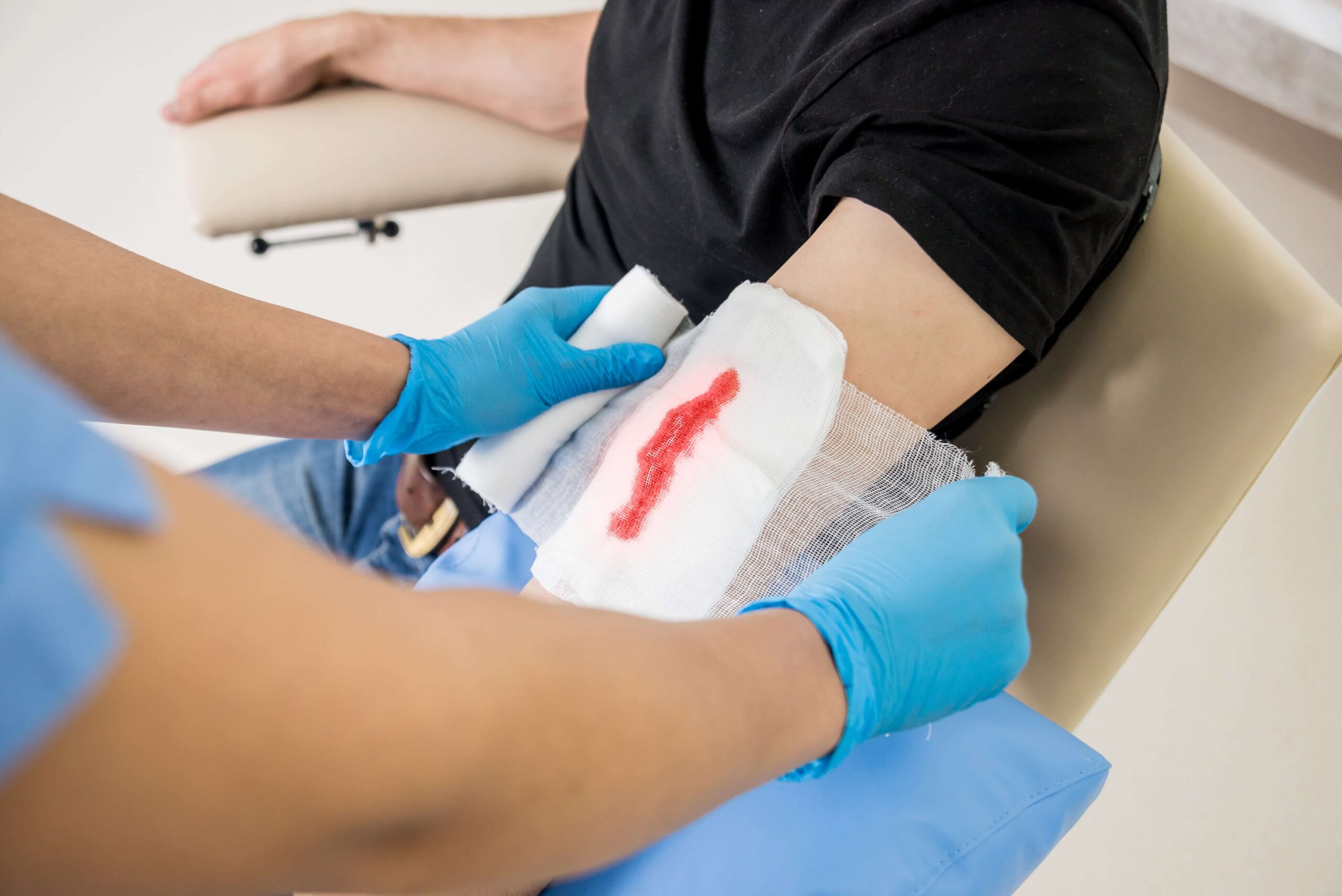
Moist wound dressings come in various forms, each catering to specific wound types and stages of healing. Some common examples of the different types of moist wound dressings include:

Summing Up the Benefits of Moist Wound Healing

To sum up, below are some of the major benefits of maintaining a moist environment as wounds heal and how it aids in the recovery process.

  1. Faster Healing: accelerates the wound closure process, leading to quicker recovery times.
  2. Reduced Scarring: minimizes scar tissue formation.
  3. Lower Risk of Infection: creates a barrier against pathogens, reducing the risk of infections.
  4. Enhanced Tissue Regeneration: supports the migration of specialized cells, promoting effective tissue regeneration.
  5. Improved Angiogenesis: contributes to increased blood vessel formation, aiding in the healing process.
  6. Optimal Collagen Organization: supports organized collagen formation, ensuring better wound healing.
  7. Autolytic Debridement: facilitates autolytic debridement, a natural process where the body’s enzymes break down necrotic tissue, promoting cleaner wounds and faster healing.
  8. Superior Wound Dressings: provides a superior environment for healing and comes in various forms to suit different wound types.
  9. Reduced Pain: prevents the wound from drying out, minimizing discomfort.
  10. Better Overall Patient Outcomes: by promoting faster healing and minimizing complications, moist wound healing contributes to improved patient outcomes.

When Moist Wound Healing Might Not Be Recommended

While moist wound healing has numerous benefits and is generally considered the preferred approach for most wounds, there are specific scenarios where it may not be recommended. For example, for wounds with heavy exudate or excessive moisture, maintaining a moist environment may exacerbate the problem. Additionally, wounds that require regular visualization or assessment, such as deep surgical wounds or wounds with suspected foreign bodies, may benefit from a dry wound environment to enable better monitoring. In these types of cases, your wound care specialist may opt for an alternative wound management approach based on a wound assessment and your unique case.

If you or someone you know has suffered a wound or have questions about the healing process, the specialized team at West Coast Wound Center is here to help. Book an appointment at our center today and let us help put you on the path to healing and improve your quality of life.

[/fusion_text][/fusion_builder_column][fusion_builder_column type=”1_3″ layout=”1_3″ spacing=”” center_content=”no” link=”” target=”_self” min_height=”” hide_on_mobile=”small-visibility,medium-visibility,large-visibility” class=”” id=”” hover_type=”none” border_color=”” border_style=”solid” border_position=”all” border_radius=”” box_shadow=”no” dimension_box_shadow=”” box_shadow_blur=”0″ box_shadow_spread=”0″ box_shadow_color=”” box_shadow_style=”” padding_top=”” padding_right=”” padding_bottom=”” padding_left=”” margin_top=”” margin_bottom=”” background_type=”single” gradient_start_color=”” gradient_end_color=”” gradient_start_position=”0″ gradient_end_position=”100″ gradient_type=”linear” radial_direction=”center center” linear_angle=”180″ background_color=”” background_image=”” background_image_id=”” background_position=”left top” background_repeat=”no-repeat” background_blend_mode=”none” animation_type=”” animation_direction=”left” animation_speed=”0.3″ animation_offset=”” filter_type=”regular” filter_hue=”0″ filter_saturation=”100″ filter_brightness=”100″ filter_contrast=”100″ filter_invert=”0″ filter_sepia=”0″ filter_opacity=”100″ filter_blur=”0″ filter_hue_hover=”0″ filter_saturation_hover=”100″ filter_brightness_hover=”100″ filter_contrast_hover=”100″ filter_invert_hover=”0″ filter_sepia_hover=”0″ filter_opacity_hover=”100″ filter_blur_hover=”0″ last=”true” border_sizes_top=”0″ border_sizes_bottom=”0″ border_sizes_left=”0″ border_sizes_right=”0″ first=”false” spacing_left=”1.3333333333333333%”][fusion_widget_area name=”avada-blog-sidebar” title_size=”” title_color=”” background_color=”” padding_top=”” padding_right=”” padding_bottom=”” padding_left=”” hide_on_mobile=”small-visibility,medium-visibility,large-visibility” class=”” id=”” /][/fusion_builder_column][/fusion_builder_row][/fusion_builder_container]

[fusion_builder_container hundred_percent=”no” equal_height_columns=”no” menu_anchor=”” hide_on_mobile=”small-visibility,medium-visibility,large-visibility” class=”” id=”” background_color=”” background_image=”” background_position=”center center” background_repeat=”no-repeat” fade=”no” background_parallax=”none” parallax_speed=”0.3″ video_mp4=”” video_webm=”” video_ogv=”” video_url=”” video_aspect_ratio=”16:9″ video_loop=”yes” video_mute=”yes” overlay_color=”” video_preview_image=”” border_color=”” border_style=”solid” padding_top=”” padding_bottom=”” padding_left=”” padding_right=”” type=”legacy” admin_toggled=”no”][fusion_builder_row][fusion_builder_column type=”2_3″ layout=”1_1″ background_position=”left top” background_color=”” border_color=”” border_style=”solid” border_position=”all” spacing=”yes” background_image=”” background_repeat=”no-repeat” padding_top=”” padding_right=”” padding_bottom=”” padding_left=”” margin_top=”0px” margin_bottom=”0px” class=”” id=”” animation_type=”” animation_speed=”0.3″ animation_direction=”left” hide_on_mobile=”small-visibility,medium-visibility,large-visibility” center_content=”no” last=”false” min_height=”” hover_type=”none” link=”” border_sizes_top=”” border_sizes_bottom=”” border_sizes_left=”” border_sizes_right=”” first=”true” spacing_right=”2.6666666666666665%”][fusion_text columns=”” column_min_width=”” column_spacing=”” rule_style=”default” rule_size=”” rule_color=”” content_alignment_medium=”” content_alignment_small=”” content_alignment=”” hide_on_mobile=”small-visibility,medium-visibility,large-visibility” sticky_display=”normal,sticky” class=”” id=”” margin_top=”” margin_right=”” margin_bottom=”” margin_left=”” font_size=”” fusion_font_family_text_font=”” fusion_font_variant_text_font=”” line_height=”” letter_spacing=”” text_color=”” animation_type=”” animation_direction=”left” animation_speed=”0.3″ animation_offset=””]

Necrotic wounds are a serious and challenging type of injury characterized by dead or devitalized tissue. These wounds can arise from various causes, such as severe infections, vascular disorders, pressure ulcers, and complications following surgical procedures. Effective treatment and care are crucial for promoting healing, preventing complications, and restoring the affected area. Throughout this article, we will explore the key aspects of necrotic wounds and the essential steps for providing optimal treatment and care.

Understanding Necrotic Wounds

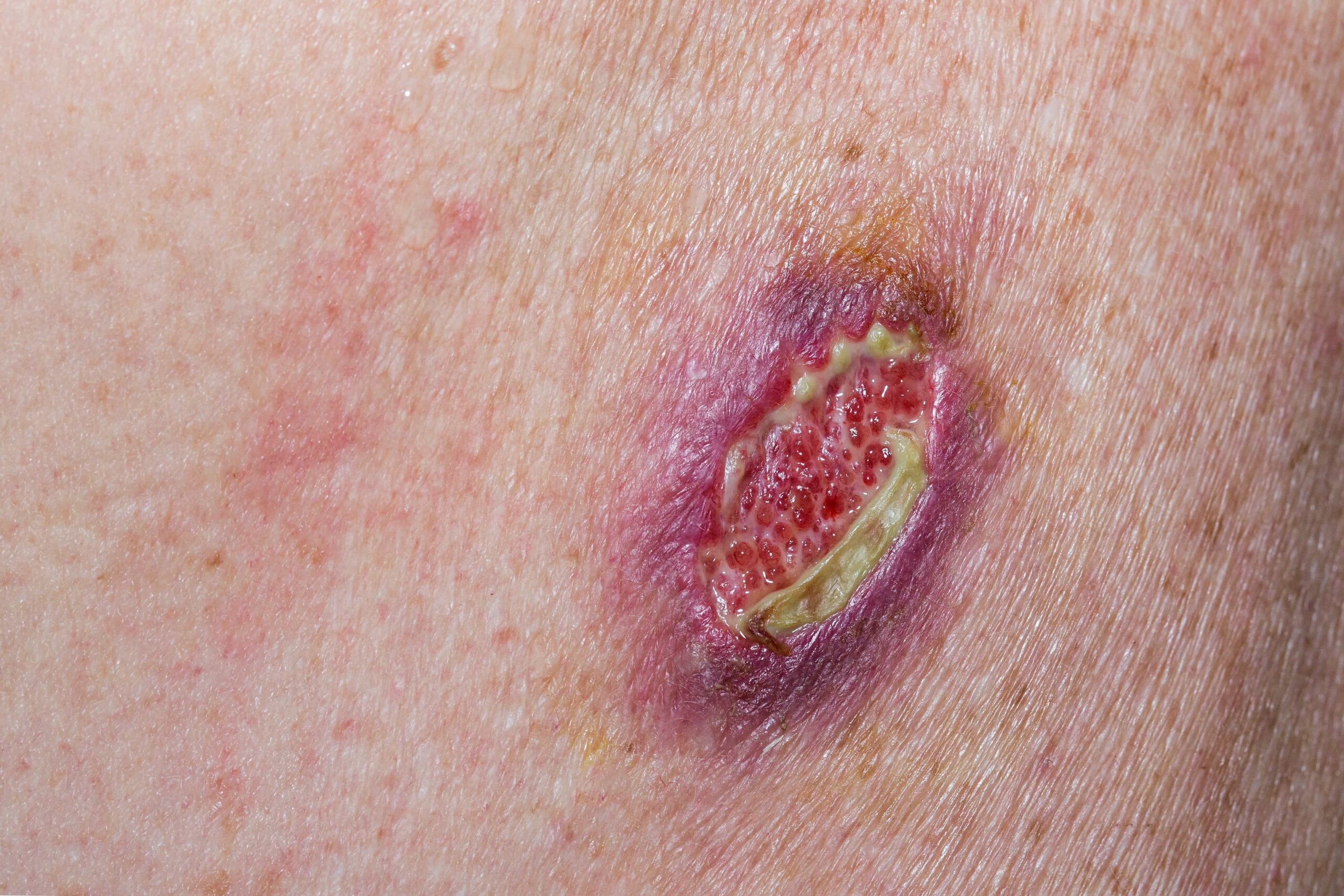
necrotic Wound and dead tissue on a legNecrotic wounds occur when tissue dies due to various underlying causes, such as poor blood supply, infection, or trauma. These wounds can manifest as eschar (dry, leathery), slough (yellow, fibrous), or gangrene (black and foul-smelling). Common risk factors for necrosis development can include diabetes, peripheral artery disease, and immobility.

Potential Causes of Necrotic Wounds

As referenced above, necrotic wounds can have a number of different underlying causes. Understanding the factors contributing to their development is essential for appropriate treatment and prevention. Some of the potential causes may include:

Treatment For Necrotic Wounds

specialist treating a necrotic woundTimely Assessment and Diagnosis

Early identification and assessment of necrotic wounds are vital to appropriate treatment. Would care specialists will thoroughly evaluate the wound’s characteristics, including size, depth, location, and the extent of tissue damage. They may also perform diagnostic tests, such as wound cultures, to identify any underlying infections or organisms contributing to the necrotic process.

Wound Debridement

Wound debridement is a crucial step in the management of necrotic wounds as it involves the removal of dead or devitalized tissue to promote healing. According to a recent publication; “The clinical significance of wound debridement and ulcers with necrotic tissue, regardless of the infection status, cannot be overstated and should not be underestimated.” Several methods of wound debridement are available, each with its advantages and considerations. Some of the different types of wound debridement commonly used for necrotic wounds include:

The debridement method used can depend on several factors, including the extent and type of necrotic tissue, wound characteristics and patient preferences. A wound care specialist will typically conduct a comprehensive assessment of the wound to help determine the most suitable debridement approach for each individual case.

Infection Management

Necrotic wounds are highly susceptible to infection, which can further delay healing and lead to severe complications. Effective infection management can involve the use of antimicrobial agents, such as topical or systemic antibiotics, to target the specific pathogens identified in wound cultures. Additionally, wound specialists will ensure appropriate wound dressings are utilized and provide instructions for proper wound care to minimize the risk of infection.

Moist Wound Healing

Creating an optimal wound environment is essential for necrotic wound healing. Moist wound healing, which involves maintaining a moist but not overly wet environment, has shown great efficacy. It promotes angiogenesis, the formation of new blood vessels, and enhances the migration of cells necessary for tissue regeneration. Advanced wound dressings are often used to provide moisture balance and protect the wound from external contaminants.

Wound Dressing Selection and Management

Choosing appropriate dressings is essential for successful necrotic wound healing. Various types of wound dressings are available, including hydrogels, foams, alginates, and more. Factors such as wound exudate levels, size, and location are considered when selecting the most suitable dressing. Regular dressing changes maintain a clean wound environment, support healing, and facilitate the removal of necrotic tissue. Your wound specialist can help determine the appropriate dressing for your circumstances.

Adequate Nutrition and Hydration

Proper nutrition and hydration play a vital role in wound healing. A well-balanced diet rich in protein, vitamins, and minerals is necessary to provide the body with the essential building blocks for tissue repair. Adequate hydration is equally important as it supports blood circulation, delivery of nutrients to the wound site, and the removal of waste products.

Pain Management

Necrotic wounds can cause significant pain and discomfort, impacting the patient’s quality of life. Effective pain management strategies may be employed to alleviate suffering and enhance the patient’s overall well-being. A combination of pharmacological interventions and non-pharmacological approaches may be suggested to provide optimal pain relief.

Regular Wound Monitoring and Follow-up

Continual monitoring of the necrotic wound’s progress is crucial to ensure appropriate healing. Wound specialists will often schedule regular follow-up appointments to assess the wound’s condition, evaluate the effectiveness of the treatment plan, and make adjustments as needed. Patient education regarding wound care, signs of infection, and potential complications should also be an integral part of the follow-up process.

Prevention of Necrotic Wounds

While treating necrotic wounds is essential, preventing their occurrence in the first place can be just as important. Here are some strategies for preventing necrotic wounds:

Conclusion

Necrotic wounds pose significant challenges in terms of treatment and care, but with proper management, healing and recovery are achievable. By employing a multidisciplinary approach and tailoring treatment plans to individual patient needs, wound care specialists can optimize necrotic wound care and support patients on their path to recovery.

At West Coast Wound Center, we understand the challenges posed by necrotic wounds and the importance of providing proper treatment and care. Our specialized team possesses the knowledge, experience, and advanced resources necessary to effectively manage necrotic wounds. From thorough assessment and debridement to infection control, dressing selection, and patient education, our specialists ensure the highest quality of care for every patient that walks through our doors. Book an appointment today.

[/fusion_text][/fusion_builder_column][fusion_builder_column type=”1_3″ layout=”1_3″ spacing=”” center_content=”no” link=”” target=”_self” min_height=”” hide_on_mobile=”small-visibility,medium-visibility,large-visibility” class=”” id=”” hover_type=”none” border_color=”” border_style=”solid” border_position=”all” border_radius=”” box_shadow=”no” dimension_box_shadow=”” box_shadow_blur=”0″ box_shadow_spread=”0″ box_shadow_color=”” box_shadow_style=”” padding_top=”” padding_right=”” padding_bottom=”” padding_left=”” margin_top=”” margin_bottom=”” background_type=”single” gradient_start_color=”” gradient_end_color=”” gradient_start_position=”0″ gradient_end_position=”100″ gradient_type=”linear” radial_direction=”center center” linear_angle=”180″ background_color=”” background_image=”” background_image_id=”” background_position=”left top” background_repeat=”no-repeat” background_blend_mode=”none” animation_type=”” animation_direction=”left” animation_speed=”0.3″ animation_offset=”” filter_type=”regular” filter_hue=”0″ filter_saturation=”100″ filter_brightness=”100″ filter_contrast=”100″ filter_invert=”0″ filter_sepia=”0″ filter_opacity=”100″ filter_blur=”0″ filter_hue_hover=”0″ filter_saturation_hover=”100″ filter_brightness_hover=”100″ filter_contrast_hover=”100″ filter_invert_hover=”0″ filter_sepia_hover=”0″ filter_opacity_hover=”100″ filter_blur_hover=”0″ last=”true” border_sizes_top=”0″ border_sizes_bottom=”0″ border_sizes_left=”0″ border_sizes_right=”0″ first=”false” spacing_left=”1.3333333333333333%”][fusion_widget_area name=”avada-blog-sidebar” title_size=”” title_color=”” background_color=”” padding_top=”” padding_right=”” padding_bottom=”” padding_left=”” hide_on_mobile=”small-visibility,medium-visibility,large-visibility” class=”” id=”” /][/fusion_builder_column][/fusion_builder_row][/fusion_builder_container]

[fusion_builder_container hundred_percent=”no” equal_height_columns=”no” menu_anchor=”” hide_on_mobile=”small-visibility,medium-visibility,large-visibility” class=”” id=”” background_color=”” background_image=”” background_position=”center center” background_repeat=”no-repeat” fade=”no” background_parallax=”none” parallax_speed=”0.3″ video_mp4=”” video_webm=”” video_ogv=”” video_url=”” video_aspect_ratio=”16:9″ video_loop=”yes” video_mute=”yes” overlay_color=”” video_preview_image=”” border_color=”” border_style=”solid” padding_top=”” padding_bottom=”” padding_left=”” padding_right=”” type=”legacy” admin_toggled=”no”][fusion_builder_row][fusion_builder_column type=”2_3″ layout=”1_1″ background_position=”left top” background_color=”” border_color=”” border_style=”solid” border_position=”all” spacing=”yes” background_image=”” background_repeat=”no-repeat” padding_top=”” padding_right=”” padding_bottom=”” padding_left=”” margin_top=”0px” margin_bottom=”0px” class=”” id=”” animation_type=”” animation_speed=”0.3″ animation_direction=”left” hide_on_mobile=”small-visibility,medium-visibility,large-visibility” center_content=”no” last=”false” min_height=”” hover_type=”none” link=”” border_sizes_top=”” border_sizes_bottom=”” border_sizes_left=”” border_sizes_right=”” first=”true” spacing_right=”2.6666666666666665%”][fusion_text columns=”” column_min_width=”” column_spacing=”” rule_style=”default” rule_size=”” rule_color=”” content_alignment_medium=”” content_alignment_small=”” content_alignment=”” hide_on_mobile=”small-visibility,medium-visibility,large-visibility” sticky_display=”normal,sticky” class=”” id=”” margin_top=”” margin_right=”” margin_bottom=”” margin_left=”” font_size=”” fusion_font_family_text_font=”” fusion_font_variant_text_font=”” line_height=”” letter_spacing=”” text_color=”” animation_type=”” animation_direction=”left” animation_speed=”0.3″ animation_offset=””]

Open wounds can be painful and require proper care to ensure optimal healing. This article offers a comprehensive guide on how to promote faster healing for open wounds. From initial wound care to lifestyle changes and more, we will explore various effective strategies to accelerate the healing process. We will also delve into the different types of open wounds and how to know when it’s time to seek professional medical attention at a wound care center.

Contents

Open vs Closed Wounds

man with an open wound on his handOpen wounds and closed wounds are two distinct types of injuries. Open wounds involve a break or damage to the skin’s surface, exposing underlying tissues, while closed wounds occur beneath the skin’s surface, without a visible break in the skin. Open wounds are typically susceptible to infection, bleeding, and require proper wound care to promote healing. In contrast, closed wounds, such as bruises or contusions, generally result from blunt force trauma, causing damage to blood vessels and tissues beneath the skin, and might not require specific wound care but can benefit from pain management and monitoring for complications.

Types of Open Wounds

Understanding the different types of open wounds can help determine the appropriate care and treatment methods. A few common types of open wounds include:

Potential Dangers of Open Wounds

open wound on a person’s kneeOpen wounds pose several dangers that should be addressed as soon as possible. First, open wounds increase the risk of infection as bacteria and other pathogens can enter the body through the broken skin. Untreated infections can lead to complications and delay healing. Additionally, open wounds can result in significant blood loss, especially if they involve major blood vessels. Excessive bleeding can be life-threatening if not controlled. Furthermore, open wounds can cause pain and discomfort, impairing daily activities and overall quality of life.

Initial Open Wound Care Tips

Promoting Healing For Open Wounds

Potential Home Remedies for Faster Healing

Although the below home remedies may aid in faster healing, it’s still recommended to consult with a wound care specialist or healthcare provider before trying the below as well as for other steps for proper wound management.

When to Visit a Wound Care Center

specialist treating an open woundWhile some open wounds can be treated at home, there are situations where professional medical attention is necessary. Here are a few indications you should visit a wound care center for your open wound:

Additional Open Wound Care FAQs

Q. How often should I change the dressing on an open wound?

A: It is generally recommended to change the dressing on an open wound once or twice a day, or as instructed by your wound care specialist. However, certain wounds may require more frequent dressing changes. Monitor the wound for signs of excessive drainage, foul odor, or increased redness, which may indicate the need for more frequent dressing changes.

Q. Can I shower with an open wound?

A. In most cases, it is generally safe to shower with open wounds. However, it is important to take precautions to protect the wound during the shower. Avoid direct water pressure on the wound by keeping it away from the direct stream of water. You can cover the wound with a waterproof dressing or use a plastic bag secured with tape to keep it dry. It is always best to follow the guidance provided by your wound specialist regarding wound care during showering to ensure proper healing.

Q. How Long Can It Take For an Open Wound to Heal

A. The healing time for open wounds varies depending on several factors, including the type and severity of the wound, the individual’s overall health, and the effectiveness of wound care. Generally, minor wounds, such as superficial cuts or abrasions, may take about a week or two to heal completely. Deeper wounds or those requiring sutures or medical interventions may take several weeks to months to heal fully. However, it is important to note that every wound is unique, and individual healing rates may vary.

Q: Is it normal for an open wound to itch while healing?

A: Mild itching around the wound during the healing process is normal. It is a sign of the skin regenerating. However, avoid scratching the area as it can disrupt the healing process and increase the risk of infection. If the itching becomes severe or is accompanied by increased redness, swelling, or discharge, seek professional guidance.

Q: When can I start exercising after an open wound?

A: The timing may vary depending on the severity and location of the wound. It is generally recommended to avoid strenuous activities or exercises that put excessive strain on the wound during the initial healing phase. Your wound specialist can let you know when it is safe to resume physical activities.

Remember, these are more general guidance, for specific wound care instructions it is recommended to consult with a healthcare professional or wound care specialist based on your individual circumstances.

Conclusion

When it comes to open wounds, proper wound care is essential for faster healing and minimizing the risk of complications. By following recommended practices, promoting overall health, and recognizing when professional medical attention is necessary, you can help accelerate the healing process. Remember, every wound is unique, and consulting with a wound care specialist like the expert team at West Coast Wound Center is always recommended for personalized advice and treatment.

If you or someone you know has suffered from a serious wound, our specialized team and top quality services can help put you on the path to efficient and effective healing. Book an appointment at West Coast Wound Center today.

[/fusion_text][/fusion_builder_column][fusion_builder_column type=”1_3″ layout=”1_3″ spacing=”” center_content=”no” link=”” target=”_self” min_height=”” hide_on_mobile=”small-visibility,medium-visibility,large-visibility” class=”” id=”” hover_type=”none” border_color=”” border_style=”solid” border_position=”all” border_radius=”” box_shadow=”no” dimension_box_shadow=”” box_shadow_blur=”0″ box_shadow_spread=”0″ box_shadow_color=”” box_shadow_style=”” padding_top=”” padding_right=”” padding_bottom=”” padding_left=”” margin_top=”” margin_bottom=”” background_type=”single” gradient_start_color=”” gradient_end_color=”” gradient_start_position=”0″ gradient_end_position=”100″ gradient_type=”linear” radial_direction=”center center” linear_angle=”180″ background_color=”” background_image=”” background_image_id=”” background_position=”left top” background_repeat=”no-repeat” background_blend_mode=”none” animation_type=”” animation_direction=”left” animation_speed=”0.3″ animation_offset=”” filter_type=”regular” filter_hue=”0″ filter_saturation=”100″ filter_brightness=”100″ filter_contrast=”100″ filter_invert=”0″ filter_sepia=”0″ filter_opacity=”100″ filter_blur=”0″ filter_hue_hover=”0″ filter_saturation_hover=”100″ filter_brightness_hover=”100″ filter_contrast_hover=”100″ filter_invert_hover=”0″ filter_sepia_hover=”0″ filter_opacity_hover=”100″ filter_blur_hover=”0″ last=”true” border_sizes_top=”0″ border_sizes_bottom=”0″ border_sizes_left=”0″ border_sizes_right=”0″ first=”false” spacing_left=”1.3333333333333333%”][fusion_widget_area name=”avada-blog-sidebar” title_size=”” title_color=”” background_color=”” padding_top=”” padding_right=”” padding_bottom=”” padding_left=”” hide_on_mobile=”small-visibility,medium-visibility,large-visibility” class=”” id=”” /][/fusion_builder_column][/fusion_builder_row][/fusion_builder_container]

[fusion_builder_container hundred_percent=”no” equal_height_columns=”no” menu_anchor=”” hide_on_mobile=”small-visibility,medium-visibility,large-visibility” class=”” id=”” background_color=”” background_image=”” background_position=”center center” background_repeat=”no-repeat” fade=”no” background_parallax=”none” parallax_speed=”0.3″ video_mp4=”” video_webm=”” video_ogv=”” video_url=”” video_aspect_ratio=”16:9″ video_loop=”yes” video_mute=”yes” overlay_color=”” video_preview_image=”” border_color=”” border_style=”solid” padding_top=”” padding_bottom=”” padding_left=”” padding_right=”” type=”legacy” admin_toggled=”no”][fusion_builder_row][fusion_builder_column type=”2_3″ layout=”1_1″ background_position=”left top” background_color=”” border_color=”” border_style=”solid” border_position=”all” spacing=”yes” background_image=”” background_repeat=”no-repeat” padding_top=”” padding_right=”” padding_bottom=”” padding_left=”” margin_top=”0px” margin_bottom=”0px” class=”” id=”” animation_type=”” animation_speed=”0.3″ animation_direction=”left” hide_on_mobile=”small-visibility,medium-visibility,large-visibility” center_content=”no” last=”false” min_height=”” hover_type=”none” link=”” border_sizes_top=”” border_sizes_bottom=”” border_sizes_left=”” border_sizes_right=”” first=”true” spacing_right=”2.6666666666666665%”][fusion_text columns=”” column_min_width=”” column_spacing=”” rule_style=”default” rule_size=”” rule_color=”” content_alignment_medium=”” content_alignment_small=”” content_alignment=”” hide_on_mobile=”small-visibility,medium-visibility,large-visibility” sticky_display=”normal,sticky” class=”” id=”” margin_top=”” margin_right=”” margin_bottom=”” margin_left=”” font_size=”” fusion_font_family_text_font=”” fusion_font_variant_text_font=”” line_height=”” letter_spacing=”” text_color=”” animation_type=”” animation_direction=”left” animation_speed=”0.3″ animation_offset=””]Heart health is a crucial aspect of overall well-being. The heart, being the central organ of the circulatory system, plays a pivotal role in maintaining a healthy body. While its primary function is to pump oxygen-rich blood to different parts of the body, it also influences various physiological processes, including wound healing. In this article, we will explore why heart health is important and how it affects the body’s ability to heal wounds efficiently.

Heart Health and Blood Circulation

stethoscope next to a healthy heart beatThe heart’s primary function is to circulate oxygenated blood throughout the body, supplying vital nutrients and removing waste products. Effective blood circulation is essential for wound healing as it ensures an adequate supply of oxygen and nutrients to the injured tissues. A healthy heart promotes optimal blood flow, enabling a faster and more efficient healing process.

Oxygen Supply and Tissue Repair

Oxygen is vital for the healing process as it supports the growth and functioning of new cells. When a wound occurs, oxygenated blood carries oxygen to the affected area, promoting the formation of new blood vessels (angiogenesis) and stimulating the production of collagen, a crucial protein for tissue repair. A strong and healthy heart ensures a steady oxygen supply to the wound site, facilitating tissue regeneration and reducing healing time.

Nutrient Delivery and Waste Removal

In addition to oxygen, the blood transported by the heart also carries essential nutrients required for wound healing, such as vitamins, minerals, and amino acids. These nutrients provide the building blocks for cellular repair and the synthesis of new tissues. Moreover, the circulatory system removes waste products and toxins from the wound site, preventing the buildup of harmful substances that could hinder the healing process. Optimal heart function guarantees efficient nutrient delivery and waste removal, supporting the body’s natural healing abilities.

Inflammation Control and Immune Response

Wound healing involves an intricate interplay between inflammation, immune response, and tissue repair. The heart contributes to this process by regulating inflammation levels in the body. Chronic conditions like cardiovascular disease can lead to systemic inflammation, impairing wound healing and prolonging the recovery time. By maintaining a healthy heart, individuals can reduce the risk of chronic inflammation, promoting a balanced immune response and facilitating the healing process.

Blood Pressure and Wound Healing

High blood pressure, or hypertension, can negatively impact wound healing. Elevated blood pressure can strain the cardiovascular system, reducing blood flow to the wound site. A diminished blood supply hampers the delivery of vital nutrients and oxygen, slowing down the healing process. Moreover, hypertension increases the risk of vascular complications, which can impede wound healing further. By prioritizing heart health and managing blood pressure levels, individuals can enhance the body’s ability to heal wounds effectively.

Lifestyle Tips for Maintaining a Healthy Heart

food and exercise equipment depicting healthy lifestyleBelow are a few tips for maintaining a healthy heart, however, these are more general considerations. It’s important to first consult with a wound care specialist for personalized advice based on your individual circumstances and type of wound.

Eat a Heart-Healthy Diet:

Engage in Regular Physical Activity:

Maintain a Healthy Weight:

Manage Stress:

Don’t Smoke and Limit Alcohol Intake:

Get Quality Sleep:

Regularly Monitor Blood Pressure and Cholesterol Levels:

Stay Hydrated:

Regular Health Check-ups:

Bottom Line

Maintaining a healthy heart is crucial for overall well-being, and it can significantly impact wound healing. A robust cardiovascular system ensures optimal blood circulation, facilitating oxygen and nutrient delivery to the wound site. Additionally, it helps control inflammation levels, supports a balanced immune response, and contributes to effective tissue repair. By prioritizing heart health through regular exercise, a nutritious diet, stress management, and routine medical check-ups, you can promote faster healing, reduce complications, and enhance your overall quality of life. Remember, a healthy heart is not only essential for wound healing but also for a healthy and fulfilling life.

If you or someone you know has suffered a serious wound or have questions about heart health book an appointment at West Coast Wound Center today.[/fusion_text][/fusion_builder_column][fusion_builder_column type=”1_3″ layout=”1_3″ spacing=”” center_content=”no” link=”” target=”_self” min_height=”” hide_on_mobile=”small-visibility,medium-visibility,large-visibility” class=”” id=”” hover_type=”none” border_color=”” border_style=”solid” border_position=”all” border_radius=”” box_shadow=”no” dimension_box_shadow=”” box_shadow_blur=”0″ box_shadow_spread=”0″ box_shadow_color=”” box_shadow_style=”” padding_top=”” padding_right=”” padding_bottom=”” padding_left=”” margin_top=”” margin_bottom=”” background_type=”single” gradient_start_color=”” gradient_end_color=”” gradient_start_position=”0″ gradient_end_position=”100″ gradient_type=”linear” radial_direction=”center center” linear_angle=”180″ background_color=”” background_image=”” background_image_id=”” background_position=”left top” background_repeat=”no-repeat” background_blend_mode=”none” animation_type=”” animation_direction=”left” animation_speed=”0.3″ animation_offset=”” filter_type=”regular” filter_hue=”0″ filter_saturation=”100″ filter_brightness=”100″ filter_contrast=”100″ filter_invert=”0″ filter_sepia=”0″ filter_opacity=”100″ filter_blur=”0″ filter_hue_hover=”0″ filter_saturation_hover=”100″ filter_brightness_hover=”100″ filter_contrast_hover=”100″ filter_invert_hover=”0″ filter_sepia_hover=”0″ filter_opacity_hover=”100″ filter_blur_hover=”0″ last=”true” border_sizes_top=”0″ border_sizes_bottom=”0″ border_sizes_left=”0″ border_sizes_right=”0″ first=”false” spacing_left=”1.3333333333333333%”][fusion_widget_area name=”avada-blog-sidebar” title_size=”” title_color=”” background_color=”” padding_top=”” padding_right=”” padding_bottom=”” padding_left=”” hide_on_mobile=”small-visibility,medium-visibility,large-visibility” class=”” id=”” /][/fusion_builder_column][/fusion_builder_row][/fusion_builder_container]

[fusion_builder_container hundred_percent=”no” equal_height_columns=”no” menu_anchor=”” hide_on_mobile=”small-visibility,medium-visibility,large-visibility” class=”” id=”” background_color=”” background_image=”” background_position=”center center” background_repeat=”no-repeat” fade=”no” background_parallax=”none” parallax_speed=”0.3″ video_mp4=”” video_webm=”” video_ogv=”” video_url=”” video_aspect_ratio=”16:9″ video_loop=”yes” video_mute=”yes” overlay_color=”” video_preview_image=”” border_color=”” border_style=”solid” padding_top=”” padding_bottom=”” padding_left=”” padding_right=”” type=”legacy” admin_toggled=”no”][fusion_builder_row][fusion_builder_column type=”2_3″ layout=”1_1″ background_position=”left top” background_color=”” border_color=”” border_style=”solid” border_position=”all” spacing=”yes” background_image=”” background_repeat=”no-repeat” padding_top=”” padding_right=”” padding_bottom=”” padding_left=”” margin_top=”0px” margin_bottom=”0px” class=”” id=”” animation_type=”” animation_speed=”0.3″ animation_direction=”left” hide_on_mobile=”small-visibility,medium-visibility,large-visibility” center_content=”no” last=”false” min_height=”” hover_type=”none” link=”” border_sizes_top=”” border_sizes_bottom=”” border_sizes_left=”” border_sizes_right=”” first=”true” spacing_right=”2.6666666666666665%”][fusion_text columns=”” column_min_width=”” column_spacing=”” rule_style=”default” rule_size=”” rule_color=”” content_alignment_medium=”” content_alignment_small=”” content_alignment=”” hide_on_mobile=”small-visibility,medium-visibility,large-visibility” sticky_display=”normal,sticky” class=”” id=”” margin_top=”” margin_right=”” margin_bottom=”” margin_left=”” font_size=”” fusion_font_family_text_font=”” fusion_font_variant_text_font=”” line_height=”” letter_spacing=”” text_color=”” animation_type=”” animation_direction=”left” animation_speed=”0.3″ animation_offset=””]

Leg edema, also known as leg swelling, is a condition characterized by too much fluid in the lower extremities. While it can affect individuals of all ages, it commonly affects older adults and people who are pregnant. Understanding the causes, treatment options, and the impact of leg edema on wound care is crucial for healthcare providers and individuals dealing with this condition.

Leg Edema: What is it?

woman suffering from leg edema after surgeryLeg edema refers to the abnormal accumulation of fluid in the legs, leading to swelling, discomfort, and heaviness. It primarily affects the lower extremities, such as the feet, ankles, and calves. Various types of leg edema exist, including pitting edema, non-pitting edema, lymphedema, and edema related to venous insufficiency. Some of the common symptoms often associated with leg edema can include:

Causes of Leg Edema

Several underlying conditions can put you at added risk of developing leg edema including:

Leg Edema After Surgery

older person with leg edemaPostoperative edema is a common occurrence after surgery, as it can disrupt the body’s fluid balance. Proper wound care, compression stockings, elevation, and prescribed medications are typically recommended to help reduce edema after surgery. It is important to follow the post-surgical care instructions provided by your wound care specialist to manage and alleviate postoperative leg edema effectively.

Is Leg Edema Dangerous?

While leg edema itself is generally not life-threatening, if left untreated it can lead to serious complications. Prolonged edema can increase the risk of infections, deep vein thrombosis, and skin breakdown. Seeking timely medical attention and adhering to recommended treatment plans are crucial to prevent potentially life-threatening complications.

Impact of Leg Edema on Wound Care and Healing

Leg edema can have a significant impact on wound healing and the overall care of wounds. Here are some ways in which leg edema affects wound care:

Treating Leg Edema

wound care specialist assessing leg with edemaWhile treatment for leg edema can vary depending on your situation, the approach typically involves addressing the underlying cause and managing the symptoms. Although as mentioned above, it’s always recommended to consult a wound care specialist for recommendations based on your individual circumstances, here are a few of the more common treatment approaches typically utilized:

Wound Care Considerations for Leg Edema

When managing wounds in individuals with leg edema, a wound care specialist will take the below approaches and considerations:

Can Leg Edema Be Prevented?

While in some cases edema might not always be preventable, there are adopting preventive measures that can help minimize the risk. These can include maintaining a healthy weight, engaging in regular physical activity, avoiding prolonged sitting or standing, wearing compression stockings, practicing proper leg hygiene, and staying hydrated. Additionally, managing underlying conditions such as heart disease or kidney problems can contribute to preventing leg edema.

Conclusion

Leg edema can significantly impact one’s quality of life, but understanding its causes, seeking appropriate treatment, and implementing preventive measures can provide relief and improve overall well-being. If you experience persistent leg edema or have concerns, the specialized team at West Coast Wound Center can help develop a personalized treatment plan and put you on the path to healing and recovery. Book an appointment today.

[/fusion_text][/fusion_builder_column][fusion_builder_column type=”1_3″ layout=”1_3″ spacing=”” center_content=”no” link=”” target=”_self” min_height=”” hide_on_mobile=”small-visibility,medium-visibility,large-visibility” class=”” id=”” hover_type=”none” border_color=”” border_style=”solid” border_position=”all” border_radius=”” box_shadow=”no” dimension_box_shadow=”” box_shadow_blur=”0″ box_shadow_spread=”0″ box_shadow_color=”” box_shadow_style=”” padding_top=”” padding_right=”” padding_bottom=”” padding_left=”” margin_top=”” margin_bottom=”” background_type=”single” gradient_start_color=”” gradient_end_color=”” gradient_start_position=”0″ gradient_end_position=”100″ gradient_type=”linear” radial_direction=”center center” linear_angle=”180″ background_color=”” background_image=”” background_image_id=”” background_position=”left top” background_repeat=”no-repeat” background_blend_mode=”none” animation_type=”” animation_direction=”left” animation_speed=”0.3″ animation_offset=”” filter_type=”regular” filter_hue=”0″ filter_saturation=”100″ filter_brightness=”100″ filter_contrast=”100″ filter_invert=”0″ filter_sepia=”0″ filter_opacity=”100″ filter_blur=”0″ filter_hue_hover=”0″ filter_saturation_hover=”100″ filter_brightness_hover=”100″ filter_contrast_hover=”100″ filter_invert_hover=”0″ filter_sepia_hover=”0″ filter_opacity_hover=”100″ filter_blur_hover=”0″ last=”true” border_sizes_top=”0″ border_sizes_bottom=”0″ border_sizes_left=”0″ border_sizes_right=”0″ first=”false” spacing_left=”1.3333333333333333%”][fusion_widget_area name=”avada-blog-sidebar” title_size=”” title_color=”” background_color=”” padding_top=”” padding_right=”” padding_bottom=”” padding_left=”” hide_on_mobile=”small-visibility,medium-visibility,large-visibility” class=”” id=”” /][/fusion_builder_column][/fusion_builder_row][/fusion_builder_container]

[fusion_builder_container hundred_percent=”no” equal_height_columns=”no” menu_anchor=”” hide_on_mobile=”small-visibility,medium-visibility,large-visibility” class=”” id=”” background_color=”” background_image=”” background_position=”center center” background_repeat=”no-repeat” fade=”no” background_parallax=”none” parallax_speed=”0.3″ video_mp4=”” video_webm=”” video_ogv=”” video_url=”” video_aspect_ratio=”16:9″ video_loop=”yes” video_mute=”yes” overlay_color=”” video_preview_image=”” border_color=”” border_style=”solid” padding_top=”” padding_bottom=”” padding_left=”” padding_right=”” type=”legacy” admin_toggled=”no”][fusion_builder_row][fusion_builder_column type=”2_3″ layout=”1_1″ background_position=”left top” background_color=”” border_color=”” border_style=”solid” border_position=”all” spacing=”yes” background_image=”” background_repeat=”no-repeat” padding_top=”” padding_right=”” padding_bottom=”” padding_left=”” margin_top=”0px” margin_bottom=”0px” class=”” id=”” animation_type=”” animation_speed=”0.3″ animation_direction=”left” hide_on_mobile=”small-visibility,medium-visibility,large-visibility” center_content=”no” last=”false” min_height=”” hover_type=”none” link=”” border_sizes_top=”” border_sizes_bottom=”” border_sizes_left=”” border_sizes_right=”” first=”true” spacing_right=”2.6666666666666665%”][fusion_text columns=”” column_min_width=”” column_spacing=”” rule_style=”default” rule_size=”” rule_color=”” content_alignment_medium=”” content_alignment_small=”” content_alignment=”” hide_on_mobile=”small-visibility,medium-visibility,large-visibility” sticky_display=”normal,sticky” class=”” id=”” margin_top=”” margin_right=”” margin_bottom=”” margin_left=”” font_size=”” fusion_font_family_text_font=”” fusion_font_variant_text_font=”” line_height=”” letter_spacing=”” text_color=”” animation_type=”” animation_direction=”left” animation_speed=”0.3″ animation_offset=””]Animal bites are a common injury that can occur when you come into contact with domestic or wild animals. While some bites may not be serious, others can result in severe injury or infection. Proper wound care after an animal bite is crucial to prevent complications and promote faster healing. In addition, if the animal that bit you was a wild animal or an unfamiliar domestic animal, it’s important to seek medical attention or go to a wound care center immediately to rule out the possibility of rabies.

Why Wound Care After an Animal Bite is Important

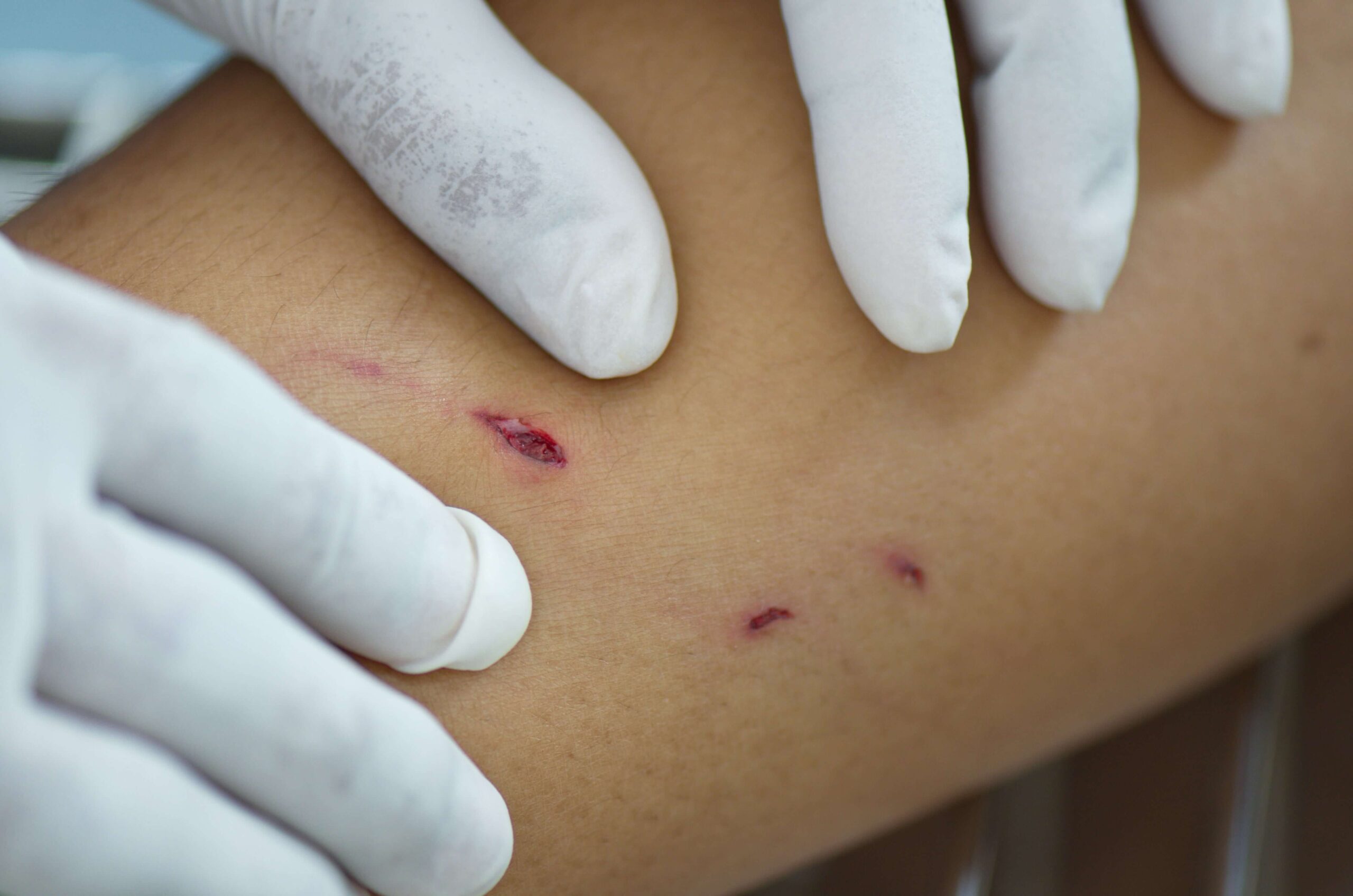
specialist caring for an animal bite woundAnimal bites are a type of traumatic wound that can manifest in several different ways, including bruises, scrapes, puncture wounds, lacerations, and infection. While minor bite wounds like bruises and scrapes that don’t fully break the skin have a lower risk and might be able to be cared for at home, other types can easily become infected if not properly cleaned and treated. Additionally, animal bites can transmit diseases such as rabies, tetanus, and cat scratch fever. In light of that, prompt and appropriate wound care is essential to prevent complications.

What to Do After an Animal Bite

If you have been bitten by an animal, the first step is to remove yourself from the animal’s reach and ensure your own safety. Once safe, wash the wound with soap and water for at least five minutes to remove dirt, debris, and bacteria. After cleaning the wound, apply an antiseptic solution such as hydrogen peroxide or povidone-iodine to kill any remaining bacteria. If the wound is serious or you are unsure, it’s a good idea to consult a wound care specialist for recommendations.

Tips For Cleaning a Bite Wound

man washing an animal bite woundIt’s essential to clean a bite wound thoroughly to prevent the risk of infection. After washing the wound with soap and water, you can use a clean cloth or gauze pad to gently clean the wound. If the wound is deep, you may need to use tweezers to remove any debris or foreign objects. However, it is important not to use hydrogen peroxide or alcohol to clean the wound as they may cause tissue damage and delay healing. After cleaning the wound, apply a sterile dressing to protect it from further injury and infection.

When to Consult a Wound Specialist

If the wound is not healing properly or is showing signs of infection, it is important to seek medical attention immediately. Signs of infection may include redness, swelling, warmth, tenderness, and drainage from the wound. In addition, if you develop a fever or experience any other symptoms such as fatigue or body aches, it’s imperative to consult a wound care specialist or visit a center as soon as possible.

Here are a few common signs to watch out for that you should consult a wound care specialist after an animal bite:

Remember, it is always better to err on the side of caution when it comes to animal bites and the sooner you receive treatment the better. Prompt medical attention can ensure proper assessment, appropriate treatment, and necessary measures to prevent complications and promote optimal wound healing.

Additionally, even if you are not experiencing any of the above it’s crucial to watch the wound carefully as complications may arise.

Treatment Options for Infected Wounds

tetanus shotIf the wound becomes infected, your wound care specialist may prescribe antibiotics to treat the infection. You also may need to undergo a tetanus shot if you haven’t had one in the past 10 years. If the wound is deep or extensive, you may need to have it surgically cleaned to remove any dead tissue and prevent the spread of infection.

Preventing Future Animal Bites

To prevent future animal bites, it’s important to take precautions such as avoiding contact with wild or unfamiliar animals, keeping your pets up-to-date on their vaccinations, and avoiding playing with pets aggressively. Additionally, it is important to never approach an animal that is eating, sleeping, or caring for its young. If you encounter a wild animal, make sure to maintain a safe distance and avoid provoking it.

Visiting a Wound Care Center For Serious Bite Wounds

Visiting a wound care center after a serious animal bite can be an important step in ensuring proper healing and preventing complications. Wound care centers have specialized medical professionals who are trained in treating and managing different types of wounds, including animal bites.

When you visit a wound care center, a wound specialist will evaluate the wound and determine the appropriate treatment plan. They may recommend wound debridement, which involves removing dead tissue and debris from the wound to promote healing. In some cases, they may also recommend wound irrigation, which involves flushing the wound with a sterile solution to remove bacteria and debris.

Furthermore, wound care centers can provide ongoing care and monitoring for your wound to ensure it is healing properly and to address any potential complications that may arise. They can also provide guidance on proper wound care techniques and steps you can take to prevent future infections or complications.

Bottom Line

Animal bites can be a serious injury that requires prompt and appropriate wound care. While some bites may not require medical attention, it is important to consult a healthcare provider immediately if the wound is deep, bleeding heavily, or showing signs of infection. Proper wound care and management can prevent complications and promote faster healing, and taking precautions to prevent future bites can help keep you and your loved ones safe.

If you or someone you know has suffered from an animal bite the specialized team at West Coast Wound Center can help. Book an appointment at our wound care center in Fresno and let us put you on the path to recovery.[/fusion_text][/fusion_builder_column][fusion_builder_column type=”1_3″ layout=”1_3″ spacing=”” center_content=”no” link=”” target=”_self” min_height=”” hide_on_mobile=”small-visibility,medium-visibility,large-visibility” class=”” id=”” hover_type=”none” border_color=”” border_style=”solid” border_position=”all” border_radius=”” box_shadow=”no” dimension_box_shadow=”” box_shadow_blur=”0″ box_shadow_spread=”0″ box_shadow_color=”” box_shadow_style=”” padding_top=”” padding_right=”” padding_bottom=”” padding_left=”” margin_top=”” margin_bottom=”” background_type=”single” gradient_start_color=”” gradient_end_color=”” gradient_start_position=”0″ gradient_end_position=”100″ gradient_type=”linear” radial_direction=”center center” linear_angle=”180″ background_color=”” background_image=”” background_image_id=”” background_position=”left top” background_repeat=”no-repeat” background_blend_mode=”none” animation_type=”” animation_direction=”left” animation_speed=”0.3″ animation_offset=”” filter_type=”regular” filter_hue=”0″ filter_saturation=”100″ filter_brightness=”100″ filter_contrast=”100″ filter_invert=”0″ filter_sepia=”0″ filter_opacity=”100″ filter_blur=”0″ filter_hue_hover=”0″ filter_saturation_hover=”100″ filter_brightness_hover=”100″ filter_contrast_hover=”100″ filter_invert_hover=”0″ filter_sepia_hover=”0″ filter_opacity_hover=”100″ filter_blur_hover=”0″ last=”true” border_sizes_top=”0″ border_sizes_bottom=”0″ border_sizes_left=”0″ border_sizes_right=”0″ first=”false” spacing_left=”1.3333333333333333%”][fusion_widget_area name=”avada-blog-sidebar” title_size=”” title_color=”” background_color=”” padding_top=”” padding_right=”” padding_bottom=”” padding_left=”” hide_on_mobile=”small-visibility,medium-visibility,large-visibility” class=”” id=”” /][/fusion_builder_column][/fusion_builder_row][/fusion_builder_container]

[fusion_builder_container hundred_percent=”no” equal_height_columns=”no” menu_anchor=”” hide_on_mobile=”small-visibility,medium-visibility,large-visibility” class=”” id=”” background_color=”” background_image=”” background_position=”center center” background_repeat=”no-repeat” fade=”no” background_parallax=”none” parallax_speed=”0.3″ video_mp4=”” video_webm=”” video_ogv=”” video_url=”” video_aspect_ratio=”16:9″ video_loop=”yes” video_mute=”yes” overlay_color=”” video_preview_image=”” border_color=”” border_style=”solid” padding_top=”” padding_bottom=”” padding_left=”” padding_right=”” type=”legacy” admin_toggled=”no”][fusion_builder_row][fusion_builder_column type=”2_3″ layout=”1_1″ background_position=”left top” background_color=”” border_color=”” border_style=”solid” border_position=”all” spacing=”yes” background_image=”” background_repeat=”no-repeat” padding_top=”” padding_right=”” padding_bottom=”” padding_left=”” margin_top=”0px” margin_bottom=”0px” class=”” id=”” animation_type=”” animation_speed=”0.3″ animation_direction=”left” hide_on_mobile=”small-visibility,medium-visibility,large-visibility” center_content=”no” last=”false” min_height=”” hover_type=”none” link=”” border_sizes_top=”” border_sizes_bottom=”” border_sizes_left=”” border_sizes_right=”” first=”true” spacing_right=”2.6666666666666665%”][fusion_text columns=”” column_min_width=”” column_spacing=”” rule_style=”default” rule_size=”” rule_color=”” content_alignment_medium=”” content_alignment_small=”” content_alignment=”” hide_on_mobile=”small-visibility,medium-visibility,large-visibility” sticky_display=”normal,sticky” class=”” id=”” margin_top=”” margin_right=”” margin_bottom=”” margin_left=”” font_size=”” fusion_font_family_text_font=”” fusion_font_variant_text_font=”” line_height=”” letter_spacing=”” text_color=”” animation_type=”” animation_direction=”left” animation_speed=”0.3″ animation_offset=””]

Obesity is a growing epidemic around the world, affecting millions of people. The World Health Organization (WHO) reports that since 1975, the global rate of obesity has tripled. Over 1.9 billion adults were overweight in 2016, with over 650 million classified as obese.

This condition not only increases the risk of chronic diseases such as diabetes and heart disease but also can have a significant impact on wound healing. Obesity can delay wound healing, increase the risk of infection, and lead to other complications. In this article, we’ll explore the effects of obesity on wound healing and provide tips for how to help manage wounds in obese patients.

What Is Obesity?

the word obesity next to a heart and stethoscopeObesity is characterized by a surplus of body fat to the point where it severely impacts health. The BMI (body mass index), a measurement of body fat based on weight and height, is used to calculate the condition. According to the Centers for Disease Control and Prevention (CDC), a BMI of 30.0 or higher classifies someone as within the obesity range.

Obesity is a significant threat to the community’s health because of its link to a higher risk of many chronic diseases, including stroke, heart disease, diabetes, and multiple kinds of cancer. It can also cause psychological suffering, physical limitations, and a lower overall quality of life.

Genetic, environmental, and behavioral variables among other root causes are all involved in the risk of developing obesity. Sedentary behavior, a calorie-dense diet, heredity, particular drugs, and underlying medical disorders are just a few of the prevalent causes.

Millions of people around the world are affected by obesity, which makes it a serious public health issue. This condition has an impact on both wound healing as well as general health. Before we delve into the impact of obesity on the body’s ability to heal, let’s first explore the physiology of wound healing and why it’s relevant.

Understanding The Physiology Of Wound Healing

Hemostasis, inflammation, proliferation, and remodeling are typically used to classify the stages involved in the wound healing process. As immune cells remove pathogens and debris during inflammation, platelets form clots to stop bleeding during hemostasis. The proliferation stage is characterized by the growth of new tissue, whereas the maturation and remodeling of new tissue characterize the remodeling stage.

Obesity as an inflammatory condition is one of many factors that can easily upset the delicate balance that the wound-healing process depends on.

The Impact Of Obesity On Wound Healing

obese woman healing from a woundObesity affects wound healing in various ways. The excess fat tissue in the body can lead to chronic inflammation, which can slow down the healing process. Inflammation can also impair the immune response, which serves to further delay wound healing. Moreover, body fat or adipose tissue can cause poor circulation, leading to limited blood supply to the wound site. This can reduce the delivery of much needed nutrients and oxygen to the wound, thereby increasing the risk of infection and other complications.

Obesity can also result in other comorbidities, including diabetes and cardiovascular disease, which can impair wound healing. Let’s further break down how obesity can affect some of the physiological processes essential for proper wound healing:

Vascular Insufficiency

Vascular insufficiency can negatively affect wound healing and play a major role in the development of certain chronic wounds. As adipose tissue grows in those struggling with obesity, it puts added stress on the circulatory system, resulting in vascular insufficiency, inflammation, delayed angiogenesis, and poor oxygenation. All of which can slow wound healing.

Impaired Immune Function

The immune system may be compromised by obesity, making it more challenging for the body to fight illnesses. This raises the possibility of wound infections, which can slow healing and cause further problems.

Chronic Inflammation

Chronic low-grade inflammation linked to obesity slows the healing of wounds. Overproduction of cytokines because of chronic inflammation can obstruct the healing process.

Reduced Blood Supply

Obesity decreases blood flow to the wound site, which hinders the delivery of nutrients and oxygen. As a result, the healing process is slowed down, and problems are more likely.

Poor Nutritional Status

Poor nutrition and malnutrition are frequently linked to obesity, which has been associated with slower wound healing. The healing process depends on proper nutrition, and vitamin and mineral deficits slow down the process.

Research on the Effects of Obesity On Wound Healing

Recent research has shed further light on the impact of obesity on wound healing.

The Link Between Obesity, Diabetes and Wound Healing

Obesity and diabetes are closely linked, and both can have a significant impact on wound healing. Obesity can increase the risk of developing type 2 diabetes, a condition characterized by high blood sugar levels. Diabetes can further complicate wound healing, leading to delayed healing, infections, and other complications. In fact, diabetic patients are more likely to develop chronic wounds than non-diabetic patients. The combination of obesity and diabetes can also affect the immune system, making it more challenging for the body to fight infections.

Managing wounds in obese patients with diabetes requires a comprehensive approach that addresses the underlying conditions. Wound care specialists work closely with patients to manage their weight, blood sugar levels, and other underlying conditions such as hypertension and high cholesterol. This may involve dietary changes, medication management, and regular physical activity.

Strategies To Improve Wound Healing In Obese Patients

wound specialist discussing obesity with overweight patientDespite the challenges posed by obesity, several strategies can improve wound healing outcomes in obese patients. Your wound specialist can help outline a treatment plan and lifestyle changes for you to follow.

Early Intervention

Wound Care Strategies

Weight Loss

Proper Nutrition

Regular Exercise

Unlike other practices, at West Coast Wound Center, we don’t just focus on the wound, but take into consideration the most important factors that affect healing including overall health. We understand the crucial impact obesity and poor nutrition can have on healing and take a holistic and integrated approach to your wound care. We also work closely with each patient’s nutritionist to help optimize the wound healing process.

By addressing the challenges of managing wounds in obese patients, we can improve quality of life and reduce the burden of obesity-related complications. Book an appointment with our specialized team today.

[/fusion_text][/fusion_builder_column][fusion_builder_column type=”1_3″ layout=”1_3″ spacing=”” center_content=”no” link=”” target=”_self” min_height=”” hide_on_mobile=”small-visibility,medium-visibility,large-visibility” class=”” id=”” hover_type=”none” border_color=”” border_style=”solid” border_position=”all” border_radius=”” box_shadow=”no” dimension_box_shadow=”” box_shadow_blur=”0″ box_shadow_spread=”0″ box_shadow_color=”” box_shadow_style=”” padding_top=”” padding_right=”” padding_bottom=”” padding_left=”” margin_top=”” margin_bottom=”” background_type=”single” gradient_start_color=”” gradient_end_color=”” gradient_start_position=”0″ gradient_end_position=”100″ gradient_type=”linear” radial_direction=”center center” linear_angle=”180″ background_color=”” background_image=”” background_image_id=”” background_position=”left top” background_repeat=”no-repeat” background_blend_mode=”none” animation_type=”” animation_direction=”left” animation_speed=”0.3″ animation_offset=”” filter_type=”regular” filter_hue=”0″ filter_saturation=”100″ filter_brightness=”100″ filter_contrast=”100″ filter_invert=”0″ filter_sepia=”0″ filter_opacity=”100″ filter_blur=”0″ filter_hue_hover=”0″ filter_saturation_hover=”100″ filter_brightness_hover=”100″ filter_contrast_hover=”100″ filter_invert_hover=”0″ filter_sepia_hover=”0″ filter_opacity_hover=”100″ filter_blur_hover=”0″ last=”true” border_sizes_top=”0″ border_sizes_bottom=”0″ border_sizes_left=”0″ border_sizes_right=”0″ first=”false” spacing_left=”1.3333333333333333%”][fusion_widget_area name=”avada-blog-sidebar” title_size=”” title_color=”” background_color=”” padding_top=”” padding_right=”” padding_bottom=”” padding_left=”” hide_on_mobile=”small-visibility,medium-visibility,large-visibility” class=”” id=”” /][/fusion_builder_column][/fusion_builder_row][/fusion_builder_container]

[fusion_builder_container hundred_percent=”no” equal_height_columns=”no” menu_anchor=”” hide_on_mobile=”small-visibility,medium-visibility,large-visibility” class=”” id=”” background_color=”” background_image=”” background_position=”center center” background_repeat=”no-repeat” fade=”no” background_parallax=”none” parallax_speed=”0.3″ video_mp4=”” video_webm=”” video_ogv=”” video_url=”” video_aspect_ratio=”16:9″ video_loop=”yes” video_mute=”yes” overlay_color=”” video_preview_image=”” border_color=”” border_style=”solid” padding_top=”” padding_bottom=”” padding_left=”” padding_right=”” type=”legacy” admin_toggled=”no”][fusion_builder_row][fusion_builder_column type=”2_3″ layout=”1_1″ background_position=”left top” background_color=”” border_color=”” border_style=”solid” border_position=”all” spacing=”yes” background_image=”” background_repeat=”no-repeat” padding_top=”” padding_right=”” padding_bottom=”” padding_left=”” margin_top=”0px” margin_bottom=”0px” class=”” id=”” animation_type=”” animation_speed=”0.3″ animation_direction=”left” hide_on_mobile=”small-visibility,medium-visibility,large-visibility” center_content=”no” last=”false” min_height=”” hover_type=”none” link=”” border_sizes_top=”” border_sizes_bottom=”” border_sizes_left=”” border_sizes_right=”” first=”true” spacing_right=”2.6666666666666665%”][fusion_text columns=”” column_min_width=”” column_spacing=”” rule_style=”default” rule_size=”” rule_color=”” content_alignment_medium=”” content_alignment_small=”” content_alignment=”” hide_on_mobile=”small-visibility,medium-visibility,large-visibility” sticky_display=”normal,sticky” class=”” id=”” margin_top=”” margin_right=”” margin_bottom=”” margin_left=”” font_size=”” fusion_font_family_text_font=”” fusion_font_variant_text_font=”” line_height=”” letter_spacing=”” text_color=”” animation_type=”” animation_direction=”left” animation_speed=”0.3″ animation_offset=””]

Wound dressings play an essential role in wound care and healing. What you might not know is there are a wide variety of different types of wound dressings, each with its own unique characteristics that make them suitable for specific wounds. In fact, there are more than 3,000 different wound dressings to help address all the different aspects of wound care.

While a wound care specialist can help you determine the appropriate dressing for your wound, having a thorough understanding of the different types of dressings and when to use them can be crucial in promoting wound healing and preventing complications.

Introduction to Wound Dressings

different types of wound care dressingsWound dressings are materials applied to wounds to promote healing, protect them from infection, and prevent further injury. They come in different forms and types; each with its own purposes and benefits. That said, the primary function of wound dressings is to provide a moist environment for wound healing, which promotes the growth of healthy cells and facilitates the process of healing.

Commonly Used Wound Dressings

Let’s take a deeper look at some of the most common traditional and modern wound dressings often used in wound care. It’s important to note that some wound dressings may not be suitable for all types of wounds, and it’s always best to consult with a wound care specialist to determine the best course of treatment for a particular wound.

1. Gauze dressings

Gauze dressings are a type of traditional wound dressing made of woven cotton or synthetic fibers. They are versatile, inexpensive, and readily available, making them a popular choice for wound care. They can be used alone or in combination with other dressings to absorb wound exudate (the liquid secreted by wounds during the healing process, otherwise known as pus) and provide a protective barrier to the wound bed. However, they are not suitable for several types of serious wounds, as they can dry out and stick to the area, causing trauma and delaying the healing process.

Examples where gauze wound dressings might be used:

2. Non-adherent dressings

Non-adherent dressings are designed to minimize trauma and pain during dressing changes. They are made of materials that don’t stick to the wound, such as silicone or low-adherent fabrics. These types of dressings can be used for wounds with delicate or fragile tissue, such as burns, skin grafts, and donor sites. However, they may not be suitable for heavily exudating wounds or infected wounds, as they can create a warm and moist environment that encourages bacterial growth.

Examples where non-adherent dressings might be used:

3. Hydrocolloid dressings

Hydrocolloid dressings are absorbent pads with a strong adhesive back, often used for low to moderate exudating wounds. The gel-forming agents in these dressings are highly absorbent and help keep the area moist. They help protect the wound from contamination, reduce pain, and promote wound healing.

Examples where Hydrocolloid dressings might be used:

4. Foam dressings

Often made from polyurethane foam, foam dressings are often used for moderate to severe wounds. These dressings have a soft, cushioning effect and absorb a large amount of wound exudate, which helps reduce the risk of maceration.

Examples where foam dressings might be used:

5. Alginate dressings

Alginate dressings are made from seaweed and contain calcium and sodium ions that create a gel-like substance when in contact with a wound.

Examples where alginate dressings might be used:

6. Transparent film dressings

Transparent film dressings are thin, transparent, and waterproof, allowing for wound observation without removing the dressing. They are often made from polymer membranes that allow oxygen to reach the wound while vapor is released. Transparent film dressings can help reduce pain and protect the wound from contaminants while it’s healing.

Examples where Transparent film dressings might be used:

7. Hydrogel dressings

Hydrogel dressings are composed of water or glycerin and create a moist wound environment conducive to wound healing. Hydrogel dressings are a common choice for dry wounds with minimal drainage, as they can help prevent desiccation, promote autolysis, and reduce wound pain.

Examples where hydrogel dressings might be used:

8. Collagen dressings

This type of wound dressing contains collagen, a protein found in the human body that facilitates healing. These dressings can be derived from animal or human sources, and are available in various forms, including gels, powders, and sheets. Collagen wound dressings can help reduce inflammation, and provide a protective barrier around the wound. However, they may not be suitable for wounds with excessive exudate, as they can become saturated and lose their effectiveness. Additionally, collagen wound dressings may not be appropriate for individuals with allergies to collagen or other animal-derived products.

Examples where collagen dressings might be used:

9. Silver dressings

Silver wound dressings contain silver, a natural antimicrobial agent that can help prevent and treat wound infections. These dressings may contain silver in various forms, including ions, particles, or compounds, and are available in different applications, such as gels, foams, and films. While effective in some cases, prolonged use of silver wound dressings may lead to silver toxicity, which can cause skin discoloration, impaired wound healing, and other adverse effects. As such, it is important to use silver wound dressings under the guidance of a healthcare professional or wound care specialist.

Examples where silver dressings might be used:

10. Composites dressings

Composites wound dressings are a type of dressing that combines different materials, such as foam, hydrocolloid, and alginate, into a single dressing. These dressings are designed to provide a combination of benefits, such as absorption, moisture control, and protection, and are often used in the management of complex wounds. Composites wound dressings are particularly useful for wounds with multiple stages of healing, or for wounds that have different needs at different stages of healing. They may also be used to manage wounds with complex drainage patterns, such as fistulas or sinuses.

Specialized Wound Dressings

Specialized wound dressings are used for specific types of wounds, often during extremely serious cases. Only medical professionals administer them. Specialized wound dressings may include:

NPWT dressings are advanced dressings that use negative pressure to remove excess fluid. It uses subatomic pressure to decrease exudate caused by inflammation.

Biological dressings are made from human or animal tissue or other natural sources and are used to encourage healing in severe wounds. Bioengineered skin dressings are autografts typically grown from the skin cells of the patient and are used to replace lost skin tissue.

When to Use Specific Types of Wound Dressings

doctor dressing a woundThe appropriate wound dressing to use largely depends on various factors such as the wound type, the stage of healing, and the site of the injury. Wounds dressed at home will be far different from wounds dressed in a professional, wound care center. As referenced above, it’s always recommended to consult a wound specialist on the type of dressing and recommendations on changing them.

Additional Tips for Dressing Wounds

wound care specialist holding a wound dressingWhen you get a cut, scrape, or any other type of wound, it’s vital to take care of it properly to help it heal and prevent infection. Here are a few additional tips for proper wound care dressing:

Choose the Right Type of Wound Dressing

Choosing the right dressing is essential to ensure that your wound heals properly and to prevent the risk of infection. Factors such as the type of wound, the stage of wound healing, and the amount of fluid or exudate produced by the wound should be considered when selecting a dressing.

Clean the Wound Before Applying the Dressing

Before applying a wound dressing, it’s necessary to ensure the wound is thoroughly cleaned. You can do this with mild soap, water, or saline solution. Cleaning properly helps to remove any dirt or debris that may be present and also reduces the risk of infection. This step might be painful, so remember to be gentle.

Use Proper Application Techniques

Proper application techniques are essential for promoting healing and preventing complications. Follow the instructions provided with your wound dressing and change it as needed to ensure that your wound stays clean and protected.

Monitor the Wound for Signs of Infection

Keep an eye on the wound for any signs of infection. If you notice it before it gets worse, you’ll likely save yourself a lot of trouble in the long run. Some common signs of concern can include redness, swelling, or pus. If you notice any of these symptoms contact your wound care specialist right away.

Seek Medical Attention If Necessary

If you have a deep or severe wound, it can get worse and result in severe complications if left untreated. If you have any concerns about your wound or your wound dressing, please seek medical attention from a wound care specialist who can treat you properly.

If you have suffered from a wound or would like to learn more about what type of dressing you should be using the expert team at West Coast Wound Center is here to help. We are committed to providing high quality care to every patient we serve and can help put you on the path to healing. Book an appointment today.

[/fusion_text][/fusion_builder_column][fusion_builder_column type=”1_3″ layout=”1_3″ spacing=”” center_content=”no” link=”” target=”_self” min_height=”” hide_on_mobile=”small-visibility,medium-visibility,large-visibility” class=”” id=”” hover_type=”none” border_color=”” border_style=”solid” border_position=”all” border_radius=”” box_shadow=”no” dimension_box_shadow=”” box_shadow_blur=”0″ box_shadow_spread=”0″ box_shadow_color=”” box_shadow_style=”” padding_top=”” padding_right=”” padding_bottom=”” padding_left=”” margin_top=”” margin_bottom=”” background_type=”single” gradient_start_color=”” gradient_end_color=”” gradient_start_position=”0″ gradient_end_position=”100″ gradient_type=”linear” radial_direction=”center center” linear_angle=”180″ background_color=”” background_image=”” background_image_id=”” background_position=”left top” background_repeat=”no-repeat” background_blend_mode=”none” animation_type=”” animation_direction=”left” animation_speed=”0.3″ animation_offset=”” filter_type=”regular” filter_hue=”0″ filter_saturation=”100″ filter_brightness=”100″ filter_contrast=”100″ filter_invert=”0″ filter_sepia=”0″ filter_opacity=”100″ filter_blur=”0″ filter_hue_hover=”0″ filter_saturation_hover=”100″ filter_brightness_hover=”100″ filter_contrast_hover=”100″ filter_invert_hover=”0″ filter_sepia_hover=”0″ filter_opacity_hover=”100″ filter_blur_hover=”0″ last=”true” border_sizes_top=”0″ border_sizes_bottom=”0″ border_sizes_left=”0″ border_sizes_right=”0″ first=”false” spacing_left=”1.3333333333333333%”][fusion_widget_area name=”avada-blog-sidebar” title_size=”” title_color=”” background_color=”” padding_top=”” padding_right=”” padding_bottom=”” padding_left=”” hide_on_mobile=”small-visibility,medium-visibility,large-visibility” class=”” id=”” /][/fusion_builder_column][/fusion_builder_row][/fusion_builder_container]

[fusion_builder_container hundred_percent=”no” equal_height_columns=”no” menu_anchor=”” hide_on_mobile=”small-visibility,medium-visibility,large-visibility” class=”” id=”” background_color=”” background_image=”” background_position=”center center” background_repeat=”no-repeat” fade=”no” background_parallax=”none” parallax_speed=”0.3″ video_mp4=”” video_webm=”” video_ogv=”” video_url=”” video_aspect_ratio=”16:9″ video_loop=”yes” video_mute=”yes” overlay_color=”” video_preview_image=”” border_color=”” border_style=”solid” padding_top=”” padding_bottom=”” padding_left=”” padding_right=”” type=”legacy” admin_toggled=”no”][fusion_builder_row][fusion_builder_column type=”2_3″ layout=”1_1″ background_position=”left top” background_color=”” border_color=”” border_style=”solid” border_position=”all” spacing=”yes” background_image=”” background_repeat=”no-repeat” padding_top=”” padding_right=”” padding_bottom=”” padding_left=”” margin_top=”0px” margin_bottom=”0px” class=”” id=”” animation_type=”” animation_speed=”0.3″ animation_direction=”left” hide_on_mobile=”small-visibility,medium-visibility,large-visibility” center_content=”no” last=”false” min_height=”” hover_type=”none” link=”” border_sizes_top=”” border_sizes_bottom=”” border_sizes_left=”” border_sizes_right=”” first=”true” spacing_right=”2.6666666666666665%”][fusion_text columns=”” column_min_width=”” column_spacing=”” rule_style=”default” rule_size=”” rule_color=”” content_alignment_medium=”” content_alignment_small=”” content_alignment=”” hide_on_mobile=”small-visibility,medium-visibility,large-visibility” sticky_display=”normal,sticky” class=”” id=”” margin_top=”” margin_right=”” margin_bottom=”” margin_left=”” font_size=”” fusion_font_family_text_font=”” fusion_font_variant_text_font=”” line_height=”” letter_spacing=”” text_color=”” animation_type=”” animation_direction=”left” animation_speed=”0.3″ animation_offset=””]

High blood pressure, also known as hypertension, affects millions of people worldwide and can have a significant impact on a person’s overall health and well-being. While many people are aware of the link between high blood pressure and heart disease, stroke, and other serious conditions, fewer people realize that hypertension can also affect wound healing.

Throughout this article, we will take a look at how hypertension can impact the wound healing process, and offer tips for promoting faster healing and reducing the risk of complications if you have high blood pressure and are dealing with a wound.

Understanding Hypertension and Blood Pressure

wound care specialist measuring patient’s blood pressureHypertension, or high blood pressure, is a condition in which the force of blood against the walls of your arteries is too high. Blood pressure is typically measured in millimeters of mercury (mm Hg) and is characterized by two numbers: systolic and diastolic blood pressure. Systolic blood pressure represents the pressure in your arteries when your heart beats, while diastolic blood pressure represents the pressure when your heart rests between beats. According to the Centers for Disease Control and Prevention (CDC), normal blood pressure would typically be measured at 120/80 mmHg.

Signs and Symptoms of Hypertension

Hypertension often presents no symptoms, which is why it is sometimes referred to as the “silent killer.” However, in some cases, people with high blood pressure may experience symptoms such as headaches, shortness of breath, nosebleeds, or chest pain. If you experience any of these symptoms, it’s important to seek medical attention as soon as possible.

Common Causes of High Blood Pressure

High blood pressure usually develops over time and can be caused by a number of different factors, including genetics, lifestyle choices, as well as underlying health conditions. Common risk factors for hypertension can include age, family history, being overweight or obese, smoking, a sedentary lifestyle, a diet high in salt and low in potassium, as well as chronic conditions such as diabetes.

Hypertension, Diabetes and Wound Healing

Hypertension and diabetes often go hand-in-hand, as people with diabetes are more likely to develop high blood pressure. According to John Hopkins Medicine, “high blood pressure is twice as likely to strike a person with diabetes than a person without diabetes.” This is because high blood sugar levels can damage the blood vessels and nerves that control blood pressure. Additionally, excess weight and an unhealthy lifestyle, both of which are risk factors for diabetes, can also contribute to the development of high blood pressure. If you are suffering from hypertension and diabetes, it’s important to work closely with your doctor to manage both conditions, as uncontrolled high blood pressure can increase the risk of complications such as heart disease, stroke, kidney disease, and diabetic retinopathy.

Hypertension and Wound Healing

blood sugar log and ways to manage hypertensionAny condition that impairs blood circulation can impair the healing process. While many associate this with conditions such as diabetes, the same can be said about hypertension.

When you have a wound, your body needs to deliver oxygen and nutrients to the injury to promote healing. High blood pressure can make it harder for blood to flow through the small blood vessels that carry oxygen and nutrients to the site of the wound. This can slow down the healing process and increase the risk of complications, such as infection.

In fact, a recent study explored the potential role of hypertension on wound healing among patients with total hip arthroplasty. They found that hypertensive patients experienced prolonged wound healing, putting them at a greater risk of infection.

High Blood Pressure and Wound Management

If you have high blood pressure and are dealing with a wound, it’s crucial to manage your blood pressure to promote faster healing and reduce the risk of complications. While your wound care specialist can provide recommendations and outline a treatment plan to follow, there are several steps you can take that could help:

If you or a loved one has suffered a wound and are concerned about your blood pressure our expert team can help. At West Coast Wound Center, we understand how overall well-being can impact wound healing and value the whole patient’s health, not just the wound. That’s why we take a holistic approach to wound care, considering the whole person — body, mind, spirit, and emotions — in the quest for optimal health and wellness. Book an appointment at our wound care center today and let us put you on the path to healing.

[/fusion_text][/fusion_builder_column][fusion_builder_column type=”1_3″ layout=”1_3″ spacing=”” center_content=”no” link=”” target=”_self” min_height=”” hide_on_mobile=”small-visibility,medium-visibility,large-visibility” class=”” id=”” hover_type=”none” border_color=”” border_style=”solid” border_position=”all” border_radius=”” box_shadow=”no” dimension_box_shadow=”” box_shadow_blur=”0″ box_shadow_spread=”0″ box_shadow_color=”” box_shadow_style=”” padding_top=”” padding_right=”” padding_bottom=”” padding_left=”” margin_top=”” margin_bottom=”” background_type=”single” gradient_start_color=”” gradient_end_color=”” gradient_start_position=”0″ gradient_end_position=”100″ gradient_type=”linear” radial_direction=”center center” linear_angle=”180″ background_color=”” background_image=”” background_image_id=”” background_position=”left top” background_repeat=”no-repeat” background_blend_mode=”none” animation_type=”” animation_direction=”left” animation_speed=”0.3″ animation_offset=”” filter_type=”regular” filter_hue=”0″ filter_saturation=”100″ filter_brightness=”100″ filter_contrast=”100″ filter_invert=”0″ filter_sepia=”0″ filter_opacity=”100″ filter_blur=”0″ filter_hue_hover=”0″ filter_saturation_hover=”100″ filter_brightness_hover=”100″ filter_contrast_hover=”100″ filter_invert_hover=”0″ filter_sepia_hover=”0″ filter_opacity_hover=”100″ filter_blur_hover=”0″ last=”true” border_sizes_top=”0″ border_sizes_bottom=”0″ border_sizes_left=”0″ border_sizes_right=”0″ first=”false” spacing_left=”1.3333333333333333%”][fusion_widget_area name=”avada-blog-sidebar” title_size=”” title_color=”” background_color=”” padding_top=”” padding_right=”” padding_bottom=”” padding_left=”” hide_on_mobile=”small-visibility,medium-visibility,large-visibility” class=”” id=”” /][/fusion_builder_column][/fusion_builder_row][/fusion_builder_container]