
Leg edema refers to swelling in the lower extremities caused by excess fluid collecting in the tissues. While it is often seen in older adults and during pregnancy, this condition can affect people of all ages. Recognizing the causes, symptoms, and treatment options for this can help with skin integrity and supporting proper wound healing.
What Is Leg Edema?
According to Harvard Health Publishing, leg edema develops when fluid accumulates in the feet, ankles, or calves, leading to visible swelling and discomfort. The severity can range from mild puffiness to significant enlargement that affects mobility and daily life.
There are several types of leg edema, including:
- Pitting edema: Leaves an indentation when pressed
- Non-pitting edema: Skin remains firm without indentation
- Lymphedema: Caused by lymphatic system blockage
- Venous edema: Related to poor vein function
How does leg edema affect wound healing?
Leg edema can slow wound healing by reducing circulation, limiting oxygen and nutrients to the area, and increasing the risk of infection due to excess moisture in the tissues.
What are the main treatment options for leg edema?
Treatment may include elevating the legs, wearing compression garments, exercising, reducing salt intake, and taking medications like diuretics. In some cases, specialized wound care and medical procedures may be needed.
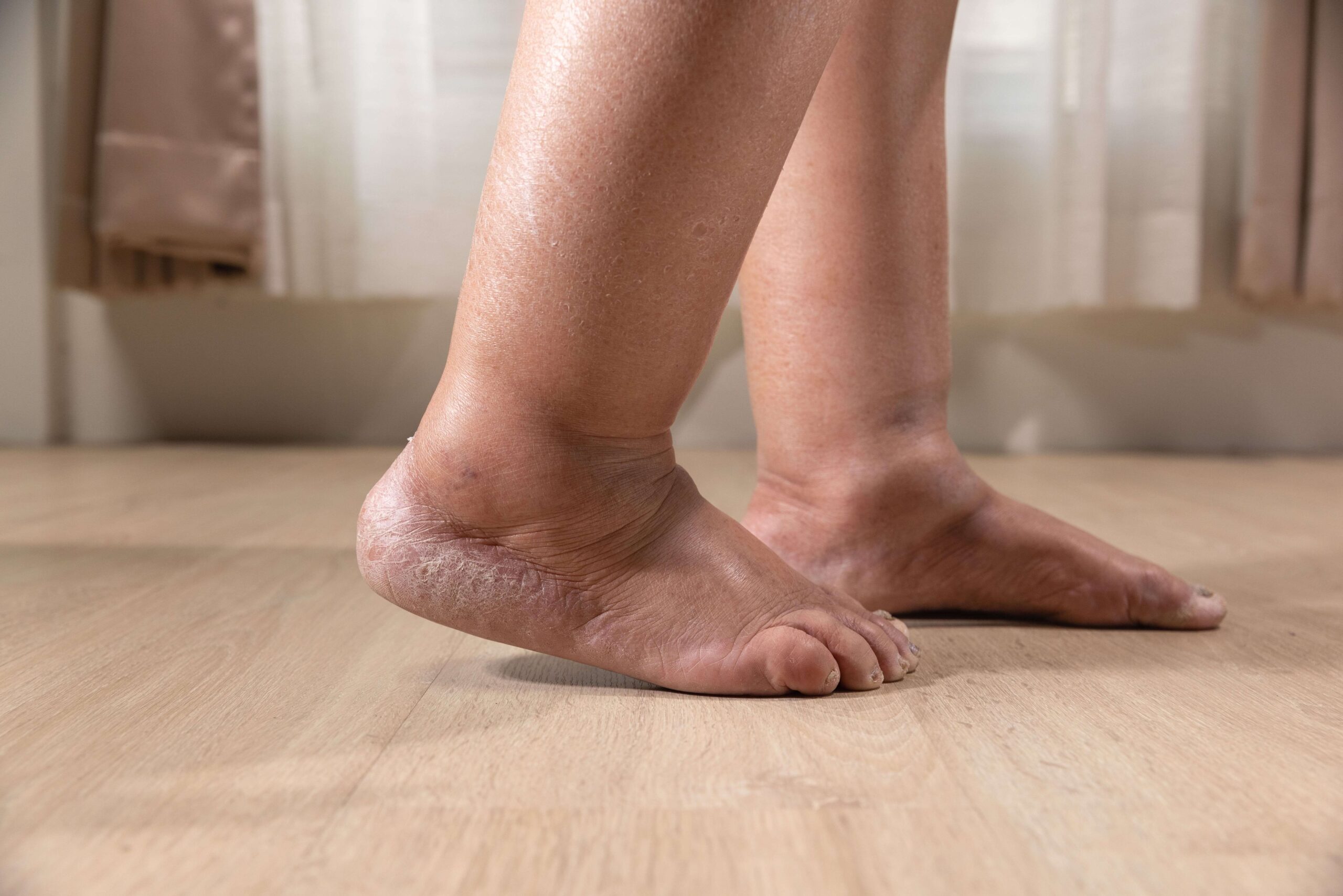
Common Symptoms of Leg Edema
Individuals experiencing leg edema may notice:
- Swelling in the feet, ankles, or legs
- A feeling of heaviness or tightness
- Pain or tenderness
- Shiny, stretched, or discolored skin
- Visible veins or varicose veins
- Reduced flexibility or difficulty walking
- Swelling that worsens after sitting or standing for long periods
Common Causes of Leg Edema
Leg edema can result from a wide range of medical conditions and lifestyle factors. Identifying the underlying cause is crucial to choosing the right treatment approach.
Medical Conditions
- Venous insufficiency: Damaged veins struggle to return blood to the heart, causing fluid buildup
- Lymphedema: Blockages in the lymphatic system prevent proper fluid drainage
- Heart failure: Reduced heart function leads to fluid retention in the lower body
- Kidney disease: Impaired kidneys cannot effectively eliminate excess fluid
- Inflammatory conditions: Issues like arthritis or cellulitis can trigger swelling
External and Lifestyle Factors
- Medications: Certain drugs, including corticosteroids and NSAIDs, may cause fluid retention
- Pregnancy: Hormonal changes and pressure on veins can result in temporary swelling
- Obesity: Excess body weight increases pressure on the legs
- Prolonged inactivity: Sitting or standing for long periods reduces circulation
- High sodium intake: Salt encourages fluid retention in the body
Post-Surgical Leg Edema
Swelling after surgery is common and often temporary. It typically occurs due to inflammation and fluid shifts within the body. Proper management is essential to avoid complications and support recovery.
Helpful strategies include:
- Elevating the legs above heart level
- Wearing compression garments
- Following provider instructions carefully
- Keeping the surgical site clean and protected
Working with a wound care specialist team ensures that swelling is controlled while protecting the healing area from further damage.
Is Leg Edema Serious?
In many cases, leg edema is not immediately dangerous. However, ignoring persistent or severe swelling can lead to complications, including:
- Skin breakdown and ulcers
- Increased risk of infection
- Reduced mobility
- Deep vein thrombosis (DVT)
Early evaluation and treatment are critical to preventing these outcomes and maintaining overall health.
How Leg Edema Affects Wound Healing
Leg edema plays a significant role in delaying or complicating wound healing. When fluid builds up in the tissues, it interferes with the body’s natural repair processes.
Challenges
- Reduced circulation: Swelling limits oxygen and nutrient delivery to the wound
- Slower tissue repair: Healing processes become less efficient
- Higher infection risk: Excess moisture creates an environment where bacteria thrive
- Dressing difficulties: Swollen limbs make it harder to apply and maintain proper wound coverage
A comprehensive approach that includes holistic wound care can address both the wound and the underlying edema, improving outcomes.
Treatment Options for Leg Edema
Effective treatment for leg edema focuses on both symptom relief and addressing the root cause. A combination of medical care and lifestyle adjustments is often recommended.
Lifestyle Changes
- Elevate legs regularly to reduce swelling
- Engage in low-impact exercise to improve circulation
- Maintain a healthy weight
- Reduce salt intake
- Avoid smoking
Compression Therapy
Compression stockings or wraps help move fluid out of the legs and back into circulation. This is one of the most effective non-invasive treatments for leg edema.
Medications
Depending on the cause, a healthcare provider may prescribe:
- Diuretics to reduce fluid retention
- Anticoagulants to prevent clotting
- Medications to improve circulation
Surgical Intervention
In more severe cases, procedures may be needed to correct vein or lymphatic issues contributing to leg edema.
Wound Care Strategies for Patients with Leg Edema
Managing wounds in patients with leg edema requires careful planning and consistent monitoring. A specialized approach ensures that both the swelling and the wound are treated effectively.
Components of Care
- Thorough assessment: Evaluating wound size, depth, and surrounding tissue
- Circulation support: Using compression and positioning techniques
- Appropriate dressings: Selecting materials that manage moisture and protect the wound
- Infection prevention: Keeping the area clean and using antimicrobial treatments when necessary
- Ongoing monitoring: Adjusting care plans based on progress
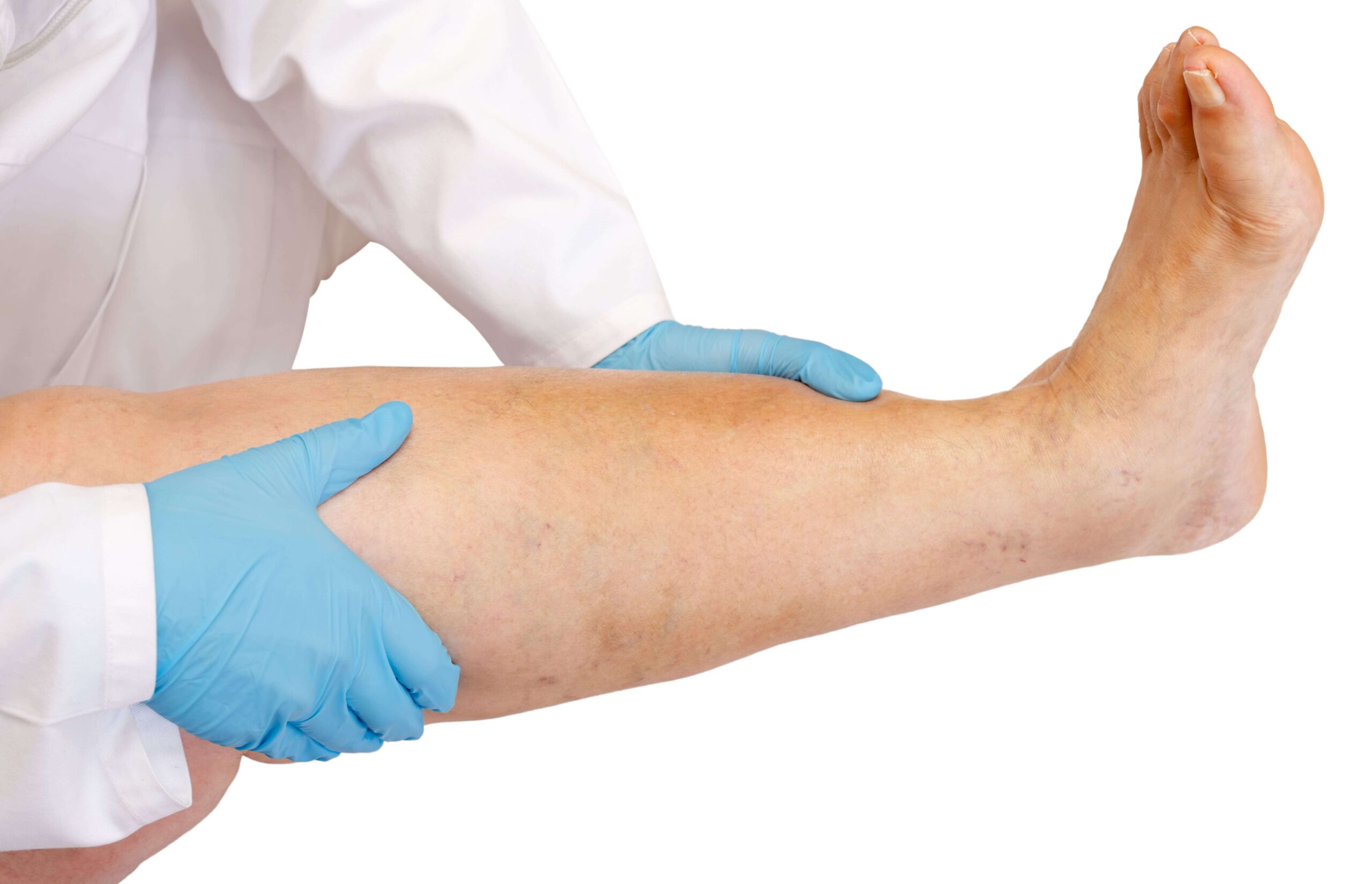
For individuals who have difficulty traveling, mobile wound care can bring these essential services directly to the patient, ensuring continuity and convenience.
Prevention Tips for Leg Edema
While not all cases can be prevented, certain habits can significantly reduce the risk of developing leg edema or minimize its severity.
- Stay physically active to promote circulation
- Avoid sitting or standing in one position for too long
- Wear properly fitted compression stockings when recommended
- Maintain good hydration
- Practice daily leg hygiene
- Manage chronic conditions such as heart or kidney disease
- Follow a balanced, low-sodium diet
Supporting Long-Term Health
Living with leg edema can impact comfort, mobility, and overall quality of life. With the right care plan, many people successfully manage their symptoms and avoid complications. Addressing swelling early, following medical guidance, and maintaining healthy habits all contribute to better outcomes.
A proactive approach that combines medical expertise with consistent care can make a meaningful difference, helping patients stay active, comfortable, and protected from further complications.
Leg Edema FAQs
What is leg edema?
Leg edema is swelling in the feet, ankles, or legs caused by excess fluid building up in the tissues. It can range from mild puffiness to more severe swelling that affects movement and comfort.
What causes leg edema?
Common causes include medical conditions like venous insufficiency, heart failure, kidney disease, and lymphedema, as well as lifestyle factors such as prolonged sitting, high salt intake, pregnancy, and certain medications.
What symptoms should I watch for?
Symptoms may include visible swelling, a feeling of heaviness, pain or tenderness, shiny or stretched skin, and difficulty walking. Swelling often worsens after long periods of sitting or standing.
