[fusion_builder_container hundred_percent=”no” equal_height_columns=”no” menu_anchor=”” hide_on_mobile=”small-visibility,medium-visibility,large-visibility” class=”” id=”” background_color=”” background_image=”” background_position=”center center” background_repeat=”no-repeat” fade=”no” background_parallax=”none” parallax_speed=”0.3″ video_mp4=”” video_webm=”” video_ogv=”” video_url=”” video_aspect_ratio=”16:9″ video_loop=”yes” video_mute=”yes” overlay_color=”” video_preview_image=”” border_color=”” border_style=”solid” padding_top=”” padding_bottom=”” padding_left=”” padding_right=”” type=”legacy” admin_toggled=”no”][fusion_builder_row][fusion_builder_column type=”2_3″ layout=”1_1″ background_position=”left top” background_color=”” border_color=”” border_style=”solid” border_position=”all” spacing=”yes” background_image=”” background_repeat=”no-repeat” padding_top=”” padding_right=”” padding_bottom=”” padding_left=”” margin_top=”0px” margin_bottom=”0px” class=”” id=”” animation_type=”” animation_speed=”0.3″ animation_direction=”left” hide_on_mobile=”small-visibility,medium-visibility,large-visibility” center_content=”no” last=”false” min_height=”” hover_type=”none” link=”” border_sizes_top=”” border_sizes_bottom=”” border_sizes_left=”” border_sizes_right=”” first=”true” spacing_right=”2.6666666666666665%”][fusion_text columns=”” column_min_width=”” column_spacing=”” rule_style=”default” rule_size=”” rule_color=”” content_alignment_medium=”” content_alignment_small=”” content_alignment=”” hide_on_mobile=”small-visibility,medium-visibility,large-visibility” sticky_display=”normal,sticky” class=”” id=”” margin_top=”” margin_right=”” margin_bottom=”” margin_left=”” font_size=”” fusion_font_family_text_font=”” fusion_font_variant_text_font=”” line_height=”” letter_spacing=”” text_color=”” animation_type=”” animation_direction=”left” animation_speed=”0.3″ animation_offset=””]

If you have diabetes, your body functions a bit differently than people who don’t have diabetes. As a diabetic, your body either does not produce insulin naturally, or is unable to use it properly. This may lead to the need to test your blood sugar often and use artificial insulin. However, it also means that wounds might not heal as quickly or effectively as they would in a body without diabetes.

If you or someone you know is suffering from diabetes, it’s crucial to understand how it can affect wound healing and be aware of the importance of proper wound care and management. Diabetic wounds that are not taken care of can quickly progress into an infection which can result in serious complications such as required surgery, foot ulcers, or even amputation.

Understanding How Wounds Heal

Generally, there are four stages of wound healing:

  1. Hemostasis
  2. Inflammation
  3. Proliferation
  4. Remodeling

The foundation for new tissue is red blood cells. These blood cells then create collagen, which in turn becomes new tissue. Once this new tissue is formed it leads to new skin growing over the tissue. At the point that the wound finally heals, the edges then pull inward and the wound will begin to get smaller.

How Diabetes Affects Proper Wound Healing

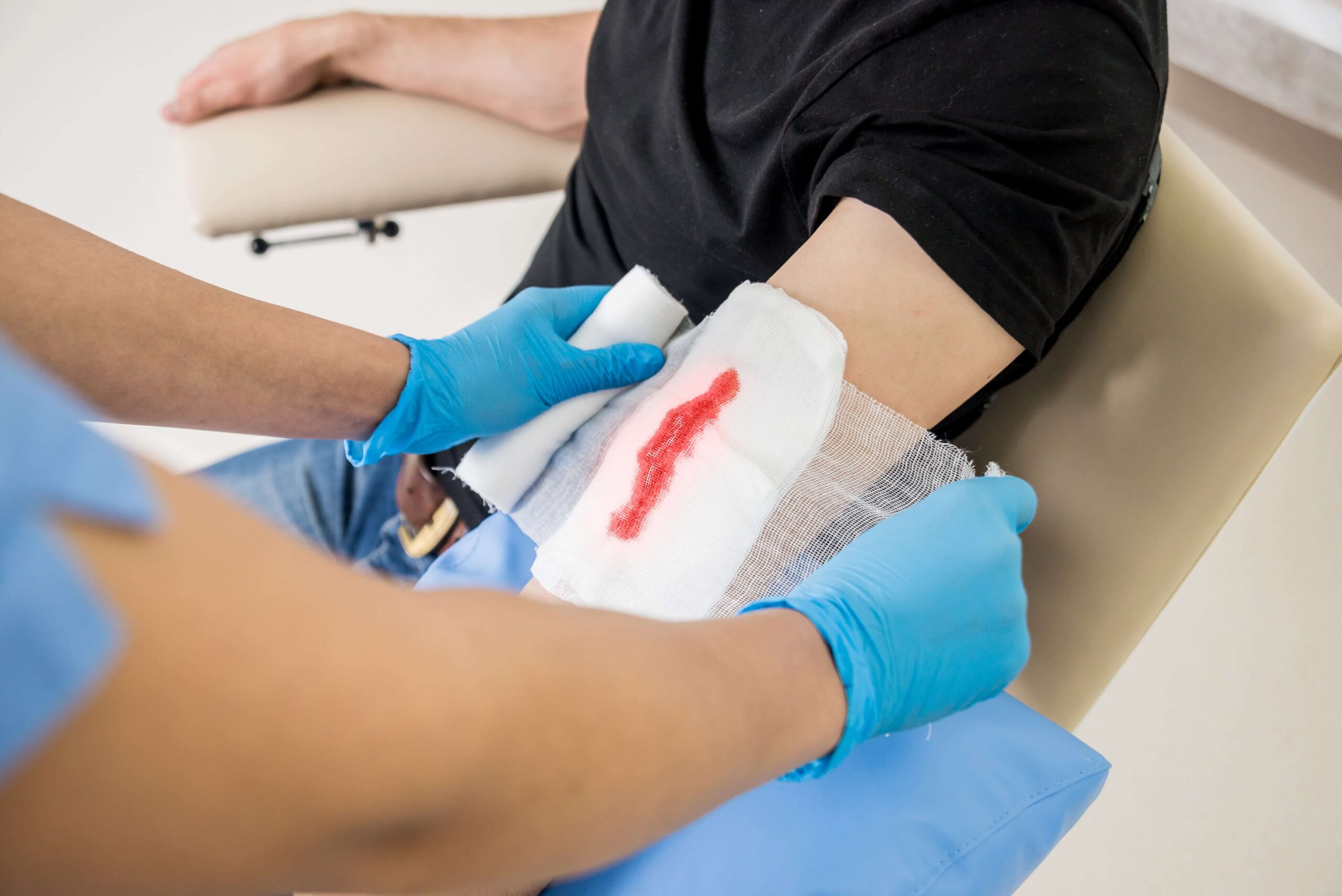
specialist caring for a diabetic woundUnfortunately, Diabetes is a common problem in this country. In fact, according to recent data from the Centers for Disease Control and Prevention (CDC) 28.7 million people in the United States have been diagnosed with diabetes. Due to the nature of the disease, many of these individuals will develop wounds that heal slowly, improperly, or won’t heal at all. Without proper medical attention, this can result in wound infection among other serious health issues.

Let’s take a look at how diabetes impacts wound healing, how the disease makes the recovery process more difficult, and what you can do to help if you or a loved one is diabetic and has suffered a serious wound.

1. Diabetics Often Suffer from Chronic Inflammation

During the second stage of healing, wounds are inflamed. However, when diabetic wounds heal, sometimes this stage can take too long; resulting in the wound becoming “chronic”. A wound is considered chronic when it lasts for six months or longer.

2. Elevated Blood Sugar Levels

Because diabetes limits the body from handling glucose, one of the most important things that diabetics need to worry about is maintaining a healthy blood sugar level. Blood sugar levels are a major determining factor in how efficiently your wounds heal. When these levels are too high, in people with diabetes, for example, it can interfere with how the immune system functions, prevent nutrients and oxygen from energizing cells, and increase inflammation. All of which, can interfere with efficient wound healing.

3. Diabetic Neuropathy

High blood glucose can also cause the arteries to become stiff, which can lead to narrow blood vessels and diabetic neuropathy. Diabetic neuropathy occurs when nerves become damaged all over the body. It causes tingling and numbness in the limbs, which makes it difficult to be aware of whether or not you are injured. This can lead to new wounds and complications in overall healing.

In light of that, it’s important for diabetics to check their skin often, especially the bottom of the feet. The legs and feet are most commonly affected by diabetic neuropathy.

Additional Tip: People who suffer from diabetic neuropathy should ensure they wear shoes that fit properly and avoid cuts, blisters, and any type of activity that may cause ulcers.

4. Circulation Problems

Wounds heal much quicker when there is a good circulation of blood throughout the body. Diabetics typically have poor circulation due to narrowed blood vessels and are more likely to develop poor circulation conditions like peripheral vascular disease. The reduced oxygen in those suffering from diabetes can result in slower tissue development and in turn, wound healing.

5. Poor Immune System Function

High blood sugar levels decrease red and white blood cell function, which reduces nutrients being sent to the wound site to fight infections. This is also due to a diabetic body producing certain hormones that make the immune system less effective. If your immune system isn’t functioning correctly, it can slow wound healing and because the body can have a difficult time fighting off bacteria it can put you at greater risk of infection.

Additional Tip: Some doctors recommend wearing white socks at all times in order to be able to see any blood or pus if an injury occurs. This can help alert you if there are cuts, blisters, or another type of wound.

6. Increased Risk of Infection

Diabetic patients have a slower movement of white blood cells than the average person. This means that there is less of an immune response, which leaves wounds to be more inflamed. This combined with numbness from neuropathy can lead to the wound getting worse.

As referenced above, with an open wound that heals slower than it normally would, there is an increased chance of infection. This often leads to higher rates of gangrene, sepsis, and infections like osteomyelitis. Out of all of the limbs amputated each year, diabetic ulcers are the number one cause.

Treating and Preventing Diabetic Wounds

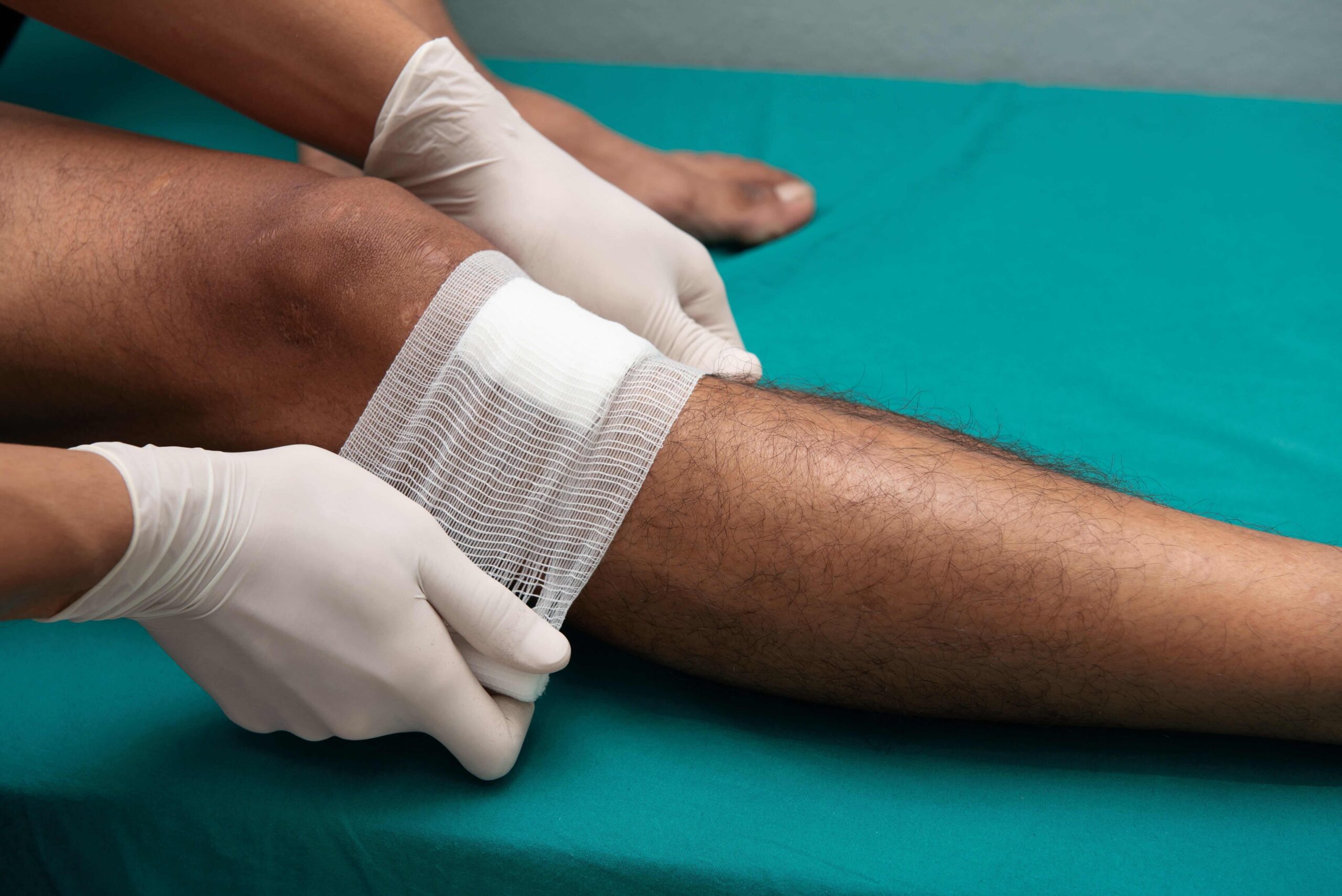
wound care specialist dressing for a diabetic ulcerIf not carefully monitored and treated, wounds can be very serious and quickly lead to infection. Fortunately, wound care specialists are trained and equipped with the expertise to help ensure wounds are cared for properly and healed efficiently. If you get a diabetic ulcer or are unsure of a wound it’s important to see a medical professional as soon as possible. Especially if the wound isn’t healing or infection has started to spread.

Your wound care specialist will work with you to help prevent the wound from getting bigger and avoid potential infection. They may also conduct debridement which helps remove unhealthy tissue from the wound and facilitate healing.

While most diabetic wounds are better addressed through a specialist, there are a few steps you can take to help the recovery process and even prevent wounds from surfacing:

Specialized Care to Help You Heal

Wounds can become serious for anyone but it’s even more important for those with diabetes to stay vigilant and ensure you are caring for them properly. If you or a loved one believes they might have a diabetic wound, the wound care specialists at West Coast Wound & Skin Care are here to help. We provide high quality, full spectrum wound care services to patients wherever they reside.

We Heal Diabetic Ulcers 25% Quicker Than Other Practices!

We also welcome you to come visit our new Wound Center in Fresno where our wound care physicians help treat the complete range of wound types and skin concerns including diabetic wounds and ulcers. Contact us today to book an appointment and let us help you get on the path to recovery.

[/fusion_text][/fusion_builder_column][fusion_builder_column type=”1_3″ layout=”1_3″ spacing=”” center_content=”no” link=”” target=”_self” min_height=”” hide_on_mobile=”small-visibility,medium-visibility,large-visibility” class=”” id=”” hover_type=”none” border_color=”” border_style=”solid” border_position=”all” border_radius=”” box_shadow=”no” dimension_box_shadow=”” box_shadow_blur=”0″ box_shadow_spread=”0″ box_shadow_color=”” box_shadow_style=”” padding_top=”” padding_right=”” padding_bottom=”” padding_left=”” margin_top=”” margin_bottom=”” background_type=”single” gradient_start_color=”” gradient_end_color=”” gradient_start_position=”0″ gradient_end_position=”100″ gradient_type=”linear” radial_direction=”center center” linear_angle=”180″ background_color=”” background_image=”” background_image_id=”” background_position=”left top” background_repeat=”no-repeat” background_blend_mode=”none” animation_type=”” animation_direction=”left” animation_speed=”0.3″ animation_offset=”” filter_type=”regular” filter_hue=”0″ filter_saturation=”100″ filter_brightness=”100″ filter_contrast=”100″ filter_invert=”0″ filter_sepia=”0″ filter_opacity=”100″ filter_blur=”0″ filter_hue_hover=”0″ filter_saturation_hover=”100″ filter_brightness_hover=”100″ filter_contrast_hover=”100″ filter_invert_hover=”0″ filter_sepia_hover=”0″ filter_opacity_hover=”100″ filter_blur_hover=”0″ last=”true” border_sizes_top=”0″ border_sizes_bottom=”0″ border_sizes_left=”0″ border_sizes_right=”0″ first=”false” spacing_left=”1.3333333333333333%”][fusion_widget_area name=”avada-blog-sidebar” title_size=”” title_color=”” background_color=”” padding_top=”” padding_right=”” padding_bottom=”” padding_left=”” hide_on_mobile=”small-visibility,medium-visibility,large-visibility” class=”” id=”” /][/fusion_builder_column][/fusion_builder_row][/fusion_builder_container]

Lymphedema is a chronic condition that impacts the lives of millions of Americans, yet it often remains undiagnosed. Characterized by swelling, pain, and changes to the skin, this disease can reduce overall quality of life and complicate daily activities. At West Coast Wound Care, we specialize in offering in-home care tailored to your specific needs so as to treat your lymphedema. Our treatments are always holistic, treating not just the lymphedema but the entire person. 

Why Treatment is Necessary 

It is important to understand that lymphedema is not “just swelling.” This condition stems from a compromised lymphatic system, which can lead to skin hardening and impaired immune function. Left untreated, these issues can affect physical health, mental well-being, and even economic stability. Early intervention and practical management strategies are critical in mitigating these challenges and improving outcomes for those living with lymphedema.

The Challenges Lymphedema Presents 

Lymphedema presents challenges for so many. However, all too often, it’s either improperly treated or even dismissed. Studies have found that patients “reported substantial delays in (lymphedema) diagnosis and treatment,” while “cancer-related and non-cancer-related lymphedema patients reported similar levels of perceived physician disinterest in lymphedema.”  [1]

Even with that, unfortunately, the world is dealing with the “rising prevalence of lymphedema” and that it “affects millions globally.” [2] Here at West Coast Wound Care, we can treat many struggling with lymphedema from the comfort of their homes. 

lymphedema

How Our Mobile Wound Care Treats Lymphedema 

At West Coast Wound Care, we have a proven track record of helping patients reduce swelling and discomfort. Through our comprehensive services, we aim to restore mobility and enhance the overall quality of life. 

Compression is an Effective Start 

Our trained techs use socks, sleeves, wraps and other garments to apply pressure that helps move fluid from the tissues back into circulation. This reduces swelling and lowers the risk of complications. These aren’t just great to wear during your treatment, either. You can wear them during daily activities and adjust as needed to maximize their effectiveness.

MLD 

Performed by certified professionals, this gentle massage technique stimulates the movement of lymph fluid through the body. 

Our techs reduce swelling by gently guiding lymph fluid from your tissues to active lymph nodes. We do this by applying light pressure to stimulate the lymphatic system, beginning with specific points in the body, such as the lymph nodes in the neck, armpits, and so forth. 

By first addressing areas without swelling, space is created to encourage the movement of congested lymph fluid to these cleared pathways.

After manual lymphatic drainage sessions, our therapists may apply multilayer compression bandages to the affected areas. These bandages use graduated pressure to promote fluid circulation and further reduce swelling.

Compression, Skincare, Exercise, and More 

On the subject of compression, we may use pneumatic compression pumps. These deliver gentle pressure through sleeves that wrap around the affected limbs, encouraging fluid movement and preventing buildup. This has proven to be effective in helping to maintain the progress achieved through other treatments. 

Moisturizing and maintaining proper hygiene can prevent dryness, cracks, and irritation that might exacerbate the condition. By keeping the skin healthy, we help patients avoid complications that could lead to more severe issues. We use specialized ointments and creams to protect the skin and reduce the risk of infection. 

Keeping the affected limb elevated whenever possible helps counteract the effects of gravity, encouraging fluid to drain from swollen areas. This simple yet effective strategy can be easily incorporated into daily routines to enhance treatment outcomes. Our techs will show you how. 

Our therapists guide patients through tailored exercise programs that focus on flexibility, strength, and cardiovascular health. Physical activity stimulates lymphatic drainage and promotes overall circulation. 

Aerobic exercises that incorporate deep breathing can further enhance lymph flow while supporting weight management and improving heart health. However, it is essential to pace physical activity appropriately to avoid overexertion. We work closely with each patient to develop a regimen that suits their individual needs and recovery timeline.

How You Can Help With Lymphedema Treatments 

Always, we make sure that patients receive comprehensive training on basic self-care techniques. We find that this is one more way we can help our patients take an active role in their recovery and maintain long-term improvements.

While the symptoms of lymphedema cannot be entirely prevented, there are practical steps individuals can take. 

For starters, protect your skin and protect yourself. Wearing gloves while gardening or cooking, using lotion to prevent dryness, and treating cuts or burns promptly with antibacterial ointments can all reduce the likelihood of infection. Keeping the affected area clean and moisturized can go a long way, too. 

Wearing recommended compression garments can help maintain progress and control swelling. These garments can be part of your daily routine, especially during periods of activity. 

Maintaining a healthy weight is another factor that can significantly impact lymphedema symptoms. Excess weight places additional strain on the lymphatic system, exacerbating swelling and discomfort. We encourage patients to adopt balanced diets and incorporate regular exercise into their lives to achieve and sustain a healthy weight. Reducing salt intake can also help, as excessive sodium can lead to fluid retention.

High temperatures can aggravate lymphedema, so wearing protective clothing and sunscreen is advised. Staying hydrated is crucial for keeping lymph fluid moving through the body, further aiding in symptom management.

Lastly, patients should avoid placing undue pressure on the affected area. Loose-fitting clothing, lightweight jewelry, and careful positioning during activities can prevent additional strain. Elevating the limb above heart level when resting can also aid in fluid drainage and reduce swelling.

Help With Lymphedema and So Much More 

At West Coast Wound Care, our goal is to empower patients to take control of their lymphedema symptoms. Through personalized treatment plans, education, and ongoing support, we strive to improve the lives of those living with this challenging condition. Whether you are seeking professional care or looking for guidance on self-management techniques, we are here to help you achieve better health and well-being. 

That said, we can do much more than just treat lymphedema. Our mobile wound care can help with many other treatments as well. We don’t believe that anyone with lymphedema should have to go to a medical facility every single time they need treatment. 

By receiving professional, experienced treatment at home, we’ve found leads to not just better treatment but better integration into the patient’s life. It’s one thing to hear about what you should do at home, it’s something else to have expressly described to you in your home. 

To see how our mobile service can treat lymphedema and much more, make an appointment today. 

References: 

    1. Bowman, C., Rockson, S.G. The lymphedema patient experience within the healthcare system: a cross-sectional epidemiologic assessment. Sci Rep 14, 12600 (2024). https://doi.org/10.1038/s41598-024-63145-1


The new year is a time for fresh starts and renewed hope. If you’re living with a chronic wound, it’s an opportunity to take charge of your health and seek the specialized care you need to heal. West Coast Wound and Skin Care offers advanced wound care treatment in San Diego, utilizing the latest technologies and evidence-based practices to help you achieve optimal healing and improve your quality of life.

Why Choose West Coast Wound and Skin Care?

At West Coast Wound and Skin Care, we understand the physical and emotional challenges that chronic wounds can present. Our compassionate team of wound care specialists is dedicated to providing personalized care and support throughout your healing journey. We combine advanced therapies with a holistic approach to address the underlying causes of your wound and promote long-term healing.

Advanced Wound Care Treatment Options

We offer a comprehensive range of wound care treatment options in San Diego, including:

Wound Care Treatment San Diego

Common Causes of Chronic Wounds

Understanding the underlying causes of chronic wounds is crucial for effective treatment. Some common causes include:

According to the Agency for Healthcare Research and Quality, chronic wounds affect 6.5 million people in the United States.

The Journal of the American Medical Association (JAMA) emphasizes the importance of a multidisciplinary approach to chronic wound care, involving specialists from various medical fields.

New Year, New Commitment to Healing

This new year, make a commitment to your health and well-being. If you’re struggling with a chronic wound, seek expert care at West Coast Wound and Skin Care in San Diego. Our advanced therapies and personalized approach can help you achieve optimal healing and improve your quality of life.

Wound Care Treatment San Diego: Your Path to Healing

West Coast Wound and Skin Care is committed to providing the highest quality wound care treatment San Diego. Our advanced therapies and personalized approach can help you achieve optimal healing and improve your quality of life.

The new year is a time for fresh starts and renewed commitments to health and well-being. For those living with chronic wounds, this can mean taking a proactive approach to wound care and seeking specialized treatment. West Coast Wound Center in Fresno offers comprehensive wound care and and skin care services in the largest city in the greater Central Valley region. Combining cutting-edge technology with evidence-based medicine, West Coast Wound and Skin Care help you reach optimal healing.  

Why Choose West Coast Wound and Skin Care?

At West Coast Wound and Skin Care, we understand the complexities of wound healing. Our team of experienced wound care specialists provides personalized treatment plans tailored to each patient’s needs. We utilize advanced wound care techniques and products to accelerate healing and prevent complications.  

Specialized Wound Care Services

New Year’s Resolutions for Wound Healing

The new year is a perfect time to re-evaluate your health habits and make positive changes that support your body’s natural healing abilities. If you’re living with a chronic wound, consider these resolutions to promote faster healing and improve your overall well-being:

Prioritize Hydration:

Proper hydration is crucial for wound healing. Water plays a vital role in cell regeneration, nutrient delivery, and waste removal. Aim to drink at least 8 glasses of water per day to keep your skin hydrated and support the healing process.
According to the National Academies of Sciences, Engineering, and Medicine, adequate daily fluid intake is about 15.5 cups (3.7 liters) of fluids for men and about 11.5 cups (2.7 liters) of fluids a day for women. *Remember that this is a general guideline, and individual needs may vary.

Extra Tip: Carry a reusable water bottle with you throughout the day as a visual reminder to stay hydrated. You can also increase your fluid intake by consuming hydrating foods like fruits and vegetables.

Wound Center Fresno

Maintain a Healthy Diet:

Eating a balanced diet rich in fruits, vegetables, and lean protein provides the essential nutrients your body needs to repair tissues and fight infection. Focus on foods high in Vitamin C (like citrus fruits and berries), Vitamin A (found in leafy greens and orange vegetables), and zinc (found in beans, nuts, and whole grains), as these nutrients play key roles in wound healing.

Extra Tip: Consider incorporating protein shakes or smoothies into your diet to ensure you’re getting enough protein for tissue repair.

Quit Smoking:

Smoking significantly impairs circulation and slows down the healing process. Nicotine constricts blood vessels, reducing blood flow to the wound site and delaying the delivery of oxygen and nutrients essential for healing. Quitting smoking is one of the best things you can do for your overall health and wound healing.

Manage Stress:

Chronic stress can negatively impact your immune system and hinder wound healing. When you’re stressed, your body releases cortisol, a hormone that can interfere with the inflammatory response necessary for healing. Practice stress management techniques like meditation, yoga, or deep breathing exercises to reduce stress levels and promote a healing environment within your body.  

Extra Tip: Set aside a few minutes each day for relaxation and mindfulness. Even short periods of deep breathing or meditation can make a significant difference in your stress levels.

Stay Active:

Regular exercise improves circulation and promotes overall health, which can aid in wound healing. Even moderate exercise can increase blood flow, delivering oxygen and nutrients to the wound site and helping to remove waste products. Consult with your doctor or physical therapist for safe exercise options that won’t put undue stress on your wound.

Extra Tip: If you have limited mobility, consider chair exercises or gentle stretching to improve circulation and maintain flexibility.

By incorporating these resolutions into your New Year’s plan, you can take a proactive approach to wound healing and improve your overall health and well-being.

Wound Center Fresno: Your Partner in Healing

West Coast Wound and Skin Care is your trusted partner in wound healing. Our wound center Fresno provides comprehensive care for all types of wounds, helping you achieve optimal healing and regain your quality of life.

[fusion_builder_container hundred_percent=”no” equal_height_columns=”no” menu_anchor=”” hide_on_mobile=”small-visibility,medium-visibility,large-visibility” class=”” id=”” background_color=”” background_image=”” background_position=”center center” background_repeat=”no-repeat” fade=”no” background_parallax=”none” parallax_speed=”0.3″ video_mp4=”” video_webm=”” video_ogv=”” video_url=”” video_aspect_ratio=”16:9″ video_loop=”yes” video_mute=”yes” overlay_color=”” video_preview_image=”” border_color=”” border_style=”solid” padding_top=”” padding_bottom=”” padding_left=”” padding_right=”” type=”legacy” admin_toggled=”no”][fusion_builder_row][fusion_builder_column type=”2_3″ layout=”1_1″ background_position=”left top” background_color=”” border_color=”” border_style=”solid” border_position=”all” spacing=”yes” background_image=”” background_repeat=”no-repeat” padding_top=”” padding_right=”” padding_bottom=”” padding_left=”” margin_top=”0px” margin_bottom=”0px” class=”” id=”” animation_type=”” animation_speed=”0.3″ animation_direction=”left” hide_on_mobile=”small-visibility,medium-visibility,large-visibility” center_content=”no” last=”false” min_height=”” hover_type=”none” link=”” border_sizes_top=”” border_sizes_bottom=”” border_sizes_left=”” border_sizes_right=”” first=”true” spacing_right=”2.6666666666666665%”][fusion_text columns=”” column_min_width=”” column_spacing=”” rule_style=”default” rule_size=”” rule_color=”” content_alignment_medium=”” content_alignment_small=”” content_alignment=”” hide_on_mobile=”small-visibility,medium-visibility,large-visibility” sticky_display=”normal,sticky” class=”” id=”” margin_top=”” margin_right=”” margin_bottom=”” margin_left=”” font_size=”” fusion_font_family_text_font=”” fusion_font_variant_text_font=”” line_height=”” letter_spacing=”” text_color=”” animation_type=”” animation_direction=”left” animation_speed=”0.3″ animation_offset=””]

Hypergranulation presents a unique challenge for both wound care specialists and patients alike. As a complication characterized by the overgrowth of granulation tissue, hypergranulation demands a nuanced understanding of its causes, distinctions from healthy granulation tissue, and effective treatment strategies. Delving into this topic unveils not only the complexities of wound healing but also the opportunities for tailored interventions that can optimize outcomes.

What is Hypergranulation?

infected wound with granulation tissueHypergranulation, also known as overgranulation or proud flesh, is an abnormal tissue response that occurs during the wound healing process. It is characterized by the excessive growth of granulation tissue above the surface level of the wound bed. Granulation tissue is essential for wound healing as it fills in the wound space with new blood vessels, collagen, and connective tissue. However, when this tissue grows excessively, it can impede the healing process and lead to complications.

Hypergranulation Tissue vs. Granulation Tissue

It’s important to understand the difference between hypergranulation and granulation tissue:

Causes of Hypergranulation

Several factors can contribute to the development of hypergranulation:

Hypergranulation Tissue Treatment

Managing hypergranulation requires a comprehensive approach aimed at addressing the underlying causes and promoting optimal wound healing. Treatment options may include:

Navigating Hypergranulation for Effective Wound Care Management

Hypergranulation is a common complication encountered in wound care but understanding the underlying causes and appropriate treatment options can help effectively manage the condition and promote optimal wound healing.

Ready to take control of your wound healing journey? Book an appointment at West Coast Wound Center today and let our expert team guide you toward optimal healing and recovery. Your journey to healthier skin starts here.

[/fusion_text][/fusion_builder_column][fusion_builder_column type=”1_3″ layout=”1_3″ spacing=”” center_content=”no” link=”” target=”_self” min_height=”” hide_on_mobile=”small-visibility,medium-visibility,large-visibility” class=”” id=”” hover_type=”none” border_color=”” border_style=”solid” border_position=”all” border_radius=”” box_shadow=”no” dimension_box_shadow=”” box_shadow_blur=”0″ box_shadow_spread=”0″ box_shadow_color=”” box_shadow_style=”” padding_top=”” padding_right=”” padding_bottom=”” padding_left=”” margin_top=”” margin_bottom=”” background_type=”single” gradient_start_color=”” gradient_end_color=”” gradient_start_position=”0″ gradient_end_position=”100″ gradient_type=”linear” radial_direction=”center center” linear_angle=”180″ background_color=”” background_image=”” background_image_id=”” background_position=”left top” background_repeat=”no-repeat” background_blend_mode=”none” animation_type=”” animation_direction=”left” animation_speed=”0.3″ animation_offset=”” filter_type=”regular” filter_hue=”0″ filter_saturation=”100″ filter_brightness=”100″ filter_contrast=”100″ filter_invert=”0″ filter_sepia=”0″ filter_opacity=”100″ filter_blur=”0″ filter_hue_hover=”0″ filter_saturation_hover=”100″ filter_brightness_hover=”100″ filter_contrast_hover=”100″ filter_invert_hover=”0″ filter_sepia_hover=”0″ filter_opacity_hover=”100″ filter_blur_hover=”0″ last=”true” border_sizes_top=”0″ border_sizes_bottom=”0″ border_sizes_left=”0″ border_sizes_right=”0″ first=”false” spacing_left=”1.3333333333333333%”][fusion_widget_area name=”avada-blog-sidebar” title_size=”” title_color=”” background_color=”” padding_top=”” padding_right=”” padding_bottom=”” padding_left=”” hide_on_mobile=”small-visibility,medium-visibility,large-visibility” class=”” id=”” /][/fusion_builder_column][/fusion_builder_row][/fusion_builder_container]

[fusion_builder_container hundred_percent=”no” equal_height_columns=”no” menu_anchor=”” hide_on_mobile=”small-visibility,medium-visibility,large-visibility” class=”” id=”” background_color=”” background_image=”” background_position=”center center” background_repeat=”no-repeat” fade=”no” background_parallax=”none” parallax_speed=”0.3″ video_mp4=”” video_webm=”” video_ogv=”” video_url=”” video_aspect_ratio=”16:9″ video_loop=”yes” video_mute=”yes” overlay_color=”” video_preview_image=”” border_color=”” border_style=”solid” padding_top=”” padding_bottom=”” padding_left=”” padding_right=”” type=”legacy” admin_toggled=”no”][fusion_builder_row][fusion_builder_column type=”2_3″ layout=”1_1″ background_position=”left top” background_color=”” border_color=”” border_style=”solid” border_position=”all” spacing=”yes” background_image=”” background_repeat=”no-repeat” padding_top=”” padding_right=”” padding_bottom=”” padding_left=”” margin_top=”0px” margin_bottom=”0px” class=”” id=”” animation_type=”” animation_speed=”0.3″ animation_direction=”left” hide_on_mobile=”small-visibility,medium-visibility,large-visibility” center_content=”no” last=”false” min_height=”” hover_type=”none” link=”” border_sizes_top=”” border_sizes_bottom=”” border_sizes_left=”” border_sizes_right=”” first=”true” spacing_right=”2.6666666666666665%”][fusion_text columns=”” column_min_width=”” column_spacing=”” rule_style=”default” rule_size=”” rule_color=”” content_alignment_medium=”” content_alignment_small=”” content_alignment=”” hide_on_mobile=”small-visibility,medium-visibility,large-visibility” sticky_display=”normal,sticky” class=”” id=”” margin_top=”” margin_right=”” margin_bottom=”” margin_left=”” font_size=”” fusion_font_family_text_font=”” fusion_font_variant_text_font=”” line_height=”” letter_spacing=”” text_color=”” animation_type=”” animation_direction=”left” animation_speed=”0.3″ animation_offset=””]

Diabetic foot ulcers are a significant complication of diabetes, representing a considerable burden on individuals’ health and healthcare systems worldwide. Understanding the stages of diabetic ulcers is crucial for timely intervention and effective management.

What is a Diabetic Ulcer?

diabetic foot ulcerA diabetic ulcer is a chronic wound that develops on the feet of individuals with diabetes. These ulcers typically occur on pressure points of the foot, such as the ball of the foot or the heel, and are often preceded by trauma or injury. Due to factors such as neuropathy, peripheral arterial disease, and impaired immune function, individuals with diabetes are more prone to developing foot ulcers. These wounds have a slow healing rate and can lead to severe complications if not properly managed.

How Serious is a Diabetic Ulcer?

Diabetic ulcers are a serious medical condition that can lead to severe complications if left untreated. These ulcers have the potential to become infected, which can result in tissue damage, gangrene, and in severe cases, amputation. Moreover, individuals with diabetes who develop foot ulcers have an increased risk of developing further complications such as osteomyelitis (bone infection) and Charcot foot (a condition characterized by weakening of the bones in the foot). As such, it is essential to take diabetic foot ulcers seriously and seek prompt medical attention at a wound care center if you believe you have one.

Stages of Diabetic Ulcers

Diabetic ulcers progress through distinct stages, each with its own characteristics and implications for treatment. Understanding these stages is essential for wound care specialists to develop appropriate treatment plans and for individuals with diabetes to recognize the severity of their condition.

Stage 1: Pre-ulcerative Lesion

At this initial stage, the skin may appear intact but is at risk of breaking down due to underlying tissue damage. Common signs may include redness, warmth, and swelling in the affected area. Individuals may also experience pain or discomfort, particularly during walking or pressure on the foot. Pre-ulcerative lesions require prompt intervention to prevent progression to a full-thickness ulcer.

Stage 2: Superficial Ulceration

In stage 2, the ulcer extends through the epidermis (outer layer of skin) and into the dermis (deeper layer of skin). The wound may appear shallow, with a pink or red base and minimal drainage. However, infection risk is present, and proper wound care is essential to prevent complications. Offloading pressure from the ulcer site and maintaining a moist wound environment are also critical at this stage.

Stage 3: Deep Ulceration

As the ulcer progresses, it extends deeper into the subcutaneous tissue, potentially exposing tendons, ligaments, or even bones. Stage 3 ulcers are characterized by a crater-like appearance with undermining of the surrounding tissue. Drainage may increase, and signs of infection, such as purulent discharge and foul odor, may be present. Aggressive wound debridement and infection control measures are necessary to facilitate healing and prevent further tissue damage.

Stage 4: Gangrene and Tissue Necrosis

In the most severe cases, diabetic ulcers can progress to stage 4, characterized by extensive tissue necrosis and gangrene. At this stage, the risk of limb loss is high, and urgent medical intervention is required. Tissue viability assessment, vascular imaging, and surgical consultation may be necessary to determine the extent of tissue loss and salvageable options.

Common Symptoms of Diabetic Foot Ulcers

As referenced above, the symptoms of diabetic foot ulcers may vary depending on the severity and stage of the ulcer. That said, a few common symptoms can include:

It is important to note that individuals with diabetic neuropathy may not experience significant pain or discomfort, even if an ulcer is present. Therefore, regular foot examinations are essential for early detection and intervention.

What Causes Diabetic Foot Ulcers?

Several factors contribute to the development of diabetic foot ulcers:

Diabetic Ulcer vs. Arterial Ulcer

While both diabetic ulcers and arterial ulcers are types of chronic wounds that commonly affect the lower extremities, there are key differences between the two conditions:

Diabetic Ulcer:

Arterial Ulcer:

Diabetic Foot Ulcer Treatment and Wound Care

specialist caring for a diabetic footThe treatment of diabetic foot ulcers requires a comprehensive approach aimed at promoting wound healing, preventing infection, and addressing underlying risk factors. The following are key components of diabetic ulcer management:

Tips For Preventing Diabetic Foot Ulcers

Prevention is key in reducing the risk of diabetic foot ulcers and their associated complications. Here are a few strategies that can help individuals with diabetes maintain optimal foot health:

The Journey to Healing and Recovery

Diabetic ulcers represent a significant challenge in the management of individuals with diabetes, requiring timely intervention and comprehensive care to prevent complications. By understanding the stages of diabetic ulcers and implementing appropriate management strategies, wound care specialists can improve outcomes and quality of life for those living with diabetes.

For personalized care and expert management of diabetic ulcers, contact West Coast Wound Center today. Our experienced team is dedicated to providing comprehensive treatment and support to individuals living with diabetes.

Don’t let diabetic ulcers impact your quality of life—reach out to us now to schedule an appointment and take the first step toward healing and recovery.

[/fusion_text][/fusion_builder_column][fusion_builder_column type=”1_3″ layout=”1_3″ spacing=”” center_content=”no” link=”” target=”_self” min_height=”” hide_on_mobile=”small-visibility,medium-visibility,large-visibility” class=”” id=”” hover_type=”none” border_color=”” border_style=”solid” border_position=”all” border_radius=”” box_shadow=”no” dimension_box_shadow=”” box_shadow_blur=”0″ box_shadow_spread=”0″ box_shadow_color=”” box_shadow_style=”” padding_top=”” padding_right=”” padding_bottom=”” padding_left=”” margin_top=”” margin_bottom=”” background_type=”single” gradient_start_color=”” gradient_end_color=”” gradient_start_position=”0″ gradient_end_position=”100″ gradient_type=”linear” radial_direction=”center center” linear_angle=”180″ background_color=”” background_image=”” background_image_id=”” background_position=”left top” background_repeat=”no-repeat” background_blend_mode=”none” animation_type=”” animation_direction=”left” animation_speed=”0.3″ animation_offset=”” filter_type=”regular” filter_hue=”0″ filter_saturation=”100″ filter_brightness=”100″ filter_contrast=”100″ filter_invert=”0″ filter_sepia=”0″ filter_opacity=”100″ filter_blur=”0″ filter_hue_hover=”0″ filter_saturation_hover=”100″ filter_brightness_hover=”100″ filter_contrast_hover=”100″ filter_invert_hover=”0″ filter_sepia_hover=”0″ filter_opacity_hover=”100″ filter_blur_hover=”0″ last=”true” border_sizes_top=”0″ border_sizes_bottom=”0″ border_sizes_left=”0″ border_sizes_right=”0″ first=”false” spacing_left=”1.3333333333333333%”][fusion_widget_area name=”avada-blog-sidebar” title_size=”” title_color=”” background_color=”” padding_top=”” padding_right=”” padding_bottom=”” padding_left=”” hide_on_mobile=”small-visibility,medium-visibility,large-visibility” class=”” id=”” /][/fusion_builder_column][/fusion_builder_row][/fusion_builder_container]

[fusion_builder_container hundred_percent=”no” equal_height_columns=”no” menu_anchor=”” hide_on_mobile=”small-visibility,medium-visibility,large-visibility” class=”” id=”” background_color=”” background_image=”” background_position=”center center” background_repeat=”no-repeat” fade=”no” background_parallax=”none” parallax_speed=”0.3″ video_mp4=”” video_webm=”” video_ogv=”” video_url=”” video_aspect_ratio=”16:9″ video_loop=”yes” video_mute=”yes” overlay_color=”” video_preview_image=”” border_color=”” border_style=”solid” padding_top=”” padding_bottom=”” padding_left=”” padding_right=”” type=”legacy” admin_toggled=”no”][fusion_builder_row][fusion_builder_column type=”2_3″ layout=”1_1″ background_position=”left top” background_color=”” border_color=”” border_style=”solid” border_position=”all” spacing=”yes” background_image=”” background_repeat=”no-repeat” padding_top=”” padding_right=”” padding_bottom=”” padding_left=”” margin_top=”0px” margin_bottom=”0px” class=”” id=”” animation_type=”” animation_speed=”0.3″ animation_direction=”left” hide_on_mobile=”small-visibility,medium-visibility,large-visibility” center_content=”no” last=”false” min_height=”” hover_type=”none” link=”” border_sizes_top=”” border_sizes_bottom=”” border_sizes_left=”” border_sizes_right=”” first=”true” spacing_right=”2.6666666666666665%”][fusion_text columns=”” column_min_width=”” column_spacing=”” rule_style=”default” rule_size=”” rule_color=”” content_alignment_medium=”” content_alignment_small=”” content_alignment=”” hide_on_mobile=”small-visibility,medium-visibility,large-visibility” sticky_display=”normal,sticky” class=”” id=”” margin_top=”” margin_right=”” margin_bottom=”” margin_left=”” font_size=”” fusion_font_family_text_font=”” fusion_font_variant_text_font=”” line_height=”” letter_spacing=”” text_color=”” animation_type=”” animation_direction=”left” animation_speed=”0.3″ animation_offset=””]Wounds, whether caused by injury, surgery, or medical conditions, require specialized care to promote healing and prevent complications. While some wounds can be managed at home with basic first aid, others may need more extensive treatment from a wound care specialist. In such cases, visiting a wound care center becomes essential. If you’re wondering what to expect during your visit to a wound care center, this guide will walk you through the process, from preparation to post-visit care.

Understanding Wound Care Centers

woman being bandaged at a wound care centerWound care centers are specialized healthcare facilities equipped with a multidisciplinary team of experts dedicated to managing acute and chronic wounds. These centers offer comprehensive services tailored to individual patient needs, ranging from assessment and treatment to education and follow-up care.

Why Visit a Wound Care Center?

Seeking treatment at a wound care center is advisable for several reasons:

Expertise: Wound care specialists have extensive training and experience in managing various types of wounds, including diabetic ulcers, pressure sores, surgical wounds, and traumatic injuries.

Advanced Treatments: Wound care centers utilize state-of-the-art technologies and advanced therapies to facilitate healing and prevent complications. These may include specialized dressings, negative pressure wound therapy (NPWT), hyperbaric oxygen therapy (HBOT), and debridement procedures.

Comprehensive Evaluation: During your visit, wound care professionals will conduct an assessment of your injury, taking into account factors such as the wound’s size, depth, where it’s located, and any underlying health conditions. This evaluation helps determine the most appropriate treatment plan tailored to your specific needs.

Education and Support: Wound care centers not only focus on treating the wound but also emphasize patient education and empowerment. You’ll receive guidance on wound care techniques, lifestyle modifications, nutrition, and preventive measures to optimize healing and minimize the risk of recurrence.

Preparing for Your First Visit

Preparation plays a crucial role in ensuring a smooth and productive experience during your initial visit to a wound care center. Here are some essential steps to take beforehand:

Gather Medical Information: Compile relevant medical records, including details of your wound, previous treatments, medications, allergies, and underlying health conditions. This information will help healthcare providers assess your situation more effectively and plan appropriate interventions.

Make a List of Questions: Take some time to jot down any concerns or queries you have regarding your wound care. This could include inquiries about treatment options, expected outcomes, potential complications, and self-care practices. Bringing a list ensures that you address all your concerns during the visit.

Review Insurance Coverage: Check your insurance policy to understand coverage for wound care services. Some policies may require pre-authorization or referrals, so it’s essential to clarify any financial matters beforehand to avoid unexpected expenses.

Follow Pre-Appointment Instructions: If your wound care provider has provided specific instructions before the visit, such as fasting for certain tests or discontinuing certain medications, make sure to follow them diligently. Adhering to these guidelines helps ensure accurate assessments and optimal treatment outcomes.

Arrange Transportation and Support: Depending on your condition and the nature of the appointment, you may need assistance getting to and from the wound care center. Consider arranging transportation and having a friend or family member accompany you for support, especially if you anticipate any mobility challenges or emotional distress.

Bring Essential Items: Carry any necessary personal items, such as identification, insurance cards, medication list, and comfortable clothing. Additionally, if you’re using any wound care products or devices at home, bring them along for review and guidance from the healthcare team.

What to Expect During the Visit

patient having his leg bandaged at a wound centerA typical visit to a wound care center involves several steps, each aimed at assessing your wound, developing a tailored treatment plan, and providing education and support. While specific procedures may vary depending on individual needs and center protocols, here’s a general overview of what you can expect:

Check-In and Registration: Upon arrival at the wound care center, you’ll need to complete the registration process, which may involve providing personal and insurance information. Some centers may also have you fill out health questionnaires or consent forms.

Initial Assessment: You’ll be escorted to an examination room where a healthcare provider will conduct an initial assessment of your wound. This may include measuring the size and depth of the wound, assessing tissue viability, checking for signs of infection, and evaluating circulation and sensation in the affected area.

Diagnostic Tests: Depending on the nature of your wound and underlying health conditions, additional diagnostic tests may be ordered to gather more information. These tests could include blood work, imaging studies (such as X-rays or ultrasounds), or specialized assessments for conditions like diabetes or peripheral artery disease.

Consultation and Treatment Planning: Following the assessment, you’ll have a consultation with the wound care team to discuss findings, review treatment options, and formulate a personalized care plan. This plan may involve various interventions, such as wound debridement, dressing changes, offloading techniques, or referrals to other specialists for adjunctive therapies.

Educational Session: Patient education is a vital component of wound care. During your visit, healthcare providers will take the time to educate you about your wound condition, treatment modalities, self-care practices, and strategies for preventing complications or recurrence. Feel free to ask questions and seek clarification on any topics you’re uncertain about.

Treatment Administration: If your wound requires immediate intervention, such as debridement or dressing application, it may be performed during the visit. The wound care team will explain each step of the procedure, address any concerns you may have, and ensure your comfort and safety throughout.

Follow-Up Arrangements: Before concluding the visit, the center will schedule follow-up appointments as needed to monitor your progress, adjust treatment plans, and address any emerging issues. They’ll also provide instructions on wound care management at home and how to reach them if you have questions or concerns between appointments.

Post-Visit Care and Follow-Up

After your initial visit to the wound care center, it’s essential to adhere to the recommended treatment plan and follow any post-visit instructions. This may include:

By actively participating in your wound care and following the guidance of your wound care team, you can optimize healing outcomes and minimize the risk of complications.

About West Coast Wound Center

Renowned for its commitment to excellence in wound management and patient care, West Coast Wound Center stands out as a beacon of hope for individuals grappling with complex wound issues. With a team of highly skilled clinicians, cutting-edge technology, and a patient-centered approach, West Coast Wound Center offers comprehensive solutions to address a wide range of acute and chronic wounds.

At West Coast Wound Center, patients can expect personalized attention and compassionate care from the moment they walk through the door. The multidisciplinary team, comprising wound care specialists, nurses, therapists, and support staff, collaborates closely to develop customized treatment plans tailored to each patient’s unique needs and circumstances.

Schedule Your Appointment Today

If you’re struggling with a wound that doesn’t seem to heal or experiencing complications related to a recent injury or surgery, don’t wait any longer to seek help. Schedule an appointment with West Coast Wound Center and take the first step towards healing and recovery.

Remember, your health and well-being are our top priorities. Don’t let wounds hold you back from living your life to the fullest. Trust the experts at West Coast Wound Center to provide you with the care and support you need to overcome your wound challenges and reclaim your vitality.

Take charge of your health today and embark on a journey towards healing with West Coast Wound Center by your side. We look forward to serving you and helping you achieve a higher quality of life.[/fusion_text][/fusion_builder_column][fusion_builder_column type=”1_3″ layout=”1_3″ spacing=”” center_content=”no” link=”” target=”_self” min_height=”” hide_on_mobile=”small-visibility,medium-visibility,large-visibility” class=”” id=”” hover_type=”none” border_color=”” border_style=”solid” border_position=”all” border_radius=”” box_shadow=”no” dimension_box_shadow=”” box_shadow_blur=”0″ box_shadow_spread=”0″ box_shadow_color=”” box_shadow_style=”” padding_top=”” padding_right=”” padding_bottom=”” padding_left=”” margin_top=”” margin_bottom=”” background_type=”single” gradient_start_color=”” gradient_end_color=”” gradient_start_position=”0″ gradient_end_position=”100″ gradient_type=”linear” radial_direction=”center center” linear_angle=”180″ background_color=”” background_image=”” background_image_id=”” background_position=”left top” background_repeat=”no-repeat” background_blend_mode=”none” animation_type=”” animation_direction=”left” animation_speed=”0.3″ animation_offset=”” filter_type=”regular” filter_hue=”0″ filter_saturation=”100″ filter_brightness=”100″ filter_contrast=”100″ filter_invert=”0″ filter_sepia=”0″ filter_opacity=”100″ filter_blur=”0″ filter_hue_hover=”0″ filter_saturation_hover=”100″ filter_brightness_hover=”100″ filter_contrast_hover=”100″ filter_invert_hover=”0″ filter_sepia_hover=”0″ filter_opacity_hover=”100″ filter_blur_hover=”0″ last=”true” border_sizes_top=”0″ border_sizes_bottom=”0″ border_sizes_left=”0″ border_sizes_right=”0″ first=”false” spacing_left=”1.3333333333333333%”][fusion_widget_area name=”avada-blog-sidebar” title_size=”” title_color=”” background_color=”” padding_top=”” padding_right=”” padding_bottom=”” padding_left=”” hide_on_mobile=”small-visibility,medium-visibility,large-visibility” class=”” id=”” /][/fusion_builder_column][/fusion_builder_row][/fusion_builder_container]

[fusion_builder_container hundred_percent=”no” equal_height_columns=”no” menu_anchor=”” hide_on_mobile=”small-visibility,medium-visibility,large-visibility” class=”” id=”” background_color=”” background_image=”” background_position=”center center” background_repeat=”no-repeat” fade=”no” background_parallax=”none” parallax_speed=”0.3″ video_mp4=”” video_webm=”” video_ogv=”” video_url=”” video_aspect_ratio=”16:9″ video_loop=”yes” video_mute=”yes” overlay_color=”” video_preview_image=”” border_color=”” border_style=”solid” padding_top=”” padding_bottom=”” padding_left=”” padding_right=”” type=”legacy” admin_toggled=”no”][fusion_builder_row][fusion_builder_column type=”2_3″ layout=”1_1″ background_position=”left top” background_color=”” border_color=”” border_style=”solid” border_position=”all” spacing=”yes” background_image=”” background_repeat=”no-repeat” padding_top=”” padding_right=”” padding_bottom=”” padding_left=”” margin_top=”0px” margin_bottom=”0px” class=”” id=”” animation_type=”” animation_speed=”0.3″ animation_direction=”left” hide_on_mobile=”small-visibility,medium-visibility,large-visibility” center_content=”no” last=”false” min_height=”” hover_type=”none” link=”” border_sizes_top=”” border_sizes_bottom=”” border_sizes_left=”” border_sizes_right=”” first=”true” spacing_right=”2.6666666666666665%”][fusion_text columns=”” column_min_width=”” column_spacing=”” rule_style=”default” rule_size=”” rule_color=”” content_alignment_medium=”” content_alignment_small=”” content_alignment=”” hide_on_mobile=”small-visibility,medium-visibility,large-visibility” sticky_display=”normal,sticky” class=”” id=”” margin_top=”” margin_right=”” margin_bottom=”” margin_left=”” font_size=”” fusion_font_family_text_font=”” fusion_font_variant_text_font=”” line_height=”” letter_spacing=”” text_color=”” animation_type=”” animation_direction=”left” animation_speed=”0.3″ animation_offset=””]

Wound healing is a complex process that involves various stages, each crucial for the restoration of tissue integrity. As wounds progress through these phases, individuals may experience sensations such as pain, swelling, and itching. Among these sensations, itching can often be puzzling and sometimes uncomfortable. In this comprehensive guide, we delve into the phenomenon of itching during wound healing.

Why Do Wounds Itch When They Heal?

man scratching an itchy woundItching, also known as pruritus, is a common sensation experienced during wound healing. Several factors contribute to this phenomenon:

Inflammatory Response: During the early stages of wound healing, the body initiates an inflammatory response to remove debris and pathogens from the wound site. This process involves the release of various inflammatory mediators, including histamine, cytokines, and prostaglandins, which can stimulate nerve fibers and trigger itching sensations.

Nerve Regeneration: As the wound heals, nerve endings regenerate and become more sensitive. The formation of new nerve fibers and their interaction with surrounding tissues can result in heightened sensitivity and itching.

Cellular Activity: Throughout the proliferative phase of wound healing, cells such as fibroblasts and keratinocytes actively migrate and proliferate to promote tissue regeneration. The metabolic activity of these cells and the production of extracellular matrix components may contribute to itching.

Dryness and Tightness: As wounds progress from the inflammatory phase to the remodeling phase, the formation of new tissue can lead to dryness and tightness around the wound site. These sensations can exacerbate itching, especially in areas where the skin is stretched or under tension.

Histamine Release: Mast cells, which are involved in the inflammatory response, release histamine during wound healing. Histamine is a key mediator of itching and can cause blood vessels to dilate, leading to increased blood flow and sensation.

Understanding these underlying mechanisms can help patients and healthcare providers recognize itching as a normal part of the healing process rather than a cause for concern.

How to Stop a Healing Wound From Itching

While itching can be bothersome, there are several strategies to alleviate discomfort and promote healing:

Why Do Wounds Itch at Night?

Itching sensations often intensify at night, disrupting sleep and causing discomfort. Several factors contribute to nocturnal itching during wound healing:

How Long Does Itching Last During Wound Healing?

hand scratching a healing woundThe duration of itching during wound healing varies depending on various factors, including the type and severity of the wound, individual healing capacity, and adherence to wound care practices. In general, itching tends to be most pronounced during the inflammatory and proliferative phases of wound healing, which typically last for the first few weeks after injury.

As the wound enters the remodeling phase, itching sensations usually diminish as inflammation subsides, and the newly formed tissue matures. However, in some cases, itching may persist beyond the initial healing phases, especially if the wound undergoes abnormal scarring or develops complications such as infection.

Additional Signs of Healthy Wound Healing

Monitoring the progress of wound healing is crucial for ensuring optimal outcomes and identifying potential complications. While itching can be a normal part of the healing process, it is essential to recognize other signs indicating that a wound is healing properly. Here are some signs of healthy wound healing to watch for:

Conclusion

Itching during wound healing is a common yet often misunderstood phenomenon. While it can be bothersome, understanding the underlying mechanisms and implementing appropriate wound care strategies can help alleviate discomfort and support the healing process.

While itching is a normal part of the healing process, persistent or severe itching should prompt evaluation by a wound care specialist to rule out complications and ensure optimal wound healing.

If you have suffered a wound or have any questions about the healing process the specialized team at West Coast Wound Center is here to help. Schedule an appointment today.

[/fusion_text][/fusion_builder_column][fusion_builder_column type=”1_3″ layout=”1_3″ spacing=”” center_content=”no” link=”” target=”_self” min_height=”” hide_on_mobile=”small-visibility,medium-visibility,large-visibility” class=”” id=”” hover_type=”none” border_color=”” border_style=”solid” border_position=”all” border_radius=”” box_shadow=”no” dimension_box_shadow=”” box_shadow_blur=”0″ box_shadow_spread=”0″ box_shadow_color=”” box_shadow_style=”” padding_top=”” padding_right=”” padding_bottom=”” padding_left=”” margin_top=”” margin_bottom=”” background_type=”single” gradient_start_color=”” gradient_end_color=”” gradient_start_position=”0″ gradient_end_position=”100″ gradient_type=”linear” radial_direction=”center center” linear_angle=”180″ background_color=”” background_image=”” background_image_id=”” background_position=”left top” background_repeat=”no-repeat” background_blend_mode=”none” animation_type=”” animation_direction=”left” animation_speed=”0.3″ animation_offset=”” filter_type=”regular” filter_hue=”0″ filter_saturation=”100″ filter_brightness=”100″ filter_contrast=”100″ filter_invert=”0″ filter_sepia=”0″ filter_opacity=”100″ filter_blur=”0″ filter_hue_hover=”0″ filter_saturation_hover=”100″ filter_brightness_hover=”100″ filter_contrast_hover=”100″ filter_invert_hover=”0″ filter_sepia_hover=”0″ filter_opacity_hover=”100″ filter_blur_hover=”0″ last=”true” border_sizes_top=”0″ border_sizes_bottom=”0″ border_sizes_left=”0″ border_sizes_right=”0″ first=”false” spacing_left=”1.3333333333333333%”][fusion_widget_area name=”avada-blog-sidebar” title_size=”” title_color=”” background_color=”” padding_top=”” padding_right=”” padding_bottom=”” padding_left=”” hide_on_mobile=”small-visibility,medium-visibility,large-visibility” class=”” id=”” /][/fusion_builder_column][/fusion_builder_row][/fusion_builder_container]

[fusion_builder_container hundred_percent=”no” equal_height_columns=”no” menu_anchor=”” hide_on_mobile=”small-visibility,medium-visibility,large-visibility” class=”” id=”” background_color=”” background_image=”” background_position=”center center” background_repeat=”no-repeat” fade=”no” background_parallax=”none” parallax_speed=”0.3″ video_mp4=”” video_webm=”” video_ogv=”” video_url=”” video_aspect_ratio=”16:9″ video_loop=”yes” video_mute=”yes” overlay_color=”” video_preview_image=”” border_color=”” border_style=”solid” padding_top=”” padding_bottom=”” padding_left=”” padding_right=”” type=”legacy” admin_toggled=”no”][fusion_builder_row][fusion_builder_column type=”2_3″ layout=”1_1″ background_position=”left top” background_color=”” border_color=”” border_style=”solid” border_position=”all” spacing=”yes” background_image=”” background_repeat=”no-repeat” padding_top=”” padding_right=”” padding_bottom=”” padding_left=”” margin_top=”0px” margin_bottom=”0px” class=”” id=”” animation_type=”” animation_speed=”0.3″ animation_direction=”left” hide_on_mobile=”small-visibility,medium-visibility,large-visibility” center_content=”no” last=”false” min_height=”” hover_type=”none” link=”” border_sizes_top=”” border_sizes_bottom=”” border_sizes_left=”” border_sizes_right=”” first=”true” spacing_right=”2.6666666666666665%”][fusion_text columns=”” column_min_width=”” column_spacing=”” rule_style=”default” rule_size=”” rule_color=”” content_alignment_medium=”” content_alignment_small=”” content_alignment=”” hide_on_mobile=”small-visibility,medium-visibility,large-visibility” sticky_display=”normal,sticky” class=”” id=”” margin_top=”” margin_right=”” margin_bottom=”” margin_left=”” font_size=”” fusion_font_family_text_font=”” fusion_font_variant_text_font=”” line_height=”” letter_spacing=”” text_color=”” animation_type=”” animation_direction=”left” animation_speed=”0.3″ animation_offset=””]

Wound care, especially concerning conditions like lymphedema, demands a nuanced approach to treatment, prevention, and self-care. Lymphedema, characterized by swelling in the arms or legs due to lymphatic system blockage, requires diligent attention to avoid complications such as cellulitis and to promote healing.

What is Lymphedema?

woman with lymphedema in her legLymphedema manifests as a persistent swelling in specific areas of the body, most commonly in the arms or legs, due to an impairment in the lymphatic system’s function. This vital network is tasked with fluid drainage from tissues and immune cell transportation. When compromised, it leads to the accumulation of lymphatic fluid and subsequent swelling. While primary lymphedema may stem from congenital factors, secondary lymphedema often emerges following interventions like cancer surgery or radiation therapy, which inflict damage upon the lymphatic system.

Prevalence and Impact of Lymphedema

Lymphedema is more common than many realize, with millions of individuals worldwide affected by this chronic condition. It can significantly impact daily life, causing physical discomfort, mobility issues, and emotional distress. From difficulty fitting into clothing to limitations in performing everyday tasks, the effects of lymphedema can be profound. Additionally, lymphedema can delay wound healing after injury and impede the recovery process.

By shedding light on the prevalence and impact of lymphedema, individuals can better understand the importance of seeking proper treatment and support.

Signs and Symptoms of Lymphedema

Some of the common symptoms of lymphedema may include:

What Causes Lymphedema?

The causes of lymphedema can be categorized into primary and secondary:

Lymphedema and Cellulitis

Individuals with lymphedema are at increased risk of developing cellulitis, a bacterial skin infection. The compromised lymphatic system fails to effectively clear bacteria, leading to infection. Symptoms of cellulitis can include redness, warmth, swelling, and tenderness in the affected area. Prompt treatment with antibiotics is essential to prevent complications.

Lymphedema and Obesity

Obesity can exacerbate lymphedema by placing additional strain on the lymphatic system. Excess adipose tissue can impede lymphatic flow and exacerbate swelling. Additionally, obesity is associated with an increased risk of comorbidities such as diabetes and cardiovascular disease, which can further complicate lymphedema management.

Diagnosing and Treating Lymphedema

wound care specialist bandaging a leg with lymphedemaDiagnosing lymphedema typically involves a combination of medical history review, physical examination, and diagnostic tests. Imaging techniques such as lymphoscintigraphy or magnetic resonance imaging (MRI) may be used to assess lymphatic function and identify blockages. These diagnostic methods provide valuable insights into the extent and severity of lymphedema, guiding treatment decisions as well as management strategies.

Lymphedema Compression Dressings

Compression therapy is a cornerstone of lymphedema management. Compression garments or bandages help to reduce swelling by applying external pressure, promoting lymphatic drainage, and preventing fluid buildup. Graduated compression garments, which exert the highest pressure at the extremities and gradually decrease towards the trunk, are commonly used to manage lymphedema.

Treatment Modalities

In addition to compression therapy, which aids in reducing swelling and improving lymphatic circulation, several other treatment modalities exist for managing lymphedema. Manual lymphatic drainage, a specialized massage technique performed by trained therapists, helps to stimulate lymphatic flow and reduce swelling. Pneumatic compression devices apply sequential pressure to the affected limb, further promoting fluid movement. In severe cases, surgical interventions may be considered to improve lymphatic drainage.

Wound Care for Lymphedema

Effective wound care is crucial for individuals with lymphedema to prevent complications and promote healing. Key principles of wound care include:

Lymphedema Self-Care

In addition to professional medical treatment, self-care plays a crucial role in managing lymphedema:

What Should You Not Do with Lymphedema?

There are several precautions individuals with lymphedema should take to avoid exacerbating their condition:

Can Lymphedema Be Prevented?

While primary lymphedema cannot be prevented, there are steps individuals can take to reduce the risk of secondary lymphedema:

Seeking Professional Help

Effective wound care for lymphedema involves a multifaceted approach encompassing treatment, prevention, and self-care. By better understanding lymphedema and implementing appropriate wound care strategies and lifestyle modifications, individuals can effectively manage their condition and minimize the risk of complications, promoting optimal health and quality of life.

Ready to take control of your lymphedema management and prioritize your wound care? Schedule an appointment today at West Coast Wound Center. Our expert team is dedicated to providing personalized care and innovative solutions tailored to your needs. Don’t wait any longer to start your journey towards better health and healing.

Contact us now to book your appointment and take the first step toward comprehensive wound care and lymphedema management. Your well-being is our priority.

[/fusion_text][/fusion_builder_column][fusion_builder_column type=”1_3″ layout=”1_3″ spacing=”” center_content=”no” link=”” target=”_self” min_height=”” hide_on_mobile=”small-visibility,medium-visibility,large-visibility” class=”” id=”” hover_type=”none” border_color=”” border_style=”solid” border_position=”all” border_radius=”” box_shadow=”no” dimension_box_shadow=”” box_shadow_blur=”0″ box_shadow_spread=”0″ box_shadow_color=”” box_shadow_style=”” padding_top=”” padding_right=”” padding_bottom=”” padding_left=”” margin_top=”” margin_bottom=”” background_type=”single” gradient_start_color=”” gradient_end_color=”” gradient_start_position=”0″ gradient_end_position=”100″ gradient_type=”linear” radial_direction=”center center” linear_angle=”180″ background_color=”” background_image=”” background_image_id=”” background_position=”left top” background_repeat=”no-repeat” background_blend_mode=”none” animation_type=”” animation_direction=”left” animation_speed=”0.3″ animation_offset=”” filter_type=”regular” filter_hue=”0″ filter_saturation=”100″ filter_brightness=”100″ filter_contrast=”100″ filter_invert=”0″ filter_sepia=”0″ filter_opacity=”100″ filter_blur=”0″ filter_hue_hover=”0″ filter_saturation_hover=”100″ filter_brightness_hover=”100″ filter_contrast_hover=”100″ filter_invert_hover=”0″ filter_sepia_hover=”0″ filter_opacity_hover=”100″ filter_blur_hover=”0″ last=”true” border_sizes_top=”0″ border_sizes_bottom=”0″ border_sizes_left=”0″ border_sizes_right=”0″ first=”false” spacing_left=”1.3333333333333333%”][fusion_widget_area name=”avada-blog-sidebar” title_size=”” title_color=”” background_color=”” padding_top=”” padding_right=”” padding_bottom=”” padding_left=”” hide_on_mobile=”small-visibility,medium-visibility,large-visibility” class=”” id=”” /][/fusion_builder_column][/fusion_builder_row][/fusion_builder_container]

[fusion_builder_container hundred_percent=”no” equal_height_columns=”no” menu_anchor=”” hide_on_mobile=”small-visibility,medium-visibility,large-visibility” class=”” id=”” background_color=”” background_image=”” background_position=”center center” background_repeat=”no-repeat” fade=”no” background_parallax=”none” parallax_speed=”0.3″ video_mp4=”” video_webm=”” video_ogv=”” video_url=”” video_aspect_ratio=”16:9″ video_loop=”yes” video_mute=”yes” overlay_color=”” video_preview_image=”” border_color=”” border_style=”solid” padding_top=”” padding_bottom=”” padding_left=”” padding_right=”” type=”legacy” admin_toggled=”no”][fusion_builder_row][fusion_builder_column type=”2_3″ layout=”1_1″ background_position=”left top” background_color=”” border_color=”” border_style=”solid” border_position=”all” spacing=”yes” background_image=”” background_repeat=”no-repeat” padding_top=”” padding_right=”” padding_bottom=”” padding_left=”” margin_top=”0px” margin_bottom=”0px” class=”” id=”” animation_type=”” animation_speed=”0.3″ animation_direction=”left” hide_on_mobile=”small-visibility,medium-visibility,large-visibility” center_content=”no” last=”false” min_height=”” hover_type=”none” link=”” border_sizes_top=”” border_sizes_bottom=”” border_sizes_left=”” border_sizes_right=”” first=”true” spacing_right=”2.6666666666666665%”][fusion_text columns=”” column_min_width=”” column_spacing=”” rule_style=”default” rule_size=”” rule_color=”” content_alignment_medium=”” content_alignment_small=”” content_alignment=”” hide_on_mobile=”small-visibility,medium-visibility,large-visibility” sticky_display=”normal,sticky” class=”” id=”” margin_top=”” margin_right=”” margin_bottom=”” margin_left=”” font_size=”” fusion_font_family_text_font=”” fusion_font_variant_text_font=”” line_height=”” letter_spacing=”” text_color=”” animation_type=”” animation_direction=”left” animation_speed=”0.3″ animation_offset=””]

Cellulitis is a common bacterial skin infection that can affect individuals of all ages. Characterized by redness, swelling, and warmth in the affected area, cellulitis requires prompt and appropriate wound care to prevent complications. In this comprehensive guide, we’ll explore the best practices for caring for cellulitis wounds, with insights from the experts at West Coast Wound Center.

What is Cellulitis

cellulitis wound on a legCellulitis is often caused by bacteria entering the skin through a cut, scrape, or other breaks in the skin’s surface. Common bacteria responsible for cellulitis include Streptococcus and Staphylococcus. Early recognition and proper wound care are crucial to prevent the infection from spreading and causing more severe complications.

Recognizing the Symptoms: When to Worry

Before diving into wound care, it’s important to recognize the symptoms of cellulitis. Keep an eye out for:

If you notice these symptoms, it’s vital to seek medical attention at a wound care center promptly.

Cellulitis in the Lower Legs and Feet

Cellulitis in the lower leg is a common occurrence, often associated with compromised skin integrity in the area. It can result from injuries, cuts, or skin conditions. Extra care is needed in managing cellulitis on the lower leg due to the risk of complications.

Is Cellulitis Contagious?

While cellulitis itself is not directly contagious, the bacteria causing it can be. It spreads through direct contact with an infected person or contaminated surfaces. Maintaining good hygiene and avoiding contact with affected areas can help prevent its spread.

How Dangerous is Cellulitis Infection?

While cellulitis is usually treatable with antibiotics, complications can arise if left untreated. In severe cases, the infection may spread to the bloodstream or deeper tissues, leading to more serious conditions. Fast medical attention is crucial to prevent potential dangers.

Cellulitis in the Elderly

The elderly are more susceptible to cellulitis due to factors such as weakened immune systems and fragile skin. Special attention is required in managing cellulitis among older individuals to ensure effective treatment and prevent complications.

Seek Professional Medical Advice

Upon suspecting cellulitis, consult a wound care specialist for a proper diagnosis and treatment plan. At West Coast Wound Center, we emphasize the importance of early intervention to prevent complications such as abscess formation or the spread of infection to the bloodstream.

Wound Care Techniques for Cellulitis

Once diagnosed, proper wound care becomes a crucial aspect of managing cellulitis. Here are a few techniques and tips recommended by the experts at West Coast Wound Center:

Clean the Wound:

Apply Antibiotic Ointment:

Keep the Wound Covered:

Additional Wound Care Tips:

Elevate the Affected Area:

Manage Pain:

Stay Hydrated and Rest:

Watch for Warning Signs:

Preventing Cellulitis Recurrence

Conclusion

Caring for cellulitis wounds requires a proactive and comprehensive approach. By following these guidelines, individuals can effectively manage cellulitis, promote healing, and reduce the risk of complications. If you suspect cellulitis or experience worsening symptoms, the specialized team at West Coast Wound Center is here to help; offering personalized advice and effective treatment. Remember, early intervention is key to a successful recovery.

[/fusion_text][/fusion_builder_column][fusion_builder_column type=”1_3″ layout=”1_3″ spacing=”” center_content=”no” link=”” target=”_self” min_height=”” hide_on_mobile=”small-visibility,medium-visibility,large-visibility” class=”” id=”” hover_type=”none” border_color=”” border_style=”solid” border_position=”all” border_radius=”” box_shadow=”no” dimension_box_shadow=”” box_shadow_blur=”0″ box_shadow_spread=”0″ box_shadow_color=”” box_shadow_style=”” padding_top=”” padding_right=”” padding_bottom=”” padding_left=”” margin_top=”” margin_bottom=”” background_type=”single” gradient_start_color=”” gradient_end_color=”” gradient_start_position=”0″ gradient_end_position=”100″ gradient_type=”linear” radial_direction=”center center” linear_angle=”180″ background_color=”” background_image=”” background_image_id=”” background_position=”left top” background_repeat=”no-repeat” background_blend_mode=”none” animation_type=”” animation_direction=”left” animation_speed=”0.3″ animation_offset=”” filter_type=”regular” filter_hue=”0″ filter_saturation=”100″ filter_brightness=”100″ filter_contrast=”100″ filter_invert=”0″ filter_sepia=”0″ filter_opacity=”100″ filter_blur=”0″ filter_hue_hover=”0″ filter_saturation_hover=”100″ filter_brightness_hover=”100″ filter_contrast_hover=”100″ filter_invert_hover=”0″ filter_sepia_hover=”0″ filter_opacity_hover=”100″ filter_blur_hover=”0″ last=”true” border_sizes_top=”0″ border_sizes_bottom=”0″ border_sizes_left=”0″ border_sizes_right=”0″ first=”false” spacing_left=”1.3333333333333333%”][fusion_widget_area name=”avada-blog-sidebar” title_size=”” title_color=”” background_color=”” padding_top=”” padding_right=”” padding_bottom=”” padding_left=”” hide_on_mobile=”small-visibility,medium-visibility,large-visibility” class=”” id=”” /][/fusion_builder_column][/fusion_builder_row][/fusion_builder_container]

[fusion_builder_container hundred_percent=”no” equal_height_columns=”no” menu_anchor=”” hide_on_mobile=”small-visibility,medium-visibility,large-visibility” class=”” id=”” background_color=”” background_image=”” background_position=”center center” background_repeat=”no-repeat” fade=”no” background_parallax=”none” parallax_speed=”0.3″ video_mp4=”” video_webm=”” video_ogv=”” video_url=”” video_aspect_ratio=”16:9″ video_loop=”yes” video_mute=”yes” overlay_color=”” video_preview_image=”” border_color=”” border_style=”solid” padding_top=”” padding_bottom=”” padding_left=”” padding_right=”” type=”legacy” admin_toggled=”no”][fusion_builder_row][fusion_builder_column type=”2_3″ layout=”1_1″ background_position=”left top” background_color=”” border_color=”” border_style=”solid” border_position=”all” spacing=”yes” background_image=”” background_repeat=”no-repeat” padding_top=”” padding_right=”” padding_bottom=”” padding_left=”” margin_top=”0px” margin_bottom=”0px” class=”” id=”” animation_type=”” animation_speed=”0.3″ animation_direction=”left” hide_on_mobile=”small-visibility,medium-visibility,large-visibility” center_content=”no” last=”false” min_height=”” hover_type=”none” link=”” border_sizes_top=”” border_sizes_bottom=”” border_sizes_left=”” border_sizes_right=”” first=”true” spacing_right=”2.6666666666666665%”][fusion_text columns=”” column_min_width=”” column_spacing=”” rule_style=”default” rule_size=”” rule_color=”” content_alignment_medium=”” content_alignment_small=”” content_alignment=”” hide_on_mobile=”small-visibility,medium-visibility,large-visibility” sticky_display=”normal,sticky” class=”” id=”” margin_top=”” margin_right=”” margin_bottom=”” margin_left=”” font_size=”” fusion_font_family_text_font=”” fusion_font_variant_text_font=”” line_height=”” letter_spacing=”” text_color=”” animation_type=”” animation_direction=”left” animation_speed=”0.3″ animation_offset=””]

Wound care is a critical aspect of healthcare, encompassing a range of strategies and treatments aimed at facilitating the healing process. One key player in this intricate biological dance is collagen, a structural protein that plays a crucial role in the body’s natural healing mechanisms.

In this guide, we will delve into the significance of collagen in wound care, exploring its functions, types, and the different ways it can be harnessed to optimize the healing process.

Understanding Collagen

specialist adding a bandage to a burn woundCollagen is the most abundant protein in the human body, providing structural support to various tissues such as skin, bones, tendons, and ligaments. In the context of wound care, collagen’s primary function is to contribute to the formation of a strong, flexible matrix that supports tissue regeneration and repair.

According to a recently published article titled Collagen in Wound Healing, “Collagens can directly modulate the wound microenvironment, serve as a scaffold for cellular attachment and function or deliver biologically active principles or antimicrobials to aid in wound healing.

Types of Collagen

There are multiple types of collagen, each with unique characteristics and distribution in the body. In wound care, three main types of collagen play important roles:

Type I Collagen: Skin Regeneration

Type III Collagen: Early Healing Phase

Type IV Collagen: Basement Membrane Support

The Role of Collagen in the Wound Healing Process

Wound healing is a complex, multi-phase process that involves a coordinated interplay of cells, growth factors, and extracellular matrix components. Collagen is a key player in each stage of wound healing:

Hemostasis:

Inflammation:

Proliferation:

Remodeling:

Collagen for Chronic Wounds

Chronic wounds, often associated with conditions like diabetes or vascular disorders, pose a significant challenge in the realm of wound care. Collagen’s unique properties make it a potential valuable resource for addressing chronic wounds. In these cases, collagen dressings or sponges serve as effective tools to create an optimal healing environment. The sustained release of growth factors from collagen supports the prolonged healing process required for chronic wounds. Additionally, collagen’s ability to modulate inflammation and encourage cellular activity contributes to the successful management of chronic wounds, promoting tissue regeneration over an extended period.

Collagen for Burn Wounds

Burn wounds present a distinct set of challenges due to the severity of tissue damage and the risk of infection. Collagen dressings, especially those with Type I collagen, offer a protective barrier against microbial invasion while facilitating the healing process. The cooling and soothing properties of collagen may provide relief to burn patients, and its ability to absorb wound exudate promotes a moist environment, fostering cell migration and tissue repair.

Collagen-Based Wound Care Dressings and Products

specialist caring for a serious woundIn recent years, there has been a surge in the development and utilization of collagen-based wound care products. These products leverage the regenerative properties of collagen to accelerate wound healing. Your wound care specialist can recommend the best treatment option for your individual circumstances. That said, some common collagen-based wound care treatments include:

Collagen Dressings:

Collagen Sponges:

Collagen Powder:

Collagen Matrix:

Challenges and Considerations

While collagen-based wound care products offer promising benefits, there are challenges and considerations that you and your wound care specialist should be mindful of. These challenges also further highlight the importance of consulting a specialist and the role of patient education in wound care.

Bottom Line

Collagen stands as a cornerstone in the field of wound care, contributing significantly to the body’s natural healing mechanisms. From its involvement in the early stages of inflammation to its role in providing tensile strength during tissue remodeling, collagen plays a vital role in every phase of wound healing. The development and utilization of collagen-based wound care products signify a promising avenue for optimizing the healing process and improving patient outcomes.

If you have suffered a serious wound or have questions about optimizing the healing process; the specialized team at West Coast Wound Center is here to help. Schedule an appointment today.

[/fusion_text][/fusion_builder_column][fusion_builder_column type=”1_3″ layout=”1_3″ spacing=”” center_content=”no” link=”” target=”_self” min_height=”” hide_on_mobile=”small-visibility,medium-visibility,large-visibility” class=”” id=”” hover_type=”none” border_color=”” border_style=”solid” border_position=”all” border_radius=”” box_shadow=”no” dimension_box_shadow=”” box_shadow_blur=”0″ box_shadow_spread=”0″ box_shadow_color=”” box_shadow_style=”” padding_top=”” padding_right=”” padding_bottom=”” padding_left=”” margin_top=”” margin_bottom=”” background_type=”single” gradient_start_color=”” gradient_end_color=”” gradient_start_position=”0″ gradient_end_position=”100″ gradient_type=”linear” radial_direction=”center center” linear_angle=”180″ background_color=”” background_image=”” background_image_id=”” background_position=”left top” background_repeat=”no-repeat” background_blend_mode=”none” animation_type=”” animation_direction=”left” animation_speed=”0.3″ animation_offset=”” filter_type=”regular” filter_hue=”0″ filter_saturation=”100″ filter_brightness=”100″ filter_contrast=”100″ filter_invert=”0″ filter_sepia=”0″ filter_opacity=”100″ filter_blur=”0″ filter_hue_hover=”0″ filter_saturation_hover=”100″ filter_brightness_hover=”100″ filter_contrast_hover=”100″ filter_invert_hover=”0″ filter_sepia_hover=”0″ filter_opacity_hover=”100″ filter_blur_hover=”0″ last=”true” border_sizes_top=”0″ border_sizes_bottom=”0″ border_sizes_left=”0″ border_sizes_right=”0″ first=”false” spacing_left=”1.3333333333333333%”][fusion_widget_area name=”avada-blog-sidebar” title_size=”” title_color=”” background_color=”” padding_top=”” padding_right=”” padding_bottom=”” padding_left=”” hide_on_mobile=”small-visibility,medium-visibility,large-visibility” class=”” id=”” /][/fusion_builder_column][/fusion_builder_row][/fusion_builder_container]

[fusion_builder_container hundred_percent=”no” equal_height_columns=”no” menu_anchor=”” hide_on_mobile=”small-visibility,medium-visibility,large-visibility” class=”” id=”” background_color=”” background_image=”” background_position=”center center” background_repeat=”no-repeat” fade=”no” background_parallax=”none” parallax_speed=”0.3″ video_mp4=”” video_webm=”” video_ogv=”” video_url=”” video_aspect_ratio=”16:9″ video_loop=”yes” video_mute=”yes” overlay_color=”” video_preview_image=”” border_color=”” border_style=”solid” padding_top=”” padding_bottom=”” padding_left=”” padding_right=”” type=”legacy” admin_toggled=”no”][fusion_builder_row][fusion_builder_column type=”2_3″ layout=”1_1″ background_position=”left top” background_color=”” border_color=”” border_style=”solid” border_position=”all” spacing=”yes” background_image=”” background_repeat=”no-repeat” padding_top=”” padding_right=”” padding_bottom=”” padding_left=”” margin_top=”0px” margin_bottom=”0px” class=”” id=”” animation_type=”” animation_speed=”0.3″ animation_direction=”left” hide_on_mobile=”small-visibility,medium-visibility,large-visibility” center_content=”no” last=”false” min_height=”” hover_type=”none” link=”” border_sizes_top=”” border_sizes_bottom=”” border_sizes_left=”” border_sizes_right=”” first=”true” spacing_right=”2.6666666666666665%”][fusion_text columns=”” column_min_width=”” column_spacing=”” rule_style=”default” rule_size=”” rule_color=”” content_alignment_medium=”” content_alignment_small=”” content_alignment=”” hide_on_mobile=”small-visibility,medium-visibility,large-visibility” sticky_display=”normal,sticky” class=”” id=”” margin_top=”” margin_right=”” margin_bottom=”” margin_left=”” font_size=”” fusion_font_family_text_font=”” fusion_font_variant_text_font=”” line_height=”” letter_spacing=”” text_color=”” animation_type=”” animation_direction=”left” animation_speed=”0.3″ animation_offset=””]

Wound care is a critical aspect of healthcare that involves the prevention and management of injuries to the skin. Effective wound care not only promotes faster healing but also reduces the risk of complications. One often overlooked but crucial element in the wound care process is patient education. In this article, we will explore the significance of patient education in wound care and the role patients and caregivers can play in aiding in the healing process.

Understanding Proper Wound Care

Before delving into the importance of patient education, it’s essential to have a basic understanding of wound care. Wounds can result from various causes, including cuts, burns, surgical incisions, or chronic conditions like diabetes. Proper wound care involves a series of steps aimed at facilitating the healing process and minimizing the risk of infection.

The Role of Patient Education in Wound Care

doctor educating patient on wound careEnhanced Self-Management:

Patient education empowers individuals to actively participate in their own care. Understanding the nature of their wounds, the importance of hygiene, and following prescribed treatment plans can significantly improve self-management. Patients who are well-informed are more likely to adhere to recommended practices, leading to better outcomes.

Prevention of Complications:

Knowledge about proper wound care techniques can help prevent complications such as infections, delayed healing, and scarring. Patients who are aware of the signs of infection or other issues are more likely to seek prompt medical attention, reducing the risk of complications.

Promoting Healthy Lifestyle Choices:

Patient education goes beyond the immediate wound care process. It provides an opportunity to educate individuals about lifestyle factors that can impact wound healing, such as nutrition, smoking cessation, and managing chronic conditions like diabetes. These lifestyle choices can significantly influence the overall success of wound healing.

Surgical Wound Care Education:

For individuals with surgical wounds, specific education is vital. Understanding the importance of keeping the incision site clean, dry, and free from infection is crucial. Patients should follow post-surgical wound care instructions provided by their wound care specialist to optimize the healing process.

Improved Communication with Healthcare Providers:

Educated patients are better equipped to communicate with their healthcare providers. Clear communication ensures that patients understand their treatment plans, medications, and follow-up appointments. This collaboration between patients and wound care professionals is vital for effective recovery.

Reduced Healthcare Costs:

Patient education can contribute to cost-effective healthcare by reducing the likelihood of hospital readmissions or additional treatments due to complications. When patients are actively involved in their care and follow preventive measures, the overall cost of healthcare decreases.

As you can see, there are many advantages to proper wound care education both for patients as well as healthcare providers and it should be integrated into treatment approaches. In fact, a paper titled ‘Patient-Centered Education in Wound Management’ further supports this, stating “Effective education and enhanced adherence decrease episodes of care, reduce health expenditures, and prevent serious complications.

Basic Wound Care FAQs and Answers

wound specialist dressing a patient’s armNow that we’ve established the importance of patient education in managing wounds, let’s address some frequently asked questions about basic wound care:

Q1: What are the essential steps in basic wound care?

A: The fundamental steps in wound care include cleaning the wound with mild soap and water, applying an appropriate dressing, and keeping the wound area dry. Following your wound care specialists’ instructions, taking prescribed medications, and practicing good hygiene are also crucial.

Q2: When should I change a wound dressing?

A: The frequency of dressing changes depends on the type and severity of the wound. Generally, dressings should be changed when they become wet, dirty, or as recommended by a wound care specialist. It’s essential to follow specific guidelines provided during your initial consultation.

Q3: How can I tell if a wound is infected?

A: Signs of infection include increased redness, swelling, warmth, or pain around the wound. Pus or a foul odor may also indicate infection. If you observe any of these symptoms, it’s crucial to seek medical attention at a wound care center promptly.

Q4: Can I bathe or shower with a wound?

A: While maintaining proper hygiene is essential, it’s crucial to follow your wound specialist’s advice. In some cases, you may be advised to avoid soaking the wound in water for an extended period. Always use mild soap and avoid hot water to prevent irritation.

Q5: When should I seek medical attention for a wound?

A: Seek medical attention if you notice signs of infection, experience persistent pain, or if the wound is not healing as expected. People with chronic conditions like diabetes should be especially vigilant, as they may require specialized care.

Q6: When is it necessary to visit a wound care center?

A: Wound care centers are recommended for chronic wounds, complicated wounds involving underlying structures, severe infections, diabetic foot ulcers, and post-surgical wounds that require specialized care. If you are unsure whether your wound falls into these categories, it’s best to consult with your wound care specialist for guidance.

Conclusion

Patient education is a cornerstone of effective wound care, promoting self-management, preventing complications, and fostering collaboration between patients and healthcare providers. By empowering patients with knowledge specific to their wounds, wound care specialists contribute to a collaborative and informed approach to recovery, ensuring the best possible results for patients.

At West Coast Wound Center, we strive to provide more effective and coordinated care through educating patients and caregivers on the proper use of wound dressings and other healing tools. We don’t just treat our patient’s wounds but work alongside them to improve their quality of life. Book an appointment at our Wound Center in Fresno today.

[/fusion_text][/fusion_builder_column][fusion_builder_column type=”1_3″ layout=”1_3″ spacing=”” center_content=”no” link=”” target=”_self” min_height=”” hide_on_mobile=”small-visibility,medium-visibility,large-visibility” class=”” id=”” hover_type=”none” border_color=”” border_style=”solid” border_position=”all” border_radius=”” box_shadow=”no” dimension_box_shadow=”” box_shadow_blur=”0″ box_shadow_spread=”0″ box_shadow_color=”” box_shadow_style=”” padding_top=”” padding_right=”” padding_bottom=”” padding_left=”” margin_top=”” margin_bottom=”” background_type=”single” gradient_start_color=”” gradient_end_color=”” gradient_start_position=”0″ gradient_end_position=”100″ gradient_type=”linear” radial_direction=”center center” linear_angle=”180″ background_color=”” background_image=”” background_image_id=”” background_position=”left top” background_repeat=”no-repeat” background_blend_mode=”none” animation_type=”” animation_direction=”left” animation_speed=”0.3″ animation_offset=”” filter_type=”regular” filter_hue=”0″ filter_saturation=”100″ filter_brightness=”100″ filter_contrast=”100″ filter_invert=”0″ filter_sepia=”0″ filter_opacity=”100″ filter_blur=”0″ filter_hue_hover=”0″ filter_saturation_hover=”100″ filter_brightness_hover=”100″ filter_contrast_hover=”100″ filter_invert_hover=”0″ filter_sepia_hover=”0″ filter_opacity_hover=”100″ filter_blur_hover=”0″ last=”true” border_sizes_top=”0″ border_sizes_bottom=”0″ border_sizes_left=”0″ border_sizes_right=”0″ first=”false” spacing_left=”1.3333333333333333%”][fusion_widget_area name=”avada-blog-sidebar” title_size=”” title_color=”” background_color=”” padding_top=”” padding_right=”” padding_bottom=”” padding_left=”” hide_on_mobile=”small-visibility,medium-visibility,large-visibility” class=”” id=”” /][/fusion_builder_column][/fusion_builder_row][/fusion_builder_container]