Wound healing is a process that, unfortunately, many people unknowingly sabotage by making common mistakes. Whether it’s a minor cut or a more complex chronic wound, improper care can worsen the situation, prolong healing, and even lead to severe complications. Understanding what is the wound healing function and avoiding common errors can make all the difference in achieving a faster, healthier recovery.
At West Coast Wound Center, we specialize in providing accessible and personalized care for wounds of all types. By addressing the whole person and offering state-of-the-art treatments, we empower patients to heal properly.
Here’s what you need to know about how wounds heal, what you might be doing wrong, and how we can help.
When caring for a wound, even well-intentioned actions can sometimes cause more harm than good. Here are some of the most frequent missteps that hinder the healing process.
Failing to clean a wound properly is one of the most common mistakes. Dirt, bacteria, and debris left in the wound can lead to delayed healing or even infection. While it might be tempting to rinse it quickly and move on, proper cleaning with a gentle antiseptic solution is necessary to prevent complications. That, obviously, won’t fully heal a wide range of wounds. But, it’s an important early, initial step.
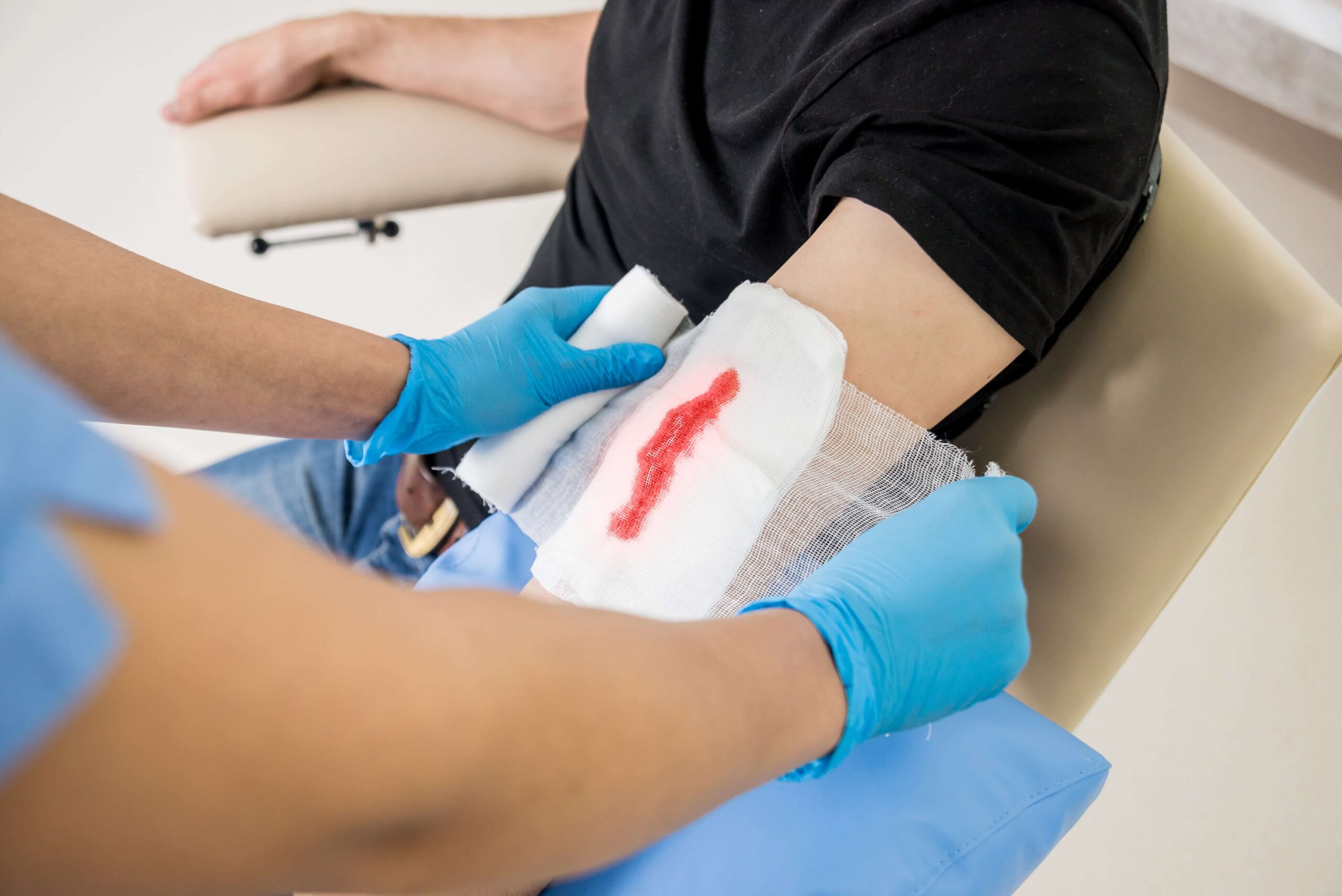
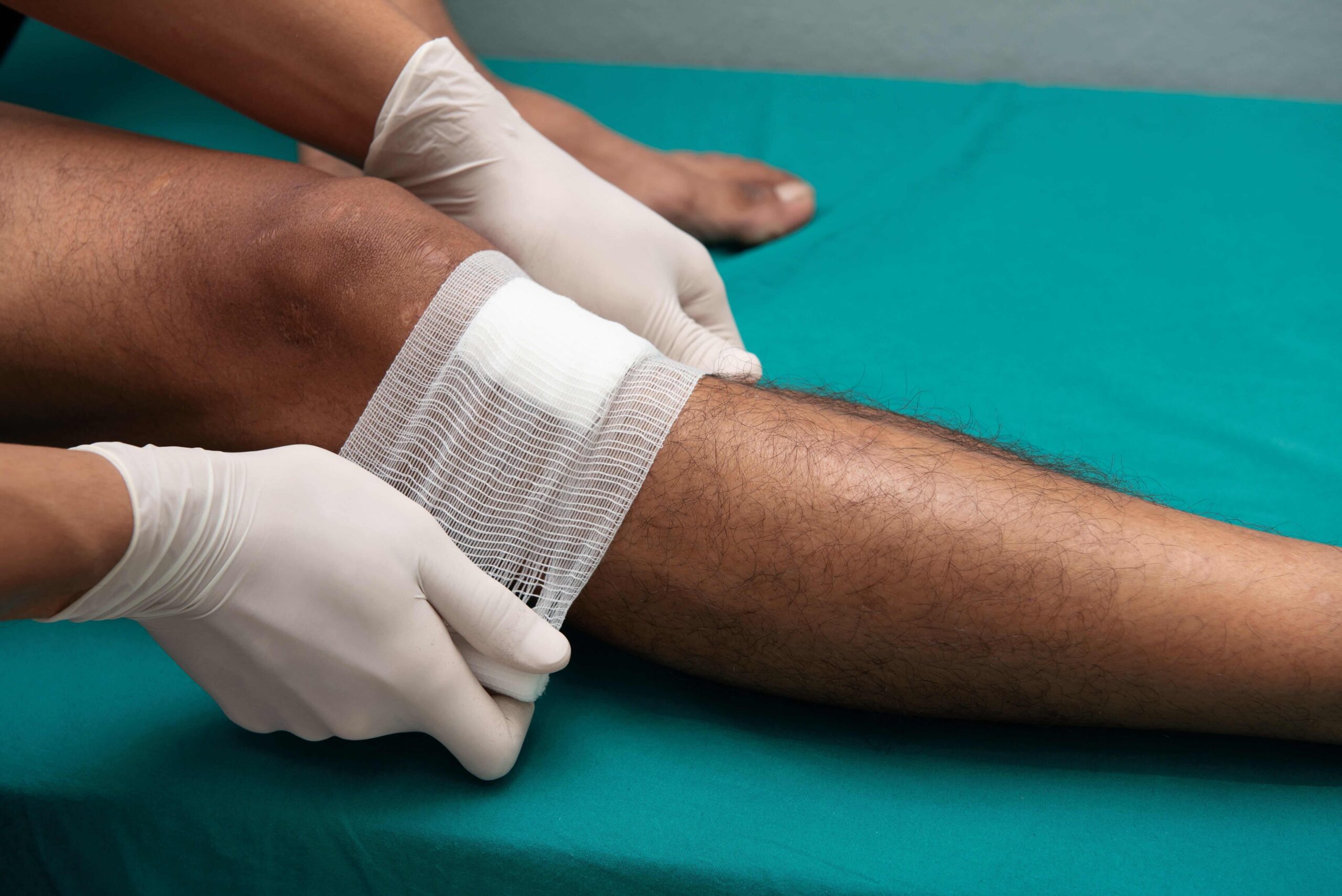
Peeking under a dressing to check how a wound is healing disrupts the environment necessary for recovery. Wounds heal best in a moist and covered setting. Removing the dressing prematurely can expose the wound to bacteria and delay progress.
Antibiotic ointments can be helpful, but overuse may irritate the wound or cause further skin issues. Some individuals also apply heavy creams indiscriminately, which can block oxygen flow, critical for healing.
Sometimes, people underestimate the severity of their wounds. Not seeking professional medical care leads to untreated infections, chronic wounds, or complications like cellulitis or sepsis.
Activities that irritate the wound, such as scratching or failing to rest an injured body part, prolong healing time. Even small repetitive injuries to the area can prevent repair.
Underlying conditions like diabetes, poor circulation, or a weakened immune system can delay or even prevent healing. Failing to manage blood sugars, for instance, can result in non-healing diabetic ulcers.
Now that we’ve identified these common pitfalls, it’s important to understand how wounds actually heal and what steps you can take to support that natural process.
The human body has an incredible ability to repair itself, but wound healing function involves a complex series of steps. Here’s a breakdown of how it works.
This is the immediate response to a wound. Your body forms a clot to stop the bleeding and create a barrier against bacteria. This clot consists of platelets and fibrin, which kickstart the healing process.
Once the wound is sealed, your body activates immune cells to clean out bacteria and debris. This is why wounds often appear red, warm, and slightly swollen during the first days. While inflammation is part of the process, excessive inflammation can signal infection.
Now, your body begins to create new tissue to repair the damage. Fibroblasts produce collagen to close the wound, and new blood vessels form to deliver oxygen and nutrients. This phase is essential for rebuilding strength in the affected tissue.
Finally, your body strengthens the newly formed tissue by reorganizing the collagen. While this phase can last weeks for small wounds, larger or chronic wounds may take much longer to fully heal, resulting in scars.
At West Coast Wound Center, we understand that each wound is unique. Our comprehensive approach focuses on the entire person, not just the injury, to provide tailored solutions for optimal healing. Here’s how we can support you.
We offer advanced, evidence-based treatments designed to promote faster and more effective recovery. Some of our services include surgical debridement to remove damaged tissue, compression therapy for conditions like venous ulcers, and skin grafting for severe injuries or burns.
No two wounds are the same, and our specialists understand that healing requires a personalized approach. We consider not only the wound itself but also underlying factors such as medical history, nutrition, and circulation to design a care plan just for you.
Many of our patients struggle with chronic wounds resulting from conditions like diabetes, pressure sores, or venous insufficiency. Our expertise in managing complex wounds ensures that you receive the specialized care your condition requires.
Our team uses state-of-the-art technology to assess and treat wounds. From cryotherapy to reduce inflammation and promote faster healing to telemedicine options for follow-up care, we integrate innovation into everything we do.
We don’t just treat your wounds; we help you avoid future complications. Our team educates patients on proper wound care techniques, lifestyle adjustments, and strategies for managing underlying health conditions.
With both mobile services and clinic locations, we make wound care accessible and convenient. Whether you need a home visit or can visit us in Fresno, Northridge, or Inglewood, we ensure you get the care you deserve without unnecessary hassle.
By focusing on proper care, avoiding preventable mistakes, and working with experienced wound care specialists, you can significantly improve your healing outcomes.
West Coast Wound Center is here to guide you every step of the way. Don’t wait for wounds to worsen or become unmanageable. Contact us today to book an appointment and take another step of healing.
When it comes to wound care, most people think they can tackle it on their own. After all, how complicated can cleaning and covering an injury be? Unfortunately, wound care myths are surprisingly common, often leading to ineffective treatments or prolonged healing. With the rise of DIY solutions and one-size-fits-all advice online, it’s no wonder misinformation continues to circulate.
At West Coast Wound Center, we’ve encountered countless cases where professional care was needed after ineffective home remedies or myths delayed proper healing. Below, we’ll address some of the most common myths surrounding wound care and explain why expert treatment is often the safest and most effective path forward.
One of the most pervasive myths about wound healing is the belief that all wounds can be healed using over-the-counter (OTC) ointments like antibiotic creams or soothing gels. While these products can be helpful in minor cases, they’re not a magical fix for every wound.
The reality is that no single ointment works equally well for all types of wounds. For example, some chronic wounds, like diabetic ulcers, often require advanced treatments such as debridement (removal of dead tissue) or specialized dressing applications, which OTC products simply cannot provide. Using a random over-the-counter solution might mask symptoms temporarily without addressing the root problem, potentially leading to serious complications.
Just because a wound appears clean on the surface doesn’t mean it’s free of danger. Many wounds develop infections or complications that aren’t immediately visible. For example, bacteria like staphylococcus can linger deep beneath the skin, silently thriving until symptoms like redness, swelling, or fever appear.
Our professional wound care providers have the tools and techniques to evaluate wounds comprehensively. They look for warning signs that aren’t visible to the naked eye, ensuring infections or slow-healing wounds are identified and treated early.
You’ve probably seen it in TV dramas or heard it from a well-meaning friend. When faced with a cut or scrape, people often reach for hydrogen peroxide or rubbing alcohol to “disinfect” the area. While these solutions may kill bacteria, they also damage healthy cells essential for healing.
Constant exposure to such harsh chemicals may delay wound closure, increase discomfort, and make the skin more vulnerable to further infections. Instead, gentle cleansing with sterile saline solutions or wound-specific cleaners is recommended to promote safe and effective healing.
Home remedies like honey, coconut oil, or herbal pastes frequently pop up in online searches for wound healing solutions. While some of these natural ingredients have limited scientific backing (like medical-grade honey in controlled environments), attempting DIY applications often poses risks.
The danger lies in the inconsistency of home-prepared remedies. Regular honey from your pantry, for example, isn’t sterile and could introduce harmful bacteria into a wound. Federal standards for medical-grade honey exist for a reason. Relying on professional care reduces these unnecessary risks while offering access to scientifically validated treatments tailored to your wound type.
Another common misconception is that once a wound starts scabbing over, there’s no need for further protection. However, scabs can crack, exposing the wound to bacteria and lengthening the healing process.
Modern wound healing science emphasizes the importance of a moist healing environment for optimal repair. Specialized dressings and bandages protect healing skin from contaminants while maintaining the moisture necessary for cell regeneration. At West Coast Wound Center, we provide state-of-the-art dressing options customized for your needs.
While it’s true that some minor cuts and scrapes heal without intervention, not all wounds can resolve themselves. Chronic wounds, surgical incisions, and burns often require specialized care to avoid complications.
Leaving wounds untreated or delaying professional attention can have severe consequences, including infections, scar tissue build-up, or even amputations in extreme cases. Seeking care from a qualified wound specialist ensures that you receive the right treatment at the right time, preventing minor issues from exacerbating into emergencies.
The internet is full of articles, blogs, and videos offering DIY wound care tips. While this content might seem helpful, it’s important to approach it with caution. Often, these resources lack medical oversight and fail to account for individual factors like age, health conditions, or the type of wound. It’s not like they can know your specific needs.
What works in one scenario can be ineffective or even harmful in another. Trusting anecdotal advice from unverified sources risks delaying proper care, increasing the likelihood of complications. Our team can ensure that every decision is guided by evidence-based practices tailored to you.
With all of our years of experience, we can tell you definitively that no two wounds are the same. That’s just one of the reasons why we offer personalized, holistic care designed to address the full spectrum of your needs.
Here’s what sets us apart from DIY approaches or general solutions you might find elsewhere:
By choosing professional care, you’re investing in better outcomes, reduced risks, and ultimately, peace of mind.
The myths surrounding wound care may be widespread, but that doesn’t mean you have to fall for them. Trusting over-the-counter solutions, anecdotal advice, or unproven home remedies might seem convenient, but they often lead to complications that require far more time and effort to resolve.
When it comes to your health, professional expertise makes all the difference. West Coast Wound Center can make sure you receive the safe, effective, and holistic care you deserve. Contact us today to schedule your appointment and experience the care your wounds need to heal properly.
Long-term care facilities play a crucial role in supporting aging populations and those with complex medical needs. However, when it comes to improving wound healing, even the most well-equipped and managed facilities face significant challenges. Chronic wounds and pressure injuries are particularly common in these settings, often requiring specialized care that extends beyond the general capabilities of in-house staff. We’re here to assist. Our techs can make sure patients receive high-quality, effective treatment tailored to their individual needs.
Residents of long-term care facilities are particularly vulnerable to wounds due to preexisting conditions, limited mobility, and extended bed or chair use. Pressure ulcers, diabetic foot ulcers, and venous or arterial wounds are among the most common issues faced in these environments.
Several factors make managing wound healing a unique challenge in these settings:
Despite sincere efforts, these barriers can make it difficult for long-term care facilities to achieve optimal wound healing outcomes. We can help make those outcomes a reality.
When skilled nursing staff and specialized wound care teams collaborate, it creates a system where every resident benefits. Here, at West Coast Wound Center, we can bring a mobile network of wound care specialists directly to care facilities, offering a highly effective way to address these challenges.
West Coast Wound Center begins each patient interaction with a thorough, on-site evaluation. This process ensures that each resident’s wounds are carefully assessed within the context of their overall health.
Underlying health factors, such as circulation issues or diabetes, are taken into account to tailor a personalized care plan. Diagnosing the root cause of a wound—not just treating its symptoms—is key to promoting faster and more efficient healing.
Wound care is an art as much as a science. West Coast Wound Center takes a multi-pronged approach in treating wounds to ensure thorough and effective healing:
Consistency is critical for wound care. West Coast Wound Center ensures that patients are seen on a schedule that aligns with their individual needs. Follow-up visits allow providers to monitor progress and make real-time adjustments to care plans, optimizing outcomes at every stage of healing.
Our flexibility to coordinate schedules with facility staff means minimal disruption to residents’ routines and ensures clear communication among all stakeholders involved in care.
Collaborating with West Coast Wound Center doesn’t just help residents. Facility staff also benefit in myriad ways, with expertise and resources that enhance operational efficiency:
This support ultimately allows facility staff to dedicate more time to addressing residents’ well-being.
When facilities invest in improving wound care outcomes, the impact is measurable. Residents experience quicker healing, leading to fewer complications, reduced pain, and improved quality of life. Healthier residents mean fewer emergency hospitalizations, improving the facility’s overall performance metrics and reputation.
Additionally, family members and caregivers feel reassured knowing that their loved ones are receiving expert-level treatment tailored to their individual needs. This kind of peace of mind translates into higher satisfaction with the facility overall.
By focusing on holistic care, improved processes, and compassionate treatment, West Coast Wound Center fosters outcomes that benefit every stakeholder involved, from patients and family members to care staff and administrators.
When administrators prioritize collaboration, innovation, and expert-led solutions, they signal to staff, residents, and families that healing matters.
We can bring a new level of expertise, efficiency, and results-driven care to long-term care communities. Our model ensures that geographic location isn’t a barrier, making expert wound care accessible to facilities in even the most underserved regions.
Improving wound healing is never a one-size-fits-all solution. It requires a combination of expert services, attention to detail, and collaboration. By closing gaps in wound care and providing advanced treatments tailored to each resident’s unique needs, we create a future where healing doesn’t just happen faster but happens better.
We very well may be able to elevate the quality of care your residents receive. Together, we can make healing accessible, holistic, and above all, effective. Reach out today and see how we can help.
Medicare provides essential coverage for millions of Americans needing wound care, but navigating the system often creates unnecessary barriers to proper treatment. While Medicare does cover many wound healing services, strict requirements, limited provider networks, and complex billing processes can delay critical care. West Coast Wound Center bridges this gap by offering specialized wound care solutions (including mobile ones) that work while providing the expert attention patients truly need.
Medicare Part B covers wound care services deemed medically necessary, including:
However, coverage comes with significant limitations that can hinder wound healing progress:
Medicare demands extensive documentation to prove medical necessity, often requiring:
This administrative burden can lead to delayed approvals and interrupted treatment plans.
Medicare often caps the number of covered wound care visits, forcing providers to either:
Many wound care specialists don’t accept Medicare assignment, leaving patients with few quality options in-network.
These bureaucratic hurdles create real clinical consequences:
The average Medicare prior authorization takes more than a week to process – critical time lost for wounds that require immediate, consistent care.
Many providers default to conservative treatments (basic dressings rather than advanced modalities) to avoid claim denials.
Patients may be discharged from wound care programs once Medicare benefits are exhausted, regardless of healing status.
Our mobile wound care team understands how to work within Medicare’s framework while delivering exceptional care:
Our specialists are trained in Medicare’s precise documentation requirements, ensuring:
We help patients:
While following Medicare rules, we still provide:
For homebound or facility-bound patients, our mobile services solve key Medicare challenges:
Traditional wound clinics require patients to travel for care – often impossible for those with limited mobility. Our mobile unit brings care to them, ensuring consistent treatment.
By providing wound healing services at home, we help avoid costly hospitalizations that Medicare penalizes facilities for.
We coordinate with primary care providers to maintain seamless treatment records that satisfy Medicare requirements.
Behind the Medicare policies are real patients suffering needlessly:
West Coast Wound Center’s model addresses these human factors by:
West Coast Wound Center specializes in bringing expert wound healing directly to patients—whether they’re at home, in assisted living, or at long-term care facilities. Our mobile team of certified wound care specialists provides comprehensive treatments that go beyond basic care, including advanced debridement, infection management, specialized dressings, and personalized healing plans. For patients and families navigating complex Medicare requirements, we simplify the process by handling documentation, maximizing coverage, and ensuring treatments aren’t delayed by red tape.
For loved ones, our services offer peace of mind—no more stressful trips to clinics or gaps in care. We work closely with caregivers, training them on proper wound maintenance between visits to prevent complications. Whether a wound is stalled in healing or requires advanced intervention, our care model removes barriers, delivering the right care at the right time. If Medicare limitations or mobility challenges have made wound recovery difficult, West Coast Wound Center provides the solution: specialized healing, wherever it’s needed most. Reach out today to schedule an appointment.
While Medicare creates challenges, proper navigation can still yield excellent wound healing outcomes. The key lies in partnering with providers who:
West Coast Wound Center’s mobile specialists bring this balanced approach directly to patients, ensuring Medicare coverage works as intended – to facilitate healing rather than hinder it. For those struggling with non-healing wounds and Medicare frustrations, our team provides the expertise and accessibility needed to achieve real results.
When patients enter hospitals with severe wounds, they may be stabilized, but true wound healing often remains elusive. While hospitals excel at acute care, they face systemic challenges in achieving real and lasting wound recovery. This gap in care leaves many patients cycling between facilities and home without ever fully healing. West Coast Wound Center solves this problem by providing wound care that continues the healing process hospitals start but often can’t finish. A wound care specialist can help in a variety of ways.
Hospitals provide essential wound stabilization through:
However, several factors prevent hospitals from achieving complete wound healing:
The average hospital stay for wound patients is usually only a few days – barely enough time to control infection, let alone achieve meaningful healing. Patients are often discharged with “improved” but unhealed wounds.
While hospitals have wound care teams, they’re typically stretched thin across entire facilities. The brief daily wound checks common in hospitals pale in comparison to the focused attention chronic wounds recovery require.
Despite the best efforts of all involved, H=hospital-acquired infections affect patients daily. For wound patients, this means constant exposure to dangerous pathogens that can undermine healing progress.
Many patients transition from hospitals to SNFs (Skilled Nursing Facilities), but these institutions face their own healing barriers:
The average SNF nurse cares for many patients simultaneously, making consistent wound monitoring nearly impossible.
Most SNFs lack:
SNFs focus on rehabilitation goals rather than wound resolution, often discharging patients when their benefits expire – regardless of wound status. Here at West Coast Wound Care, we can fill that gap.
Our wound care services bridge the gaps left by hospitals and SNFs through:
We embed our specialists directly in partnered SNFs to provide:
Patients transitioning from hospital to home maintain the same wound care team throughout recovery, eliminating dangerous care transitions.
We bring hospital-grade treatments to wherever the patient is, including:
Our “skin sweeps” identify at-risk areas before wounds develop, particularly important for:
For patients sent home with unhealed wounds, West Coast Wound Center provides:
Our mobile units deliver:
We train family members in:
Our specialists coordinate with:
West Coast Wound Center eliminates the geographic and systemic barriers that prevent complete healing by:
Our mobile teams serve patients wherever they reside – no stressful clinic trips required.
We bring the full spectrum of wound therapies directly to:
Our specialists handle the most challenging wounds, including:
Hospitals save lives, but wounds need time and specialized attention to truly heal. West Coast Wound Center provides the missing piece – dedicated wound healing that continues long after discharge. For patients tired of bouncing between facilities without resolution, our mobile specialists deliver the consistent, advanced care needed to finally close the wound healing gap.
If you or a loved one has left a hospital with unhealed wounds, specialized help is available without another institutional stay. West Coast Wound Center brings complete wound healing directly to you – wherever you call home. Make an appointment today.
Wound care is a critical aspect of medical treatment, yet many misconceptions persist about how wounds heal and the best ways to manage them. At West Coast Wound Care, our specialists are dedicated to providing evidence-based treatments to promote optimal healing. In this blog, we’ll debunk some of the most common wound myths and set the record straight.
Many people believe that a scab is a necessary part of the healing process, but this isn’t entirely true. While scabs do form as part of the body’s natural response to injury, they aren’t always the best indicator of proper healing.
At West Coast Wound Care, we use advanced wound dressings that maintain a moist environment, helping wounds heal faster and more effectively.
While keeping a wound clean is essential, excessive dryness can actually hinder the healing process.
Leaving a wound uncovered or allowing it to dry out completely can lead to increased pain, slower recovery, and higher chances of scarring.
Many patients assume that serious wounds must be treated exclusively in a hospital setting, but this isn’t the case. For example, depending upon your location, we can provide specialized treatment in a location of your choosing.
Unless a wound is life-threatening or requires surgical intervention, mobile care is often the best option for efficient and effective healing.
Choosing the right care provider is crucial for effective healing. At West Coast Wound Care, we combine expertise with cutting-edge treatments to address even the most complex wounds.
By understanding the truth behind these wound care misconceptions, you can make informed decisions about treatment and recovery. Proper wound management starts with accurate knowledge. We can guide you toward the best possible outcomes.
If you or a loved one is dealing with a wound that isn’t healing properly, don’t rely on myths—seek expert care. Reach out to see how we can help you achieve faster, healthier healing.
Chronic wounds, such as diabetic ulcers, pressure ulcers, venous ulcers, and arterial ulcers, require specialized attention to heal properly. Without proper wound care services, these conditions can lead to severe complications, including infections and prolonged recovery times. At West Coast Wound Care, patients receive expert treatment tailored to their specific needs. Below are some of the different types of ulcers as well as how we treat them.
Diabetic ulcers are a common complication of diabetes, often appearing on the feet due to poor circulation and nerve damage. Without proper care, these ulcers can become infected or even lead to amputation. Effective wound care services for diabetic ulcers include:
Pressure ulcers, also known as bedsores, develop when prolonged pressure cuts off blood flow to the skin, often in individuals with limited mobility. These ulcers are categorized into stages based on severity:
To treat and prevent pressure ulcers, our services may include:
Consistent monitoring and professional care help avoid complications.
Venous ulcers occur due to poor blood circulation in the legs, often from chronic venous insufficiency. These ulcers are typically found around the ankles and may be painful or slow to heal. Effective care services for venous ulcers include:
Without treatment, venous ulcers can recur. A structured care plan helps manage symptoms and promotes long-term recovery.
Arterial ulcers result from inadequate blood supply, usually due to peripheral artery disease (PAD). These ulcers often appear on the feet or toes and are characterized by:
Wound care services for arterial ulcers focus on restoring circulation and preventing further damage:
Since arterial ulcers are closely tied to circulation issues, managing underlying conditions is essential for healing.
Chronic wounds, including diabetic ulcers, pressure ulcers, venous ulcers, and arterial ulcers, require specialized attention to heal effectively. At West Coast Wound Care, our services are designed to address the unique challenges of each wound type while promoting faster recovery and reducing the risk of complications.
Every patient is different. However, care usually includes:
Before any treatment begins, our specialists conduct a thorough evaluation to determine the wound’s underlying cause and severity. This includes:
A precise diagnosis ensures that the treatment plan targets the root problem, not just the symptoms.
No two wounds are the same, which is why we develop individualized care strategies. Our coordinated effort ensures that all factors affecting wound healing—circulation, infection control, nutrition, and mobility—are addressed.
We incorporate the latest evidence-based treatments to enhance healing, including:
We put together the right treatment plan for your exact, specific needs.
Long-term success depends on proper at-home care. Our team provides clear guidance on:
Healing is a process, and continuous evaluation ensures progress. We schedule regular check-ups to:
Without professional wound care, ulcers can worsen, leading to severe infections, prolonged pain, and worse. Early intervention and a structured treatment plan significantly improve outcomes.
If you or a loved one is dealing with a non-healing wound, seeking expert wound care services can make all the difference. Our goal is not just to treat the wound but to restore quality of life through personalized, science-backed care.
When dealing with chronic or complex wounds, proper medical attention is crucial. While minor cuts and scrapes may heal on their own, more serious wounds—such as diabetic ulcers, pressure sores, or surgical wounds—require expert care. A wound care specialist provides advanced wound care treatment tailored to your unique needs, ensuring faster healing and reducing the risk of complications. Specialized wound care has many advantages over a more generalized level of treatment.
When it comes to wound healing, a one-size-fits-all approach simply doesn’t work. Every wound is unique, influenced by factors like its cause, location, depth, and the patient’s overall health. A wound care specialist doesn’t just treat the wound—they treat you as an individual, crafting a personalized treatment plan that addresses all the variables affecting your healing.
Different wounds require different approaches. A specialist begins by thoroughly assessing the wound’s characteristics:
Your overall health plays a major role in wound healing. A wound care specialist considers:
Healing isn’t just about medicine—it’s about your daily life. Specialists assess:
Based on this comprehensive assessment, your specialist develops a tailored plan. Your plan will be exactly that, specialized. But, it can include:
Wound care isn’t just about dressing a wound—it’s about addressing the whole person. A wound care specialist looks beyond the injury itself to identify and treat underlying issues that may impede healing.
By treating the whole person—not just the wound—specialists improve both healing outcomes and overall quality of life.
Wound healing is a dynamic process, and what works at one stage may not be effective later. A wound care specialist continuously monitors progress and adjusts treatment as needed.
Unlike a one-size-fits-all approach, specialized wound care treatment evolves with your healing journey, ensuring the best possible outcome.
If you think it’s worth reaching out for professional care, it is. However, some signs that you should probably do so include:
If you or a loved one is experiencing any of these issues, seeking a wound care specialist can prevent complications and support faster healing.
Always, our team is dedicated to providing the highest standard of wound care treatment, tailored to each patient’s needs. Whether you’re dealing with a slow-healing injury or a chronic wound, expert care can make all the difference in your recovery journey.
By understanding the importance of specialized wound care, you can take proactive steps toward better healing and long-term health. Don’t leave wound recovery to chance—trust the experts to guide you toward optimal results.
A wound care specialist’s expertise ensures every factor—from your mattress to your medication list—is optimized for healing.
This meticulous, patient-centered approach is what sets specialized wound care treatment apart. Your wound isn’t just a problem to cover up—it’s a puzzle to solve with precision. Reach out today to see how we can help your healing.
Proper wound care begins the moment an injury occurs. While serious wounds require professional medical attention, many minor cuts, scrapes, and burns can be effectively managed at home with the right approach. Understanding the correct care steps can help prevent infection, speed up healing, and minimize scarring. Following these steps can help when something occurs.
The proper immediate response can mean the difference between a simple healing process and a complex medical situation. You should:
Before touching the wound, evaluate:
This quick assessment helps determine if you can treat it at home or need emergency care.
For most minor wounds:
Covering a wound helps protect it from bacteria and further injury. However, not all bandages are the same—choosing the right one matters.
The right bandage depends on the wound type, location, and stage of healing. Changing it regularly is just as important as the initial application.
If bleeding is minimal and wound is dirty:
Until proper cleaning and dressing can be done:
Keeping a wound clean means replacing bandages as needed. A dirty or soaked bandage can trap bacteria and slow healing.
Regular bandage changes help monitor healing progress and prevent complications.
The first moments after injury are often stressful. Remember:
At West Coast Wound Care, we know those first critical minutes set the stage for healing. By following these evidence-based steps, you’re giving your wound the best chance for proper recovery. However, if you’re ever uncertain about the severity of an injury, it’s always wisest to seek professional evaluation.
By following these wound care steps at home, you can promote faster recovery and reduce the risk of complications. Proper care starts at home, but expert intervention ensures the best possible outcomes when needed.
However, if a wound shows signs of infection or isn’t healing properly, don’t hesitate to seek professional help. That’s where we can come in. Contact us today to schedule an appointment.
Have you heard the term “holistic wound care treatment” and wondered exactly what that means? “Holistic” is one of those words that are often included in medical care articles that just assumes the reader knows what it means in this context. Or, alternatively, it can be one of those words that’s just included because it sounds good. That’s not how things work here at West Coast Wound Care. We provide real, genuine holistic wound care treatment. We always treat the whole person and not just their wounds.

Really, that’s what “holistic wound care” is – care that doesn’t just treat the wound. That may sound obvious, like something that any wound care would do. However, that’s often not the case. All too often, the wound care just treats the wound. That’s it. That means the medical professionals will focus everything they do just on the wound and nothing else.
Now, that can be somewhat effective. For a time. The wound might improve. It may even heal for a while. But, this does nothing to change what led to the wound. The patient’s habits, their life, and so forth – that goes unaddressed. As such, there’s a strong possibility that the wound could return.
Beyond that, this also doesn’t address how the patient feels, their emotions, and so forth. Yes, it feels great, of course, for the wound to be improved. But, holistic wound care focuses not just on the physical but the psychological as well.
Holistic wound care can treat the entire wound by looking at the entire person. For example, every patient is more than just their wound. They lived their life before they suffered the wound and they’ve been living their life with the wound. So, we make sure to learn a patient’s entire medical history.
This includes everything about the wound, yes, but it also takes into account any chronic conditions they may have, wounds they may have suffered previously, any medications they’re currently using (or previously used), as well as all other health issues, no matter how minor. Why? Because all of this could potentially influence the healing of their wounds.
All of that having been said, that’s just the physical. Holistic wound care always takes into account the patient’s psychological state as well. So, we always learn about the patient’s stressors, any mental health struggles they may have, in addition to their living conditions, habits, and more.
Then, with all of that in mind, we’re able to put together wound care treatment that’s right for them. Wound care that just takes the physical into account misses so much, as it can’t truly be customized to a patient’s needs. We use all of this to make treatments that are exactly right for our patients.
The goal of our holistic care is to heal the wound, yes, but it’s also to heal the person, too. So, as part of this, we set treatment goals, too. That way, we’re able to build a plan that helps the person to feel better and live better at the same time.
For example, maybe you or someone you love suffers a wound to their leg. So, we want to treat that wound so that it heals, yes. But, we also want you to have the fullest range of mobility possible, to be able to live how you want. That’s all part of our wound care, too.
To see how we can help, reach out to us so you can make an appointment.
Convenient, tailored treatment in a place of your choosing so you don’t have to go to a physical location. Those are the benefits of mobile wound care that most people know about. However, there’s so much more to having wound care that comes to you than just that. Here at West Coast Wound Care, we’ve provided wound care to so many that has enriched their lives in many ways.

These are some of the benefits of Mobile wound Care on your terms. There are many others.
When you go to a medical facility for your care, you do so on their schedule. Sure, many will provide you with some scheduling options which you can choose from. However, it’s still you going to them, you coming to their facility at a time that they can see. Wound care that comes to you, on the other hand, provides a better option.
Our wound care is more flexible. You can schedule our services around your life, around your time. That doesn’t mean we can come at any time, but it does mean that we’ll always work with you so as to fit your schedule best. Through this, you can be in charge of your own treatment schedule as well as your life.
Even the nicest, most professional, most well-maintained medical facility can have its flaws. “Facility-acquired infections” are, unfortunately, very real. When you have your wound care come to you, you don’t have to worry about that. Moreover, you can make your continuity of care that much easier to keep up, too.
Our healthcare providers can come to you and, by doing so, better monitor how your wound is progressing in real time. There’s no waiting to go to a medical facility, nothing like that. Instead, our professionals can look at your wound and then make adjustments as needed. This can make the healing process go that much faster.
Think about everything that receiving treatment at a medical facility entails. Getting up, dressed, into a vehicle, sitting in traffic, parking, going into the facility, waiting, getting treatment, and then doing almost all of that in reverse. That takes up both a lot of time as well as a lot of money.
Our wound care is mobile, yes, but it’s also designed to be just as good as what you would receive in a medical facility. Many of our clients, for example, have chronic conditions. These require personalized attention, effective treatments, and cutting edge technology utilized by experienced professionals. Going to a facility for every single chronic condition treatment can create plenty of problems. We keep that from happening.
Many have a misconception that wound care which comes to their home must be limited in some way. It either must be limited in terms of what it treats, or limited in terms of how it treats wounds, or something of that nature. Nothing could be further from the truth. We offer advanced wound care which uses cutting edge tech and more.
Despite the name, here at West Coast Wound Care, we treat more than just those on the West Coast. At our site, you can see that we can actually treat many in several regions throughout the country. Of course, we don’t just offer mobile wound care – we also have medical facilities that our patients can go to for their treatment as well. To see how we can help, schedule an appointment.