
Obesity can delay or even stop wound healing. Additionally, obesity increases the risk of diabetes, heart disease, infection, and more. Obesity is a growing epidemic around the world, affecting millions of people.
Beyond that, obesity can also cause psychological suffering, physical limitations, and a lower overall quality of life.
Millions of people around the world are affected by obesity. It is a serious public health issue.
West Coast Wound & Skin Care includes nutrition in every wound treatment. Holistic treatment includes weight management and similar factors.
How does obesity affect wound healing?
Obesity can significantly delay or even stop the wound healing process. Excess fat tissue contributes to chronic inflammation and reduced immune function, both of which slow recovery. It also limits blood flow, reducing the oxygen and nutrients needed for proper healing.
Why does obesity increase the risk of wound infections?
Obesity can impair the immune system, making it harder for the body to fight off bacteria. Reduced circulation also means fewer immune cells reach the wound site. Together, these factors increase the likelihood of infection and complications.
What role does nutrition play in wound healing for individuals with obesity?
Proper nutrition is essential for tissue repair and recovery. Many individuals with obesity experience nutrient deficiencies that can slow healing. Vitamins, minerals, and balanced dietary intake support the body’s ability to rebuild tissue and fight infection. Both our centers as well as our mobile wound care can put together a nutrition plan. 
Obesity: An Overview
Essentially, obesity is a surplus of body fat that severely impacts health. The BMI (body mass index), a measurement of body fat based on weight and height, is used to calculate the condition.
According to the Centers for Disease Control and Prevention (CDC), a BMI of 30.0 or higher classifies someone as within the obesity range.
The World Health Organization (WHO) reports that since 1975, the global rate of obesity has tripled.
Obesity Causes
Genetic, environmental, and behavioral variables among other root causes can all contribute to obesity. Sedentary behavior, a calorie-dense diet, heredity, particular drugs, and underlying medical disorders are just a few of the potential causes.
The Impact Of Obesity On Wound Healing
Obesity affects the wound healing process.
The excess fat tissue in the body can lead to chronic inflammation, which can slow down the healing process. Inflammation can also impair the immune response, which serves to further delay wound healing.
Hemostasis, inflammation, proliferation, and remodeling are typically used to classify the stages involved in the wound healing process. As immune cells remove pathogens and debris during inflammation, platelets form clots to stop bleeding during hemostasis.
The proliferation stage is characterized by the growth of new tissue, whereas the maturation and remodeling of new tissue characterize the remodeling stage. Obesity can make healing that much more challenging.
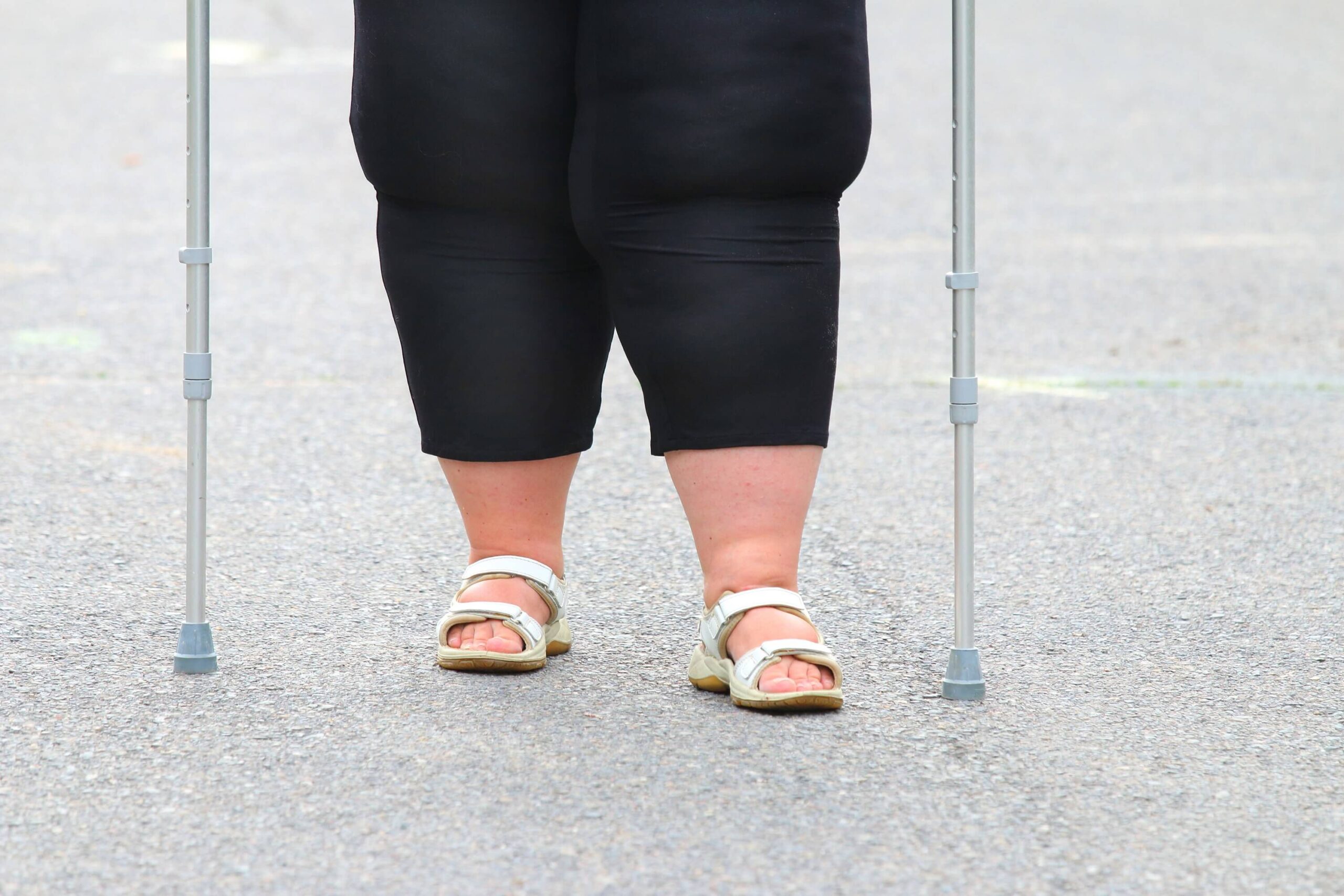
Moreover, body fat or adipose tissue can cause poor circulation, leading to limited blood supply to the wound site. This can reduce the delivery of much needed nutrients and oxygen to the wound. That can increase the risk of infection and lead to further complications.
Poor nutrition and malnutrition are frequently linked to obesity, which has been associated with slower wound healing. The healing process depends on proper nutrition, and vitamin and mineral deficits slow down the process.
Obesity can also result in other comorbidities. These include:
Vascular Insufficiency
This can negatively affect wound healing and play a major role in the development of certain chronic wounds. As adipose tissue grows in those struggling with obesity, it puts added stress on the circulatory system. This results in vascular insufficiency, inflammation, delayed angiogenesis, and poor oxygenation. All of which can slow wound healing.
Impaired Immune Function
The immune system may be compromised by obesity, making it more challenging for the body to fight illnesses. This raises the possibility of wound infections, which can slow healing and cause further problems.
Chronic Inflammation
Chronic low-grade inflammation linked to obesity slows the healing of wounds. Overproduction of cytokines because of chronic inflammation can obstruct the healing process.
Reduced Blood Supply
Obesity decreases blood flow to a wound. This hinders the delivery of nutrients and oxygen. As a result, the healing process is slowed down.
Research on the Effects of Obesity On Wound Healing
- According to a review on ‘Obesity and Surgical Wound Healing’, “[obesity] induces complex negative effects on multiple organ system functions and processes, including issues related to wound healing.”
- This was supported by an article published in ‘Advances in Wound Care’which concluded that obesity, along with diabetes and other conditions can lead to a low inflammatory state potentially impairing wound healing and resulting in a higher risk of infection, prolonged pain, and other issues.
- Obesity has been associated with a greater risk of surgical site infection due to delayed wound healing, with some studies showing the risk increases five-fold.
- The Journal of Dermatology and Skin Science found that 50% of individuals with obesity display skin changes including skin infections, with Staphylococcal and streptococcal infections being the most common.
The Link Between Obesity, Diabetes and Wound Healing
Obesity and diabetes can both have a significant negative impact on wound healing.
Obesity can increase the risk of developing type 2 diabetes, a condition characterized by high blood sugar levels. Diabetes can further complicate wound healing, leading to delayed healing, infections, and other complications.
In fact, diabetic patients are more likely to develop chronic wounds than non-diabetic patients.
Managing wounds in obese patients with diabetes requires a comprehensive approach that addresses all conditions, even the underlying ones. Wound care specialists work closely with patients to manage their weight, blood sugar levels, and other underlying conditions such as hypertension and high cholesterol.
This may involve dietary changes, medication management, and regular physical activity.
Strategies To Improve Wound Healing In Obese Patients
Despite the challenges posed by obesity, there are ways to improve wound healing outcomes in obese patients. Wound specialists can help outline a treatment plan and lifestyle changes to follow. These can include:
Early Intervention
Wound Care Strategies
Safe, Managed Weight Loss
Proper Nutrition
Regular Exercise

Treatment for Obesity and Much More
Wound treatment shouldn’t just focus on the wound. Rather, it should take into consideration the most important factors that affect healing including overall health.
We understand the crucial impact obesity and poor nutrition can have on healing. As such, we always take a holistic and integrated approach to your wound care.
How are obesity and diabetes connected in relation to wound healing?
Obesity increases the risk of developing type 2 diabetes, which further complicates wound healing. High blood sugar levels can damage blood vessels and reduce circulation. This combination often leads to slower healing and a higher risk of chronic wounds.
What strategies can help improve wound healing in patients with obesity?
A comprehensive approach that includes early intervention, proper wound care, and lifestyle changes can improve outcomes. Weight management, balanced nutrition, and regular physical activity all play important roles. Addressing underlying conditions like diabetes or vascular issues is also essential for effective healing.
