[fusion_builder_container hundred_percent=”no” equal_height_columns=”no” menu_anchor=”” hide_on_mobile=”small-visibility,medium-visibility,large-visibility” class=”” id=”” background_color=”” background_image=”” background_position=”center center” background_repeat=”no-repeat” fade=”no” background_parallax=”none” parallax_speed=”0.3″ video_mp4=”” video_webm=”” video_ogv=”” video_url=”” video_aspect_ratio=”16:9″ video_loop=”yes” video_mute=”yes” overlay_color=”” video_preview_image=”” border_color=”” border_style=”solid” padding_top=”” padding_bottom=”” padding_left=”” padding_right=”” type=”legacy” admin_toggled=”no”][fusion_builder_row][fusion_builder_column type=”2_3″ layout=”1_1″ background_position=”left top” background_color=”” border_color=”” border_style=”solid” border_position=”all” spacing=”yes” background_image=”” background_repeat=”no-repeat” padding_top=”” padding_right=”” padding_bottom=”” padding_left=”” margin_top=”0px” margin_bottom=”0px” class=”” id=”” animation_type=”” animation_speed=”0.3″ animation_direction=”left” hide_on_mobile=”small-visibility,medium-visibility,large-visibility” center_content=”no” last=”false” min_height=”” hover_type=”none” link=”” border_sizes_top=”” border_sizes_bottom=”” border_sizes_left=”” border_sizes_right=”” first=”true” spacing_right=”2.6666666666666665%”][fusion_text columns=”” column_min_width=”” column_spacing=”” rule_style=”default” rule_size=”” rule_color=”” content_alignment_medium=”” content_alignment_small=”” content_alignment=”” hide_on_mobile=”small-visibility,medium-visibility,large-visibility” sticky_display=”normal,sticky” class=”” id=”” margin_top=”” margin_right=”” margin_bottom=”” margin_left=”” font_size=”” fusion_font_family_text_font=”” fusion_font_variant_text_font=”” line_height=”” letter_spacing=”” text_color=”” animation_type=”” animation_direction=”left” animation_speed=”0.3″ animation_offset=””]

Diabetic foot ulcers are a significant complication of diabetes, representing a considerable burden on individuals’ health and healthcare systems worldwide. Understanding the stages of diabetic ulcers is crucial for timely intervention and effective management.

What is a Diabetic Ulcer?

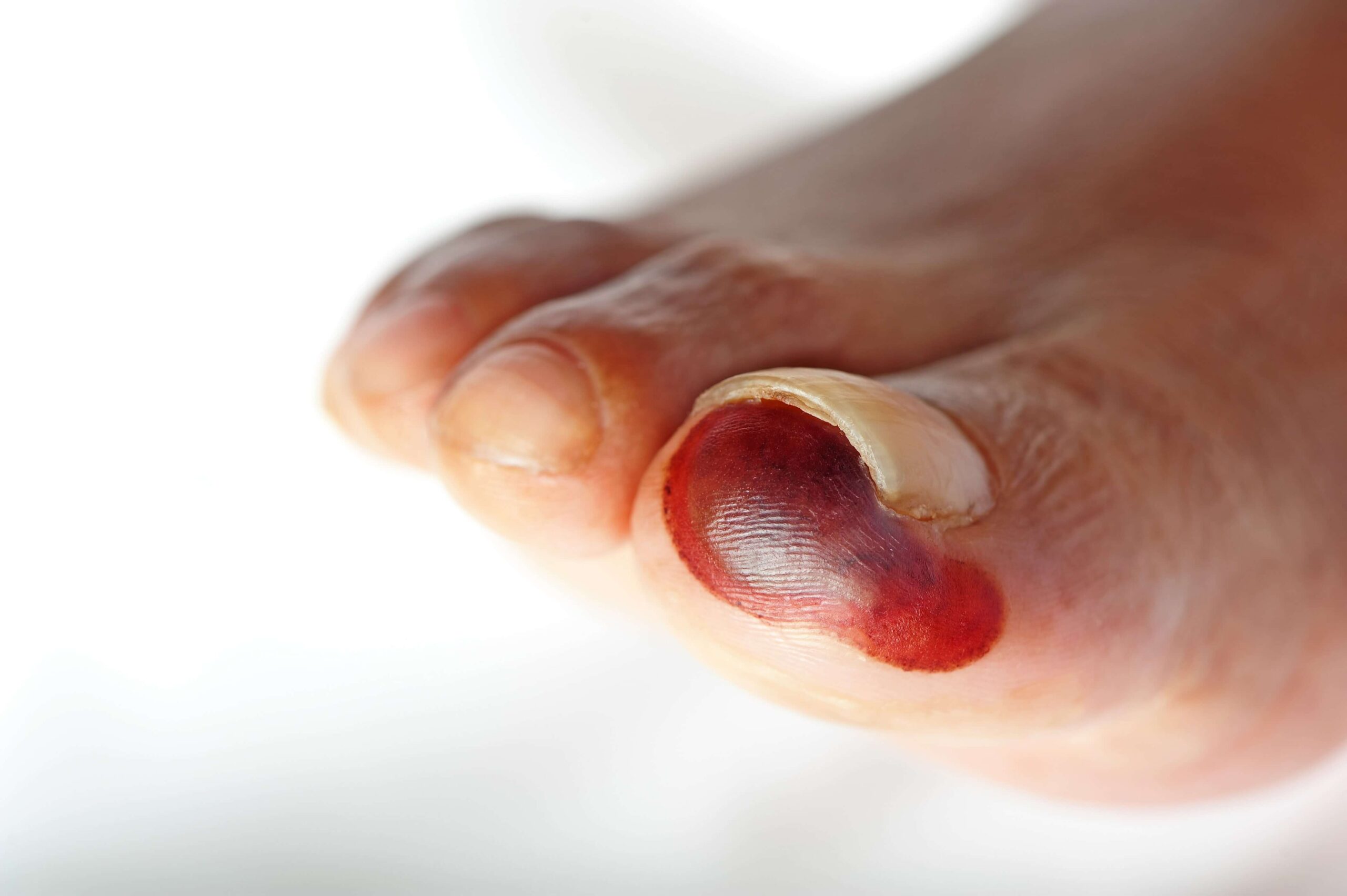
diabetic foot ulcerA diabetic ulcer is a chronic wound that develops on the feet of individuals with diabetes. These ulcers typically occur on pressure points of the foot, such as the ball of the foot or the heel, and are often preceded by trauma or injury. Due to factors such as neuropathy, peripheral arterial disease, and impaired immune function, individuals with diabetes are more prone to developing foot ulcers. These wounds have a slow healing rate and can lead to severe complications if not properly managed.

How Serious is a Diabetic Ulcer?

Diabetic ulcers are a serious medical condition that can lead to severe complications if left untreated. These ulcers have the potential to become infected, which can result in tissue damage, gangrene, and in severe cases, amputation. Moreover, individuals with diabetes who develop foot ulcers have an increased risk of developing further complications such as osteomyelitis (bone infection) and Charcot foot (a condition characterized by weakening of the bones in the foot). As such, it is essential to take diabetic foot ulcers seriously and seek prompt medical attention at a wound care center if you believe you have one.

Stages of Diabetic Ulcers

Diabetic ulcers progress through distinct stages, each with its own characteristics and implications for treatment. Understanding these stages is essential for wound care specialists to develop appropriate treatment plans and for individuals with diabetes to recognize the severity of their condition.

Stage 1: Pre-ulcerative Lesion

At this initial stage, the skin may appear intact but is at risk of breaking down due to underlying tissue damage. Common signs may include redness, warmth, and swelling in the affected area. Individuals may also experience pain or discomfort, particularly during walking or pressure on the foot. Pre-ulcerative lesions require prompt intervention to prevent progression to a full-thickness ulcer.

Stage 2: Superficial Ulceration

In stage 2, the ulcer extends through the epidermis (outer layer of skin) and into the dermis (deeper layer of skin). The wound may appear shallow, with a pink or red base and minimal drainage. However, infection risk is present, and proper wound care is essential to prevent complications. Offloading pressure from the ulcer site and maintaining a moist wound environment are also critical at this stage.

Stage 3: Deep Ulceration

As the ulcer progresses, it extends deeper into the subcutaneous tissue, potentially exposing tendons, ligaments, or even bones. Stage 3 ulcers are characterized by a crater-like appearance with undermining of the surrounding tissue. Drainage may increase, and signs of infection, such as purulent discharge and foul odor, may be present. Aggressive wound debridement and infection control measures are necessary to facilitate healing and prevent further tissue damage.

Stage 4: Gangrene and Tissue Necrosis

In the most severe cases, diabetic ulcers can progress to stage 4, characterized by extensive tissue necrosis and gangrene. At this stage, the risk of limb loss is high, and urgent medical intervention is required. Tissue viability assessment, vascular imaging, and surgical consultation may be necessary to determine the extent of tissue loss and salvageable options.

Common Symptoms of Diabetic Foot Ulcers

As referenced above, the symptoms of diabetic foot ulcers may vary depending on the severity and stage of the ulcer. That said, a few common symptoms can include:

It is important to note that individuals with diabetic neuropathy may not experience significant pain or discomfort, even if an ulcer is present. Therefore, regular foot examinations are essential for early detection and intervention.

What Causes Diabetic Foot Ulcers?

Several factors contribute to the development of diabetic foot ulcers:

Diabetic Ulcer vs. Arterial Ulcer

While both diabetic ulcers and arterial ulcers are types of chronic wounds that commonly affect the lower extremities, there are key differences between the two conditions:

Diabetic Ulcer:

Arterial Ulcer:

Diabetic Foot Ulcer Treatment and Wound Care

specialist caring for a diabetic footThe treatment of diabetic foot ulcers requires a comprehensive approach aimed at promoting wound healing, preventing infection, and addressing underlying risk factors. The following are key components of diabetic ulcer management:

Tips For Preventing Diabetic Foot Ulcers

Prevention is key in reducing the risk of diabetic foot ulcers and their associated complications. Here are a few strategies that can help individuals with diabetes maintain optimal foot health:

The Journey to Healing and Recovery

Diabetic ulcers represent a significant challenge in the management of individuals with diabetes, requiring timely intervention and comprehensive care to prevent complications. By understanding the stages of diabetic ulcers and implementing appropriate management strategies, wound care specialists can improve outcomes and quality of life for those living with diabetes.

For personalized care and expert management of diabetic ulcers, contact West Coast Wound Center today. Our experienced team is dedicated to providing comprehensive treatment and support to individuals living with diabetes.

Don’t let diabetic ulcers impact your quality of life—reach out to us now to schedule an appointment and take the first step toward healing and recovery.

[/fusion_text][/fusion_builder_column][fusion_builder_column type=”1_3″ layout=”1_3″ spacing=”” center_content=”no” link=”” target=”_self” min_height=”” hide_on_mobile=”small-visibility,medium-visibility,large-visibility” class=”” id=”” hover_type=”none” border_color=”” border_style=”solid” border_position=”all” border_radius=”” box_shadow=”no” dimension_box_shadow=”” box_shadow_blur=”0″ box_shadow_spread=”0″ box_shadow_color=”” box_shadow_style=”” padding_top=”” padding_right=”” padding_bottom=”” padding_left=”” margin_top=”” margin_bottom=”” background_type=”single” gradient_start_color=”” gradient_end_color=”” gradient_start_position=”0″ gradient_end_position=”100″ gradient_type=”linear” radial_direction=”center center” linear_angle=”180″ background_color=”” background_image=”” background_image_id=”” background_position=”left top” background_repeat=”no-repeat” background_blend_mode=”none” animation_type=”” animation_direction=”left” animation_speed=”0.3″ animation_offset=”” filter_type=”regular” filter_hue=”0″ filter_saturation=”100″ filter_brightness=”100″ filter_contrast=”100″ filter_invert=”0″ filter_sepia=”0″ filter_opacity=”100″ filter_blur=”0″ filter_hue_hover=”0″ filter_saturation_hover=”100″ filter_brightness_hover=”100″ filter_contrast_hover=”100″ filter_invert_hover=”0″ filter_sepia_hover=”0″ filter_opacity_hover=”100″ filter_blur_hover=”0″ last=”true” border_sizes_top=”0″ border_sizes_bottom=”0″ border_sizes_left=”0″ border_sizes_right=”0″ first=”false” spacing_left=”1.3333333333333333%”][fusion_widget_area name=”avada-blog-sidebar” title_size=”” title_color=”” background_color=”” padding_top=”” padding_right=”” padding_bottom=”” padding_left=”” hide_on_mobile=”small-visibility,medium-visibility,large-visibility” class=”” id=”” /][/fusion_builder_column][/fusion_builder_row][/fusion_builder_container]

[fusion_builder_container hundred_percent=”no” equal_height_columns=”no” menu_anchor=”” hide_on_mobile=”small-visibility,medium-visibility,large-visibility” class=”” id=”” background_color=”” background_image=”” background_position=”center center” background_repeat=”no-repeat” fade=”no” background_parallax=”none” parallax_speed=”0.3″ video_mp4=”” video_webm=”” video_ogv=”” video_url=”” video_aspect_ratio=”16:9″ video_loop=”yes” video_mute=”yes” overlay_color=”” video_preview_image=”” border_color=”” border_style=”solid” padding_top=”” padding_bottom=”” padding_left=”” padding_right=”” type=”legacy” admin_toggled=”no”][fusion_builder_row][fusion_builder_column type=”2_3″ layout=”1_1″ background_position=”left top” background_color=”” border_color=”” border_style=”solid” border_position=”all” spacing=”yes” background_image=”” background_repeat=”no-repeat” padding_top=”” padding_right=”” padding_bottom=”” padding_left=”” margin_top=”0px” margin_bottom=”0px” class=”” id=”” animation_type=”” animation_speed=”0.3″ animation_direction=”left” hide_on_mobile=”small-visibility,medium-visibility,large-visibility” center_content=”no” last=”false” min_height=”” hover_type=”none” link=”” border_sizes_top=”” border_sizes_bottom=”” border_sizes_left=”” border_sizes_right=”” first=”true” spacing_right=”2.6666666666666665%”][fusion_text columns=”” column_min_width=”” column_spacing=”” rule_style=”default” rule_size=”” rule_color=”” content_alignment_medium=”” content_alignment_small=”” content_alignment=”” hide_on_mobile=”small-visibility,medium-visibility,large-visibility” sticky_display=”normal,sticky” class=”” id=”” margin_top=”” margin_right=”” margin_bottom=”” margin_left=”” font_size=”” fusion_font_family_text_font=”” fusion_font_variant_text_font=”” line_height=”” letter_spacing=”” text_color=”” animation_type=”” animation_direction=”left” animation_speed=”0.3″ animation_offset=””]Wounds, whether caused by injury, surgery, or medical conditions, require specialized care to promote healing and prevent complications. While some wounds can be managed at home with basic first aid, others may need more extensive treatment from a wound care specialist. In such cases, visiting a wound care center becomes essential. If you’re wondering what to expect during your visit to a wound care center, this guide will walk you through the process, from preparation to post-visit care.

Understanding Wound Care Centers

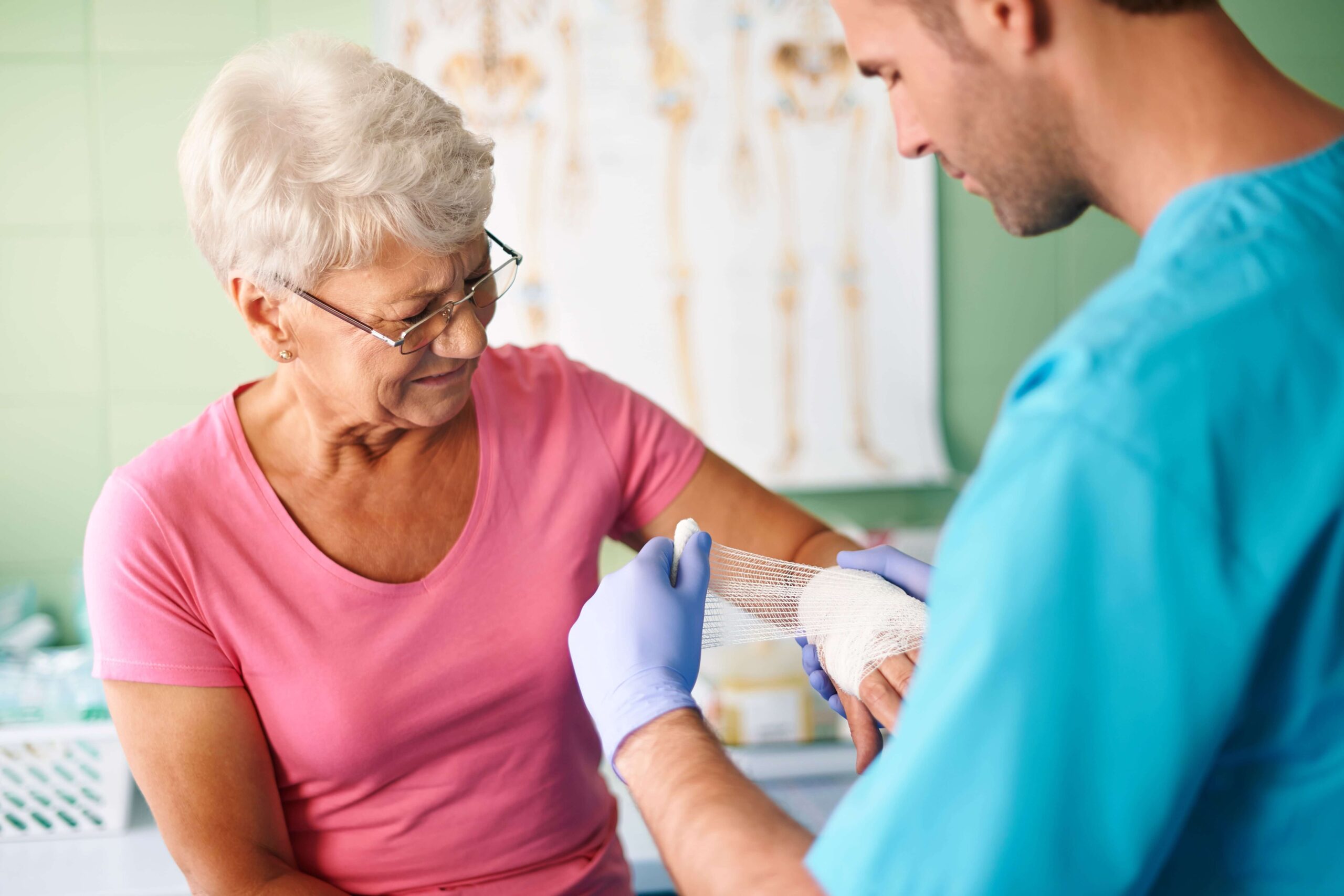
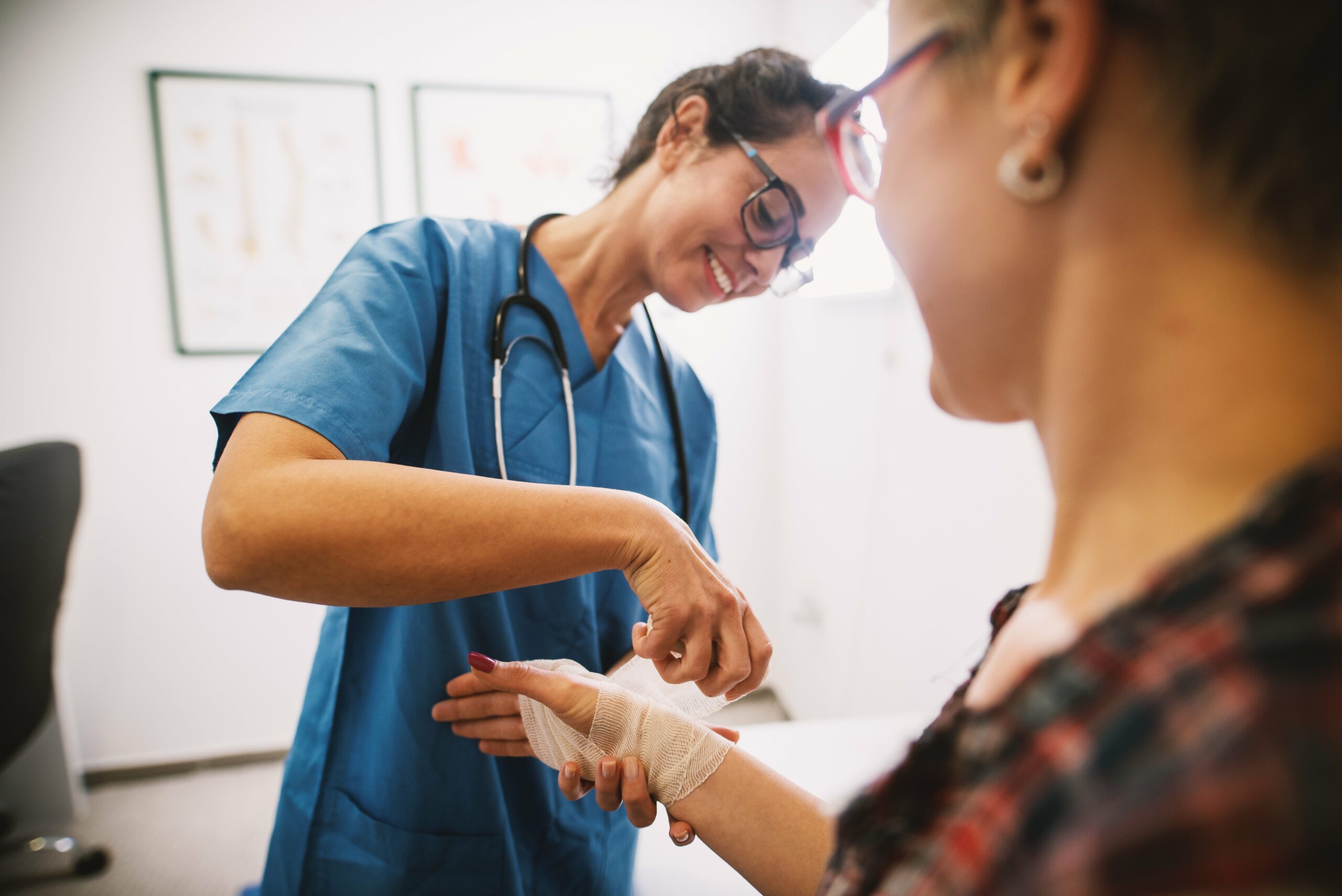
woman being bandaged at a wound care centerWound care centers are specialized healthcare facilities equipped with a multidisciplinary team of experts dedicated to managing acute and chronic wounds. These centers offer comprehensive services tailored to individual patient needs, ranging from assessment and treatment to education and follow-up care.

Why Visit a Wound Care Center?

Seeking treatment at a wound care center is advisable for several reasons:

Expertise: Wound care specialists have extensive training and experience in managing various types of wounds, including diabetic ulcers, pressure sores, surgical wounds, and traumatic injuries.

Advanced Treatments: Wound care centers utilize state-of-the-art technologies and advanced therapies to facilitate healing and prevent complications. These may include specialized dressings, negative pressure wound therapy (NPWT), hyperbaric oxygen therapy (HBOT), and debridement procedures.

Comprehensive Evaluation: During your visit, wound care professionals will conduct an assessment of your injury, taking into account factors such as the wound’s size, depth, where it’s located, and any underlying health conditions. This evaluation helps determine the most appropriate treatment plan tailored to your specific needs.

Education and Support: Wound care centers not only focus on treating the wound but also emphasize patient education and empowerment. You’ll receive guidance on wound care techniques, lifestyle modifications, nutrition, and preventive measures to optimize healing and minimize the risk of recurrence.

Preparing for Your First Visit

Preparation plays a crucial role in ensuring a smooth and productive experience during your initial visit to a wound care center. Here are some essential steps to take beforehand:

Gather Medical Information: Compile relevant medical records, including details of your wound, previous treatments, medications, allergies, and underlying health conditions. This information will help healthcare providers assess your situation more effectively and plan appropriate interventions.

Make a List of Questions: Take some time to jot down any concerns or queries you have regarding your wound care. This could include inquiries about treatment options, expected outcomes, potential complications, and self-care practices. Bringing a list ensures that you address all your concerns during the visit.

Review Insurance Coverage: Check your insurance policy to understand coverage for wound care services. Some policies may require pre-authorization or referrals, so it’s essential to clarify any financial matters beforehand to avoid unexpected expenses.

Follow Pre-Appointment Instructions: If your wound care provider has provided specific instructions before the visit, such as fasting for certain tests or discontinuing certain medications, make sure to follow them diligently. Adhering to these guidelines helps ensure accurate assessments and optimal treatment outcomes.

Arrange Transportation and Support: Depending on your condition and the nature of the appointment, you may need assistance getting to and from the wound care center. Consider arranging transportation and having a friend or family member accompany you for support, especially if you anticipate any mobility challenges or emotional distress.

Bring Essential Items: Carry any necessary personal items, such as identification, insurance cards, medication list, and comfortable clothing. Additionally, if you’re using any wound care products or devices at home, bring them along for review and guidance from the healthcare team.

What to Expect During the Visit

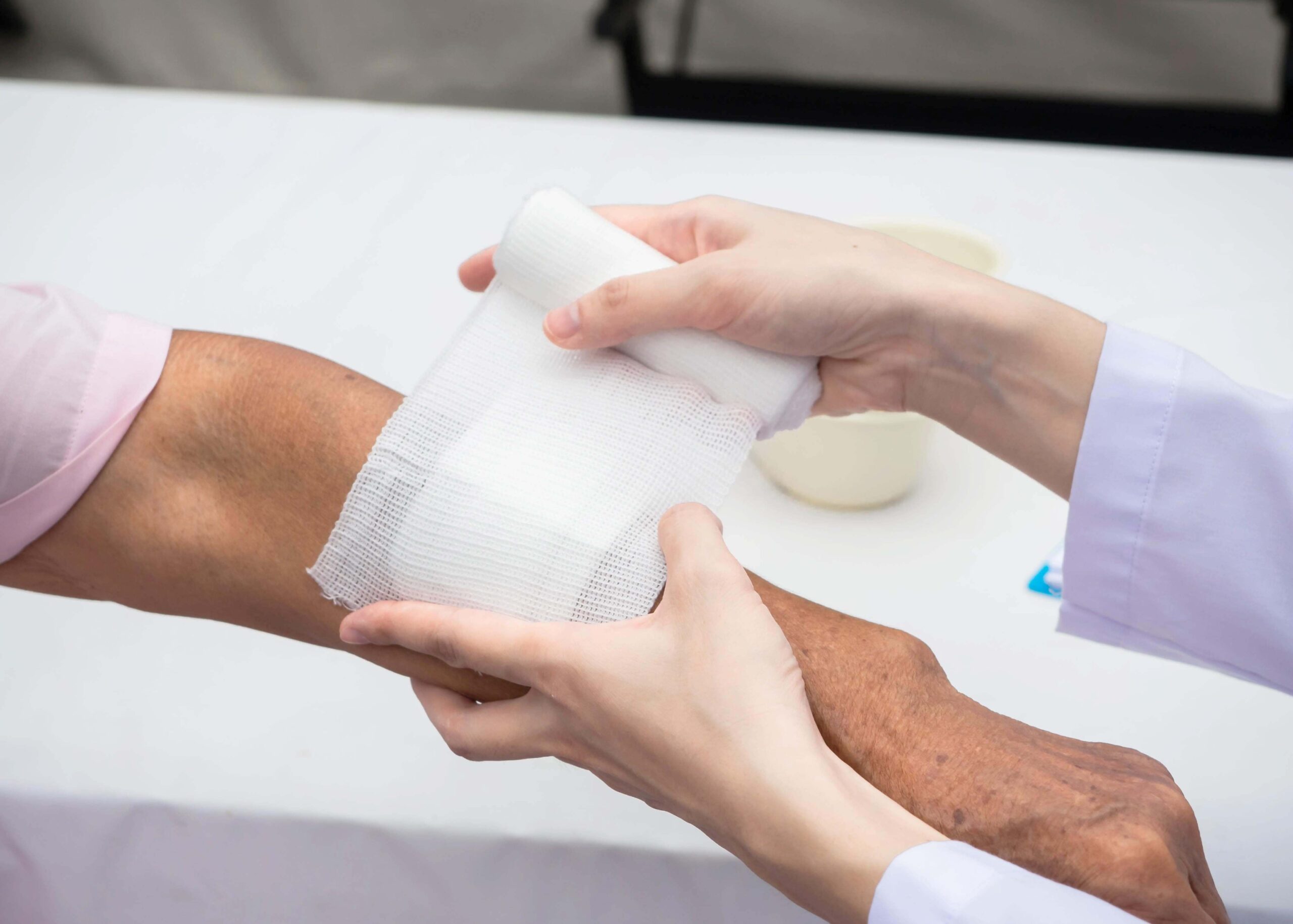
patient having his leg bandaged at a wound centerA typical visit to a wound care center involves several steps, each aimed at assessing your wound, developing a tailored treatment plan, and providing education and support. While specific procedures may vary depending on individual needs and center protocols, here’s a general overview of what you can expect:

Check-In and Registration: Upon arrival at the wound care center, you’ll need to complete the registration process, which may involve providing personal and insurance information. Some centers may also have you fill out health questionnaires or consent forms.

Initial Assessment: You’ll be escorted to an examination room where a healthcare provider will conduct an initial assessment of your wound. This may include measuring the size and depth of the wound, assessing tissue viability, checking for signs of infection, and evaluating circulation and sensation in the affected area.

Diagnostic Tests: Depending on the nature of your wound and underlying health conditions, additional diagnostic tests may be ordered to gather more information. These tests could include blood work, imaging studies (such as X-rays or ultrasounds), or specialized assessments for conditions like diabetes or peripheral artery disease.

Consultation and Treatment Planning: Following the assessment, you’ll have a consultation with the wound care team to discuss findings, review treatment options, and formulate a personalized care plan. This plan may involve various interventions, such as wound debridement, dressing changes, offloading techniques, or referrals to other specialists for adjunctive therapies.

Educational Session: Patient education is a vital component of wound care. During your visit, healthcare providers will take the time to educate you about your wound condition, treatment modalities, self-care practices, and strategies for preventing complications or recurrence. Feel free to ask questions and seek clarification on any topics you’re uncertain about.

Treatment Administration: If your wound requires immediate intervention, such as debridement or dressing application, it may be performed during the visit. The wound care team will explain each step of the procedure, address any concerns you may have, and ensure your comfort and safety throughout.

Follow-Up Arrangements: Before concluding the visit, the center will schedule follow-up appointments as needed to monitor your progress, adjust treatment plans, and address any emerging issues. They’ll also provide instructions on wound care management at home and how to reach them if you have questions or concerns between appointments.

Post-Visit Care and Follow-Up

After your initial visit to the wound care center, it’s essential to adhere to the recommended treatment plan and follow any post-visit instructions. This may include:

By actively participating in your wound care and following the guidance of your wound care team, you can optimize healing outcomes and minimize the risk of complications.

About West Coast Wound Center

Renowned for its commitment to excellence in wound management and patient care, West Coast Wound Center stands out as a beacon of hope for individuals grappling with complex wound issues. With a team of highly skilled clinicians, cutting-edge technology, and a patient-centered approach, West Coast Wound Center offers comprehensive solutions to address a wide range of acute and chronic wounds.

At West Coast Wound Center, patients can expect personalized attention and compassionate care from the moment they walk through the door. The multidisciplinary team, comprising wound care specialists, nurses, therapists, and support staff, collaborates closely to develop customized treatment plans tailored to each patient’s unique needs and circumstances.

Schedule Your Appointment Today

If you’re struggling with a wound that doesn’t seem to heal or experiencing complications related to a recent injury or surgery, don’t wait any longer to seek help. Schedule an appointment with West Coast Wound Center and take the first step towards healing and recovery.

Remember, your health and well-being are our top priorities. Don’t let wounds hold you back from living your life to the fullest. Trust the experts at West Coast Wound Center to provide you with the care and support you need to overcome your wound challenges and reclaim your vitality.

Take charge of your health today and embark on a journey towards healing with West Coast Wound Center by your side. We look forward to serving you and helping you achieve a higher quality of life.[/fusion_text][/fusion_builder_column][fusion_builder_column type=”1_3″ layout=”1_3″ spacing=”” center_content=”no” link=”” target=”_self” min_height=”” hide_on_mobile=”small-visibility,medium-visibility,large-visibility” class=”” id=”” hover_type=”none” border_color=”” border_style=”solid” border_position=”all” border_radius=”” box_shadow=”no” dimension_box_shadow=”” box_shadow_blur=”0″ box_shadow_spread=”0″ box_shadow_color=”” box_shadow_style=”” padding_top=”” padding_right=”” padding_bottom=”” padding_left=”” margin_top=”” margin_bottom=”” background_type=”single” gradient_start_color=”” gradient_end_color=”” gradient_start_position=”0″ gradient_end_position=”100″ gradient_type=”linear” radial_direction=”center center” linear_angle=”180″ background_color=”” background_image=”” background_image_id=”” background_position=”left top” background_repeat=”no-repeat” background_blend_mode=”none” animation_type=”” animation_direction=”left” animation_speed=”0.3″ animation_offset=”” filter_type=”regular” filter_hue=”0″ filter_saturation=”100″ filter_brightness=”100″ filter_contrast=”100″ filter_invert=”0″ filter_sepia=”0″ filter_opacity=”100″ filter_blur=”0″ filter_hue_hover=”0″ filter_saturation_hover=”100″ filter_brightness_hover=”100″ filter_contrast_hover=”100″ filter_invert_hover=”0″ filter_sepia_hover=”0″ filter_opacity_hover=”100″ filter_blur_hover=”0″ last=”true” border_sizes_top=”0″ border_sizes_bottom=”0″ border_sizes_left=”0″ border_sizes_right=”0″ first=”false” spacing_left=”1.3333333333333333%”][fusion_widget_area name=”avada-blog-sidebar” title_size=”” title_color=”” background_color=”” padding_top=”” padding_right=”” padding_bottom=”” padding_left=”” hide_on_mobile=”small-visibility,medium-visibility,large-visibility” class=”” id=”” /][/fusion_builder_column][/fusion_builder_row][/fusion_builder_container]

[fusion_builder_container hundred_percent=”no” equal_height_columns=”no” menu_anchor=”” hide_on_mobile=”small-visibility,medium-visibility,large-visibility” class=”” id=”” background_color=”” background_image=”” background_position=”center center” background_repeat=”no-repeat” fade=”no” background_parallax=”none” parallax_speed=”0.3″ video_mp4=”” video_webm=”” video_ogv=”” video_url=”” video_aspect_ratio=”16:9″ video_loop=”yes” video_mute=”yes” overlay_color=”” video_preview_image=”” border_color=”” border_style=”solid” padding_top=”” padding_bottom=”” padding_left=”” padding_right=”” type=”legacy” admin_toggled=”no”][fusion_builder_row][fusion_builder_column type=”2_3″ layout=”1_1″ background_position=”left top” background_color=”” border_color=”” border_style=”solid” border_position=”all” spacing=”yes” background_image=”” background_repeat=”no-repeat” padding_top=”” padding_right=”” padding_bottom=”” padding_left=”” margin_top=”0px” margin_bottom=”0px” class=”” id=”” animation_type=”” animation_speed=”0.3″ animation_direction=”left” hide_on_mobile=”small-visibility,medium-visibility,large-visibility” center_content=”no” last=”false” min_height=”” hover_type=”none” link=”” border_sizes_top=”” border_sizes_bottom=”” border_sizes_left=”” border_sizes_right=”” first=”true” spacing_right=”2.6666666666666665%”][fusion_text columns=”” column_min_width=”” column_spacing=”” rule_style=”default” rule_size=”” rule_color=”” content_alignment_medium=”” content_alignment_small=”” content_alignment=”” hide_on_mobile=”small-visibility,medium-visibility,large-visibility” sticky_display=”normal,sticky” class=”” id=”” margin_top=”” margin_right=”” margin_bottom=”” margin_left=”” font_size=”” fusion_font_family_text_font=”” fusion_font_variant_text_font=”” line_height=”” letter_spacing=”” text_color=”” animation_type=”” animation_direction=”left” animation_speed=”0.3″ animation_offset=””]

Wound healing is a complex process that involves various stages, each crucial for the restoration of tissue integrity. As wounds progress through these phases, individuals may experience sensations such as pain, swelling, and itching. Among these sensations, itching can often be puzzling and sometimes uncomfortable. In this comprehensive guide, we delve into the phenomenon of itching during wound healing.

Why Do Wounds Itch When They Heal?

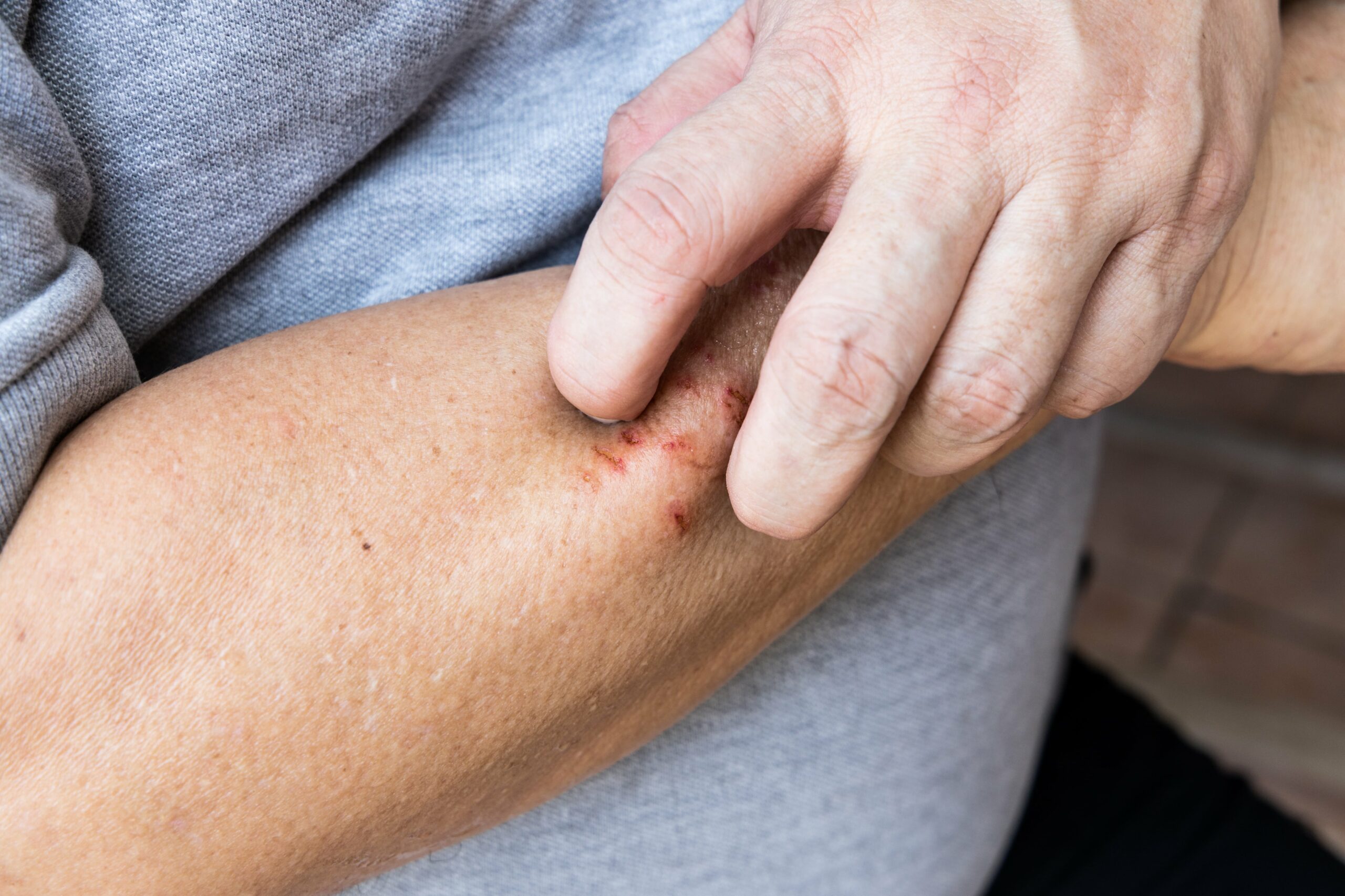
man scratching an itchy woundItching, also known as pruritus, is a common sensation experienced during wound healing. Several factors contribute to this phenomenon:

Inflammatory Response: During the early stages of wound healing, the body initiates an inflammatory response to remove debris and pathogens from the wound site. This process involves the release of various inflammatory mediators, including histamine, cytokines, and prostaglandins, which can stimulate nerve fibers and trigger itching sensations.

Nerve Regeneration: As the wound heals, nerve endings regenerate and become more sensitive. The formation of new nerve fibers and their interaction with surrounding tissues can result in heightened sensitivity and itching.

Cellular Activity: Throughout the proliferative phase of wound healing, cells such as fibroblasts and keratinocytes actively migrate and proliferate to promote tissue regeneration. The metabolic activity of these cells and the production of extracellular matrix components may contribute to itching.

Dryness and Tightness: As wounds progress from the inflammatory phase to the remodeling phase, the formation of new tissue can lead to dryness and tightness around the wound site. These sensations can exacerbate itching, especially in areas where the skin is stretched or under tension.

Histamine Release: Mast cells, which are involved in the inflammatory response, release histamine during wound healing. Histamine is a key mediator of itching and can cause blood vessels to dilate, leading to increased blood flow and sensation.

Understanding these underlying mechanisms can help patients and healthcare providers recognize itching as a normal part of the healing process rather than a cause for concern.

How to Stop a Healing Wound From Itching

While itching can be bothersome, there are several strategies to alleviate discomfort and promote healing:

Why Do Wounds Itch at Night?

Itching sensations often intensify at night, disrupting sleep and causing discomfort. Several factors contribute to nocturnal itching during wound healing:

How Long Does Itching Last During Wound Healing?

hand scratching a healing woundThe duration of itching during wound healing varies depending on various factors, including the type and severity of the wound, individual healing capacity, and adherence to wound care practices. In general, itching tends to be most pronounced during the inflammatory and proliferative phases of wound healing, which typically last for the first few weeks after injury.

As the wound enters the remodeling phase, itching sensations usually diminish as inflammation subsides, and the newly formed tissue matures. However, in some cases, itching may persist beyond the initial healing phases, especially if the wound undergoes abnormal scarring or develops complications such as infection.

Additional Signs of Healthy Wound Healing

Monitoring the progress of wound healing is crucial for ensuring optimal outcomes and identifying potential complications. While itching can be a normal part of the healing process, it is essential to recognize other signs indicating that a wound is healing properly. Here are some signs of healthy wound healing to watch for:

Conclusion

Itching during wound healing is a common yet often misunderstood phenomenon. While it can be bothersome, understanding the underlying mechanisms and implementing appropriate wound care strategies can help alleviate discomfort and support the healing process.

While itching is a normal part of the healing process, persistent or severe itching should prompt evaluation by a wound care specialist to rule out complications and ensure optimal wound healing.

If you have suffered a wound or have any questions about the healing process the specialized team at West Coast Wound Center is here to help. Schedule an appointment today.

[/fusion_text][/fusion_builder_column][fusion_builder_column type=”1_3″ layout=”1_3″ spacing=”” center_content=”no” link=”” target=”_self” min_height=”” hide_on_mobile=”small-visibility,medium-visibility,large-visibility” class=”” id=”” hover_type=”none” border_color=”” border_style=”solid” border_position=”all” border_radius=”” box_shadow=”no” dimension_box_shadow=”” box_shadow_blur=”0″ box_shadow_spread=”0″ box_shadow_color=”” box_shadow_style=”” padding_top=”” padding_right=”” padding_bottom=”” padding_left=”” margin_top=”” margin_bottom=”” background_type=”single” gradient_start_color=”” gradient_end_color=”” gradient_start_position=”0″ gradient_end_position=”100″ gradient_type=”linear” radial_direction=”center center” linear_angle=”180″ background_color=”” background_image=”” background_image_id=”” background_position=”left top” background_repeat=”no-repeat” background_blend_mode=”none” animation_type=”” animation_direction=”left” animation_speed=”0.3″ animation_offset=”” filter_type=”regular” filter_hue=”0″ filter_saturation=”100″ filter_brightness=”100″ filter_contrast=”100″ filter_invert=”0″ filter_sepia=”0″ filter_opacity=”100″ filter_blur=”0″ filter_hue_hover=”0″ filter_saturation_hover=”100″ filter_brightness_hover=”100″ filter_contrast_hover=”100″ filter_invert_hover=”0″ filter_sepia_hover=”0″ filter_opacity_hover=”100″ filter_blur_hover=”0″ last=”true” border_sizes_top=”0″ border_sizes_bottom=”0″ border_sizes_left=”0″ border_sizes_right=”0″ first=”false” spacing_left=”1.3333333333333333%”][fusion_widget_area name=”avada-blog-sidebar” title_size=”” title_color=”” background_color=”” padding_top=”” padding_right=”” padding_bottom=”” padding_left=”” hide_on_mobile=”small-visibility,medium-visibility,large-visibility” class=”” id=”” /][/fusion_builder_column][/fusion_builder_row][/fusion_builder_container]

[fusion_builder_container hundred_percent=”no” equal_height_columns=”no” menu_anchor=”” hide_on_mobile=”small-visibility,medium-visibility,large-visibility” class=”” id=”” background_color=”” background_image=”” background_position=”center center” background_repeat=”no-repeat” fade=”no” background_parallax=”none” parallax_speed=”0.3″ video_mp4=”” video_webm=”” video_ogv=”” video_url=”” video_aspect_ratio=”16:9″ video_loop=”yes” video_mute=”yes” overlay_color=”” video_preview_image=”” border_color=”” border_style=”solid” padding_top=”” padding_bottom=”” padding_left=”” padding_right=”” type=”legacy” admin_toggled=”no”][fusion_builder_row][fusion_builder_column type=”2_3″ layout=”1_1″ background_position=”left top” background_color=”” border_color=”” border_style=”solid” border_position=”all” spacing=”yes” background_image=”” background_repeat=”no-repeat” padding_top=”” padding_right=”” padding_bottom=”” padding_left=”” margin_top=”0px” margin_bottom=”0px” class=”” id=”” animation_type=”” animation_speed=”0.3″ animation_direction=”left” hide_on_mobile=”small-visibility,medium-visibility,large-visibility” center_content=”no” last=”false” min_height=”” hover_type=”none” link=”” border_sizes_top=”” border_sizes_bottom=”” border_sizes_left=”” border_sizes_right=”” first=”true” spacing_right=”2.6666666666666665%”][fusion_text columns=”” column_min_width=”” column_spacing=”” rule_style=”default” rule_size=”” rule_color=”” content_alignment_medium=”” content_alignment_small=”” content_alignment=”” hide_on_mobile=”small-visibility,medium-visibility,large-visibility” sticky_display=”normal,sticky” class=”” id=”” margin_top=”” margin_right=”” margin_bottom=”” margin_left=”” font_size=”” fusion_font_family_text_font=”” fusion_font_variant_text_font=”” line_height=”” letter_spacing=”” text_color=”” animation_type=”” animation_direction=”left” animation_speed=”0.3″ animation_offset=””]

Wound care, especially concerning conditions like lymphedema, demands a nuanced approach to treatment, prevention, and self-care. Lymphedema, characterized by swelling in the arms or legs due to lymphatic system blockage, requires diligent attention to avoid complications such as cellulitis and to promote healing.

What is Lymphedema?

woman with lymphedema in her legLymphedema manifests as a persistent swelling in specific areas of the body, most commonly in the arms or legs, due to an impairment in the lymphatic system’s function. This vital network is tasked with fluid drainage from tissues and immune cell transportation. When compromised, it leads to the accumulation of lymphatic fluid and subsequent swelling. While primary lymphedema may stem from congenital factors, secondary lymphedema often emerges following interventions like cancer surgery or radiation therapy, which inflict damage upon the lymphatic system.

Prevalence and Impact of Lymphedema

Lymphedema is more common than many realize, with millions of individuals worldwide affected by this chronic condition. It can significantly impact daily life, causing physical discomfort, mobility issues, and emotional distress. From difficulty fitting into clothing to limitations in performing everyday tasks, the effects of lymphedema can be profound. Additionally, lymphedema can delay wound healing after injury and impede the recovery process.

By shedding light on the prevalence and impact of lymphedema, individuals can better understand the importance of seeking proper treatment and support.

Signs and Symptoms of Lymphedema

Some of the common symptoms of lymphedema may include:

What Causes Lymphedema?

The causes of lymphedema can be categorized into primary and secondary:

Lymphedema and Cellulitis

Individuals with lymphedema are at increased risk of developing cellulitis, a bacterial skin infection. The compromised lymphatic system fails to effectively clear bacteria, leading to infection. Symptoms of cellulitis can include redness, warmth, swelling, and tenderness in the affected area. Prompt treatment with antibiotics is essential to prevent complications.

Lymphedema and Obesity

Obesity can exacerbate lymphedema by placing additional strain on the lymphatic system. Excess adipose tissue can impede lymphatic flow and exacerbate swelling. Additionally, obesity is associated with an increased risk of comorbidities such as diabetes and cardiovascular disease, which can further complicate lymphedema management.

Diagnosing and Treating Lymphedema

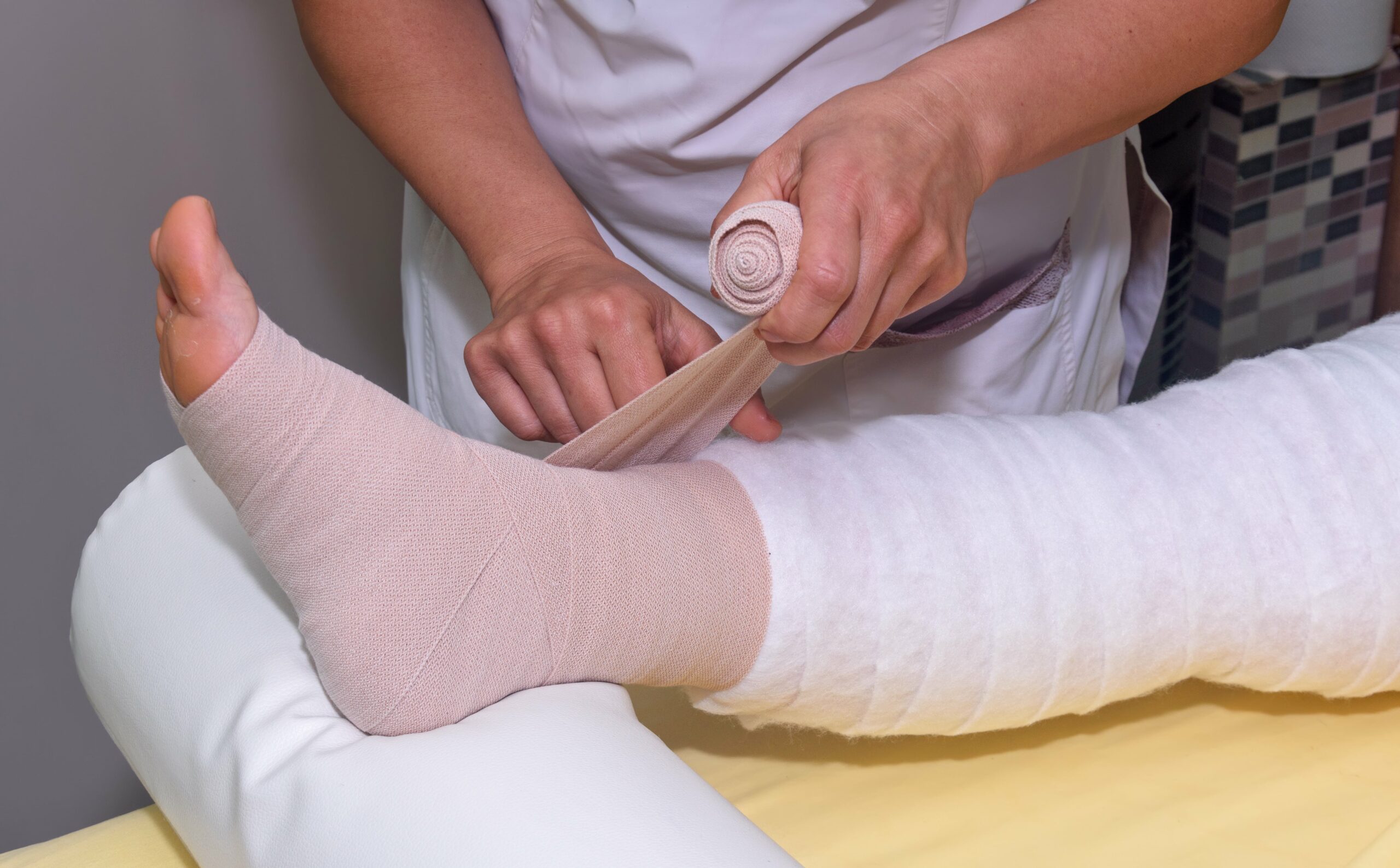
wound care specialist bandaging a leg with lymphedemaDiagnosing lymphedema typically involves a combination of medical history review, physical examination, and diagnostic tests. Imaging techniques such as lymphoscintigraphy or magnetic resonance imaging (MRI) may be used to assess lymphatic function and identify blockages. These diagnostic methods provide valuable insights into the extent and severity of lymphedema, guiding treatment decisions as well as management strategies.

Lymphedema Compression Dressings

Compression therapy is a cornerstone of lymphedema management. Compression garments or bandages help to reduce swelling by applying external pressure, promoting lymphatic drainage, and preventing fluid buildup. Graduated compression garments, which exert the highest pressure at the extremities and gradually decrease towards the trunk, are commonly used to manage lymphedema.

Treatment Modalities

In addition to compression therapy, which aids in reducing swelling and improving lymphatic circulation, several other treatment modalities exist for managing lymphedema. Manual lymphatic drainage, a specialized massage technique performed by trained therapists, helps to stimulate lymphatic flow and reduce swelling. Pneumatic compression devices apply sequential pressure to the affected limb, further promoting fluid movement. In severe cases, surgical interventions may be considered to improve lymphatic drainage.

Wound Care for Lymphedema

Effective wound care is crucial for individuals with lymphedema to prevent complications and promote healing. Key principles of wound care include:

Lymphedema Self-Care

In addition to professional medical treatment, self-care plays a crucial role in managing lymphedema:

What Should You Not Do with Lymphedema?

There are several precautions individuals with lymphedema should take to avoid exacerbating their condition:

Can Lymphedema Be Prevented?

While primary lymphedema cannot be prevented, there are steps individuals can take to reduce the risk of secondary lymphedema:

Seeking Professional Help

Effective wound care for lymphedema involves a multifaceted approach encompassing treatment, prevention, and self-care. By better understanding lymphedema and implementing appropriate wound care strategies and lifestyle modifications, individuals can effectively manage their condition and minimize the risk of complications, promoting optimal health and quality of life.

Ready to take control of your lymphedema management and prioritize your wound care? Schedule an appointment today at West Coast Wound Center. Our expert team is dedicated to providing personalized care and innovative solutions tailored to your needs. Don’t wait any longer to start your journey towards better health and healing.

Contact us now to book your appointment and take the first step toward comprehensive wound care and lymphedema management. Your well-being is our priority.

[/fusion_text][/fusion_builder_column][fusion_builder_column type=”1_3″ layout=”1_3″ spacing=”” center_content=”no” link=”” target=”_self” min_height=”” hide_on_mobile=”small-visibility,medium-visibility,large-visibility” class=”” id=”” hover_type=”none” border_color=”” border_style=”solid” border_position=”all” border_radius=”” box_shadow=”no” dimension_box_shadow=”” box_shadow_blur=”0″ box_shadow_spread=”0″ box_shadow_color=”” box_shadow_style=”” padding_top=”” padding_right=”” padding_bottom=”” padding_left=”” margin_top=”” margin_bottom=”” background_type=”single” gradient_start_color=”” gradient_end_color=”” gradient_start_position=”0″ gradient_end_position=”100″ gradient_type=”linear” radial_direction=”center center” linear_angle=”180″ background_color=”” background_image=”” background_image_id=”” background_position=”left top” background_repeat=”no-repeat” background_blend_mode=”none” animation_type=”” animation_direction=”left” animation_speed=”0.3″ animation_offset=”” filter_type=”regular” filter_hue=”0″ filter_saturation=”100″ filter_brightness=”100″ filter_contrast=”100″ filter_invert=”0″ filter_sepia=”0″ filter_opacity=”100″ filter_blur=”0″ filter_hue_hover=”0″ filter_saturation_hover=”100″ filter_brightness_hover=”100″ filter_contrast_hover=”100″ filter_invert_hover=”0″ filter_sepia_hover=”0″ filter_opacity_hover=”100″ filter_blur_hover=”0″ last=”true” border_sizes_top=”0″ border_sizes_bottom=”0″ border_sizes_left=”0″ border_sizes_right=”0″ first=”false” spacing_left=”1.3333333333333333%”][fusion_widget_area name=”avada-blog-sidebar” title_size=”” title_color=”” background_color=”” padding_top=”” padding_right=”” padding_bottom=”” padding_left=”” hide_on_mobile=”small-visibility,medium-visibility,large-visibility” class=”” id=”” /][/fusion_builder_column][/fusion_builder_row][/fusion_builder_container]

[fusion_builder_container hundred_percent=”no” equal_height_columns=”no” menu_anchor=”” hide_on_mobile=”small-visibility,medium-visibility,large-visibility” class=”” id=”” background_color=”” background_image=”” background_position=”center center” background_repeat=”no-repeat” fade=”no” background_parallax=”none” parallax_speed=”0.3″ video_mp4=”” video_webm=”” video_ogv=”” video_url=”” video_aspect_ratio=”16:9″ video_loop=”yes” video_mute=”yes” overlay_color=”” video_preview_image=”” border_color=”” border_style=”solid” padding_top=”” padding_bottom=”” padding_left=”” padding_right=”” type=”legacy” admin_toggled=”no”][fusion_builder_row][fusion_builder_column type=”2_3″ layout=”1_1″ background_position=”left top” background_color=”” border_color=”” border_style=”solid” border_position=”all” spacing=”yes” background_image=”” background_repeat=”no-repeat” padding_top=”” padding_right=”” padding_bottom=”” padding_left=”” margin_top=”0px” margin_bottom=”0px” class=”” id=”” animation_type=”” animation_speed=”0.3″ animation_direction=”left” hide_on_mobile=”small-visibility,medium-visibility,large-visibility” center_content=”no” last=”false” min_height=”” hover_type=”none” link=”” border_sizes_top=”” border_sizes_bottom=”” border_sizes_left=”” border_sizes_right=”” first=”true” spacing_right=”2.6666666666666665%”][fusion_text columns=”” column_min_width=”” column_spacing=”” rule_style=”default” rule_size=”” rule_color=”” content_alignment_medium=”” content_alignment_small=”” content_alignment=”” hide_on_mobile=”small-visibility,medium-visibility,large-visibility” sticky_display=”normal,sticky” class=”” id=”” margin_top=”” margin_right=”” margin_bottom=”” margin_left=”” font_size=”” fusion_font_family_text_font=”” fusion_font_variant_text_font=”” line_height=”” letter_spacing=”” text_color=”” animation_type=”” animation_direction=”left” animation_speed=”0.3″ animation_offset=””]

Cellulitis is a common bacterial skin infection that can affect individuals of all ages. Characterized by redness, swelling, and warmth in the affected area, cellulitis requires prompt and appropriate wound care to prevent complications. In this comprehensive guide, we’ll explore the best practices for caring for cellulitis wounds, with insights from the experts at West Coast Wound Center.

What is Cellulitis

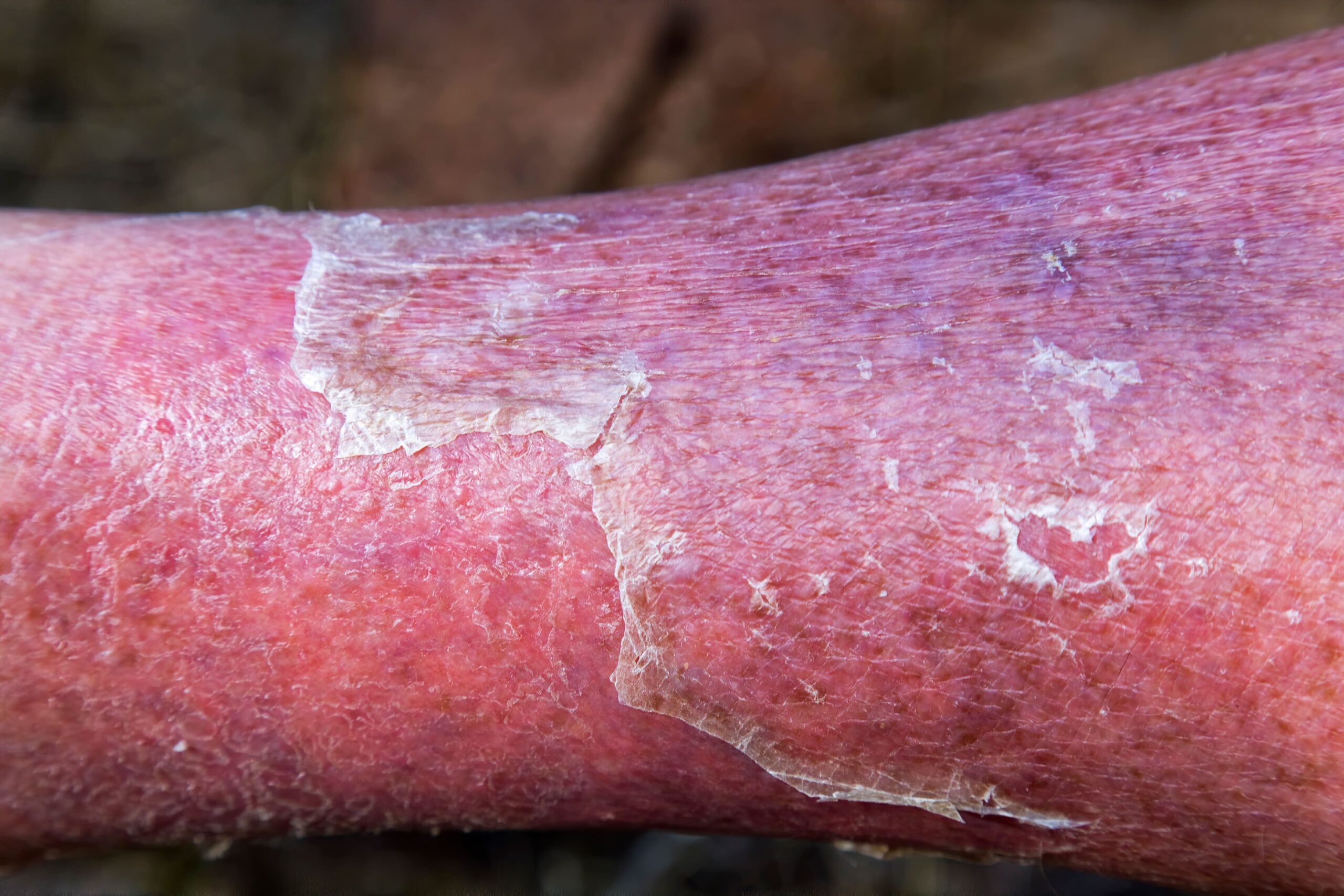
cellulitis wound on a legCellulitis is often caused by bacteria entering the skin through a cut, scrape, or other breaks in the skin’s surface. Common bacteria responsible for cellulitis include Streptococcus and Staphylococcus. Early recognition and proper wound care are crucial to prevent the infection from spreading and causing more severe complications.

Recognizing the Symptoms: When to Worry

Before diving into wound care, it’s important to recognize the symptoms of cellulitis. Keep an eye out for:

If you notice these symptoms, it’s vital to seek medical attention at a wound care center promptly.

Cellulitis in the Lower Legs and Feet

Cellulitis in the lower leg is a common occurrence, often associated with compromised skin integrity in the area. It can result from injuries, cuts, or skin conditions. Extra care is needed in managing cellulitis on the lower leg due to the risk of complications.

Is Cellulitis Contagious?

While cellulitis itself is not directly contagious, the bacteria causing it can be. It spreads through direct contact with an infected person or contaminated surfaces. Maintaining good hygiene and avoiding contact with affected areas can help prevent its spread.

How Dangerous is Cellulitis Infection?

While cellulitis is usually treatable with antibiotics, complications can arise if left untreated. In severe cases, the infection may spread to the bloodstream or deeper tissues, leading to more serious conditions. Fast medical attention is crucial to prevent potential dangers.

Cellulitis in the Elderly

The elderly are more susceptible to cellulitis due to factors such as weakened immune systems and fragile skin. Special attention is required in managing cellulitis among older individuals to ensure effective treatment and prevent complications.

Seek Professional Medical Advice

Upon suspecting cellulitis, consult a wound care specialist for a proper diagnosis and treatment plan. At West Coast Wound Center, we emphasize the importance of early intervention to prevent complications such as abscess formation or the spread of infection to the bloodstream.

Wound Care Techniques for Cellulitis

Once diagnosed, proper wound care becomes a crucial aspect of managing cellulitis. Here are a few techniques and tips recommended by the experts at West Coast Wound Center:

Clean the Wound:

Apply Antibiotic Ointment:

Keep the Wound Covered:

Additional Wound Care Tips:

Elevate the Affected Area:

Manage Pain:

Stay Hydrated and Rest:

Watch for Warning Signs:

Preventing Cellulitis Recurrence

Conclusion

Caring for cellulitis wounds requires a proactive and comprehensive approach. By following these guidelines, individuals can effectively manage cellulitis, promote healing, and reduce the risk of complications. If you suspect cellulitis or experience worsening symptoms, the specialized team at West Coast Wound Center is here to help; offering personalized advice and effective treatment. Remember, early intervention is key to a successful recovery.

[/fusion_text][/fusion_builder_column][fusion_builder_column type=”1_3″ layout=”1_3″ spacing=”” center_content=”no” link=”” target=”_self” min_height=”” hide_on_mobile=”small-visibility,medium-visibility,large-visibility” class=”” id=”” hover_type=”none” border_color=”” border_style=”solid” border_position=”all” border_radius=”” box_shadow=”no” dimension_box_shadow=”” box_shadow_blur=”0″ box_shadow_spread=”0″ box_shadow_color=”” box_shadow_style=”” padding_top=”” padding_right=”” padding_bottom=”” padding_left=”” margin_top=”” margin_bottom=”” background_type=”single” gradient_start_color=”” gradient_end_color=”” gradient_start_position=”0″ gradient_end_position=”100″ gradient_type=”linear” radial_direction=”center center” linear_angle=”180″ background_color=”” background_image=”” background_image_id=”” background_position=”left top” background_repeat=”no-repeat” background_blend_mode=”none” animation_type=”” animation_direction=”left” animation_speed=”0.3″ animation_offset=”” filter_type=”regular” filter_hue=”0″ filter_saturation=”100″ filter_brightness=”100″ filter_contrast=”100″ filter_invert=”0″ filter_sepia=”0″ filter_opacity=”100″ filter_blur=”0″ filter_hue_hover=”0″ filter_saturation_hover=”100″ filter_brightness_hover=”100″ filter_contrast_hover=”100″ filter_invert_hover=”0″ filter_sepia_hover=”0″ filter_opacity_hover=”100″ filter_blur_hover=”0″ last=”true” border_sizes_top=”0″ border_sizes_bottom=”0″ border_sizes_left=”0″ border_sizes_right=”0″ first=”false” spacing_left=”1.3333333333333333%”][fusion_widget_area name=”avada-blog-sidebar” title_size=”” title_color=”” background_color=”” padding_top=”” padding_right=”” padding_bottom=”” padding_left=”” hide_on_mobile=”small-visibility,medium-visibility,large-visibility” class=”” id=”” /][/fusion_builder_column][/fusion_builder_row][/fusion_builder_container]

[fusion_builder_container hundred_percent=”no” equal_height_columns=”no” menu_anchor=”” hide_on_mobile=”small-visibility,medium-visibility,large-visibility” class=”” id=”” background_color=”” background_image=”” background_position=”center center” background_repeat=”no-repeat” fade=”no” background_parallax=”none” parallax_speed=”0.3″ video_mp4=”” video_webm=”” video_ogv=”” video_url=”” video_aspect_ratio=”16:9″ video_loop=”yes” video_mute=”yes” overlay_color=”” video_preview_image=”” border_color=”” border_style=”solid” padding_top=”” padding_bottom=”” padding_left=”” padding_right=”” type=”legacy” admin_toggled=”no”][fusion_builder_row][fusion_builder_column type=”2_3″ layout=”1_1″ background_position=”left top” background_color=”” border_color=”” border_style=”solid” border_position=”all” spacing=”yes” background_image=”” background_repeat=”no-repeat” padding_top=”” padding_right=”” padding_bottom=”” padding_left=”” margin_top=”0px” margin_bottom=”0px” class=”” id=”” animation_type=”” animation_speed=”0.3″ animation_direction=”left” hide_on_mobile=”small-visibility,medium-visibility,large-visibility” center_content=”no” last=”false” min_height=”” hover_type=”none” link=”” border_sizes_top=”” border_sizes_bottom=”” border_sizes_left=”” border_sizes_right=”” first=”true” spacing_right=”2.6666666666666665%”][fusion_text columns=”” column_min_width=”” column_spacing=”” rule_style=”default” rule_size=”” rule_color=”” content_alignment_medium=”” content_alignment_small=”” content_alignment=”” hide_on_mobile=”small-visibility,medium-visibility,large-visibility” sticky_display=”normal,sticky” class=”” id=”” margin_top=”” margin_right=”” margin_bottom=”” margin_left=”” font_size=”” fusion_font_family_text_font=”” fusion_font_variant_text_font=”” line_height=”” letter_spacing=”” text_color=”” animation_type=”” animation_direction=”left” animation_speed=”0.3″ animation_offset=””]

Wound care is a critical aspect of healthcare, encompassing a range of strategies and treatments aimed at facilitating the healing process. One key player in this intricate biological dance is collagen, a structural protein that plays a crucial role in the body’s natural healing mechanisms.

In this guide, we will delve into the significance of collagen in wound care, exploring its functions, types, and the different ways it can be harnessed to optimize the healing process.

Understanding Collagen

specialist adding a bandage to a burn woundCollagen is the most abundant protein in the human body, providing structural support to various tissues such as skin, bones, tendons, and ligaments. In the context of wound care, collagen’s primary function is to contribute to the formation of a strong, flexible matrix that supports tissue regeneration and repair.

According to a recently published article titled Collagen in Wound Healing, “Collagens can directly modulate the wound microenvironment, serve as a scaffold for cellular attachment and function or deliver biologically active principles or antimicrobials to aid in wound healing.

Types of Collagen

There are multiple types of collagen, each with unique characteristics and distribution in the body. In wound care, three main types of collagen play important roles:

Type I Collagen: Skin Regeneration

Type III Collagen: Early Healing Phase

Type IV Collagen: Basement Membrane Support

The Role of Collagen in the Wound Healing Process

Wound healing is a complex, multi-phase process that involves a coordinated interplay of cells, growth factors, and extracellular matrix components. Collagen is a key player in each stage of wound healing:

Hemostasis:

Inflammation:

Proliferation:

Remodeling:

Collagen for Chronic Wounds

Chronic wounds, often associated with conditions like diabetes or vascular disorders, pose a significant challenge in the realm of wound care. Collagen’s unique properties make it a potential valuable resource for addressing chronic wounds. In these cases, collagen dressings or sponges serve as effective tools to create an optimal healing environment. The sustained release of growth factors from collagen supports the prolonged healing process required for chronic wounds. Additionally, collagen’s ability to modulate inflammation and encourage cellular activity contributes to the successful management of chronic wounds, promoting tissue regeneration over an extended period.

Collagen for Burn Wounds

Burn wounds present a distinct set of challenges due to the severity of tissue damage and the risk of infection. Collagen dressings, especially those with Type I collagen, offer a protective barrier against microbial invasion while facilitating the healing process. The cooling and soothing properties of collagen may provide relief to burn patients, and its ability to absorb wound exudate promotes a moist environment, fostering cell migration and tissue repair.

Collagen-Based Wound Care Dressings and Products

specialist caring for a serious woundIn recent years, there has been a surge in the development and utilization of collagen-based wound care products. These products leverage the regenerative properties of collagen to accelerate wound healing. Your wound care specialist can recommend the best treatment option for your individual circumstances. That said, some common collagen-based wound care treatments include:

Collagen Dressings:

Collagen Sponges:

Collagen Powder:

Collagen Matrix:

Challenges and Considerations

While collagen-based wound care products offer promising benefits, there are challenges and considerations that you and your wound care specialist should be mindful of. These challenges also further highlight the importance of consulting a specialist and the role of patient education in wound care.

Bottom Line

Collagen stands as a cornerstone in the field of wound care, contributing significantly to the body’s natural healing mechanisms. From its involvement in the early stages of inflammation to its role in providing tensile strength during tissue remodeling, collagen plays a vital role in every phase of wound healing. The development and utilization of collagen-based wound care products signify a promising avenue for optimizing the healing process and improving patient outcomes.

If you have suffered a serious wound or have questions about optimizing the healing process; the specialized team at West Coast Wound Center is here to help. Schedule an appointment today.

[/fusion_text][/fusion_builder_column][fusion_builder_column type=”1_3″ layout=”1_3″ spacing=”” center_content=”no” link=”” target=”_self” min_height=”” hide_on_mobile=”small-visibility,medium-visibility,large-visibility” class=”” id=”” hover_type=”none” border_color=”” border_style=”solid” border_position=”all” border_radius=”” box_shadow=”no” dimension_box_shadow=”” box_shadow_blur=”0″ box_shadow_spread=”0″ box_shadow_color=”” box_shadow_style=”” padding_top=”” padding_right=”” padding_bottom=”” padding_left=”” margin_top=”” margin_bottom=”” background_type=”single” gradient_start_color=”” gradient_end_color=”” gradient_start_position=”0″ gradient_end_position=”100″ gradient_type=”linear” radial_direction=”center center” linear_angle=”180″ background_color=”” background_image=”” background_image_id=”” background_position=”left top” background_repeat=”no-repeat” background_blend_mode=”none” animation_type=”” animation_direction=”left” animation_speed=”0.3″ animation_offset=”” filter_type=”regular” filter_hue=”0″ filter_saturation=”100″ filter_brightness=”100″ filter_contrast=”100″ filter_invert=”0″ filter_sepia=”0″ filter_opacity=”100″ filter_blur=”0″ filter_hue_hover=”0″ filter_saturation_hover=”100″ filter_brightness_hover=”100″ filter_contrast_hover=”100″ filter_invert_hover=”0″ filter_sepia_hover=”0″ filter_opacity_hover=”100″ filter_blur_hover=”0″ last=”true” border_sizes_top=”0″ border_sizes_bottom=”0″ border_sizes_left=”0″ border_sizes_right=”0″ first=”false” spacing_left=”1.3333333333333333%”][fusion_widget_area name=”avada-blog-sidebar” title_size=”” title_color=”” background_color=”” padding_top=”” padding_right=”” padding_bottom=”” padding_left=”” hide_on_mobile=”small-visibility,medium-visibility,large-visibility” class=”” id=”” /][/fusion_builder_column][/fusion_builder_row][/fusion_builder_container]

[fusion_builder_container hundred_percent=”no” equal_height_columns=”no” menu_anchor=”” hide_on_mobile=”small-visibility,medium-visibility,large-visibility” class=”” id=”” background_color=”” background_image=”” background_position=”center center” background_repeat=”no-repeat” fade=”no” background_parallax=”none” parallax_speed=”0.3″ video_mp4=”” video_webm=”” video_ogv=”” video_url=”” video_aspect_ratio=”16:9″ video_loop=”yes” video_mute=”yes” overlay_color=”” video_preview_image=”” border_color=”” border_style=”solid” padding_top=”” padding_bottom=”” padding_left=”” padding_right=”” type=”legacy” admin_toggled=”no”][fusion_builder_row][fusion_builder_column type=”2_3″ layout=”1_1″ background_position=”left top” background_color=”” border_color=”” border_style=”solid” border_position=”all” spacing=”yes” background_image=”” background_repeat=”no-repeat” padding_top=”” padding_right=”” padding_bottom=”” padding_left=”” margin_top=”0px” margin_bottom=”0px” class=”” id=”” animation_type=”” animation_speed=”0.3″ animation_direction=”left” hide_on_mobile=”small-visibility,medium-visibility,large-visibility” center_content=”no” last=”false” min_height=”” hover_type=”none” link=”” border_sizes_top=”” border_sizes_bottom=”” border_sizes_left=”” border_sizes_right=”” first=”true” spacing_right=”2.6666666666666665%”][fusion_text columns=”” column_min_width=”” column_spacing=”” rule_style=”default” rule_size=”” rule_color=”” content_alignment_medium=”” content_alignment_small=”” content_alignment=”” hide_on_mobile=”small-visibility,medium-visibility,large-visibility” sticky_display=”normal,sticky” class=”” id=”” margin_top=”” margin_right=”” margin_bottom=”” margin_left=”” font_size=”” fusion_font_family_text_font=”” fusion_font_variant_text_font=”” line_height=”” letter_spacing=”” text_color=”” animation_type=”” animation_direction=”left” animation_speed=”0.3″ animation_offset=””]

Wound care is a critical aspect of healthcare that involves the prevention and management of injuries to the skin. Effective wound care not only promotes faster healing but also reduces the risk of complications. One often overlooked but crucial element in the wound care process is patient education. In this article, we will explore the significance of patient education in wound care and the role patients and caregivers can play in aiding in the healing process.

Understanding Proper Wound Care

Before delving into the importance of patient education, it’s essential to have a basic understanding of wound care. Wounds can result from various causes, including cuts, burns, surgical incisions, or chronic conditions like diabetes. Proper wound care involves a series of steps aimed at facilitating the healing process and minimizing the risk of infection.

The Role of Patient Education in Wound Care

doctor educating patient on wound careEnhanced Self-Management:

Patient education empowers individuals to actively participate in their own care. Understanding the nature of their wounds, the importance of hygiene, and following prescribed treatment plans can significantly improve self-management. Patients who are well-informed are more likely to adhere to recommended practices, leading to better outcomes.

Prevention of Complications:

Knowledge about proper wound care techniques can help prevent complications such as infections, delayed healing, and scarring. Patients who are aware of the signs of infection or other issues are more likely to seek prompt medical attention, reducing the risk of complications.

Promoting Healthy Lifestyle Choices:

Patient education goes beyond the immediate wound care process. It provides an opportunity to educate individuals about lifestyle factors that can impact wound healing, such as nutrition, smoking cessation, and managing chronic conditions like diabetes. These lifestyle choices can significantly influence the overall success of wound healing.

Surgical Wound Care Education:

For individuals with surgical wounds, specific education is vital. Understanding the importance of keeping the incision site clean, dry, and free from infection is crucial. Patients should follow post-surgical wound care instructions provided by their wound care specialist to optimize the healing process.

Improved Communication with Healthcare Providers:

Educated patients are better equipped to communicate with their healthcare providers. Clear communication ensures that patients understand their treatment plans, medications, and follow-up appointments. This collaboration between patients and wound care professionals is vital for effective recovery.

Reduced Healthcare Costs:

Patient education can contribute to cost-effective healthcare by reducing the likelihood of hospital readmissions or additional treatments due to complications. When patients are actively involved in their care and follow preventive measures, the overall cost of healthcare decreases.

As you can see, there are many advantages to proper wound care education both for patients as well as healthcare providers and it should be integrated into treatment approaches. In fact, a paper titled ‘Patient-Centered Education in Wound Management’ further supports this, stating “Effective education and enhanced adherence decrease episodes of care, reduce health expenditures, and prevent serious complications.

Basic Wound Care FAQs and Answers

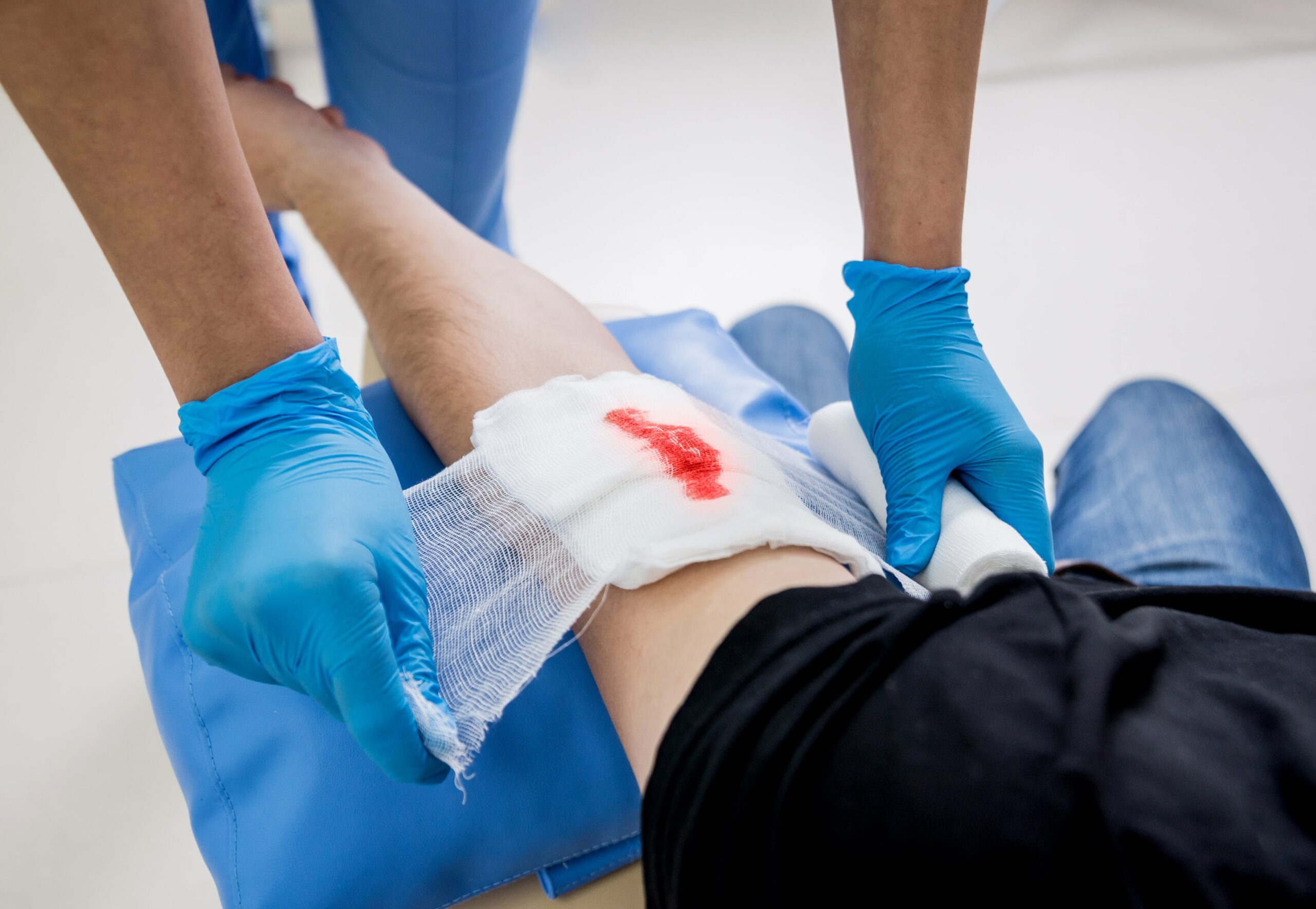
wound specialist dressing a patient’s armNow that we’ve established the importance of patient education in managing wounds, let’s address some frequently asked questions about basic wound care:

Q1: What are the essential steps in basic wound care?

A: The fundamental steps in wound care include cleaning the wound with mild soap and water, applying an appropriate dressing, and keeping the wound area dry. Following your wound care specialists’ instructions, taking prescribed medications, and practicing good hygiene are also crucial.

Q2: When should I change a wound dressing?

A: The frequency of dressing changes depends on the type and severity of the wound. Generally, dressings should be changed when they become wet, dirty, or as recommended by a wound care specialist. It’s essential to follow specific guidelines provided during your initial consultation.

Q3: How can I tell if a wound is infected?

A: Signs of infection include increased redness, swelling, warmth, or pain around the wound. Pus or a foul odor may also indicate infection. If you observe any of these symptoms, it’s crucial to seek medical attention at a wound care center promptly.

Q4: Can I bathe or shower with a wound?

A: While maintaining proper hygiene is essential, it’s crucial to follow your wound specialist’s advice. In some cases, you may be advised to avoid soaking the wound in water for an extended period. Always use mild soap and avoid hot water to prevent irritation.

Q5: When should I seek medical attention for a wound?

A: Seek medical attention if you notice signs of infection, experience persistent pain, or if the wound is not healing as expected. People with chronic conditions like diabetes should be especially vigilant, as they may require specialized care.

Q6: When is it necessary to visit a wound care center?

A: Wound care centers are recommended for chronic wounds, complicated wounds involving underlying structures, severe infections, diabetic foot ulcers, and post-surgical wounds that require specialized care. If you are unsure whether your wound falls into these categories, it’s best to consult with your wound care specialist for guidance.

Conclusion

Patient education is a cornerstone of effective wound care, promoting self-management, preventing complications, and fostering collaboration between patients and healthcare providers. By empowering patients with knowledge specific to their wounds, wound care specialists contribute to a collaborative and informed approach to recovery, ensuring the best possible results for patients.

At West Coast Wound Center, we strive to provide more effective and coordinated care through educating patients and caregivers on the proper use of wound dressings and other healing tools. We don’t just treat our patient’s wounds but work alongside them to improve their quality of life. Book an appointment at our Wound Center in Fresno today.

[/fusion_text][/fusion_builder_column][fusion_builder_column type=”1_3″ layout=”1_3″ spacing=”” center_content=”no” link=”” target=”_self” min_height=”” hide_on_mobile=”small-visibility,medium-visibility,large-visibility” class=”” id=”” hover_type=”none” border_color=”” border_style=”solid” border_position=”all” border_radius=”” box_shadow=”no” dimension_box_shadow=”” box_shadow_blur=”0″ box_shadow_spread=”0″ box_shadow_color=”” box_shadow_style=”” padding_top=”” padding_right=”” padding_bottom=”” padding_left=”” margin_top=”” margin_bottom=”” background_type=”single” gradient_start_color=”” gradient_end_color=”” gradient_start_position=”0″ gradient_end_position=”100″ gradient_type=”linear” radial_direction=”center center” linear_angle=”180″ background_color=”” background_image=”” background_image_id=”” background_position=”left top” background_repeat=”no-repeat” background_blend_mode=”none” animation_type=”” animation_direction=”left” animation_speed=”0.3″ animation_offset=”” filter_type=”regular” filter_hue=”0″ filter_saturation=”100″ filter_brightness=”100″ filter_contrast=”100″ filter_invert=”0″ filter_sepia=”0″ filter_opacity=”100″ filter_blur=”0″ filter_hue_hover=”0″ filter_saturation_hover=”100″ filter_brightness_hover=”100″ filter_contrast_hover=”100″ filter_invert_hover=”0″ filter_sepia_hover=”0″ filter_opacity_hover=”100″ filter_blur_hover=”0″ last=”true” border_sizes_top=”0″ border_sizes_bottom=”0″ border_sizes_left=”0″ border_sizes_right=”0″ first=”false” spacing_left=”1.3333333333333333%”][fusion_widget_area name=”avada-blog-sidebar” title_size=”” title_color=”” background_color=”” padding_top=”” padding_right=”” padding_bottom=”” padding_left=”” hide_on_mobile=”small-visibility,medium-visibility,large-visibility” class=”” id=”” /][/fusion_builder_column][/fusion_builder_row][/fusion_builder_container]

[fusion_builder_container hundred_percent=”no” equal_height_columns=”no” menu_anchor=”” hide_on_mobile=”small-visibility,medium-visibility,large-visibility” class=”” id=”” background_color=”” background_image=”” background_position=”center center” background_repeat=”no-repeat” fade=”no” background_parallax=”none” parallax_speed=”0.3″ video_mp4=”” video_webm=”” video_ogv=”” video_url=”” video_aspect_ratio=”16:9″ video_loop=”yes” video_mute=”yes” overlay_color=”” video_preview_image=”” border_color=”” border_style=”solid” padding_top=”” padding_bottom=”” padding_left=”” padding_right=”” type=”legacy” admin_toggled=”no”][fusion_builder_row][fusion_builder_column type=”2_3″ layout=”1_1″ background_position=”left top” background_color=”” border_color=”” border_style=”solid” border_position=”all” spacing=”yes” background_image=”” background_repeat=”no-repeat” padding_top=”” padding_right=”” padding_bottom=”” padding_left=”” margin_top=”0px” margin_bottom=”0px” class=”” id=”” animation_type=”” animation_speed=”0.3″ animation_direction=”left” hide_on_mobile=”small-visibility,medium-visibility,large-visibility” center_content=”no” last=”false” min_height=”” hover_type=”none” link=”” border_sizes_top=”” border_sizes_bottom=”” border_sizes_left=”” border_sizes_right=”” first=”true” spacing_right=”2.6666666666666665%”][fusion_text columns=”” column_min_width=”” column_spacing=”” rule_style=”default” rule_size=”” rule_color=”” content_alignment_medium=”” content_alignment_small=”” content_alignment=”” hide_on_mobile=”small-visibility,medium-visibility,large-visibility” sticky_display=”normal,sticky” class=”” id=”” margin_top=”” margin_right=”” margin_bottom=”” margin_left=”” font_size=”” fusion_font_family_text_font=”” fusion_font_variant_text_font=”” line_height=”” letter_spacing=”” text_color=”” animation_type=”” animation_direction=”left” animation_speed=”0.3″ animation_offset=””]

Wound care is a complex and multidisciplinary field that involves various healthcare professionals working collaboratively to promote optimal healing. While traditional wound care often focuses on medications, dressings, and surgical interventions, the role of physical therapy in wound healing is a vital aspect that deserves attention.

In this comprehensive guide, we will explore the significance of physical therapy in wound management, delve into key strategies employed by physical therapists to enhance the healing process and how PT can help wound care specialists after the wound is treated.

The Role of Physical Therapy in Wound Care

physical therapist checking a patient’s wound dressingPhysical therapy is a non-invasive and non-pharmacological approach to healing wounds. It can help promote healing, reduce inflammation, and prevent complications related to wounds. Physical therapy can also help patients regain their strength, mobility, and range of motion after sustaining a wound.

While a wound care specialist will typically oversee the treatment and care for your wound, physical therapy can also be beneficial for patients who have sustained a variety of different types of wounds, including surgical wounds, pressure ulcers, and traumatic wounds. It can also be useful for patients who have developed complications related to wound healing, such as lymphedema or muscle atrophy.

Physical therapists may utilize several wound care techniques such as therapeutic exercise, manual therapy, electrical stimulation, and help with wound care dressings. These techniques aim to promote tissue healing, reduce swelling, and increase circulation to the affected area. Physical therapy can also help reduce pain associated with wound healing, which can improve the patient’s overall quality of life.

In fact, according to the International Journal of Molecular Sciences while further studies are necessary to develop practical protocols in clinical practice, “physical therapy arises as a possible safe complementary treatment that might improve the results of the traditional treatment.

The Interplay Between Physical Therapy and Wound Healing

Physical therapists play an important role in the management of wounds, offering specialized interventions that aim to optimize the overall healing process. The relationship between physical therapy and wound healing is multifaceted, encompassing various aspects such as mobility, strength, circulation, and overall functional improvement. Let’s explore how physical therapy contributes to each of these components in the context of wound care.

Mobility and Range of Motion: Physical therapy interventions often focus on maintaining or restoring mobility and range of motion in patients. Restricted movement can impede the healing process by reducing blood flow and increasing the risk of complications. Physical therapists design customized exercise programs to enhance flexibility and prevent joint contractures, promoting a more conducive environment for wound healing.

Circulation and Blood Flow: Adequate blood circulation is crucial for delivering oxygen and essential nutrients to the wound site. Physical therapists employ targeted exercises to improve circulation, which, in turn, facilitates the transportation of healing factors to the injured tissues. Techniques such as therapeutic exercises, manual therapy, and vascular rehabilitation may be utilized to optimize blood flow and promote tissue repair.

Strength and Tissue Integrity: Building and maintaining muscle strength is fundamental in supporting wound healing. Physical therapists work with patients to develop strength training programs that target specific muscle groups, promoting overall tissue integrity and reducing the risk of complications. Strengthening exercises are tailored to the individual’s needs, taking into consideration the location and severity of the wound.

Functional Improvement: Beyond addressing specific wound-related issues, physical therapy aims to enhance overall functional capacity. This involves improving a patient’s ability to perform daily activities, thereby promoting independence and reducing the impact of the wound on their quality of life. Functional exercises, gait training, and activities of daily living (ADL) training are integral components of physical therapy in wound care.

How Physical Therapists Compliment Wound Care Specialists After Treatment

man in physical therapy for a knee injuryPhysical therapy and wound care specialists often work hand in hand; particularly after the wound has been treated. Wound specialists can work with physical therapists to develop a plan of care for patients who have undergone wound treatment. For example; a physical therapist can help the patient regain their strength and mobility, and a wound care specialist can monitor the wound for signs of infection or other complications.

Physical therapy can also help prevent further injury or complications related to wound healing. For example, if a patient has developed muscle atrophy due to immobility during the wound healing process, physical therapy can help them regain their strength and prevent further muscle loss.

Physical therapists can also help wound care specialists identify any underlying issues that may have contributed to the development of the wound such as if a patient has developed a pressure ulcer, a therapist can help identify any issues related to their positioning or mobility that may have contributed to the injury. Addressing these underlying issues can even be helpful in preventing the development of future wounds.

Although as mentioned above, your wound care specialist can (and should) oversee your healing; there are several different types of wounds a specialist may recommend physical therapy as a complimentary treatment. Let’s take a deeper look at a few examples:

Surgical wounds

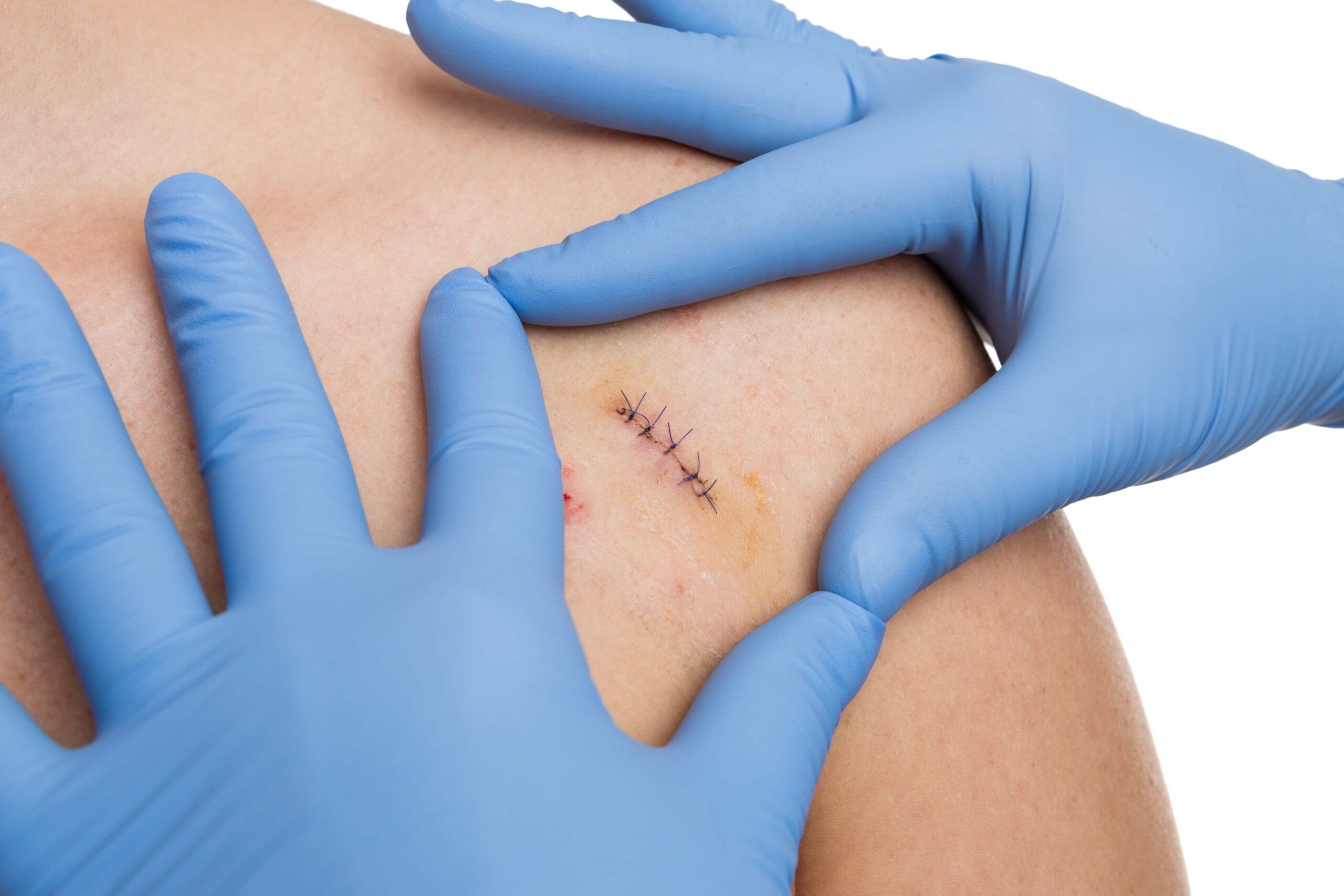
Surgical wounds can occur due to a number of reasons, such as medical procedures, accidents, or injuries. Through different techniques, physical therapy can help speed up the healing process and improve overall quality of life for individuals who have undergone surgery.

Therapeutic exercises can help individuals regain strength, mobility, and flexibility after surgery. These exercises can include resistance training, aerobic exercise, and balance training. Range-of-motion exercises are also important for post-surgery recovery. Manual therapy techniques such as massage, stretching, and joint mobilization can also help improve blood flow, reduce inflammation, and promote tissue healing after surgery.

Pressure ulcers

Pressure ulcers, also known as bedsores, are a common issue for individuals who are bedridden or wheelchair-bound for extended periods. These ulcers can be painful and lead to further complications such as infections or sepsis. Physical therapy can be utilized to help prevent the development of pressure ulcers and improve healing.

Physical therapists can use different techniques to help prevent pressure ulcers, such as repositioning, pressure relief devices, and mobility exercises. Repositioning involves changing the patient’s position regularly to reduce pressure on the skin. Pressure relief devices such as foam cushions or air mattresses can also help reduce pressure on the skin.

Mobility exercises can help individuals who are bedridden or wheelchair-bound to regain their strength and mobility. These exercises can include range-of-motion exercises and resistance training. Physical therapists can also work with individuals to improve their posture and body mechanics to reduce the risk of developing pressure ulcers.

Traumatic wounds

Traumatic wounds can occur due to accidents or injuries, such as falls, cuts, or burns. Physical therapy can help improve the healing process and reduce complications associated with traumatic wounds.

Physical therapists can use different techniques to help individuals recover from traumatic wounds, including manual therapy, electrical stimulation, and wound care dressings. Manual therapy techniques can help promote blood flow and reduce inflammation, while electrical stimulation can help stimulate tissue healing and reduce pain.

Physical Therapy After Wound Debridement

Wound debridement is a common procedure used to remove dead or infected tissue from a wound. This process can leave the wound area vulnerable and in need of specialized care to promote healing. Physical therapy can play an important role in helping individuals recover after wound debridement.

Physical therapists can use different techniques to help individuals after wound debridement, including wound care, range-of-motion exercises, and scar management. Wound care involves selecting appropriate dressings to promote healing and prevent infections. Physical therapists can also work with individuals to develop a wound care routine that includes cleaning the wound and changing dressings regularly.

Range-of-motion exercises can help individuals regain their normal range of motion after wound debridement. These exercises can help prevent muscle atrophy, joint stiffness, and reduce the risk of contractures. Physical therapists can also provide guidance on exercises that can help improve strength, flexibility, and mobility.

Scar management is another important aspect of post-debridement physical therapy. Scarring can occur after suffering a wound and can cause limitations in movement and function. Physical therapists can use different techniques such as massage, stretching, and exercises to improve scar tissue mobility and reduce their appearance.

Conclusion

In conclusion, the integration of physical therapy into the field of wound care can be crucial for promoting effective and efficient healing. By addressing mobility, circulation, strength, and overall functionality, physical therapists contribute significantly to the comprehensive care of individuals with wounds. When it comes to wound healing, it is essential to collaborate across disciplines to provide the best possible outcomes for patients. Through a holistic approach that encompasses physical therapy and other essential components, wound care specialists can optimize the wound healing process and improve the overall well-being of their patients.

Unlike most practices, At West Coast Wound Center we do not just focus on the surgical aspects of the wounds, we take into consideration the most important extrinsic and intrinsic factors that affect healing. That’s why we work closely with each patient’s physical therapist to coordinate care and help optimize one’s wound healing.

If you or someone you know has suffered a wound or has a question about treatment book an appointment at our center in Fresno today.

[/fusion_text][/fusion_builder_column][fusion_builder_column type=”1_3″ layout=”1_3″ spacing=”” center_content=”no” link=”” target=”_self” min_height=”” hide_on_mobile=”small-visibility,medium-visibility,large-visibility” class=”” id=”” hover_type=”none” border_color=”” border_style=”solid” border_position=”all” border_radius=”” box_shadow=”no” dimension_box_shadow=”” box_shadow_blur=”0″ box_shadow_spread=”0″ box_shadow_color=”” box_shadow_style=”” padding_top=”” padding_right=”” padding_bottom=”” padding_left=”” margin_top=”” margin_bottom=”” background_type=”single” gradient_start_color=”” gradient_end_color=”” gradient_start_position=”0″ gradient_end_position=”100″ gradient_type=”linear” radial_direction=”center center” linear_angle=”180″ background_color=”” background_image=”” background_image_id=”” background_position=”left top” background_repeat=”no-repeat” background_blend_mode=”none” animation_type=”” animation_direction=”left” animation_speed=”0.3″ animation_offset=”” filter_type=”regular” filter_hue=”0″ filter_saturation=”100″ filter_brightness=”100″ filter_contrast=”100″ filter_invert=”0″ filter_sepia=”0″ filter_opacity=”100″ filter_blur=”0″ filter_hue_hover=”0″ filter_saturation_hover=”100″ filter_brightness_hover=”100″ filter_contrast_hover=”100″ filter_invert_hover=”0″ filter_sepia_hover=”0″ filter_opacity_hover=”100″ filter_blur_hover=”0″ last=”true” border_sizes_top=”0″ border_sizes_bottom=”0″ border_sizes_left=”0″ border_sizes_right=”0″ first=”false” spacing_left=”1.3333333333333333%”][fusion_widget_area name=”avada-blog-sidebar” title_size=”” title_color=”” background_color=”” padding_top=”” padding_right=”” padding_bottom=”” padding_left=”” hide_on_mobile=”small-visibility,medium-visibility,large-visibility” class=”” id=”” /][/fusion_builder_column][/fusion_builder_row][/fusion_builder_container]

[fusion_builder_container hundred_percent=”no” equal_height_columns=”no” menu_anchor=”” hide_on_mobile=”small-visibility,medium-visibility,large-visibility” class=”” id=”” background_color=”” background_image=”” background_position=”center center” background_repeat=”no-repeat” fade=”no” background_parallax=”none” parallax_speed=”0.3″ video_mp4=”” video_webm=”” video_ogv=”” video_url=”” video_aspect_ratio=”16:9″ video_loop=”yes” video_mute=”yes” overlay_color=”” video_preview_image=”” border_color=”” border_style=”solid” padding_top=”” padding_bottom=”” padding_left=”” padding_right=”” type=”legacy” admin_toggled=”no”][fusion_builder_row][fusion_builder_column type=”2_3″ layout=”1_1″ background_position=”left top” background_color=”” border_color=”” border_style=”solid” border_position=”all” spacing=”yes” background_image=”” background_repeat=”no-repeat” padding_top=”” padding_right=”” padding_bottom=”” padding_left=”” margin_top=”0px” margin_bottom=”0px” class=”” id=”” animation_type=”” animation_speed=”0.3″ animation_direction=”left” hide_on_mobile=”small-visibility,medium-visibility,large-visibility” center_content=”no” last=”false” min_height=”” hover_type=”none” link=”” border_sizes_top=”” border_sizes_bottom=”” border_sizes_left=”” border_sizes_right=”” first=”true” spacing_right=”2.6666666666666665%”][fusion_text columns=”” column_min_width=”” column_spacing=”” rule_style=”default” rule_size=”” rule_color=”” content_alignment_medium=”” content_alignment_small=”” content_alignment=”” hide_on_mobile=”small-visibility,medium-visibility,large-visibility” sticky_display=”normal,sticky” class=”” id=”” margin_top=”” margin_right=”” margin_bottom=”” margin_left=”” font_size=”” fusion_font_family_text_font=”” fusion_font_variant_text_font=”” line_height=”” letter_spacing=”” text_color=”” animation_type=”” animation_direction=”left” animation_speed=”0.3″ animation_offset=””]

Wound care involves a multifaceted approach to healing, and one of the common complications that can impede the recovery process is maceration. Maceration is a condition that occurs when a wound experiences excessive moisture, leading to the softening and breaking down of the surrounding skin. Let’s take a look at what wound maceration is, how it can be treated and what you can do to help prevent the condition.

What is Maceration?

hand with macerated skinMaceration in wounds refers to the softening and breakdown of skin due to excess moisture. When a wound is exposed to prolonged moisture, it disrupts the skin’s natural barrier, causing it to become fragile and susceptible to damage. This condition is commonly seen in wounds that are constantly exposed to moisture, such as incontinence-related wounds, chronic wounds, or areas covered by dressings that retain moisture.

What Causes Maceration in Wounds?

Several factors contribute to the development of wound maceration:

Is Maceration Dangerous?

While maceration itself may not be immediately life-threatening, it can significantly impede the wound healing process and increase the risk of infection. Macerated skin becomes fragile, more susceptible to injury, and less effective as a protective barrier against harmful microorganisms. If left untreated, maceration can lead to delayed wound healing, chronic wounds, and potential complications such as infection, inflammation, and pain.

Excoriation vs. Maceration

Excoriation and maceration are often intertwined due to their similarities, but they represent distinct conditions. Excoriation refers to the mechanical injury of the skin caused by scratching, rubbing, or other physical means. Excoriation often occurs on intact skin and can lead to wounds. On the other hand, as referenced above, maceration is the softening and breakdown of skin due to prolonged exposure to moisture, often happening in or around existing wounds.

Maceration Treatment and Wound Care

specialist dressing a macerated woundEffective treatment for wound maceration involves several key steps:

Can Wound Maceration Be Prevented?

Preventing wound maceration involves a proactive approach to managing moisture levels. Some approaches can include:

Understanding maceration is crucial for effective wound care management and minimizing the risks of potential complications. Of course, it’s always best to consult with a wound care specialist for personalized guidance in managing wound maceration and to facilitate optimal care and healing.

If you have any questions about the healing process or have suffered a wound that isn’t recovering properly the specialized team at West Coast Wound Center can help. Book an appointment today.

[/fusion_text][/fusion_builder_column][fusion_builder_column type=”1_3″ layout=”1_3″ spacing=”” center_content=”no” link=”” target=”_self” min_height=”” hide_on_mobile=”small-visibility,medium-visibility,large-visibility” class=”” id=”” hover_type=”none” border_color=”” border_style=”solid” border_position=”all” border_radius=”” box_shadow=”no” dimension_box_shadow=”” box_shadow_blur=”0″ box_shadow_spread=”0″ box_shadow_color=”” box_shadow_style=”” padding_top=”” padding_right=”” padding_bottom=”” padding_left=”” margin_top=”” margin_bottom=”” background_type=”single” gradient_start_color=”” gradient_end_color=”” gradient_start_position=”0″ gradient_end_position=”100″ gradient_type=”linear” radial_direction=”center center” linear_angle=”180″ background_color=”” background_image=”” background_image_id=”” background_position=”left top” background_repeat=”no-repeat” background_blend_mode=”none” animation_type=”” animation_direction=”left” animation_speed=”0.3″ animation_offset=”” filter_type=”regular” filter_hue=”0″ filter_saturation=”100″ filter_brightness=”100″ filter_contrast=”100″ filter_invert=”0″ filter_sepia=”0″ filter_opacity=”100″ filter_blur=”0″ filter_hue_hover=”0″ filter_saturation_hover=”100″ filter_brightness_hover=”100″ filter_contrast_hover=”100″ filter_invert_hover=”0″ filter_sepia_hover=”0″ filter_opacity_hover=”100″ filter_blur_hover=”0″ last=”true” border_sizes_top=”0″ border_sizes_bottom=”0″ border_sizes_left=”0″ border_sizes_right=”0″ first=”false” spacing_left=”1.3333333333333333%”][fusion_widget_area name=”avada-blog-sidebar” title_size=”” title_color=”” background_color=”” padding_top=”” padding_right=”” padding_bottom=”” padding_left=”” hide_on_mobile=”small-visibility,medium-visibility,large-visibility” class=”” id=”” /][/fusion_builder_column][/fusion_builder_row][/fusion_builder_container]

[fusion_builder_container hundred_percent=”no” equal_height_columns=”no” menu_anchor=”” hide_on_mobile=”small-visibility,medium-visibility,large-visibility” class=”” id=”” background_color=”” background_image=”” background_position=”center center” background_repeat=”no-repeat” fade=”no” background_parallax=”none” parallax_speed=”0.3″ video_mp4=”” video_webm=”” video_ogv=”” video_url=”” video_aspect_ratio=”16:9″ video_loop=”yes” video_mute=”yes” overlay_color=”” video_preview_image=”” border_color=”” border_style=”solid” padding_top=”” padding_bottom=”” padding_left=”” padding_right=”” type=”legacy” admin_toggled=”no”][fusion_builder_row][fusion_builder_column type=”2_3″ layout=”1_1″ background_position=”left top” background_color=”” border_color=”” border_style=”solid” border_position=”all” spacing=”yes” background_image=”” background_repeat=”no-repeat” padding_top=”” padding_right=”” padding_bottom=”” padding_left=”” margin_top=”0px” margin_bottom=”0px” class=”” id=”” animation_type=”” animation_speed=”0.3″ animation_direction=”left” hide_on_mobile=”small-visibility,medium-visibility,large-visibility” center_content=”no” last=”false” min_height=”” hover_type=”none” link=”” border_sizes_top=”” border_sizes_bottom=”” border_sizes_left=”” border_sizes_right=”” first=”true” spacing_right=”2.6666666666666665%”][fusion_text columns=”” column_min_width=”” column_spacing=”” rule_style=”default” rule_size=”” rule_color=”” content_alignment_medium=”” content_alignment_small=”” content_alignment=”” hide_on_mobile=”small-visibility,medium-visibility,large-visibility” sticky_display=”normal,sticky” class=”” id=”” margin_top=”” margin_right=”” margin_bottom=”” margin_left=”” font_size=”” fusion_font_family_text_font=”” fusion_font_variant_text_font=”” line_height=”” letter_spacing=”” text_color=”” animation_type=”” animation_direction=”left” animation_speed=”0.3″ animation_offset=””]

The process of wound healing often involves diverse tissue formations, with eschar and slough representing crucial stages in the recovery journey. Eschar and slough are terms frequently used in the context of wound healing, representing distinct stages and compositions. Proper comprehension of these stages can play an imperative role in effective wound care and treatment.

What is Eschar?

injured knee with a wound showing escharEschar, a hardened, dry, black or brown dead tissue, forms a scab-like covering over deep wounds, such as severe burns or ulcers. It acts as a protective barrier but can impede healing, necessitating appropriate management and removal for optimal recovery.

Eschar vs. Scabs

While both eschar and scabs are composed of dried blood and fluids, they differ significantly. Scabs, typically in minor cuts, are soft and aid in healing. In contrast, eschar forms in deeper wounds, firmly attaching to the wound bed and often requiring medical intervention from a wound care specialist for removal.

How Long Can it Take For Eschar to Heal

The healing time for eschar varies based on factors such as wound size, depth, health conditions, and the body’s healing capacity. Proper management and removal of eschar play a crucial role in initiating the healing process, which can take weeks to months for complete recovery.

Best Type of Wound Dressing When Dealing with Eschar

Choosing appropriate wound dressings when dealing with eschar is crucial. Dressings that maintain a moist wound environment while facilitating the removal of excess exudate are typically preferred. Wound specialists may recommend hydrogels, hydrocolloids, or specific foams depending on your circumstances to aid in its removal and promote healing.

Eschar Found in Pressure Ulcers

Eschar commonly develops in pressure ulcers, which result from prolonged pressure on the skin, limiting blood flow and causing tissue damage. Eschar in pressure ulcers can hinder healing and requires specific attention to prevent infection and support recovery.

Eschar Treatment and Wound Care

Slough: Exploring its Nature

Slough is a soft, yellow or white, stringy or thick substance, that overlays the wound bed. Composed of dead cells, fibrin, and other substances, it indicates an unclean or stagnant wound environment, hindering healing and increasing infection risks.

Eschar vs. Slough: What is the Difference?

Conclusion

Understanding the differences between eschar and slough is essential for proper wound care and treatment. Healthcare professionals play a pivotal role in diagnosing, assessing, and implementing suitable treatments to address these types of wounds. With the right approach, including proper debridement and appropriate wound dressings, effective wound healing can be facilitated, leading to better outcomes and quality of life.

If you or someone you know has suffered a serious wound or have questions regarding the healing process, the specialized team at West Coast Wound Center can help. Book an appointment today.

[/fusion_text][/fusion_builder_column][fusion_builder_column type=”1_3″ layout=”1_3″ spacing=”” center_content=”no” link=”” target=”_self” min_height=”” hide_on_mobile=”small-visibility,medium-visibility,large-visibility” class=”” id=”” hover_type=”none” border_color=”” border_style=”solid” border_position=”all” border_radius=”” box_shadow=”no” dimension_box_shadow=”” box_shadow_blur=”0″ box_shadow_spread=”0″ box_shadow_color=”” box_shadow_style=”” padding_top=”” padding_right=”” padding_bottom=”” padding_left=”” margin_top=”” margin_bottom=”” background_type=”single” gradient_start_color=”” gradient_end_color=”” gradient_start_position=”0″ gradient_end_position=”100″ gradient_type=”linear” radial_direction=”center center” linear_angle=”180″ background_color=”” background_image=”” background_image_id=”” background_position=”left top” background_repeat=”no-repeat” background_blend_mode=”none” animation_type=”” animation_direction=”left” animation_speed=”0.3″ animation_offset=”” filter_type=”regular” filter_hue=”0″ filter_saturation=”100″ filter_brightness=”100″ filter_contrast=”100″ filter_invert=”0″ filter_sepia=”0″ filter_opacity=”100″ filter_blur=”0″ filter_hue_hover=”0″ filter_saturation_hover=”100″ filter_brightness_hover=”100″ filter_contrast_hover=”100″ filter_invert_hover=”0″ filter_sepia_hover=”0″ filter_opacity_hover=”100″ filter_blur_hover=”0″ last=”true” border_sizes_top=”0″ border_sizes_bottom=”0″ border_sizes_left=”0″ border_sizes_right=”0″ first=”false” spacing_left=”1.3333333333333333%”][fusion_widget_area name=”avada-blog-sidebar” title_size=”” title_color=”” background_color=”” padding_top=”” padding_right=”” padding_bottom=”” padding_left=”” hide_on_mobile=”small-visibility,medium-visibility,large-visibility” class=”” id=”” /][/fusion_builder_column][/fusion_builder_row][/fusion_builder_container]

[fusion_builder_container hundred_percent=”no” equal_height_columns=”no” menu_anchor=”” hide_on_mobile=”small-visibility,medium-visibility,large-visibility” class=”” id=”” background_color=”” background_image=”” background_position=”center center” background_repeat=”no-repeat” fade=”no” background_parallax=”none” parallax_speed=”0.3″ video_mp4=”” video_webm=”” video_ogv=”” video_url=”” video_aspect_ratio=”16:9″ video_loop=”yes” video_mute=”yes” overlay_color=”” video_preview_image=”” border_color=”” border_style=”solid” padding_top=”” padding_bottom=”” padding_left=”” padding_right=”” type=”legacy” admin_toggled=”no”][fusion_builder_row][fusion_builder_column type=”2_3″ layout=”1_1″ background_position=”left top” background_color=”” border_color=”” border_style=”solid” border_position=”all” spacing=”yes” background_image=”” background_repeat=”no-repeat” padding_top=”” padding_right=”” padding_bottom=”” padding_left=”” margin_top=”0px” margin_bottom=”0px” class=”” id=”” animation_type=”” animation_speed=”0.3″ animation_direction=”left” hide_on_mobile=”small-visibility,medium-visibility,large-visibility” center_content=”no” last=”false” min_height=”” hover_type=”none” link=”” border_sizes_top=”” border_sizes_bottom=”” border_sizes_left=”” border_sizes_right=”” first=”true” spacing_right=”2.6666666666666665%”][fusion_text columns=”” column_min_width=”” column_spacing=”” rule_style=”default” rule_size=”” rule_color=”” content_alignment_medium=”” content_alignment_small=”” content_alignment=”” hide_on_mobile=”small-visibility,medium-visibility,large-visibility” sticky_display=”normal,sticky” class=”” id=”” margin_top=”” margin_right=”” margin_bottom=”” margin_left=”” font_size=”” fusion_font_family_text_font=”” fusion_font_variant_text_font=”” line_height=”” letter_spacing=”” text_color=”” animation_type=”” animation_direction=”left” animation_speed=”0.3″ animation_offset=””]

Wounds come in various forms and can pose unique challenges when it comes to proper wound care. One such challenging wound type is tunneling wounds. Whether you are a healthcare professional or an individual seeking information about tunneling wounds, this comprehensive guide will provide you with valuable insights into this specific type of wound and how to effectively manage them.

What is a Tunneling Wound?

tunneling wound on a person’s armA tunneling wound, also known as a sinus tract, is a type of chronic wound characterized by a narrow channel or tract extending from the wound’s surface into deeper tissue. This channel or tunnel can be shallow or deep and may create pockets or dead-end passages within the wound. Tunneling wounds are commonly found in pressure ulcers, diabetic foot ulcers, surgical wounds, and wounds resulting from infections.

What Causes Tunneling in Wounds?

Several factors can lead to the formation of tunneling wounds such as:

Tunneling vs. Undermining Wounds

Tunneling wounds and undermining wounds are often used interchangeably, but they actually have subtle differences:

In practice, wound care professionals may use these terms to describe wounds with similar characteristics, and the treatment approach is often similar for both.

Risk Factors Associated with Tunneling Wounds

Several risk factors increase the likelihood of developing a tunneling wound:

Treatment and Care For Tunneling Wounds

specialist treating a tunneling foot woundIf left untreated, a tunneling wound can become deeper and even result in new tunnels developing. Additionally, it can increase the risk of further tissue being destroyed and infection spreading.

That said, specific treatment approaches for a tunneling wound may vary depending on the wound’s characteristics and underlying causes. Generally, effective tunneling wound treatment combines medical interventions and meticulous wound care practices including approaches such as:

How Long Does it Take for a Tunneling Wound to Heal?

The time it takes for a tunneling wound to heal can vary significantly depending on several factors, including the wound’s size, depth, underlying causes, and the effectiveness of treatment. In general, tunneling wounds often take longer to heal compared to superficial wounds. Healing time can range from several weeks to several months. However, with proper wound care and treatment, most tunneling wounds should eventually heal.

Can a Tunneling Wound Heal on Its Own?

Tunneling wounds rarely heal completely on their own. These wounds are usually chronic or complex, and they often require specialized care at a wound care center and medical intervention. As we referenced earlier, left untreated, tunneling wounds are at risk of becoming infected, expanding further, and causing more severe complications.

In Conclusion

Tunneling wounds are complex and can be challenging to manage, but with proper wound care, treatment, and attention to underlying causes, they can heal successfully. Early intervention and a multidisciplinary approach involving professionals specializing in wound care can be essential to effective treatment and recovery.

If you or someone you know is dealing with a tunneling wound, the specialized team at West Coast Wound Center can help initiate an individualized treatment plan and ensure the best chance of healing and recovery. Book an appointment at our wound care center today.

[/fusion_text][/fusion_builder_column][fusion_builder_column type=”1_3″ layout=”1_3″ spacing=”” center_content=”no” link=”” target=”_self” min_height=”” hide_on_mobile=”small-visibility,medium-visibility,large-visibility” class=”” id=”” hover_type=”none” border_color=”” border_style=”solid” border_position=”all” border_radius=”” box_shadow=”no” dimension_box_shadow=”” box_shadow_blur=”0″ box_shadow_spread=”0″ box_shadow_color=”” box_shadow_style=”” padding_top=”” padding_right=”” padding_bottom=”” padding_left=”” margin_top=”” margin_bottom=”” background_type=”single” gradient_start_color=”” gradient_end_color=”” gradient_start_position=”0″ gradient_end_position=”100″ gradient_type=”linear” radial_direction=”center center” linear_angle=”180″ background_color=”” background_image=”” background_image_id=”” background_position=”left top” background_repeat=”no-repeat” background_blend_mode=”none” animation_type=”” animation_direction=”left” animation_speed=”0.3″ animation_offset=”” filter_type=”regular” filter_hue=”0″ filter_saturation=”100″ filter_brightness=”100″ filter_contrast=”100″ filter_invert=”0″ filter_sepia=”0″ filter_opacity=”100″ filter_blur=”0″ filter_hue_hover=”0″ filter_saturation_hover=”100″ filter_brightness_hover=”100″ filter_contrast_hover=”100″ filter_invert_hover=”0″ filter_sepia_hover=”0″ filter_opacity_hover=”100″ filter_blur_hover=”0″ last=”true” border_sizes_top=”0″ border_sizes_bottom=”0″ border_sizes_left=”0″ border_sizes_right=”0″ first=”false” spacing_left=”1.3333333333333333%”][fusion_widget_area name=”avada-blog-sidebar” title_size=”” title_color=”” background_color=”” padding_top=”” padding_right=”” padding_bottom=”” padding_left=”” hide_on_mobile=”small-visibility,medium-visibility,large-visibility” class=”” id=”” /][/fusion_builder_column][/fusion_builder_row][/fusion_builder_container]

[fusion_builder_container hundred_percent=”no” equal_height_columns=”no” menu_anchor=”” hide_on_mobile=”small-visibility,medium-visibility,large-visibility” class=”” id=”” background_color=”” background_image=”” background_position=”center center” background_repeat=”no-repeat” fade=”no” background_parallax=”none” parallax_speed=”0.3″ video_mp4=”” video_webm=”” video_ogv=”” video_url=”” video_aspect_ratio=”16:9″ video_loop=”yes” video_mute=”yes” overlay_color=”” video_preview_image=”” border_color=”” border_style=”solid” padding_top=”” padding_bottom=”” padding_left=”” padding_right=”” type=”legacy” admin_toggled=”no”][fusion_builder_row][fusion_builder_column type=”2_3″ layout=”1_1″ background_position=”left top” background_color=”” border_color=”” border_style=”solid” border_position=”all” spacing=”yes” background_image=”” background_repeat=”no-repeat” padding_top=”” padding_right=”” padding_bottom=”” padding_left=”” margin_top=”0px” margin_bottom=”0px” class=”” id=”” animation_type=”” animation_speed=”0.3″ animation_direction=”left” hide_on_mobile=”small-visibility,medium-visibility,large-visibility” center_content=”no” last=”false” min_height=”” hover_type=”none” link=”” border_sizes_top=”” border_sizes_bottom=”” border_sizes_left=”” border_sizes_right=”” first=”true” spacing_right=”2.6666666666666665%”][fusion_text columns=”” column_min_width=”” column_spacing=”” rule_style=”default” rule_size=”” rule_color=”” content_alignment_medium=”” content_alignment_small=”” content_alignment=”” hide_on_mobile=”small-visibility,medium-visibility,large-visibility” sticky_display=”normal,sticky” class=”” id=”” margin_top=”” margin_right=”” margin_bottom=”” margin_left=”” font_size=”” fusion_font_family_text_font=”” fusion_font_variant_text_font=”” line_height=”” letter_spacing=”” text_color=”” animation_type=”” animation_direction=”left” animation_speed=”0.3″ animation_offset=””]

Skin tears are a common and often painful type of wound, particularly among the elderly population. They can occur in various settings, from accidents at home to healthcare facilities. Understanding what a skin tear is, how to properly care for it, and the factors affecting its healing process are essential for proper healing and recovery.

What is a Skin Tear?

a close up of a skin tear woundA skin tear is a superficial wound characterized by the separation of the layers of the skin, typically the epidermis and dermis, caused by shear, friction, or trauma. These wounds are often jagged or irregular in shape and can vary in size and depth. Skin tears are especially prevalent in elderly individuals due to the natural aging process, which makes their skin thinner and more fragile.

Common Causes of Skin Tears

Types of Skin Tears

Skin tears are generally categorized into three main types based on their specific characteristics:

Skin Tear Wound Care

Proper wound care is essential for the treatment and healing of skin tears. Here are a few key steps to follow if you have suffered a skin tear:

Choosing the Right Wound Dressing

Choosing the right dressing for a skin tear plays an important role in effective wound care. Your wound care specialist can offer recommendations for the best dressing for your circumstances but some of the more common ones may include:

Should a Skin Tear be Covered or Uncovered?

Whether a skin tear should be covered or left uncovered depends on several factors such as:

Why is My Skin Tear Not Healing?

Several factors can contribute to a skin tear not healing as expected:

When to Visit a Wound Care Center

specialist treating an elderly woman with a skin tearKnowing when to visit a wound care center is important for individuals with skin tears or any other serious wound that may require specialized care. While many skin tears can be effectively managed at home or in a primary care setting, there are certain situations where seeking the expertise of a wound care center becomes necessary. Here are a few signs to watch out for that could mean it’s time to seek specialized care:

Maintaining Healthy Skin and Preventing Tears

Preventing skin tears is a crucial aspect of maintaining skin health, especially in vulnerable populations like the elderly. Here are some key strategies to help prevent skin tears:

Skin tears are common and require careful attention and proper care to ensure they heal effectively. Understanding their causes, types, and the appropriate wound care measures is essential for proper healing and recovery. If you or someone you know is concerned about a skin tear or have a wound that hasn’t shown signs of improvement the specialized team at West Coast Wound Center can help. Book an appointment today.

[/fusion_text][/fusion_builder_column][fusion_builder_column type=”1_3″ layout=”1_3″ spacing=”” center_content=”no” link=”” target=”_self” min_height=”” hide_on_mobile=”small-visibility,medium-visibility,large-visibility” class=”” id=”” hover_type=”none” border_color=”” border_style=”solid” border_position=”all” border_radius=”” box_shadow=”no” dimension_box_shadow=”” box_shadow_blur=”0″ box_shadow_spread=”0″ box_shadow_color=”” box_shadow_style=”” padding_top=”” padding_right=”” padding_bottom=”” padding_left=”” margin_top=”” margin_bottom=”” background_type=”single” gradient_start_color=”” gradient_end_color=”” gradient_start_position=”0″ gradient_end_position=”100″ gradient_type=”linear” radial_direction=”center center” linear_angle=”180″ background_color=”” background_image=”” background_image_id=”” background_position=”left top” background_repeat=”no-repeat” background_blend_mode=”none” animation_type=”” animation_direction=”left” animation_speed=”0.3″ animation_offset=”” filter_type=”regular” filter_hue=”0″ filter_saturation=”100″ filter_brightness=”100″ filter_contrast=”100″ filter_invert=”0″ filter_sepia=”0″ filter_opacity=”100″ filter_blur=”0″ filter_hue_hover=”0″ filter_saturation_hover=”100″ filter_brightness_hover=”100″ filter_contrast_hover=”100″ filter_invert_hover=”0″ filter_sepia_hover=”0″ filter_opacity_hover=”100″ filter_blur_hover=”0″ last=”true” border_sizes_top=”0″ border_sizes_bottom=”0″ border_sizes_left=”0″ border_sizes_right=”0″ first=”false” spacing_left=”1.3333333333333333%”][fusion_widget_area name=”avada-blog-sidebar” title_size=”” title_color=”” background_color=”” padding_top=”” padding_right=”” padding_bottom=”” padding_left=”” hide_on_mobile=”small-visibility,medium-visibility,large-visibility” class=”” id=”” /][/fusion_builder_column][/fusion_builder_row][/fusion_builder_container]