[fusion_builder_container hundred_percent=”no” equal_height_columns=”no” menu_anchor=”” hide_on_mobile=”small-visibility,medium-visibility,large-visibility” class=”” id=”” background_color=”” background_image=”” background_position=”center center” background_repeat=”no-repeat” fade=”no” background_parallax=”none” parallax_speed=”0.3″ video_mp4=”” video_webm=”” video_ogv=”” video_url=”” video_aspect_ratio=”16:9″ video_loop=”yes” video_mute=”yes” overlay_color=”” video_preview_image=”” border_color=”” border_style=”solid” padding_top=”” padding_bottom=”” padding_left=”” padding_right=”” type=”legacy” admin_toggled=”no”][fusion_builder_row][fusion_builder_column type=”2_3″ layout=”1_1″ background_position=”left top” background_color=”” border_color=”” border_style=”solid” border_position=”all” spacing=”yes” background_image=”” background_repeat=”no-repeat” padding_top=”” padding_right=”” padding_bottom=”” padding_left=”” margin_top=”0px” margin_bottom=”0px” class=”” id=”” animation_type=”” animation_speed=”0.3″ animation_direction=”left” hide_on_mobile=”small-visibility,medium-visibility,large-visibility” center_content=”no” last=”false” min_height=”” hover_type=”none” link=”” border_sizes_top=”” border_sizes_bottom=”” border_sizes_left=”” border_sizes_right=”” first=”true” spacing_right=”2.6666666666666665%”][fusion_text columns=”” column_min_width=”” column_spacing=”” rule_style=”default” rule_size=”” rule_color=”” content_alignment_medium=”” content_alignment_small=”” content_alignment=”” hide_on_mobile=”small-visibility,medium-visibility,large-visibility” sticky_display=”normal,sticky” class=”” id=”” margin_top=”” margin_right=”” margin_bottom=”” margin_left=”” font_size=”” fusion_font_family_text_font=”” fusion_font_variant_text_font=”” line_height=”” letter_spacing=”” text_color=”” animation_type=”” animation_direction=”left” animation_speed=”0.3″ animation_offset=””]

Wound dressings play an essential role in wound care and healing. What you might not know is there are a wide variety of different types of wound dressings, each with its own unique characteristics that make them suitable for specific wounds. In fact, there are more than 3,000 different wound dressings to help address all the different aspects of wound care.

While a wound care specialist can help you determine the appropriate dressing for your wound, having a thorough understanding of the different types of dressings and when to use them can be crucial in promoting wound healing and preventing complications.

Introduction to Wound Dressings

different types of wound care dressingsWound dressings are materials applied to wounds to promote healing, protect them from infection, and prevent further injury. They come in different forms and types; each with its own purposes and benefits. That said, the primary function of wound dressings is to provide a moist environment for wound healing, which promotes the growth of healthy cells and facilitates the process of healing.

Commonly Used Wound Dressings

Let’s take a deeper look at some of the most common traditional and modern wound dressings often used in wound care. It’s important to note that some wound dressings may not be suitable for all types of wounds, and it’s always best to consult with a wound care specialist to determine the best course of treatment for a particular wound.

1. Gauze dressings

Gauze dressings are a type of traditional wound dressing made of woven cotton or synthetic fibers. They are versatile, inexpensive, and readily available, making them a popular choice for wound care. They can be used alone or in combination with other dressings to absorb wound exudate (the liquid secreted by wounds during the healing process, otherwise known as pus) and provide a protective barrier to the wound bed. However, they are not suitable for several types of serious wounds, as they can dry out and stick to the area, causing trauma and delaying the healing process.

Examples where gauze wound dressings might be used:

2. Non-adherent dressings

Non-adherent dressings are designed to minimize trauma and pain during dressing changes. They are made of materials that don’t stick to the wound, such as silicone or low-adherent fabrics. These types of dressings can be used for wounds with delicate or fragile tissue, such as burns, skin grafts, and donor sites. However, they may not be suitable for heavily exudating wounds or infected wounds, as they can create a warm and moist environment that encourages bacterial growth.

Examples where non-adherent dressings might be used:

3. Hydrocolloid dressings

Hydrocolloid dressings are absorbent pads with a strong adhesive back, often used for low to moderate exudating wounds. The gel-forming agents in these dressings are highly absorbent and help keep the area moist. They help protect the wound from contamination, reduce pain, and promote wound healing.

Examples where Hydrocolloid dressings might be used:

4. Foam dressings

Often made from polyurethane foam, foam dressings are often used for moderate to severe wounds. These dressings have a soft, cushioning effect and absorb a large amount of wound exudate, which helps reduce the risk of maceration.

Examples where foam dressings might be used:

5. Alginate dressings

Alginate dressings are made from seaweed and contain calcium and sodium ions that create a gel-like substance when in contact with a wound.

Examples where alginate dressings might be used:

6. Transparent film dressings

Transparent film dressings are thin, transparent, and waterproof, allowing for wound observation without removing the dressing. They are often made from polymer membranes that allow oxygen to reach the wound while vapor is released. Transparent film dressings can help reduce pain and protect the wound from contaminants while it’s healing.

Examples where Transparent film dressings might be used:

7. Hydrogel dressings

Hydrogel dressings are composed of water or glycerin and create a moist wound environment conducive to wound healing. Hydrogel dressings are a common choice for dry wounds with minimal drainage, as they can help prevent desiccation, promote autolysis, and reduce wound pain.

Examples where hydrogel dressings might be used:

8. Collagen dressings

This type of wound dressing contains collagen, a protein found in the human body that facilitates healing. These dressings can be derived from animal or human sources, and are available in various forms, including gels, powders, and sheets. Collagen wound dressings can help reduce inflammation, and provide a protective barrier around the wound. However, they may not be suitable for wounds with excessive exudate, as they can become saturated and lose their effectiveness. Additionally, collagen wound dressings may not be appropriate for individuals with allergies to collagen or other animal-derived products.

Examples where collagen dressings might be used:

9. Silver dressings

Silver wound dressings contain silver, a natural antimicrobial agent that can help prevent and treat wound infections. These dressings may contain silver in various forms, including ions, particles, or compounds, and are available in different applications, such as gels, foams, and films. While effective in some cases, prolonged use of silver wound dressings may lead to silver toxicity, which can cause skin discoloration, impaired wound healing, and other adverse effects. As such, it is important to use silver wound dressings under the guidance of a healthcare professional or wound care specialist.

Examples where silver dressings might be used:

10. Composites dressings

Composites wound dressings are a type of dressing that combines different materials, such as foam, hydrocolloid, and alginate, into a single dressing. These dressings are designed to provide a combination of benefits, such as absorption, moisture control, and protection, and are often used in the management of complex wounds. Composites wound dressings are particularly useful for wounds with multiple stages of healing, or for wounds that have different needs at different stages of healing. They may also be used to manage wounds with complex drainage patterns, such as fistulas or sinuses.

Specialized Wound Dressings

Specialized wound dressings are used for specific types of wounds, often during extremely serious cases. Only medical professionals administer them. Specialized wound dressings may include:

NPWT dressings are advanced dressings that use negative pressure to remove excess fluid. It uses subatomic pressure to decrease exudate caused by inflammation.

Biological dressings are made from human or animal tissue or other natural sources and are used to encourage healing in severe wounds. Bioengineered skin dressings are autografts typically grown from the skin cells of the patient and are used to replace lost skin tissue.

When to Use Specific Types of Wound Dressings

doctor dressing a woundThe appropriate wound dressing to use largely depends on various factors such as the wound type, the stage of healing, and the site of the injury. Wounds dressed at home will be far different from wounds dressed in a professional, wound care center. As referenced above, it’s always recommended to consult a wound specialist on the type of dressing and recommendations on changing them.

Additional Tips for Dressing Wounds

wound care specialist holding a wound dressingWhen you get a cut, scrape, or any other type of wound, it’s vital to take care of it properly to help it heal and prevent infection. Here are a few additional tips for proper wound care dressing:

Choose the Right Type of Wound Dressing

Choosing the right dressing is essential to ensure that your wound heals properly and to prevent the risk of infection. Factors such as the type of wound, the stage of wound healing, and the amount of fluid or exudate produced by the wound should be considered when selecting a dressing.

Clean the Wound Before Applying the Dressing

Before applying a wound dressing, it’s necessary to ensure the wound is thoroughly cleaned. You can do this with mild soap, water, or saline solution. Cleaning properly helps to remove any dirt or debris that may be present and also reduces the risk of infection. This step might be painful, so remember to be gentle.

Use Proper Application Techniques

Proper application techniques are essential for promoting healing and preventing complications. Follow the instructions provided with your wound dressing and change it as needed to ensure that your wound stays clean and protected.

Monitor the Wound for Signs of Infection

Keep an eye on the wound for any signs of infection. If you notice it before it gets worse, you’ll likely save yourself a lot of trouble in the long run. Some common signs of concern can include redness, swelling, or pus. If you notice any of these symptoms contact your wound care specialist right away.

Seek Medical Attention If Necessary

If you have a deep or severe wound, it can get worse and result in severe complications if left untreated. If you have any concerns about your wound or your wound dressing, please seek medical attention from a wound care specialist who can treat you properly.

If you have suffered from a wound or would like to learn more about what type of dressing you should be using the expert team at West Coast Wound Center is here to help. We are committed to providing high quality care to every patient we serve and can help put you on the path to healing. Book an appointment today.

[/fusion_text][/fusion_builder_column][fusion_builder_column type=”1_3″ layout=”1_3″ spacing=”” center_content=”no” link=”” target=”_self” min_height=”” hide_on_mobile=”small-visibility,medium-visibility,large-visibility” class=”” id=”” hover_type=”none” border_color=”” border_style=”solid” border_position=”all” border_radius=”” box_shadow=”no” dimension_box_shadow=”” box_shadow_blur=”0″ box_shadow_spread=”0″ box_shadow_color=”” box_shadow_style=”” padding_top=”” padding_right=”” padding_bottom=”” padding_left=”” margin_top=”” margin_bottom=”” background_type=”single” gradient_start_color=”” gradient_end_color=”” gradient_start_position=”0″ gradient_end_position=”100″ gradient_type=”linear” radial_direction=”center center” linear_angle=”180″ background_color=”” background_image=”” background_image_id=”” background_position=”left top” background_repeat=”no-repeat” background_blend_mode=”none” animation_type=”” animation_direction=”left” animation_speed=”0.3″ animation_offset=”” filter_type=”regular” filter_hue=”0″ filter_saturation=”100″ filter_brightness=”100″ filter_contrast=”100″ filter_invert=”0″ filter_sepia=”0″ filter_opacity=”100″ filter_blur=”0″ filter_hue_hover=”0″ filter_saturation_hover=”100″ filter_brightness_hover=”100″ filter_contrast_hover=”100″ filter_invert_hover=”0″ filter_sepia_hover=”0″ filter_opacity_hover=”100″ filter_blur_hover=”0″ last=”true” border_sizes_top=”0″ border_sizes_bottom=”0″ border_sizes_left=”0″ border_sizes_right=”0″ first=”false” spacing_left=”1.3333333333333333%”][fusion_widget_area name=”avada-blog-sidebar” title_size=”” title_color=”” background_color=”” padding_top=”” padding_right=”” padding_bottom=”” padding_left=”” hide_on_mobile=”small-visibility,medium-visibility,large-visibility” class=”” id=”” /][/fusion_builder_column][/fusion_builder_row][/fusion_builder_container]

[fusion_builder_container hundred_percent=”no” equal_height_columns=”no” menu_anchor=”” hide_on_mobile=”small-visibility,medium-visibility,large-visibility” class=”” id=”” background_color=”” background_image=”” background_position=”center center” background_repeat=”no-repeat” fade=”no” background_parallax=”none” parallax_speed=”0.3″ video_mp4=”” video_webm=”” video_ogv=”” video_url=”” video_aspect_ratio=”16:9″ video_loop=”yes” video_mute=”yes” overlay_color=”” video_preview_image=”” border_color=”” border_style=”solid” padding_top=”” padding_bottom=”” padding_left=”” padding_right=”” type=”legacy” admin_toggled=”no”][fusion_builder_row][fusion_builder_column type=”2_3″ layout=”1_1″ background_position=”left top” background_color=”” border_color=”” border_style=”solid” border_position=”all” spacing=”yes” background_image=”” background_repeat=”no-repeat” padding_top=”” padding_right=”” padding_bottom=”” padding_left=”” margin_top=”0px” margin_bottom=”0px” class=”” id=”” animation_type=”” animation_speed=”0.3″ animation_direction=”left” hide_on_mobile=”small-visibility,medium-visibility,large-visibility” center_content=”no” last=”false” min_height=”” hover_type=”none” link=”” border_sizes_top=”” border_sizes_bottom=”” border_sizes_left=”” border_sizes_right=”” first=”true” spacing_right=”2.6666666666666665%”][fusion_text columns=”” column_min_width=”” column_spacing=”” rule_style=”default” rule_size=”” rule_color=”” content_alignment_medium=”” content_alignment_small=”” content_alignment=”” hide_on_mobile=”small-visibility,medium-visibility,large-visibility” sticky_display=”normal,sticky” class=”” id=”” margin_top=”” margin_right=”” margin_bottom=”” margin_left=”” font_size=”” fusion_font_family_text_font=”” fusion_font_variant_text_font=”” line_height=”” letter_spacing=”” text_color=”” animation_type=”” animation_direction=”left” animation_speed=”0.3″ animation_offset=””]

Arterial ulcers are a type of painful skin wound commonly found on the lower leg. These types of wounds generally don’t heal like other injuries because there is a lack of blood flow to the area; preventing much needed oxygen and nutrients from reaching the wound site. Even a small injury can develop into an ulcer without sufficient blood reaching it.

If left untreated, arterial ulcers can result in serious complications like infection, tissue necrosis, and in the worst-case scenario, amputation. Fortunately, with the help of wound specialists and proper wound care, arterial issues can be managed, treated, and in some cases even prevented.

What is an Arterial Ulcer?

arterial ulcer on a person’s footWhen an artery in your leg becomes blocked, poor blood circulation deprives leg tissue of oxygen and nutrients. As such, arterial ulcers are also often referred to as ischemic (restricted blood and oxygen flow) ulcers. If this continues, your skin and underlying tissue begin to die, creating an open wound – or an arterial ulcer (or arterial wound). This poor circulation also makes it difficult for red blood cells to carry the nutrients the wound needs, resulting in these types of wounds healing more slowly and increasing the risk of infection.

Causes of Arterial Ulcers

There are a number of reasons why arteries may be blocked resulting in arterial issues. Some of the most common causes of arterial blockage may include:

Comorbidities like sickle cell anemia and rheumatoid arthritis also enhance the risk of an arterial ulcer. Moreover, foot deformities and poor footwear can also hamper blood circulation in the leg, leading to ischemic ulcers in areas where there is pressure from exercising, walking, or wearing footwear.

Signs and Characteristics of an Arterial Ulcer

wound care specialist treating an arterial ulcerArterial ulcers often occur on the toes, heals, or bony parts of the foot. They are typically characterized by a ‘punched out’ appearance, such that their round shape has well-defined margins, but the sore is deeper in the skin than the healthy tissue that surrounds it. The base of the wound can be yellow, brown, grey, or black in color. The wound itself can be quite painful, with discomfort typically worsening at night or at rest.

Its symmetrical shape and distinctive color can be accompanied by other signs such as:

Unlike some other wounds, because low blood circulation is the primary cause of these types of ulcers they don’t bleed. The pulse in the affected area is also typically low and cool to the touch.

It’s common for affected patients to try to relieve pain by hanging their legs from the bed or sleeping in a chair. Additionally, you may experience cramping pains in the back of the legs and your glutes after exercise since your muscles are ill-equipped to meet the growing oxygen demands of the activity. In many cases, however, this pain will subside with rest.

Since the blood supply to this region is poor, white blood cells are in low supply. That means your body may have more difficulty warding off infections.

Some red flags to watch out for include fever (infection), discharge, numbness (nerve damage), and a foul odor. You should contact a wound care specialist or medical professional as soon as possible if you experience any of these symptoms; as delayed treatment can result in severe complications including amputation.

Arterial vs Venous Ulcers

Because arterial and venous ulcers both can occur on the lower extremities and share some characteristics, it can be difficult to tell them apart. That said, there are several key differences between both of these conditions such as:

If you would like to learn more about Venous ulcers and how they are treated we highly recommend this in-depth guide we put together on the subject.

Treatment For an Arterial Ulcer

doctor dressing an arterial leg ulcerAlthough in some cases, the body can heal arterial wounds on its own, as we discussed earlier, because of poor circulation to the area the process may be slower. While the above symptoms are common among arterial ulcers, it’s important to consult a wound specialist for a proper diagnosis and treatment. Your specialist will begin with a thorough assessment to determine the potential of healing and the best course of treatment.

There are a number of tests healthcare professionals can use that indicate vascular compromise, such as capillary refill time and a Beurger test (where the patient lies flat and raises their leg 45 degrees above horizontal for 1 minute). Visiting a wound care center also allows your specialist to address any underlying causes; a crucial aspect of treating arterial ulcers.

Diabetes, arterial disease, and kidney diseases are a few risk factors of arterial disease, which is why just treating the ulcer itself might not be sufficient for full recovery. Restoring blood circulation to the affected area is the primary goal of treatment for arterial ulcers along with treating underlying causes, preventing infection, removing pressure on the affected limb, and keeping the wound dry and clean with dressings.

Pressure on the sore can also be relieved through special shoes and orthopedic devices. The wound is kept dry and clean with bandages and dressings, which must be regularly changed.

While some dressings reduce discharge, others serve as an optimal medium for healing. Your specialist can recommend specific wound dressings based on the nature of your arterial wound.

Because infection can lead to rapid deterioration of an arterial ulcer, antibiotics may also be prescribed if there are any indications of an infection.

Most importantly, blood circulation must be re-established. In some cases, surgical options, such as angioplasty (balloon to open up the affected artery) and bypass (setting up a new pathway for blood flow), may be utilized.

Your specialist may also outline specific lifestyle changes such as exercising regularly, taking note of your sodium intake, quitting smoking, and managing your cholesterol, blood pressure, and blood sugar by switching to a healthier diet. Not only can these changes aid in the healing process but can play a role in preventing arterial ulcers from coming back.

Additional Tips for Managing Arterial Ulcers

Whether you are at risk of developing an arterial ulcer or are looking to reduce potential complications there are a few other steps you can take to help:

Taking Care of Your Feet and Legs

Lifestyle Tips

Additionally, if you are recovering from an arterial ulcer at home your doctor may recommend:

Specialized Healing For Arterial Ulcers and Chronic Wounds

Arterial ulcers sound scary, but recovery is possible with proper wound care and management. While your wound specialist focuses on treating the underlying disease and reestablishing circulation, there is much you can do as well. Keeping the wound dry by changing the dressing, taking your prescribed medicines, wearing orthopedic shoes, and adopting a healthy lifestyle can be an invaluable defense against arterial ulcers.

If you or someone you care for is suffering from an arterial ulcer or is at risk of developing one; the specialized team at West Coast Wound Center is here to help.

Through our fully integrated wound and dermatology care and high-quality services, we heal arterial ulcers 25% quicker than other practices.

Our specialized wound care staff is equipped with the expertise to treat a full range of wound types and skin concerns. Book an appointment at our wound care center today and discover how we can restore your quality of life.

[/fusion_text][/fusion_builder_column][fusion_builder_column type=”1_3″ layout=”1_3″ spacing=”” center_content=”no” link=”” target=”_self” min_height=”” hide_on_mobile=”small-visibility,medium-visibility,large-visibility” class=”” id=”” hover_type=”none” border_color=”” border_style=”solid” border_position=”all” border_radius=”” box_shadow=”no” dimension_box_shadow=”” box_shadow_blur=”0″ box_shadow_spread=”0″ box_shadow_color=”” box_shadow_style=”” padding_top=”” padding_right=”” padding_bottom=”” padding_left=”” margin_top=”” margin_bottom=”” background_type=”single” gradient_start_color=”” gradient_end_color=”” gradient_start_position=”0″ gradient_end_position=”100″ gradient_type=”linear” radial_direction=”center center” linear_angle=”180″ background_color=”” background_image=”” background_image_id=”” background_position=”left top” background_repeat=”no-repeat” background_blend_mode=”none” animation_type=”” animation_direction=”left” animation_speed=”0.3″ animation_offset=”” filter_type=”regular” filter_hue=”0″ filter_saturation=”100″ filter_brightness=”100″ filter_contrast=”100″ filter_invert=”0″ filter_sepia=”0″ filter_opacity=”100″ filter_blur=”0″ filter_hue_hover=”0″ filter_saturation_hover=”100″ filter_brightness_hover=”100″ filter_contrast_hover=”100″ filter_invert_hover=”0″ filter_sepia_hover=”0″ filter_opacity_hover=”100″ filter_blur_hover=”0″ last=”true” border_sizes_top=”0″ border_sizes_bottom=”0″ border_sizes_left=”0″ border_sizes_right=”0″ first=”false” spacing_left=”1.3333333333333333%”][fusion_widget_area name=”avada-blog-sidebar” title_size=”” title_color=”” background_color=”” padding_top=”” padding_right=”” padding_bottom=”” padding_left=”” hide_on_mobile=”small-visibility,medium-visibility,large-visibility” class=”” id=”” /][/fusion_builder_column][/fusion_builder_row][/fusion_builder_container]

[fusion_builder_container hundred_percent=”no” equal_height_columns=”no” menu_anchor=”” hide_on_mobile=”small-visibility,medium-visibility,large-visibility” class=”” id=”” background_color=”” background_image=”” background_position=”center center” background_repeat=”no-repeat” fade=”no” background_parallax=”none” parallax_speed=”0.3″ video_mp4=”” video_webm=”” video_ogv=”” video_url=”” video_aspect_ratio=”16:9″ video_loop=”yes” video_mute=”yes” overlay_color=”” video_preview_image=”” border_color=”” border_style=”solid” padding_top=”” padding_bottom=”” padding_left=”” padding_right=”” type=”legacy” admin_toggled=”no”][fusion_builder_row][fusion_builder_column type=”2_3″ layout=”1_1″ background_position=”left top” background_color=”” border_color=”” border_style=”solid” border_position=”all” spacing=”yes” background_image=”” background_repeat=”no-repeat” padding_top=”” padding_right=”” padding_bottom=”” padding_left=”” margin_top=”0px” margin_bottom=”0px” class=”” id=”” animation_type=”” animation_speed=”0.3″ animation_direction=”left” hide_on_mobile=”small-visibility,medium-visibility,large-visibility” center_content=”no” last=”false” min_height=”” hover_type=”none” link=”” border_sizes_top=”” border_sizes_bottom=”” border_sizes_left=”” border_sizes_right=”” first=”true” spacing_right=”2.6666666666666665%”][fusion_text columns=”” column_min_width=”” column_spacing=”” rule_style=”default” rule_size=”” rule_color=”” content_alignment_medium=”” content_alignment_small=”” content_alignment=”” hide_on_mobile=”small-visibility,medium-visibility,large-visibility” sticky_display=”normal,sticky” class=”” id=”” margin_top=”” margin_right=”” margin_bottom=”” margin_left=”” font_size=”” fusion_font_family_text_font=”” fusion_font_variant_text_font=”” line_height=”” letter_spacing=”” text_color=”” animation_type=”” animation_direction=”left” animation_speed=”0.3″ animation_offset=””]

One of the most common types of leg ulcers, venous ulcers are serious wounds that most commonly affect the legs. If left untreated, this slow healing wound can result in serious complications including infection and even loss of limbs. The longer you wait to take of it the greater the risk of experiencing further issues. Fortunately, the expert staff at West Coast Wound Center specializes in the treatment and prevention of serious wounds like venous ulcers and can help restore your quality of life.

What Are Venous Ulcers

man with a venous ulcer on this legVenous ulcers are open skin ulcers that often occur on the legs. These types of slow healing wounds generally result from circulation issues in the leg veins and are commonly associated with discomfort, itching, and swelling. Also referred to as venous leg ulcers or venous stasis ulcers, venous ulcers can last from a few weeks to months depending on the individual.

What Causes Venous Ulcers

Venous ulcers are a result of the vein’s inability to carry proper blood flow back up to the heart. Valves control blood pressure within the veins; decreasing pressure as you walk. If these valves become blocked or damaged, pressure builds and the blood can flow backward and collect in the legs (a process also referred to as venous insufficiency). If left untreated, the higher pressure and excess fluid can get in the way of the path of nutrients and oxygen; resulting in cell death, tissue damage, and an open wound to form.

In addition to venous insufficiency, venous ulcers can be caused by conditions such as:

Common Symptoms of Venous Ulcers

It’s crucial to be able to identify the symptoms of having a venous ulcer so you can take the appropriate steps to manage it. Some of the most common signs to be on the lookout for include:

If you are experiencing any of the above symptoms or if there are any signs of infection make sure to contact a wound care specialist or healthcare professional as soon as possible.

Who is Most At Risk?

Although anyone can have a venous skin ulcer, they are more common among older adults and females. You may also be at heightened risk if you:

Managing and Treating Venous Ulcers

specialist treating venous leg ulcerIf you have a slow healing wound like a venous ulcer or a wound you suspect might be infected it’s imperative that you consult a wound care specialist as soon as possible. Venous ulcers don’t heal by themselves and if left untreated, the greater the risk of lingering tissue damage. Damaged tissue can spread and increase the chances of infection as well as other serious conditions like gangrene.

Generally, treatment begins with an assessment of the wound and surrounding skin to determine if you have a venous ulcer. Your wound care specialist will gather information on your medical history such as if you have a history of chronic wounds, underlying issues that might be contributing to the issue, or other conditions that might impair wound healing like diabetes. If the underlying conditions are not addressed it may increase the likelihood of the ulcer coming back after treatment.

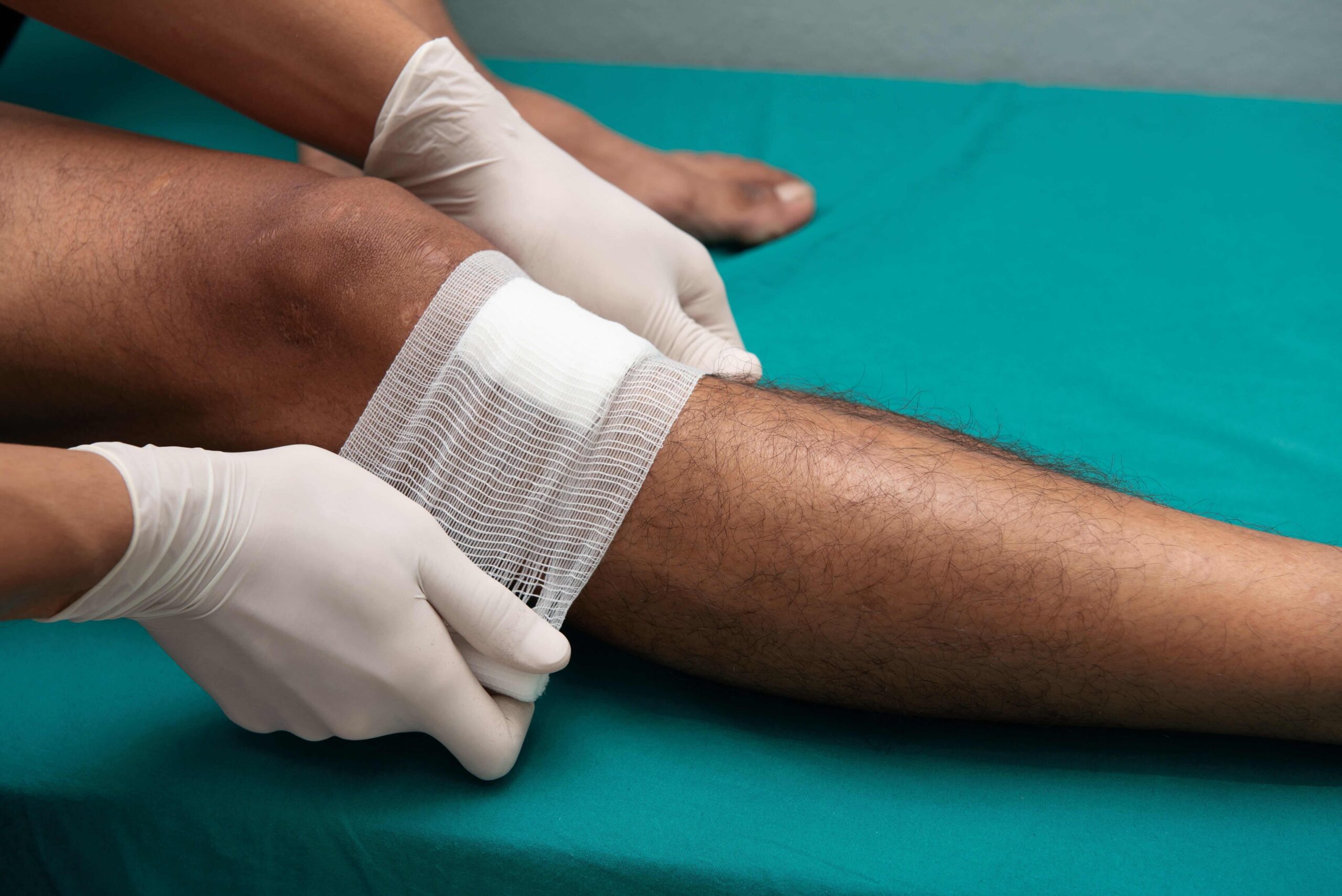
Once a diagnosis has been made, a customized treatment plan can be developed. Treatment for venous ulcers largely depends on the severity and location of the wound, however, compression therapy is the most common approach. Compression therapy adds pressure with wraps or bandages, allowing the veins to loosen which in turn decreases venous pressure, reduces edema, as well as improves blood flow.

In addition to compression therapy, your wound care specialist might recommend other treatment approaches such as:

With proper treatment full recovery from venous ulcers is possible. That said, having a venous ulcer makes it more likely to come back in the future so it is crucial to follow any wound care recommendations given to you.

How to Prevent Venous Ulcers

If you are at risk of developing venous ulcers it’s important to stay educated on what you can do to help prevent them from occurring. This is even more important if you have experienced an ulcer before. Your wound specialist can offer lifestyle changes and daily routines but there are a few steps you can take to help prevent vein issues:

Specialized Wound Care and Management

At West Coast Wound Center, our specialized team of physicians and medical staff are equipped with the expertise to treat a full range of wound types and skin concerns including venous ulcers.

Due to our comprehensive, integrated and holistic approach to wound care; we heal venous wounds 25% faster than other practices.

We are committed to providing the highest quality care to each of our patients in the Fresno and California area and offer the full spectrum of wound care and management.

Book an appointment today and let us show you how we can help heal your wounds and take back your life.

[/fusion_text][/fusion_builder_column][fusion_builder_column type=”1_3″ layout=”1_3″ spacing=”” center_content=”no” link=”” target=”_self” min_height=”” hide_on_mobile=”small-visibility,medium-visibility,large-visibility” class=”” id=”” hover_type=”none” border_color=”” border_style=”solid” border_position=”all” border_radius=”” box_shadow=”no” dimension_box_shadow=”” box_shadow_blur=”0″ box_shadow_spread=”0″ box_shadow_color=”” box_shadow_style=”” padding_top=”” padding_right=”” padding_bottom=”” padding_left=”” margin_top=”” margin_bottom=”” background_type=”single” gradient_start_color=”” gradient_end_color=”” gradient_start_position=”0″ gradient_end_position=”100″ gradient_type=”linear” radial_direction=”center center” linear_angle=”180″ background_color=”” background_image=”” background_image_id=”” background_position=”left top” background_repeat=”no-repeat” background_blend_mode=”none” animation_type=”” animation_direction=”left” animation_speed=”0.3″ animation_offset=”” filter_type=”regular” filter_hue=”0″ filter_saturation=”100″ filter_brightness=”100″ filter_contrast=”100″ filter_invert=”0″ filter_sepia=”0″ filter_opacity=”100″ filter_blur=”0″ filter_hue_hover=”0″ filter_saturation_hover=”100″ filter_brightness_hover=”100″ filter_contrast_hover=”100″ filter_invert_hover=”0″ filter_sepia_hover=”0″ filter_opacity_hover=”100″ filter_blur_hover=”0″ last=”true” border_sizes_top=”0″ border_sizes_bottom=”0″ border_sizes_left=”0″ border_sizes_right=”0″ first=”false” spacing_left=”1.3333333333333333%”][fusion_widget_area name=”avada-blog-sidebar” title_size=”” title_color=”” background_color=”” padding_top=”” padding_right=”” padding_bottom=”” padding_left=”” hide_on_mobile=”small-visibility,medium-visibility,large-visibility” class=”” id=”” /][/fusion_builder_column][/fusion_builder_row][/fusion_builder_container]

[fusion_builder_container hundred_percent=”no” equal_height_columns=”no” menu_anchor=”” hide_on_mobile=”small-visibility,medium-visibility,large-visibility” class=”” id=”” background_color=”” background_image=”” background_position=”center center” background_repeat=”no-repeat” fade=”no” background_parallax=”none” parallax_speed=”0.3″ video_mp4=”” video_webm=”” video_ogv=”” video_url=”” video_aspect_ratio=”16:9″ video_loop=”yes” video_mute=”yes” overlay_color=”” video_preview_image=”” border_color=”” border_style=”solid” padding_top=”” padding_bottom=”” padding_left=”” padding_right=”” type=”legacy” admin_toggled=”no”][fusion_builder_row][fusion_builder_column type=”2_3″ layout=”1_1″ background_position=”left top” background_color=”” border_color=”” border_style=”solid” border_position=”all” spacing=”yes” background_image=”” background_repeat=”no-repeat” padding_top=”” padding_right=”” padding_bottom=”” padding_left=”” margin_top=”0px” margin_bottom=”0px” class=”” id=”” animation_type=”” animation_speed=”0.3″ animation_direction=”left” hide_on_mobile=”small-visibility,medium-visibility,large-visibility” center_content=”no” last=”false” min_height=”” hover_type=”none” link=”” border_sizes_top=”” border_sizes_bottom=”” border_sizes_left=”” border_sizes_right=”” first=”true” spacing_right=”2.6666666666666665%”][fusion_text columns=”” column_min_width=”” column_spacing=”” rule_style=”default” rule_size=”” rule_color=”” content_alignment_medium=”” content_alignment_small=”” content_alignment=”” hide_on_mobile=”small-visibility,medium-visibility,large-visibility” sticky_display=”normal,sticky” class=”” id=”” margin_top=”” margin_right=”” margin_bottom=”” margin_left=”” font_size=”” fusion_font_family_text_font=”” fusion_font_variant_text_font=”” line_height=”” letter_spacing=”” text_color=”” animation_type=”” animation_direction=”left” animation_speed=”0.3″ animation_offset=””]

For many individuals, wound healing is a natural process, however, for others, it’s not that easy. Non-healing wounds are a common occurrence that impact the health and quality of life for many. In fact, it’s estimated that in the U.S. about 6.5 million patients suffer from chronic wounds. Without proper treatment, these slow-healing wounds can result in difficult and long-term health problems including extreme pain, loss of function and mobility, and prolonged hospitalization.

What Are Chronic Non-Healing Wounds?

specialist treating a non-healing leg woundA non-healing wound also referred to as a ‘chronic wound’ is a wound that won’t heal after several weeks or months despite adhering to recommended treatments. In most cases, there is a physiologic impairment that slows or prevents healing. Chronic wounds can quickly escalate and become infected. In some cases, if not properly addressed these types of wounds can result in serious conditions and potentially amputation. That is why it is imperative to educate yourself about the nature of non-healing wounds, who is most at risk, and the proper way to treat them.

Types of Non-Healing Wounds

Although many non-healing wounds share common characteristics; there are four main categories of chronic injuries:

1. Pressure ulcers

These types of wounds affect the skin and underlying tissue and are most often a result of prolonged pressure on the skin. For example, if someone is in bed or a chair for an extended amount of time. Pressure ulcers develop gradually and can affect any part of the body. These types of wounds only get worse if not tended to so if you suspect that you or someone you are caring for has a pressure ulcer it’s important to speak to a healthcare professional or wound care specialist as soon as possible.

2. Diabetic ulcers

Diabetes makes a person more susceptible to wounds and ulcers. These open wounds are most often found on the legs or bottom of the feet. Research suggests that 15% of those with diabetes will experience diabetic foot ulcers in their lifetime. Due to the effect diabetes can have on the wound healing process this can be very dangerous and lead to serious infection and in some cases even gangrene. In fact, about 6% of those with a diabetic foot ulcer will be hospitalized because of infection or other related issues. Fortunately, diabetic ulcers can be treated by a wound care specialist and in many cases prevented entirely.

3. Venous ulcers

These leg ulcers most often form around the ankles and are caused by damage-related issues with blood circulation in your leg veins. Valves in our legs control blood pressure inside the veins. However, if the blood flow in these veins can’t drop as you walk it causes ulcers to form on the ankles. Other issues with leg veins can also cause venous ulcers such as varicose veins or chronic venous insufficiency. Like other non-healing wounds, venous ulcers require proper care to avoid infection and recover. Healthy habits that encourage blood flow and lifestyle changes can sometimes help prevent the vein problems responsible.

4. Arterial ulcers

Arterial ulcers also referred to as ischemic ulcers are typically caused by damage to the arteries. Our arteries deliver nutrients and oxygen to tissues in the body. When they become blocked, nutrients are unable to flow to the extremities resulting in an open wound that can continue to grow and become infected. Treatment for arterial ulcers involves restoring blood circulation to the injured area.

Non-healing surgical wounds are another type of injury and can occur after surgery when an incision doesn’t heal as expected. Although rare, this can be caused by infection.

What Causes Non-Healing Wounds?

Impaired wound healing is rarely due to one single cause, rather it’s a combination of factors responsible. Some of those contributing factors that can cause non-healing wounds include:

Non-healing wounds can happen to anyone but some are more at risk than others. Those who might be more prone to chronic wounds include:

Symptoms of Non-Healing Wounds

As we discussed, it’s essential to be able to identify the symptoms of non-healing wounds. If you experience any of the below signs make sure to contact a wound care specialist as soon as possible:

Treatment for Non-Healing Wounds

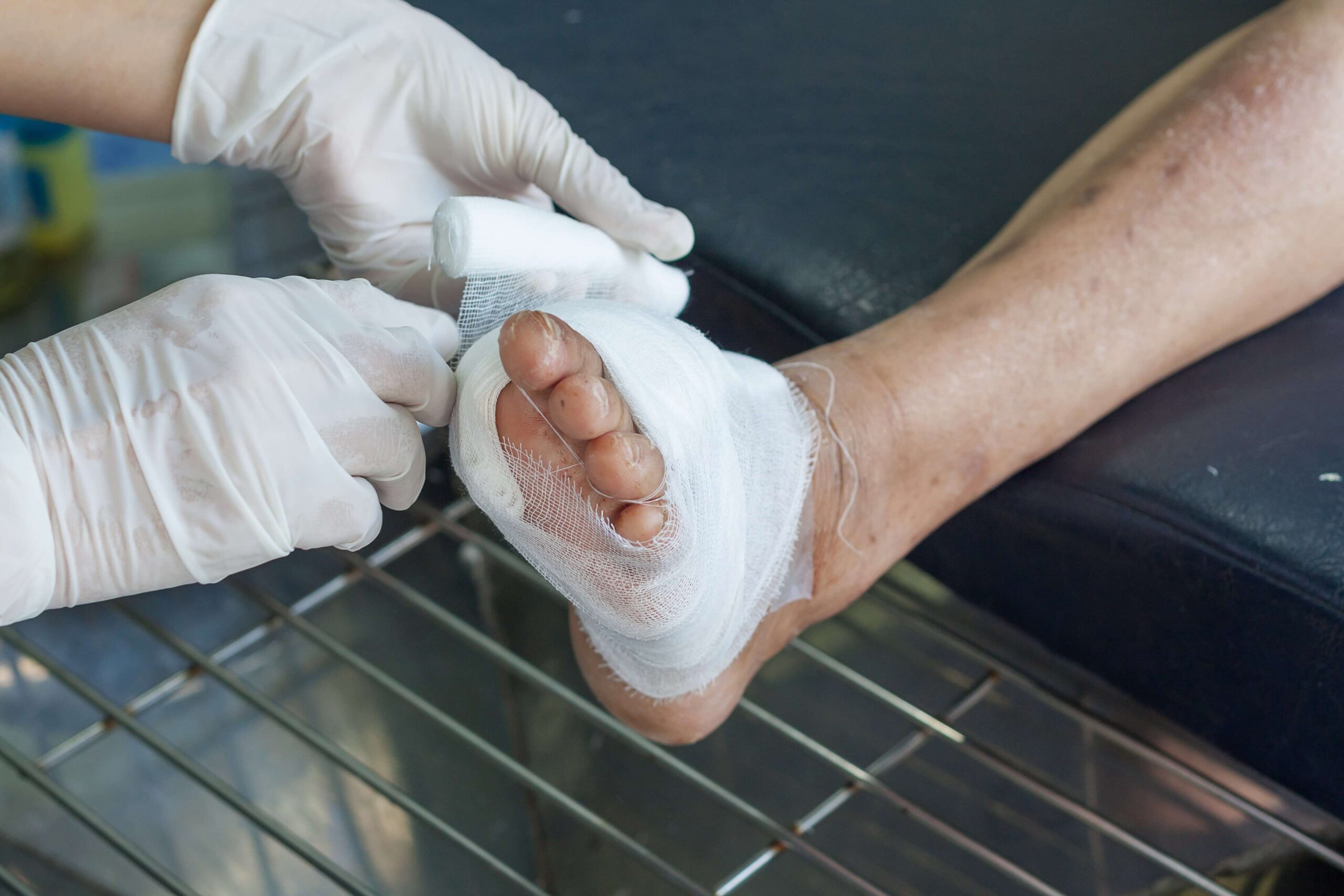
specialist dressing chronic foot woundYour wound care specialist will work with you and recommend the ideal way to treat your non-healing wound or ulcer depending on the severity and type of injury. Treatment typically begins by gathering information about the patient and their wound history. This can help determine the appropriate course of treatment. In many cases, the underlying causes of the wound would first need to be addressed before healing can begin.

That said, below are a few general treatment approaches a wound care specialist might use that can help:

Dressing Non-Healing Wounds

Wound dressing can be especially important to prepare the area for healing and control moisture levels. There are several different types of dressings and each one has unique properties that can impact how fast the wound heals. Unfortunately, there is no one dressing for every type of wound. Your wound care specialist can help determine the right type of dressing based on your individual circumstances, characteristics of the wound as well as the stage of healing.

Specialized Care for Chronic Wounds and Injuries

At our wound care center in Fresno, we are committed to providing high quality care to the patients we serve. From pressure and diabetic ulcers to vascular ulcers and more, our specialized wound care physicians and medical staff are equipped with the expertise in treating the full range of wound types and skin issues.

We pride ourselves in providing the full spectrum of wound care, including advanced therapies, such as debridement, biopsies, skin scrapings, cryotherapy, destruction of tissue, skin substitutes, compression devices, and more. Make an appointment at Wound Coast Wound and Skin Care today and let us help you heal and restore your quality of life.

If you are unable to come to our wound care center, our specialized staff will come to you wherever you reside.

[/fusion_text][/fusion_builder_column][fusion_builder_column type=”1_3″ layout=”1_3″ spacing=”” center_content=”no” link=”” target=”_self” min_height=”” hide_on_mobile=”small-visibility,medium-visibility,large-visibility” class=”” id=”” hover_type=”none” border_color=”” border_style=”solid” border_position=”all” border_radius=”” box_shadow=”no” dimension_box_shadow=”” box_shadow_blur=”0″ box_shadow_spread=”0″ box_shadow_color=”” box_shadow_style=”” padding_top=”” padding_right=”” padding_bottom=”” padding_left=”” margin_top=”” margin_bottom=”” background_type=”single” gradient_start_color=”” gradient_end_color=”” gradient_start_position=”0″ gradient_end_position=”100″ gradient_type=”linear” radial_direction=”center center” linear_angle=”180″ background_color=”” background_image=”” background_image_id=”” background_position=”left top” background_repeat=”no-repeat” background_blend_mode=”none” animation_type=”” animation_direction=”left” animation_speed=”0.3″ animation_offset=”” filter_type=”regular” filter_hue=”0″ filter_saturation=”100″ filter_brightness=”100″ filter_contrast=”100″ filter_invert=”0″ filter_sepia=”0″ filter_opacity=”100″ filter_blur=”0″ filter_hue_hover=”0″ filter_saturation_hover=”100″ filter_brightness_hover=”100″ filter_contrast_hover=”100″ filter_invert_hover=”0″ filter_sepia_hover=”0″ filter_opacity_hover=”100″ filter_blur_hover=”0″ last=”true” border_sizes_top=”0″ border_sizes_bottom=”0″ border_sizes_left=”0″ border_sizes_right=”0″ first=”false” spacing_left=”1.3333333333333333%”][fusion_widget_area name=”avada-blog-sidebar” title_size=”” title_color=”” background_color=”” padding_top=”” padding_right=”” padding_bottom=”” padding_left=”” hide_on_mobile=”small-visibility,medium-visibility,large-visibility” class=”” id=”” /][/fusion_builder_column][/fusion_builder_row][/fusion_builder_container]

[fusion_builder_container hundred_percent=”no” hundred_percent_height=”no” hundred_percent_height_scroll=”no” hundred_percent_height_center_content=”yes” equal_height_columns=”no” menu_anchor=”” hide_on_mobile=”small-visibility,medium-visibility,large-visibility” status=”published” publish_date=”” class=”” id=”” link_color=”” link_hover_color=”” border_color=”” border_style=”solid” margin_top=”” margin_bottom=”” padding_top=”” padding_right=”” padding_bottom=”” padding_left=”” gradient_start_color=”” gradient_end_color=”” gradient_start_position=”0″ gradient_end_position=”100″ gradient_type=”linear” radial_direction=”center center” linear_angle=”180″ background_color=”” background_image=”” background_position=”center center” background_repeat=”no-repeat” fade=”no” background_parallax=”none” enable_mobile=”no” parallax_speed=”0.3″ background_blend_mode=”none” video_mp4=”” video_webm=”” video_ogv=”” video_url=”” video_aspect_ratio=”16:9″ video_loop=”yes” video_mute=”yes” video_preview_image=”” filter_hue=”0″ filter_saturation=”100″ filter_brightness=”100″ filter_contrast=”100″ filter_invert=”0″ filter_sepia=”0″ filter_opacity=”100″ filter_blur=”0″ filter_hue_hover=”0″ filter_saturation_hover=”100″ filter_brightness_hover=”100″ filter_contrast_hover=”100″ filter_invert_hover=”0″ filter_sepia_hover=”0″ filter_opacity_hover=”100″ filter_blur_hover=”0″ type=”legacy”][fusion_builder_row][fusion_builder_column type=”1_1″ layout=”1_1″ spacing=”” center_content=”no” link=”” target=”_self” min_height=”” hide_on_mobile=”small-visibility,medium-visibility,large-visibility” class=”” id=”” hover_type=”none” border_color=”” border_style=”solid” border_position=”all” border_radius=”” box_shadow=”no” dimension_box_shadow=”” box_shadow_blur=”0″ box_shadow_spread=”0″ box_shadow_color=”” box_shadow_style=”” padding_top=”” padding_right=”” padding_bottom=”” padding_left=”” margin_top=”” margin_bottom=”” background_type=”single” gradient_start_color=”” gradient_end_color=”” gradient_start_position=”0″ gradient_end_position=”100″ gradient_type=”linear” radial_direction=”center center” linear_angle=”180″ background_color=”” background_image=”” background_image_id=”” background_position=”left top” background_repeat=”no-repeat” background_blend_mode=”none” animation_type=”” animation_direction=”left” animation_speed=”0.3″ animation_offset=”” filter_type=”regular” filter_hue=”0″ filter_saturation=”100″ filter_brightness=”100″ filter_contrast=”100″ filter_invert=”0″ filter_sepia=”0″ filter_opacity=”100″ filter_blur=”0″ filter_hue_hover=”0″ filter_saturation_hover=”100″ filter_brightness_hover=”100″ filter_contrast_hover=”100″ filter_invert_hover=”0″ filter_sepia_hover=”0″ filter_opacity_hover=”100″ filter_blur_hover=”0″ last=”true” border_sizes_top=”0″ border_sizes_bottom=”0″ border_sizes_left=”0″ border_sizes_right=”0″ first=”true” type=”1_1″][/fusion_builder_column][fusion_builder_column type=”2_3″ layout=”2_3″ spacing=”” center_content=”no” link=”” target=”_self” min_height=”” hide_on_mobile=”small-visibility,medium-visibility,large-visibility” class=”” id=”” hover_type=”none” border_color=”” border_style=”solid” border_position=”all” border_radius=”” box_shadow=”no” dimension_box_shadow=”” box_shadow_blur=”0″ box_shadow_spread=”0″ box_shadow_color=”” box_shadow_style=”” padding_top=”” padding_right=”” padding_bottom=”” padding_left=”” margin_top=”” margin_bottom=”” background_type=”single” gradient_start_color=”” gradient_end_color=”” gradient_start_position=”0″ gradient_end_position=”100″ gradient_type=”linear” radial_direction=”center center” linear_angle=”180″ background_color=”” background_image=”” background_image_id=”” background_position=”left top” background_repeat=”no-repeat” background_blend_mode=”none” animation_type=”” animation_direction=”left” animation_speed=”0.3″ animation_offset=”” filter_type=”regular” filter_hue=”0″ filter_saturation=”100″ filter_brightness=”100″ filter_contrast=”100″ filter_invert=”0″ filter_sepia=”0″ filter_opacity=”100″ filter_blur=”0″ filter_hue_hover=”0″ filter_saturation_hover=”100″ filter_brightness_hover=”100″ filter_contrast_hover=”100″ filter_invert_hover=”0″ filter_sepia_hover=”0″ filter_opacity_hover=”100″ filter_blur_hover=”0″ last=”false” border_sizes_top=”0″ border_sizes_bottom=”0″ border_sizes_left=”0″ border_sizes_right=”0″ first=”true” spacing_right=”” type=”2_3″][fusion_text columns=”” column_min_width=”” column_spacing=”” rule_style=”default” rule_size=”” rule_color=”” content_alignment_medium=”” content_alignment_small=”” content_alignment=”left” hide_on_mobile=”small-visibility,medium-visibility,large-visibility” sticky_display=”normal,sticky” class=”” id=”” font_size=”” fusion_font_family_text_font=”” fusion_font_variant_text_font=”” line_height=”” letter_spacing=”” text_color=”” animation_type=”” animation_direction=”left” animation_speed=”0.3″ animation_offset=””]

VENOUS WOUNDS TRAINING VIDEO

[/fusion_text][fusion_video video=”https://westcoastwound.com/wcw-training-videos/venous-wounds.mp4″ video_webm=”” width=”” controls=”yes” preload=”metadata” loop=”no” autoplay=”no” mute=”no” preview_image=”https://westcoastwound.com/wp-content/uploads/2020/07/venous-wounds.jpg” hide_on_mobile=”small-visibility,medium-visibility,large-visibility” class=”” css_id=”” overlay_color=”” border_radius_top_left=”” border_radius_top_right=”” border_radius_bottom_right=”” border_radius_bottom_left=”” box_shadow=”no” box_shadow_vertical=”” box_shadow_horizontal=”” box_shadow_blur=”0″ box_shadow_spread=”0″ box_shadow_color=”” alignment=”” margin_top=”” margin_bottom=”” /][/fusion_builder_column][fusion_global id=”1431″][/fusion_builder_row][/fusion_builder_container]