[fusion_builder_container hundred_percent=”no” equal_height_columns=”no” menu_anchor=”” hide_on_mobile=”small-visibility,medium-visibility,large-visibility” class=”” id=”” background_color=”” background_image=”” background_position=”center center” background_repeat=”no-repeat” fade=”no” background_parallax=”none” parallax_speed=”0.3″ video_mp4=”” video_webm=”” video_ogv=”” video_url=”” video_aspect_ratio=”16:9″ video_loop=”yes” video_mute=”yes” overlay_color=”” video_preview_image=”” border_color=”” border_style=”solid” padding_top=”” padding_bottom=”” padding_left=”” padding_right=”” type=”legacy” admin_toggled=”no”][fusion_builder_row][fusion_builder_column type=”2_3″ layout=”1_1″ background_position=”left top” background_color=”” border_color=”” border_style=”solid” border_position=”all” spacing=”yes” background_image=”” background_repeat=”no-repeat” padding_top=”” padding_right=”” padding_bottom=”” padding_left=”” margin_top=”0px” margin_bottom=”0px” class=”” id=”” animation_type=”” animation_speed=”0.3″ animation_direction=”left” hide_on_mobile=”small-visibility,medium-visibility,large-visibility” center_content=”no” last=”false” min_height=”” hover_type=”none” link=”” border_sizes_top=”” border_sizes_bottom=”” border_sizes_left=”” border_sizes_right=”” first=”true” spacing_right=”2.6666666666666665%”][fusion_text columns=”” column_min_width=”” column_spacing=”” rule_style=”default” rule_size=”” rule_color=”” content_alignment_medium=”” content_alignment_small=”” content_alignment=”” hide_on_mobile=”small-visibility,medium-visibility,large-visibility” sticky_display=”normal,sticky” class=”” id=”” margin_top=”” margin_right=”” margin_bottom=”” margin_left=”” font_size=”” fusion_font_family_text_font=”” fusion_font_variant_text_font=”” line_height=”” letter_spacing=”” text_color=”” animation_type=”” animation_direction=”left” animation_speed=”0.3″ animation_offset=””]
If you have diabetes, your body functions a bit differently than people who don’t have diabetes. As a diabetic, your body either does not produce insulin naturally, or is unable to use it properly. This may lead to the need to test your blood sugar often and use artificial insulin. However, it also means that wounds might not heal as quickly or effectively as they would in a body without diabetes.
If you or someone you know is suffering from diabetes, it’s crucial to understand how it can affect wound healing and be aware of the importance of proper wound care and management. Diabetic wounds that are not taken care of can quickly progress into an infection which can result in serious complications such as required surgery, foot ulcers, or even amputation.
Generally, there are four stages of wound healing:
The foundation for new tissue is red blood cells. These blood cells then create collagen, which in turn becomes new tissue. Once this new tissue is formed it leads to new skin growing over the tissue. At the point that the wound finally heals, the edges then pull inward and the wound will begin to get smaller.
Unfortunately, Diabetes is a common problem in this country. In fact, according to recent data from the Centers for Disease Control and Prevention (CDC) 28.7 million people in the United States have been diagnosed with diabetes. Due to the nature of the disease, many of these individuals will develop wounds that heal slowly, improperly, or won’t heal at all. Without proper medical attention, this can result in wound infection among other serious health issues.
Let’s take a look at how diabetes impacts wound healing, how the disease makes the recovery process more difficult, and what you can do to help if you or a loved one is diabetic and has suffered a serious wound.
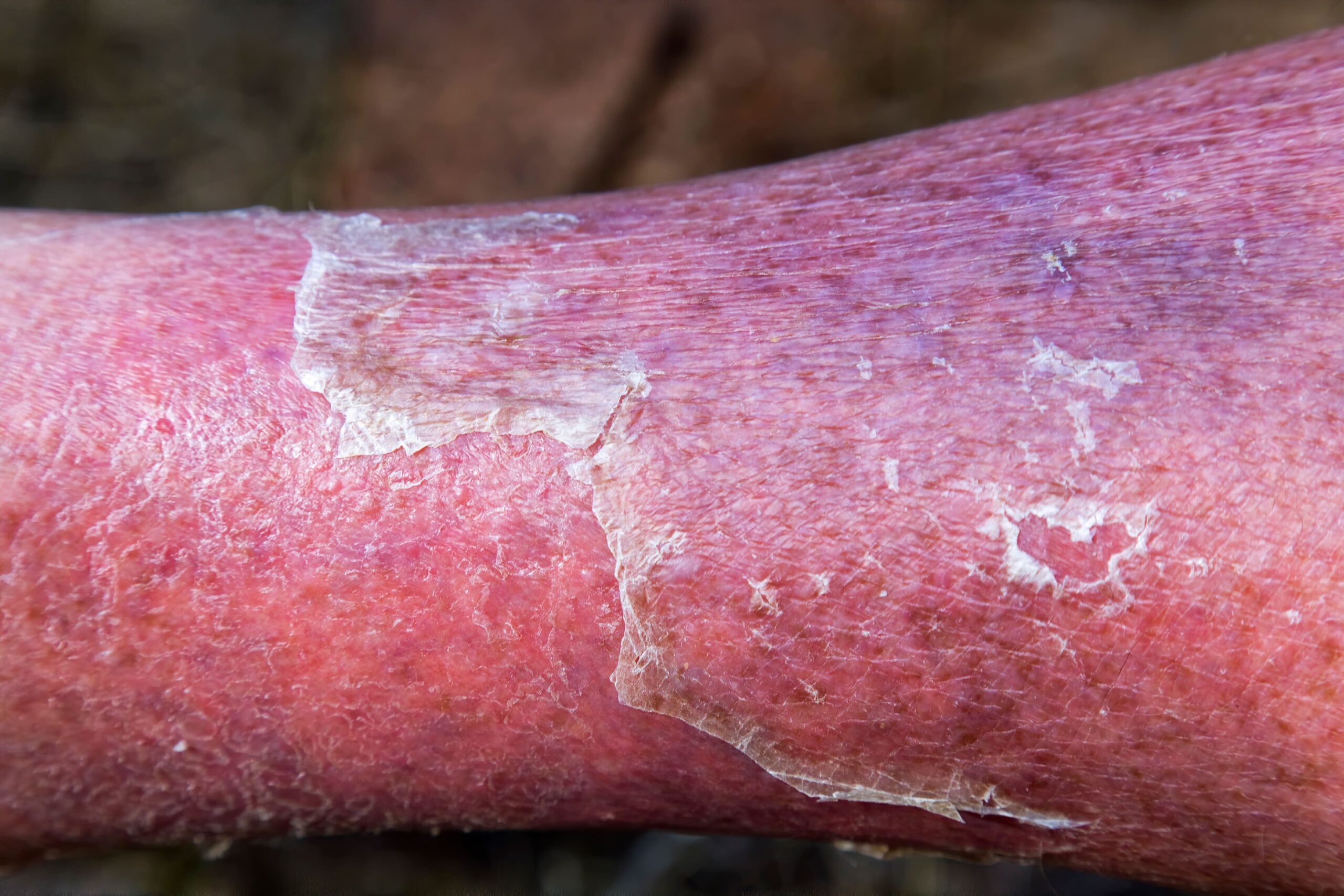
During the second stage of healing, wounds are inflamed. However, when diabetic wounds heal, sometimes this stage can take too long; resulting in the wound becoming “chronic”. A wound is considered chronic when it lasts for six months or longer.
Because diabetes limits the body from handling glucose, one of the most important things that diabetics need to worry about is maintaining a healthy blood sugar level. Blood sugar levels are a major determining factor in how efficiently your wounds heal. When these levels are too high, in people with diabetes, for example, it can interfere with how the immune system functions, prevent nutrients and oxygen from energizing cells, and increase inflammation. All of which, can interfere with efficient wound healing.
High blood glucose can also cause the arteries to become stiff, which can lead to narrow blood vessels and diabetic neuropathy. Diabetic neuropathy occurs when nerves become damaged all over the body. It causes tingling and numbness in the limbs, which makes it difficult to be aware of whether or not you are injured. This can lead to new wounds and complications in overall healing.
In light of that, it’s important for diabetics to check their skin often, especially the bottom of the feet. The legs and feet are most commonly affected by diabetic neuropathy.
Additional Tip: People who suffer from diabetic neuropathy should ensure they wear shoes that fit properly and avoid cuts, blisters, and any type of activity that may cause ulcers.
Wounds heal much quicker when there is a good circulation of blood throughout the body. Diabetics typically have poor circulation due to narrowed blood vessels and are more likely to develop poor circulation conditions like peripheral vascular disease. The reduced oxygen in those suffering from diabetes can result in slower tissue development and in turn, wound healing.
High blood sugar levels decrease red and white blood cell function, which reduces nutrients being sent to the wound site to fight infections. This is also due to a diabetic body producing certain hormones that make the immune system less effective. If your immune system isn’t functioning correctly, it can slow wound healing and because the body can have a difficult time fighting off bacteria it can put you at greater risk of infection.
Additional Tip: Some doctors recommend wearing white socks at all times in order to be able to see any blood or pus if an injury occurs. This can help alert you if there are cuts, blisters, or another type of wound.
Diabetic patients have a slower movement of white blood cells than the average person. This means that there is less of an immune response, which leaves wounds to be more inflamed. This combined with numbness from neuropathy can lead to the wound getting worse.
As referenced above, with an open wound that heals slower than it normally would, there is an increased chance of infection. This often leads to higher rates of gangrene, sepsis, and infections like osteomyelitis. Out of all of the limbs amputated each year, diabetic ulcers are the number one cause.
If not carefully monitored and treated, wounds can be very serious and quickly lead to infection. Fortunately, wound care specialists are trained and equipped with the expertise to help ensure wounds are cared for properly and healed efficiently. If you get a diabetic ulcer or are unsure of a wound it’s important to see a medical professional as soon as possible. Especially if the wound isn’t healing or infection has started to spread.
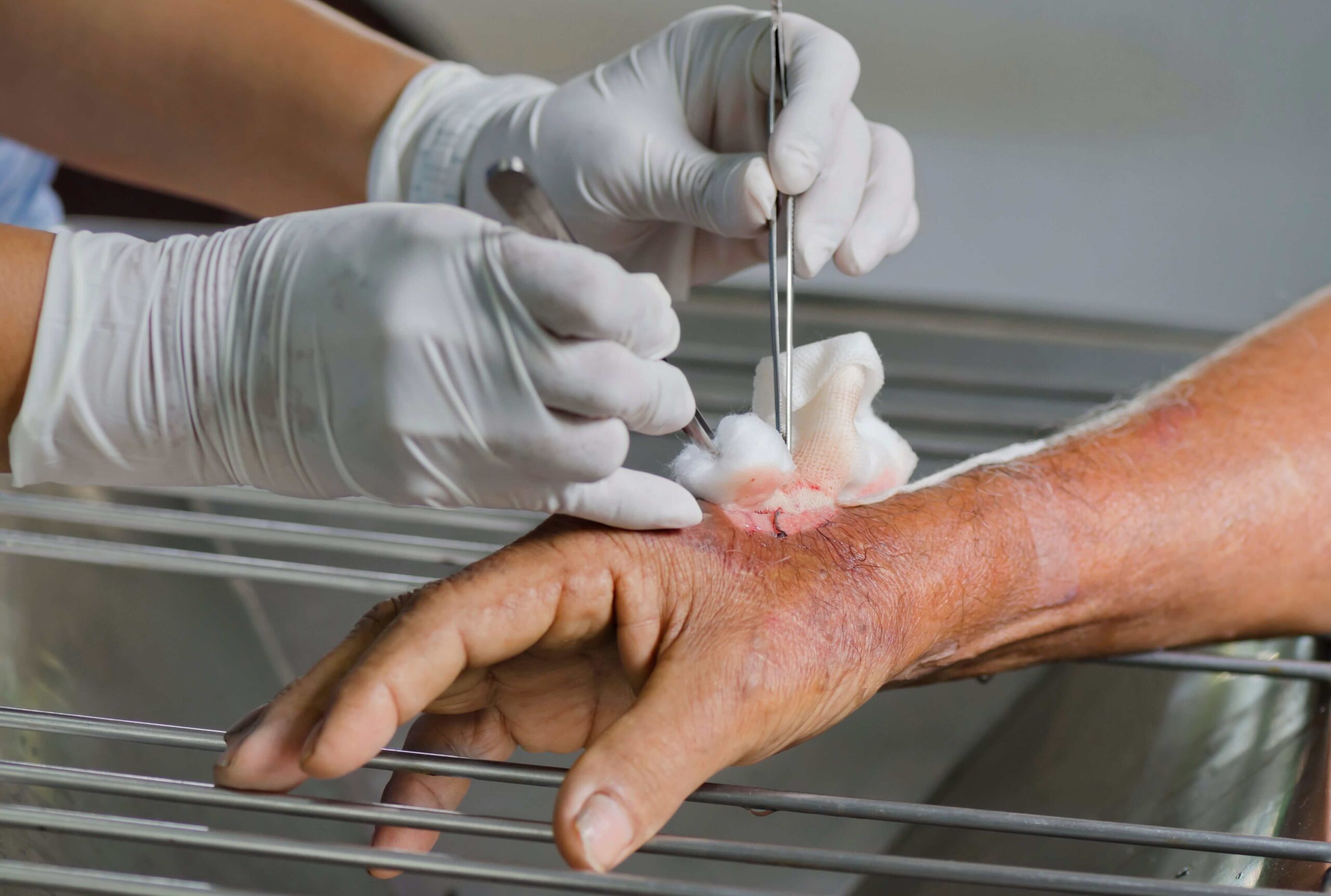
Your wound care specialist will work with you to help prevent the wound from getting bigger and avoid potential infection. They may also conduct debridement which helps remove unhealthy tissue from the wound and facilitate healing.
While most diabetic wounds are better addressed through a specialist, there are a few steps you can take to help the recovery process and even prevent wounds from surfacing:
Wounds can become serious for anyone but it’s even more important for those with diabetes to stay vigilant and ensure you are caring for them properly. If you or a loved one believes they might have a diabetic wound, the wound care specialists at West Coast Wound & Skin Care are here to help. We provide high quality, full spectrum wound care services to patients wherever they reside.
We Heal Diabetic Ulcers 25% Quicker Than Other Practices!
We also welcome you to come visit our new Wound Center in Fresno where our wound care physicians help treat the complete range of wound types and skin concerns including diabetic wounds and ulcers. Contact us today to book an appointment and let us help you get on the path to recovery.
[/fusion_text][/fusion_builder_column][fusion_builder_column type=”1_3″ layout=”1_3″ spacing=”” center_content=”no” link=”” target=”_self” min_height=”” hide_on_mobile=”small-visibility,medium-visibility,large-visibility” class=”” id=”” hover_type=”none” border_color=”” border_style=”solid” border_position=”all” border_radius=”” box_shadow=”no” dimension_box_shadow=”” box_shadow_blur=”0″ box_shadow_spread=”0″ box_shadow_color=”” box_shadow_style=”” padding_top=”” padding_right=”” padding_bottom=”” padding_left=”” margin_top=”” margin_bottom=”” background_type=”single” gradient_start_color=”” gradient_end_color=”” gradient_start_position=”0″ gradient_end_position=”100″ gradient_type=”linear” radial_direction=”center center” linear_angle=”180″ background_color=”” background_image=”” background_image_id=”” background_position=”left top” background_repeat=”no-repeat” background_blend_mode=”none” animation_type=”” animation_direction=”left” animation_speed=”0.3″ animation_offset=”” filter_type=”regular” filter_hue=”0″ filter_saturation=”100″ filter_brightness=”100″ filter_contrast=”100″ filter_invert=”0″ filter_sepia=”0″ filter_opacity=”100″ filter_blur=”0″ filter_hue_hover=”0″ filter_saturation_hover=”100″ filter_brightness_hover=”100″ filter_contrast_hover=”100″ filter_invert_hover=”0″ filter_sepia_hover=”0″ filter_opacity_hover=”100″ filter_blur_hover=”0″ last=”true” border_sizes_top=”0″ border_sizes_bottom=”0″ border_sizes_left=”0″ border_sizes_right=”0″ first=”false” spacing_left=”1.3333333333333333%”][fusion_widget_area name=”avada-blog-sidebar” title_size=”” title_color=”” background_color=”” padding_top=”” padding_right=”” padding_bottom=”” padding_left=”” hide_on_mobile=”small-visibility,medium-visibility,large-visibility” class=”” id=”” /][/fusion_builder_column][/fusion_builder_row][/fusion_builder_container]
When it comes to better wound care, hospitals and skilled nursing facilities (SNFs) often provide critical support in the early stages of treatment. These facilities play a vital role in ensuring comfort, stabilizing conditions, and preventing complications. However, many hospitals and SNFs face challenges they aren’t always equipped to fully heal. That doesn’t mean that you simply have to go without. Through our partnerships with SNFs, we can provide the kind of healing that makes it so that you and yours don’t have to go through readmissions.
Wound healing is a specialized process that requires a blend of advanced techniques, expert oversight, and consistent care. By working alongside SNFs, we’re able to provide focused and holistic wound care services aimed at promoting faster recovery, reducing hospital readmissions, and so much more.
Hospitals excel at treating acute, life-threatening conditions and stabilizing patients in critical moments. Similarly, SNFs provide essential post-acute care, offering support like physical therapy, medication administration, and monitoring. While these institutions are invaluable, their services are often not designed to address the complexities of wound healing.
Wounds, particularly chronic ones, require specialized care plans and long-term strategies that go beyond the immediate scope of most hospitals and SNFs. Key challenges include:
This gap in care can increase the likelihood of patients experiencing complications, delayed healing, and readmissions all of which can be emotionally taxing for patients and financially draining for healthcare systems.
Wound healing requires a deep level of knowledge and experience that is often not available in general healthcare settings. Our team of experts includes specially trained wound care technicians who bring advanced skills to the table. We’re equipped to manage complex conditions such as pressure ulcers, diabetic foot ulcers, and surgical wounds.
By partnering with SNFs, We can bridge the gap in expertise, ensuring that patients receive the focused attention their wounds need. This can significantly improve healing outcomes and reduce the risk of preventable complications.
One of the benefits of our mobile wound care services is the ability to meet patients where they are. For SNFs, this means our technicians can visit patients directly within the facility, offering personalized care without requiring patients to travel.
During on-site visits, our technicians perform detailed assessments, develop tailored treatment plans, and monitor progress through regular follow-ups. Services also include skin sweeps, which help identify new or emerging wounds early on, preventing them from worsening.
The challenge of effective care doesn’t end when a patient is discharged from a hospital or SNF. Many individuals are sent home with instructions to manage wounds independently, but without the right support, these wounds can regress. Whether at home or in outpatient settings, with our care, patients can continue their healing journeys under expert supervision, benefiting from added peace of mind and continuity of care.
Hospital readmissions are often a result of complications or worsening conditions that weren’t fully addressed during initial care. For wounds, this could mean infections, poor healing, or the formation of new pressure ulcers.
By introducing proactive and specialized wound care within SNFs, we can stop that from happening. This not only benefits individual patients by improving their quality of life and accelerating recovery but also helps the broader healthcare system by reducing avoidable hospital stays.
Partnerships between our wound healing techs and SNFs go beyond individual patients. Together, we create a system that supports everyone involved in the care process, including staff, patients, and their families.
Collaborating alleviates some of the burden on overworked SNF staff by giving them access to specialists who can provide specialized types of wound healing that they may not be able to. This allows staff to focus more effectively on their other responsibilities, improving overall efficiency within the facility.
When patients and their families see that SNFs have partnered with dedicated care experts, it reinforces their trust and confidence in the care provided. Trust is a key factor in patient satisfaction and can influence the reputation of the facility.
Our role typically doesn’t stop at clinical care. We can also provide education and resources to SNF staff, helping them better understand best practices for wound prevention and early intervention. This shared knowledge empowers facilities to build a culture of proactive health management.
Since the beginning, our mission has been about so much more than just healing wounds. It’s about fostering a community of care that brings together hospitals, SNFs, and patients to achieve shared goals. This care model emphasizes accessibility, affordability, and holistic healing, ensuring that every patient has the opportunity to recover in the best way possible.
SNFs and hospitals don’t have to go it alone. We offer the specialized expertise and personalized attention necessary to make lasting changes in patient outcomes and healthcare processes. From helping reduce readmissions to delivering peace of mind for families, we’re here to help all involved. To see how we can help you, reach out today.
The new year often brings a renewed focus on health and well-being. If you’re in the Riverside area and dealing with a wound that just won’t heal, it’s time to seek expert care. West Coast Wound and Skin Care provides a comprehensive range of wound care services in Riverside, ensuring that you receive the appropriate treatment for your specific needs.
At West Coast Wound and Skin Care, we believe in a patient-centered approach to chronic wound care. We understand that each wound is unique, and we tailor our treatment plans to meet your individual needs and goals. Our team of experienced wound care specialists utilizes the latest technologies and evidence-based practices to promote optimal healing and prevent complications.

Seeking professional wound care offers several benefits:
This new year, make a resolution to prioritize your health and seek expert care for any non-healing wounds. Early intervention is key to preventing complications and achieving optimal healing.
The National Institutes of Health (NIH) reports that chronic wounds cost the U.S. healthcare system an estimated $25 billion annually.
The Wound Healing Society emphasizes the importance of early intervention and specialized care in the management of chronic wounds.
West Coast Wound and Skin Care is your trusted partner in wound care. Our comprehensive wound care services in Riverside are designed to promote healing, prevent complications, and improve your overall well-being. Don’t let a non-healing wound hold you back. Contact us today to schedule a consultation and start your journey towards healing.
Lymphedema is a chronic condition that impacts the lives of millions of Americans, yet it often remains undiagnosed. Characterized by swelling, pain, and changes to the skin, this disease can reduce overall quality of life and complicate daily activities. At West Coast Wound Care, we specialize in offering in-home care tailored to your specific needs so as to treat your lymphedema. Our treatments are always holistic, treating not just the lymphedema but the entire person.
It is important to understand that lymphedema is not “just swelling.” This condition stems from a compromised lymphatic system, which can lead to skin hardening and impaired immune function. Left untreated, these issues can affect physical health, mental well-being, and even economic stability. Early intervention and practical management strategies are critical in mitigating these challenges and improving outcomes for those living with lymphedema.
The Challenges Lymphedema Presents
Lymphedema presents challenges for so many. However, all too often, it’s either improperly treated or even dismissed. Studies have found that patients “reported substantial delays in (lymphedema) diagnosis and treatment,” while “cancer-related and non-cancer-related lymphedema patients reported similar levels of perceived physician disinterest in lymphedema.” [1]
Even with that, unfortunately, the world is dealing with the “rising prevalence of lymphedema” and that it “affects millions globally.” [2] Here at West Coast Wound Care, we can treat many struggling with lymphedema from the comfort of their homes.

At West Coast Wound Care, we have a proven track record of helping patients reduce swelling and discomfort. Through our comprehensive services, we aim to restore mobility and enhance the overall quality of life.
Our trained techs use socks, sleeves, wraps and other garments to apply pressure that helps move fluid from the tissues back into circulation. This reduces swelling and lowers the risk of complications. These aren’t just great to wear during your treatment, either. You can wear them during daily activities and adjust as needed to maximize their effectiveness.
Performed by certified professionals, this gentle massage technique stimulates the movement of lymph fluid through the body.
Our techs reduce swelling by gently guiding lymph fluid from your tissues to active lymph nodes. We do this by applying light pressure to stimulate the lymphatic system, beginning with specific points in the body, such as the lymph nodes in the neck, armpits, and so forth.
By first addressing areas without swelling, space is created to encourage the movement of congested lymph fluid to these cleared pathways.
After manual lymphatic drainage sessions, our therapists may apply multilayer compression bandages to the affected areas. These bandages use graduated pressure to promote fluid circulation and further reduce swelling.
On the subject of compression, we may use pneumatic compression pumps. These deliver gentle pressure through sleeves that wrap around the affected limbs, encouraging fluid movement and preventing buildup. This has proven to be effective in helping to maintain the progress achieved through other treatments.
Moisturizing and maintaining proper hygiene can prevent dryness, cracks, and irritation that might exacerbate the condition. By keeping the skin healthy, we help patients avoid complications that could lead to more severe issues. We use specialized ointments and creams to protect the skin and reduce the risk of infection.
Keeping the affected limb elevated whenever possible helps counteract the effects of gravity, encouraging fluid to drain from swollen areas. This simple yet effective strategy can be easily incorporated into daily routines to enhance treatment outcomes. Our techs will show you how.
Our therapists guide patients through tailored exercise programs that focus on flexibility, strength, and cardiovascular health. Physical activity stimulates lymphatic drainage and promotes overall circulation.
Aerobic exercises that incorporate deep breathing can further enhance lymph flow while supporting weight management and improving heart health. However, it is essential to pace physical activity appropriately to avoid overexertion. We work closely with each patient to develop a regimen that suits their individual needs and recovery timeline.
Always, we make sure that patients receive comprehensive training on basic self-care techniques. We find that this is one more way we can help our patients take an active role in their recovery and maintain long-term improvements.
While the symptoms of lymphedema cannot be entirely prevented, there are practical steps individuals can take.
For starters, protect your skin and protect yourself. Wearing gloves while gardening or cooking, using lotion to prevent dryness, and treating cuts or burns promptly with antibacterial ointments can all reduce the likelihood of infection. Keeping the affected area clean and moisturized can go a long way, too.
Wearing recommended compression garments can help maintain progress and control swelling. These garments can be part of your daily routine, especially during periods of activity.
Maintaining a healthy weight is another factor that can significantly impact lymphedema symptoms. Excess weight places additional strain on the lymphatic system, exacerbating swelling and discomfort. We encourage patients to adopt balanced diets and incorporate regular exercise into their lives to achieve and sustain a healthy weight. Reducing salt intake can also help, as excessive sodium can lead to fluid retention.
High temperatures can aggravate lymphedema, so wearing protective clothing and sunscreen is advised. Staying hydrated is crucial for keeping lymph fluid moving through the body, further aiding in symptom management.
Lastly, patients should avoid placing undue pressure on the affected area. Loose-fitting clothing, lightweight jewelry, and careful positioning during activities can prevent additional strain. Elevating the limb above heart level when resting can also aid in fluid drainage and reduce swelling.
At West Coast Wound Care, our goal is to empower patients to take control of their lymphedema symptoms. Through personalized treatment plans, education, and ongoing support, we strive to improve the lives of those living with this challenging condition. Whether you are seeking professional care or looking for guidance on self-management techniques, we are here to help you achieve better health and well-being.
That said, we can do much more than just treat lymphedema. Our mobile wound care can help with many other treatments as well. We don’t believe that anyone with lymphedema should have to go to a medical facility every single time they need treatment.
By receiving professional, experienced treatment at home, we’ve found leads to not just better treatment but better integration into the patient’s life. It’s one thing to hear about what you should do at home, it’s something else to have expressly described to you in your home.
To see how our mobile service can treat lymphedema and much more, make an appointment today.
References:
The new year is a time for fresh starts and renewed hope. If you’re living with a chronic wound, it’s an opportunity to take charge of your health and seek the specialized care you need to heal. West Coast Wound and Skin Care offers advanced wound care treatment in San Diego, utilizing the latest technologies and evidence-based practices to help you achieve optimal healing and improve your quality of life.
At West Coast Wound and Skin Care, we understand the physical and emotional challenges that chronic wounds can present. Our compassionate team of wound care specialists is dedicated to providing personalized care and support throughout your healing journey. We combine advanced therapies with a holistic approach to address the underlying causes of your wound and promote long-term healing.
We offer a comprehensive range of wound care treatment options in San Diego, including:

Understanding the underlying causes of chronic wounds is crucial for effective treatment. Some common causes include:
According to the Agency for Healthcare Research and Quality, chronic wounds affect 6.5 million people in the United States.
The Journal of the American Medical Association (JAMA) emphasizes the importance of a multidisciplinary approach to chronic wound care, involving specialists from various medical fields.
This new year, make a commitment to your health and well-being. If you’re struggling with a chronic wound, seek expert care at West Coast Wound and Skin Care in San Diego. Our advanced therapies and personalized approach can help you achieve optimal healing and improve your quality of life.
West Coast Wound and Skin Care is committed to providing the highest quality wound care treatment San Diego. Our advanced therapies and personalized approach can help you achieve optimal healing and improve your quality of life.
[fusion_builder_container hundred_percent=”no” equal_height_columns=”no” menu_anchor=”” hide_on_mobile=”small-visibility,medium-visibility,large-visibility” class=”” id=”” background_color=”” background_image=”” background_position=”center center” background_repeat=”no-repeat” fade=”no” background_parallax=”none” parallax_speed=”0.3″ video_mp4=”” video_webm=”” video_ogv=”” video_url=”” video_aspect_ratio=”16:9″ video_loop=”yes” video_mute=”yes” overlay_color=”” video_preview_image=”” border_color=”” border_style=”solid” padding_top=”” padding_bottom=”” padding_left=”” padding_right=”” type=”legacy” admin_toggled=”no”][fusion_builder_row][fusion_builder_column type=”2_3″ layout=”1_1″ background_position=”left top” background_color=”” border_color=”” border_style=”solid” border_position=”all” spacing=”yes” background_image=”” background_repeat=”no-repeat” padding_top=”” padding_right=”” padding_bottom=”” padding_left=”” margin_top=”0px” margin_bottom=”0px” class=”” id=”” animation_type=”” animation_speed=”0.3″ animation_direction=”left” hide_on_mobile=”small-visibility,medium-visibility,large-visibility” center_content=”no” last=”false” min_height=”” hover_type=”none” link=”” border_sizes_top=”” border_sizes_bottom=”” border_sizes_left=”” border_sizes_right=”” first=”true” spacing_right=”2.6666666666666665%”][fusion_text columns=”” column_min_width=”” column_spacing=”” rule_style=”default” rule_size=”” rule_color=”” content_alignment_medium=”” content_alignment_small=”” content_alignment=”” hide_on_mobile=”small-visibility,medium-visibility,large-visibility” sticky_display=”normal,sticky” class=”” id=”” margin_top=”” margin_right=”” margin_bottom=”” margin_left=”” font_size=”” fusion_font_family_text_font=”” fusion_font_variant_text_font=”” line_height=”” letter_spacing=”” text_color=”” animation_type=”” animation_direction=”left” animation_speed=”0.3″ animation_offset=””]
Diabetic foot ulcers are a significant complication of diabetes, representing a considerable burden on individuals’ health and healthcare systems worldwide. Understanding the stages of diabetic ulcers is crucial for timely intervention and effective management.
A diabetic ulcer is a chronic wound that develops on the feet of individuals with diabetes. These ulcers typically occur on pressure points of the foot, such as the ball of the foot or the heel, and are often preceded by trauma or injury. Due to factors such as neuropathy, peripheral arterial disease, and impaired immune function, individuals with diabetes are more prone to developing foot ulcers. These wounds have a slow healing rate and can lead to severe complications if not properly managed.
Diabetic ulcers are a serious medical condition that can lead to severe complications if left untreated. These ulcers have the potential to become infected, which can result in tissue damage, gangrene, and in severe cases, amputation. Moreover, individuals with diabetes who develop foot ulcers have an increased risk of developing further complications such as osteomyelitis (bone infection) and Charcot foot (a condition characterized by weakening of the bones in the foot). As such, it is essential to take diabetic foot ulcers seriously and seek prompt medical attention at a wound care center if you believe you have one.
Diabetic ulcers progress through distinct stages, each with its own characteristics and implications for treatment. Understanding these stages is essential for wound care specialists to develop appropriate treatment plans and for individuals with diabetes to recognize the severity of their condition.
At this initial stage, the skin may appear intact but is at risk of breaking down due to underlying tissue damage. Common signs may include redness, warmth, and swelling in the affected area. Individuals may also experience pain or discomfort, particularly during walking or pressure on the foot. Pre-ulcerative lesions require prompt intervention to prevent progression to a full-thickness ulcer.
In stage 2, the ulcer extends through the epidermis (outer layer of skin) and into the dermis (deeper layer of skin). The wound may appear shallow, with a pink or red base and minimal drainage. However, infection risk is present, and proper wound care is essential to prevent complications. Offloading pressure from the ulcer site and maintaining a moist wound environment are also critical at this stage.
As the ulcer progresses, it extends deeper into the subcutaneous tissue, potentially exposing tendons, ligaments, or even bones. Stage 3 ulcers are characterized by a crater-like appearance with undermining of the surrounding tissue. Drainage may increase, and signs of infection, such as purulent discharge and foul odor, may be present. Aggressive wound debridement and infection control measures are necessary to facilitate healing and prevent further tissue damage.
In the most severe cases, diabetic ulcers can progress to stage 4, characterized by extensive tissue necrosis and gangrene. At this stage, the risk of limb loss is high, and urgent medical intervention is required. Tissue viability assessment, vascular imaging, and surgical consultation may be necessary to determine the extent of tissue loss and salvageable options.
As referenced above, the symptoms of diabetic foot ulcers may vary depending on the severity and stage of the ulcer. That said, a few common symptoms can include:
It is important to note that individuals with diabetic neuropathy may not experience significant pain or discomfort, even if an ulcer is present. Therefore, regular foot examinations are essential for early detection and intervention.
Several factors contribute to the development of diabetic foot ulcers:
While both diabetic ulcers and arterial ulcers are types of chronic wounds that commonly affect the lower extremities, there are key differences between the two conditions:
Diabetic Ulcer:
Arterial Ulcer:
The treatment of diabetic foot ulcers requires a comprehensive approach aimed at promoting wound healing, preventing infection, and addressing underlying risk factors. The following are key components of diabetic ulcer management:
Prevention is key in reducing the risk of diabetic foot ulcers and their associated complications. Here are a few strategies that can help individuals with diabetes maintain optimal foot health:
Diabetic ulcers represent a significant challenge in the management of individuals with diabetes, requiring timely intervention and comprehensive care to prevent complications. By understanding the stages of diabetic ulcers and implementing appropriate management strategies, wound care specialists can improve outcomes and quality of life for those living with diabetes.
For personalized care and expert management of diabetic ulcers, contact West Coast Wound Center today. Our experienced team is dedicated to providing comprehensive treatment and support to individuals living with diabetes.
Don’t let diabetic ulcers impact your quality of life—reach out to us now to schedule an appointment and take the first step toward healing and recovery.
[/fusion_text][/fusion_builder_column][fusion_builder_column type=”1_3″ layout=”1_3″ spacing=”” center_content=”no” link=”” target=”_self” min_height=”” hide_on_mobile=”small-visibility,medium-visibility,large-visibility” class=”” id=”” hover_type=”none” border_color=”” border_style=”solid” border_position=”all” border_radius=”” box_shadow=”no” dimension_box_shadow=”” box_shadow_blur=”0″ box_shadow_spread=”0″ box_shadow_color=”” box_shadow_style=”” padding_top=”” padding_right=”” padding_bottom=”” padding_left=”” margin_top=”” margin_bottom=”” background_type=”single” gradient_start_color=”” gradient_end_color=”” gradient_start_position=”0″ gradient_end_position=”100″ gradient_type=”linear” radial_direction=”center center” linear_angle=”180″ background_color=”” background_image=”” background_image_id=”” background_position=”left top” background_repeat=”no-repeat” background_blend_mode=”none” animation_type=”” animation_direction=”left” animation_speed=”0.3″ animation_offset=”” filter_type=”regular” filter_hue=”0″ filter_saturation=”100″ filter_brightness=”100″ filter_contrast=”100″ filter_invert=”0″ filter_sepia=”0″ filter_opacity=”100″ filter_blur=”0″ filter_hue_hover=”0″ filter_saturation_hover=”100″ filter_brightness_hover=”100″ filter_contrast_hover=”100″ filter_invert_hover=”0″ filter_sepia_hover=”0″ filter_opacity_hover=”100″ filter_blur_hover=”0″ last=”true” border_sizes_top=”0″ border_sizes_bottom=”0″ border_sizes_left=”0″ border_sizes_right=”0″ first=”false” spacing_left=”1.3333333333333333%”][fusion_widget_area name=”avada-blog-sidebar” title_size=”” title_color=”” background_color=”” padding_top=”” padding_right=”” padding_bottom=”” padding_left=”” hide_on_mobile=”small-visibility,medium-visibility,large-visibility” class=”” id=”” /][/fusion_builder_column][/fusion_builder_row][/fusion_builder_container]
[fusion_builder_container hundred_percent=”no” equal_height_columns=”no” menu_anchor=”” hide_on_mobile=”small-visibility,medium-visibility,large-visibility” class=”” id=”” background_color=”” background_image=”” background_position=”center center” background_repeat=”no-repeat” fade=”no” background_parallax=”none” parallax_speed=”0.3″ video_mp4=”” video_webm=”” video_ogv=”” video_url=”” video_aspect_ratio=”16:9″ video_loop=”yes” video_mute=”yes” overlay_color=”” video_preview_image=”” border_color=”” border_style=”solid” padding_top=”” padding_bottom=”” padding_left=”” padding_right=”” type=”legacy” admin_toggled=”no”][fusion_builder_row][fusion_builder_column type=”2_3″ layout=”1_1″ background_position=”left top” background_color=”” border_color=”” border_style=”solid” border_position=”all” spacing=”yes” background_image=”” background_repeat=”no-repeat” padding_top=”” padding_right=”” padding_bottom=”” padding_left=”” margin_top=”0px” margin_bottom=”0px” class=”” id=”” animation_type=”” animation_speed=”0.3″ animation_direction=”left” hide_on_mobile=”small-visibility,medium-visibility,large-visibility” center_content=”no” last=”false” min_height=”” hover_type=”none” link=”” border_sizes_top=”” border_sizes_bottom=”” border_sizes_left=”” border_sizes_right=”” first=”true” spacing_right=”2.6666666666666665%”][fusion_text columns=”” column_min_width=”” column_spacing=”” rule_style=”default” rule_size=”” rule_color=”” content_alignment_medium=”” content_alignment_small=”” content_alignment=”” hide_on_mobile=”small-visibility,medium-visibility,large-visibility” sticky_display=”normal,sticky” class=”” id=”” margin_top=”” margin_right=”” margin_bottom=”” margin_left=”” font_size=”” fusion_font_family_text_font=”” fusion_font_variant_text_font=”” line_height=”” letter_spacing=”” text_color=”” animation_type=”” animation_direction=”left” animation_speed=”0.3″ animation_offset=””]
Cellulitis is a common bacterial skin infection that can affect individuals of all ages. Characterized by redness, swelling, and warmth in the affected area, cellulitis requires prompt and appropriate wound care to prevent complications. In this comprehensive guide, we’ll explore the best practices for caring for cellulitis wounds, with insights from the experts at West Coast Wound Center.
Cellulitis is often caused by bacteria entering the skin through a cut, scrape, or other breaks in the skin’s surface. Common bacteria responsible for cellulitis include Streptococcus and Staphylococcus. Early recognition and proper wound care are crucial to prevent the infection from spreading and causing more severe complications.
Before diving into wound care, it’s important to recognize the symptoms of cellulitis. Keep an eye out for:
If you notice these symptoms, it’s vital to seek medical attention at a wound care center promptly.
Cellulitis in the lower leg is a common occurrence, often associated with compromised skin integrity in the area. It can result from injuries, cuts, or skin conditions. Extra care is needed in managing cellulitis on the lower leg due to the risk of complications.
While cellulitis itself is not directly contagious, the bacteria causing it can be. It spreads through direct contact with an infected person or contaminated surfaces. Maintaining good hygiene and avoiding contact with affected areas can help prevent its spread.
While cellulitis is usually treatable with antibiotics, complications can arise if left untreated. In severe cases, the infection may spread to the bloodstream or deeper tissues, leading to more serious conditions. Fast medical attention is crucial to prevent potential dangers.
The elderly are more susceptible to cellulitis due to factors such as weakened immune systems and fragile skin. Special attention is required in managing cellulitis among older individuals to ensure effective treatment and prevent complications.
Upon suspecting cellulitis, consult a wound care specialist for a proper diagnosis and treatment plan. At West Coast Wound Center, we emphasize the importance of early intervention to prevent complications such as abscess formation or the spread of infection to the bloodstream.
Once diagnosed, proper wound care becomes a crucial aspect of managing cellulitis. Here are a few techniques and tips recommended by the experts at West Coast Wound Center:
Caring for cellulitis wounds requires a proactive and comprehensive approach. By following these guidelines, individuals can effectively manage cellulitis, promote healing, and reduce the risk of complications. If you suspect cellulitis or experience worsening symptoms, the specialized team at West Coast Wound Center is here to help; offering personalized advice and effective treatment. Remember, early intervention is key to a successful recovery.
[/fusion_text][/fusion_builder_column][fusion_builder_column type=”1_3″ layout=”1_3″ spacing=”” center_content=”no” link=”” target=”_self” min_height=”” hide_on_mobile=”small-visibility,medium-visibility,large-visibility” class=”” id=”” hover_type=”none” border_color=”” border_style=”solid” border_position=”all” border_radius=”” box_shadow=”no” dimension_box_shadow=”” box_shadow_blur=”0″ box_shadow_spread=”0″ box_shadow_color=”” box_shadow_style=”” padding_top=”” padding_right=”” padding_bottom=”” padding_left=”” margin_top=”” margin_bottom=”” background_type=”single” gradient_start_color=”” gradient_end_color=”” gradient_start_position=”0″ gradient_end_position=”100″ gradient_type=”linear” radial_direction=”center center” linear_angle=”180″ background_color=”” background_image=”” background_image_id=”” background_position=”left top” background_repeat=”no-repeat” background_blend_mode=”none” animation_type=”” animation_direction=”left” animation_speed=”0.3″ animation_offset=”” filter_type=”regular” filter_hue=”0″ filter_saturation=”100″ filter_brightness=”100″ filter_contrast=”100″ filter_invert=”0″ filter_sepia=”0″ filter_opacity=”100″ filter_blur=”0″ filter_hue_hover=”0″ filter_saturation_hover=”100″ filter_brightness_hover=”100″ filter_contrast_hover=”100″ filter_invert_hover=”0″ filter_sepia_hover=”0″ filter_opacity_hover=”100″ filter_blur_hover=”0″ last=”true” border_sizes_top=”0″ border_sizes_bottom=”0″ border_sizes_left=”0″ border_sizes_right=”0″ first=”false” spacing_left=”1.3333333333333333%”][fusion_widget_area name=”avada-blog-sidebar” title_size=”” title_color=”” background_color=”” padding_top=”” padding_right=”” padding_bottom=”” padding_left=”” hide_on_mobile=”small-visibility,medium-visibility,large-visibility” class=”” id=”” /][/fusion_builder_column][/fusion_builder_row][/fusion_builder_container]
[fusion_builder_container hundred_percent=”no” equal_height_columns=”no” menu_anchor=”” hide_on_mobile=”small-visibility,medium-visibility,large-visibility” class=”” id=”” background_color=”” background_image=”” background_position=”center center” background_repeat=”no-repeat” fade=”no” background_parallax=”none” parallax_speed=”0.3″ video_mp4=”” video_webm=”” video_ogv=”” video_url=”” video_aspect_ratio=”16:9″ video_loop=”yes” video_mute=”yes” overlay_color=”” video_preview_image=”” border_color=”” border_style=”solid” padding_top=”” padding_bottom=”” padding_left=”” padding_right=”” type=”legacy” admin_toggled=”no”][fusion_builder_row][fusion_builder_column type=”2_3″ layout=”1_1″ background_position=”left top” background_color=”” border_color=”” border_style=”solid” border_position=”all” spacing=”yes” background_image=”” background_repeat=”no-repeat” padding_top=”” padding_right=”” padding_bottom=”” padding_left=”” margin_top=”0px” margin_bottom=”0px” class=”” id=”” animation_type=”” animation_speed=”0.3″ animation_direction=”left” hide_on_mobile=”small-visibility,medium-visibility,large-visibility” center_content=”no” last=”false” min_height=”” hover_type=”none” link=”” border_sizes_top=”” border_sizes_bottom=”” border_sizes_left=”” border_sizes_right=”” first=”true” spacing_right=”2.6666666666666665%”][fusion_text columns=”” column_min_width=”” column_spacing=”” rule_style=”default” rule_size=”” rule_color=”” content_alignment_medium=”” content_alignment_small=”” content_alignment=”” hide_on_mobile=”small-visibility,medium-visibility,large-visibility” sticky_display=”normal,sticky” class=”” id=”” margin_top=”” margin_right=”” margin_bottom=”” margin_left=”” font_size=”” fusion_font_family_text_font=”” fusion_font_variant_text_font=”” line_height=”” letter_spacing=”” text_color=”” animation_type=”” animation_direction=”left” animation_speed=”0.3″ animation_offset=””]
Obesity is a growing epidemic around the world, affecting millions of people. The World Health Organization (WHO) reports that since 1975, the global rate of obesity has tripled. Over 1.9 billion adults were overweight in 2016, with over 650 million classified as obese.
This condition not only increases the risk of chronic diseases such as diabetes and heart disease but also can have a significant impact on wound healing. Obesity can delay wound healing, increase the risk of infection, and lead to other complications. In this article, we’ll explore the effects of obesity on wound healing and provide tips for how to help manage wounds in obese patients.
Obesity is characterized by a surplus of body fat to the point where it severely impacts health. The BMI (body mass index), a measurement of body fat based on weight and height, is used to calculate the condition. According to the Centers for Disease Control and Prevention (CDC), a BMI of 30.0 or higher classifies someone as within the obesity range.
Obesity is a significant threat to the community’s health because of its link to a higher risk of many chronic diseases, including stroke, heart disease, diabetes, and multiple kinds of cancer. It can also cause psychological suffering, physical limitations, and a lower overall quality of life.
Genetic, environmental, and behavioral variables among other root causes are all involved in the risk of developing obesity. Sedentary behavior, a calorie-dense diet, heredity, particular drugs, and underlying medical disorders are just a few of the prevalent causes.
Millions of people around the world are affected by obesity, which makes it a serious public health issue. This condition has an impact on both wound healing as well as general health. Before we delve into the impact of obesity on the body’s ability to heal, let’s first explore the physiology of wound healing and why it’s relevant.
Hemostasis, inflammation, proliferation, and remodeling are typically used to classify the stages involved in the wound healing process. As immune cells remove pathogens and debris during inflammation, platelets form clots to stop bleeding during hemostasis. The proliferation stage is characterized by the growth of new tissue, whereas the maturation and remodeling of new tissue characterize the remodeling stage.
Obesity as an inflammatory condition is one of many factors that can easily upset the delicate balance that the wound-healing process depends on.
Obesity affects wound healing in various ways. The excess fat tissue in the body can lead to chronic inflammation, which can slow down the healing process. Inflammation can also impair the immune response, which serves to further delay wound healing. Moreover, body fat or adipose tissue can cause poor circulation, leading to limited blood supply to the wound site. This can reduce the delivery of much needed nutrients and oxygen to the wound, thereby increasing the risk of infection and other complications.
Obesity can also result in other comorbidities, including diabetes and cardiovascular disease, which can impair wound healing. Let’s further break down how obesity can affect some of the physiological processes essential for proper wound healing:
Vascular insufficiency can negatively affect wound healing and play a major role in the development of certain chronic wounds. As adipose tissue grows in those struggling with obesity, it puts added stress on the circulatory system, resulting in vascular insufficiency, inflammation, delayed angiogenesis, and poor oxygenation. All of which can slow wound healing.
The immune system may be compromised by obesity, making it more challenging for the body to fight illnesses. This raises the possibility of wound infections, which can slow healing and cause further problems.
Chronic low-grade inflammation linked to obesity slows the healing of wounds. Overproduction of cytokines because of chronic inflammation can obstruct the healing process.
Obesity decreases blood flow to the wound site, which hinders the delivery of nutrients and oxygen. As a result, the healing process is slowed down, and problems are more likely.
Poor nutrition and malnutrition are frequently linked to obesity, which has been associated with slower wound healing. The healing process depends on proper nutrition, and vitamin and mineral deficits slow down the process.
Recent research has shed further light on the impact of obesity on wound healing.
Obesity and diabetes are closely linked, and both can have a significant impact on wound healing. Obesity can increase the risk of developing type 2 diabetes, a condition characterized by high blood sugar levels. Diabetes can further complicate wound healing, leading to delayed healing, infections, and other complications. In fact, diabetic patients are more likely to develop chronic wounds than non-diabetic patients. The combination of obesity and diabetes can also affect the immune system, making it more challenging for the body to fight infections.
Managing wounds in obese patients with diabetes requires a comprehensive approach that addresses the underlying conditions. Wound care specialists work closely with patients to manage their weight, blood sugar levels, and other underlying conditions such as hypertension and high cholesterol. This may involve dietary changes, medication management, and regular physical activity.
Despite the challenges posed by obesity, several strategies can improve wound healing outcomes in obese patients. Your wound specialist can help outline a treatment plan and lifestyle changes for you to follow.
Unlike other practices, at West Coast Wound Center, we don’t just focus on the wound, but take into consideration the most important factors that affect healing including overall health. We understand the crucial impact obesity and poor nutrition can have on healing and take a holistic and integrated approach to your wound care. We also work closely with each patient’s nutritionist to help optimize the wound healing process.
By addressing the challenges of managing wounds in obese patients, we can improve quality of life and reduce the burden of obesity-related complications. Book an appointment with our specialized team today.
[/fusion_text][/fusion_builder_column][fusion_builder_column type=”1_3″ layout=”1_3″ spacing=”” center_content=”no” link=”” target=”_self” min_height=”” hide_on_mobile=”small-visibility,medium-visibility,large-visibility” class=”” id=”” hover_type=”none” border_color=”” border_style=”solid” border_position=”all” border_radius=”” box_shadow=”no” dimension_box_shadow=”” box_shadow_blur=”0″ box_shadow_spread=”0″ box_shadow_color=”” box_shadow_style=”” padding_top=”” padding_right=”” padding_bottom=”” padding_left=”” margin_top=”” margin_bottom=”” background_type=”single” gradient_start_color=”” gradient_end_color=”” gradient_start_position=”0″ gradient_end_position=”100″ gradient_type=”linear” radial_direction=”center center” linear_angle=”180″ background_color=”” background_image=”” background_image_id=”” background_position=”left top” background_repeat=”no-repeat” background_blend_mode=”none” animation_type=”” animation_direction=”left” animation_speed=”0.3″ animation_offset=”” filter_type=”regular” filter_hue=”0″ filter_saturation=”100″ filter_brightness=”100″ filter_contrast=”100″ filter_invert=”0″ filter_sepia=”0″ filter_opacity=”100″ filter_blur=”0″ filter_hue_hover=”0″ filter_saturation_hover=”100″ filter_brightness_hover=”100″ filter_contrast_hover=”100″ filter_invert_hover=”0″ filter_sepia_hover=”0″ filter_opacity_hover=”100″ filter_blur_hover=”0″ last=”true” border_sizes_top=”0″ border_sizes_bottom=”0″ border_sizes_left=”0″ border_sizes_right=”0″ first=”false” spacing_left=”1.3333333333333333%”][fusion_widget_area name=”avada-blog-sidebar” title_size=”” title_color=”” background_color=”” padding_top=”” padding_right=”” padding_bottom=”” padding_left=”” hide_on_mobile=”small-visibility,medium-visibility,large-visibility” class=”” id=”” /][/fusion_builder_column][/fusion_builder_row][/fusion_builder_container]
[fusion_builder_container hundred_percent=”no” equal_height_columns=”no” menu_anchor=”” hide_on_mobile=”small-visibility,medium-visibility,large-visibility” class=”” id=”” background_color=”” background_image=”” background_position=”center center” background_repeat=”no-repeat” fade=”no” background_parallax=”none” parallax_speed=”0.3″ video_mp4=”” video_webm=”” video_ogv=”” video_url=”” video_aspect_ratio=”16:9″ video_loop=”yes” video_mute=”yes” overlay_color=”” video_preview_image=”” border_color=”” border_style=”solid” padding_top=”” padding_bottom=”” padding_left=”” padding_right=”” type=”legacy” admin_toggled=”no”][fusion_builder_row][fusion_builder_column type=”2_3″ layout=”1_1″ background_position=”left top” background_color=”” border_color=”” border_style=”solid” border_position=”all” spacing=”yes” background_image=”” background_repeat=”no-repeat” padding_top=”” padding_right=”” padding_bottom=”” padding_left=”” margin_top=”0px” margin_bottom=”0px” class=”” id=”” animation_type=”” animation_speed=”0.3″ animation_direction=”left” hide_on_mobile=”small-visibility,medium-visibility,large-visibility” center_content=”no” last=”false” min_height=”” hover_type=”none” link=”” border_sizes_top=”” border_sizes_bottom=”” border_sizes_left=”” border_sizes_right=”” first=”true” spacing_right=”2.6666666666666665%”][fusion_text columns=”” column_min_width=”” column_spacing=”” rule_style=”default” rule_size=”” rule_color=”” content_alignment_medium=”” content_alignment_small=”” content_alignment=”” hide_on_mobile=”small-visibility,medium-visibility,large-visibility” sticky_display=”normal,sticky” class=”” id=”” margin_top=”” margin_right=”” margin_bottom=”” margin_left=”” font_size=”” fusion_font_family_text_font=”” fusion_font_variant_text_font=”” line_height=”” letter_spacing=”” text_color=”” animation_type=”” animation_direction=”left” animation_speed=”0.3″ animation_offset=””]
We all deal with stress at times during our lives. Whether it’s worrying about relationships, work or family, it’s a common human experience that affects us all. With the pandemic and health concerns in the news recently the situation has only gotten worse. While some level of stress is normal and manageable, when it lasts for a long time or becomes chronic it can become a serious issue and even manifest in physical complications. What you might not know is that psychological stress can also have an impact on the immune system and the wound healing process.
It has become widely recognized that psychological stress can affect how the immune system functions and a healthy immune system plays a crucial role in effective wound healing. To understand how this works it’s important to first explore how the body reacts to stress.
When we are in a stressful situation, a small part of the brain (also known as the hypothalamus) puts the body on alert. Our body then releases epinephrine and norepinephrine; the chemicals responsible for our ‘fight or flight’ response. While in certain situations this can be helpful, for example when we are in danger, in others, these chemicals can result in physical complications such as an increase in blood pressure and heart rate.
Another chemical called cortisol is also released which provides the body with additional energy and adrenaline in these situations. Cortisol provides sugar for energy and other substances that help repair tissue while suppressing other systems so the body can focus on responding to stress.
Unfortunately, over time elevations in cortisol can affect the immune system and interfere with the body’s ability to produce cytokines which can be integral during the early stages of the healing process. If stress continues, the body has a more difficult time fighting off toxins and controlling inflammation which is a necessary element to wound healing. This effect was further supported by a clinical study that assessed wound healing progress and cortisol levels in 24 individuals after a small punch biopsy was made.
Although multiple factors can impair wound healing, these (and other) studies clearly indicate the potential impact of stress on the body and its ability to recover efficiently.
The impact of psychological stress can be particularly relevant when someone requires surgery; as depression, anxiety, and pain are common and can result in even more stress. In fact, several studies have uncovered that higher levels of anxiety and depression even before surgery have been associated with poorer outcomes and can affect wound healing.
Further, chronic or slow healing wounds that aren’t properly treated can get worse; resulting in infection and longer hospital stays.
Individuals struggling with diabetes often suffer from slow healing wounds like diabetic foot ulcers. If these are not addressed, these types of wounds can result in serious complications such as amputation. It’s estimated that diabetic foot ulcers are a leading cause of about 80% of lower limb amputations.
A study published in the Journal of Diabetes Science and Technology found an association between stress and relaxation and wound healing in patients with diabetic foot ulcers. They went on to note that while the impact of physiological stress on wound healing hasn’t been explored within the diabetes population specifically, studies have shown that managing stress has a positive effect on those with diabetes.
Another factor to consider here is often people adopt unhealthy ways to cope with psychological stress which can make the situation even worse. Unhealthy behaviors such as smoking, poor diet, and less sleep can certainly play a role in increasing stress levels and impairing the healing process.
Fortunately, including healthy habits and coping strategies in your life when you come across stress can help in preventing it from escalating into a much larger issue. Here are a few tips for dealing with stress and triggers:
At West Coast Wound Center, we understand the potential impact of chronic stress and an unhealthy lifestyle can have on the healing process. Our holistic approach to wound and skin care considers the whole person — body, mind, spirit, and emotions — in the quest for optimal health and wellness. We believe proper healing requires not just treating the wound but the whole person. We work to restore our patients’ quality of life with each healed wound!
[/fusion_text][/fusion_builder_column][fusion_builder_column type=”1_3″ layout=”1_3″ spacing=”” center_content=”no” link=”” target=”_self” min_height=”” hide_on_mobile=”small-visibility,medium-visibility,large-visibility” class=”” id=”” hover_type=”none” border_color=”” border_style=”solid” border_position=”all” border_radius=”” box_shadow=”no” dimension_box_shadow=”” box_shadow_blur=”0″ box_shadow_spread=”0″ box_shadow_color=”” box_shadow_style=”” padding_top=”” padding_right=”” padding_bottom=”” padding_left=”” margin_top=”” margin_bottom=”” background_type=”single” gradient_start_color=”” gradient_end_color=”” gradient_start_position=”0″ gradient_end_position=”100″ gradient_type=”linear” radial_direction=”center center” linear_angle=”180″ background_color=”” background_image=”” background_image_id=”” background_position=”left top” background_repeat=”no-repeat” background_blend_mode=”none” animation_type=”” animation_direction=”left” animation_speed=”0.3″ animation_offset=”” filter_type=”regular” filter_hue=”0″ filter_saturation=”100″ filter_brightness=”100″ filter_contrast=”100″ filter_invert=”0″ filter_sepia=”0″ filter_opacity=”100″ filter_blur=”0″ filter_hue_hover=”0″ filter_saturation_hover=”100″ filter_brightness_hover=”100″ filter_contrast_hover=”100″ filter_invert_hover=”0″ filter_sepia_hover=”0″ filter_opacity_hover=”100″ filter_blur_hover=”0″ last=”true” border_sizes_top=”0″ border_sizes_bottom=”0″ border_sizes_left=”0″ border_sizes_right=”0″ first=”false” spacing_left=”1.3333333333333333%”][fusion_widget_area name=”avada-blog-sidebar” title_size=”” title_color=”” background_color=”” padding_top=”” padding_right=”” padding_bottom=”” padding_left=”” hide_on_mobile=”small-visibility,medium-visibility,large-visibility” class=”” id=”” /][/fusion_builder_column][/fusion_builder_row][/fusion_builder_container]
[fusion_builder_container hundred_percent=”no” equal_height_columns=”no” menu_anchor=”” hide_on_mobile=”small-visibility,medium-visibility,large-visibility” class=”” id=”” background_color=”” background_image=”” background_position=”center center” background_repeat=”no-repeat” fade=”no” background_parallax=”none” parallax_speed=”0.3″ video_mp4=”” video_webm=”” video_ogv=”” video_url=”” video_aspect_ratio=”16:9″ video_loop=”yes” video_mute=”yes” overlay_color=”” video_preview_image=”” border_color=”” border_style=”solid” padding_top=”” padding_bottom=”” padding_left=”” padding_right=”” type=”legacy” admin_toggled=”no”][fusion_builder_row][fusion_builder_column type=”2_3″ layout=”1_1″ background_position=”left top” background_color=”” border_color=”” border_style=”solid” border_position=”all” spacing=”yes” background_image=”” background_repeat=”no-repeat” padding_top=”” padding_right=”” padding_bottom=”” padding_left=”” margin_top=”0px” margin_bottom=”0px” class=”” id=”” animation_type=”” animation_speed=”0.3″ animation_direction=”left” hide_on_mobile=”small-visibility,medium-visibility,large-visibility” center_content=”no” last=”false” min_height=”” hover_type=”none” link=”” border_sizes_top=”” border_sizes_bottom=”” border_sizes_left=”” border_sizes_right=”” first=”true” spacing_right=”2.6666666666666665%”][fusion_text columns=”” column_min_width=”” column_spacing=”” rule_style=”default” rule_size=”” rule_color=”” content_alignment_medium=”” content_alignment_small=”” content_alignment=”” hide_on_mobile=”small-visibility,medium-visibility,large-visibility” sticky_display=”normal,sticky” class=”” id=”” margin_top=”” margin_right=”” margin_bottom=”” margin_left=”” font_size=”” fusion_font_family_text_font=”” fusion_font_variant_text_font=”” line_height=”” letter_spacing=”” text_color=”” animation_type=”” animation_direction=”left” animation_speed=”0.3″ animation_offset=””]
While for minor wounds your body can naturally repair itself and remove dead tissue, for more serious or chronic wounds that’s not always the case. When a wound isn’t healing well on its own or responding to the body’s natural immune system, your doctor may recommend wound debridement to help restart the process.
Wound debridement has been around for more than a decade and has become an integral part of wound management. Wound debridement is the process where a wound care specialist or health care professional removes tissue in order to promote healing and prevent infection. Dead tissue can promote bacteria growth and result in more serious infections. It can also interfere with the growth of healthy tissue. Debridement removes the dead tissue to reduce the risk of further complications and help the healing process.
For acute wounds, the body naturally works to remove dead tissues (a process referred to as autolysis). During the acute inflammatory stage of healing, the body clears out dead tissue and contaminants to allow for healing. However, in chronic wounds, damaged cells get in the way of this process and can require assistance through debridement. Certain conditions such as diabetic ulcers or severe burns can also be good candidates for wound debridement.
While wound debridement can be applied to most types of slow healing wounds, a wound care specialist plays a major role in determining whether wound debridement is needed and what type should be utilized. The process generally starts with a holistic wound care assessment to identify any underlying causes of the wound, anything that could slow the healing process, and establish wound care goals.
Depending on your health, the overall risk of complications, and the severity of the wound, there are a number of methods a specialist may use for debridement. In some cases, multiple approaches may be used. Each type of wound debridement has its own benefits and your specialist will work with you to determine the best way to approach your wound. Some of the types of wound debridement used may include:
In some cases, if you have a deep wound a skin graft may be utilized. Skin grafting involves transplanting a piece of tissue to help blood vessels grow and bond the piece to the affected area.
There are several ways debridement can help a slow healing or chronic wound such as:
While wound debridement is safe, we understand that any type of procedure can be stressful. Being prepared ahead of time and understanding what to expect can help alleviate some of your apprehension. Here are a few tips for how to best prepare yourself before debridement:
How long it takes for your wound to heal will depend on how severe the injury is as well as if you have other health conditions that might impair the recovery process. That said, knowing how to care for your wound after debridement can play a crucial role in healing and minimizing the risk of any complications. Your wound care specialist can recommend a care plan to follow but below are a few helpful tips to protect your wound while it heals:
You should contact your doctor right away if you spot any signs of possible infection.
If you or someone you know has suffered a major or chronic wound the specialized physicians and medical staff at our wound care center have the expertise to help. Our center provides a full spectrum of wound and skin care services, including advanced therapies like debridement. We are committed to providing only the highest level of care for our patients in the Fresno and California area and are constantly improving our services to run effectively, compassionately, and professionally.
Don’t wait until your wound becomes worse. Contact West Coast Wound Center and let us help improve your quality of life.
If your wound is preventing you from traveling, our expert team can come to you so you can receive the care and support you need wherever you reside.
[/fusion_text][/fusion_builder_column][fusion_builder_column type=”1_3″ layout=”1_3″ spacing=”” center_content=”no” link=”” target=”_self” min_height=”” hide_on_mobile=”small-visibility,medium-visibility,large-visibility” class=”” id=”” hover_type=”none” border_color=”” border_style=”solid” border_position=”all” border_radius=”” box_shadow=”no” dimension_box_shadow=”” box_shadow_blur=”0″ box_shadow_spread=”0″ box_shadow_color=”” box_shadow_style=”” padding_top=”” padding_right=”” padding_bottom=”” padding_left=”” margin_top=”” margin_bottom=”” background_type=”single” gradient_start_color=”” gradient_end_color=”” gradient_start_position=”0″ gradient_end_position=”100″ gradient_type=”linear” radial_direction=”center center” linear_angle=”180″ background_color=”” background_image=”” background_image_id=”” background_position=”left top” background_repeat=”no-repeat” background_blend_mode=”none” animation_type=”” animation_direction=”left” animation_speed=”0.3″ animation_offset=”” filter_type=”regular” filter_hue=”0″ filter_saturation=”100″ filter_brightness=”100″ filter_contrast=”100″ filter_invert=”0″ filter_sepia=”0″ filter_opacity=”100″ filter_blur=”0″ filter_hue_hover=”0″ filter_saturation_hover=”100″ filter_brightness_hover=”100″ filter_contrast_hover=”100″ filter_invert_hover=”0″ filter_sepia_hover=”0″ filter_opacity_hover=”100″ filter_blur_hover=”0″ last=”true” border_sizes_top=”0″ border_sizes_bottom=”0″ border_sizes_left=”0″ border_sizes_right=”0″ first=”false” spacing_left=”1.3333333333333333%”][fusion_widget_area name=”avada-blog-sidebar” title_size=”” title_color=”” background_color=”” padding_top=”” padding_right=”” padding_bottom=”” padding_left=”” hide_on_mobile=”small-visibility,medium-visibility,large-visibility” class=”” id=”” /][/fusion_builder_column][/fusion_builder_row][/fusion_builder_container]
[fusion_builder_container hundred_percent=”no” equal_height_columns=”no” menu_anchor=”” hide_on_mobile=”small-visibility,medium-visibility,large-visibility” class=”” id=”” background_color=”” background_image=”” background_position=”center center” background_repeat=”no-repeat” fade=”no” background_parallax=”none” parallax_speed=”0.3″ video_mp4=”” video_webm=”” video_ogv=”” video_url=”” video_aspect_ratio=”16:9″ video_loop=”yes” video_mute=”yes” overlay_color=”” video_preview_image=”” border_color=”” border_style=”solid” padding_top=”” padding_bottom=”” padding_left=”” padding_right=”” type=”legacy” admin_toggled=”no”][fusion_builder_row][fusion_builder_column type=”2_3″ layout=”1_1″ background_position=”left top” background_color=”” border_color=”” border_style=”solid” border_position=”all” spacing=”yes” background_image=”” background_repeat=”no-repeat” padding_top=”” padding_right=”” padding_bottom=”” padding_left=”” margin_top=”0px” margin_bottom=”0px” class=”” id=”” animation_type=”” animation_speed=”0.3″ animation_direction=”left” hide_on_mobile=”small-visibility,medium-visibility,large-visibility” center_content=”no” last=”false” min_height=”” hover_type=”none” link=”” border_sizes_top=”” border_sizes_bottom=”” border_sizes_left=”” border_sizes_right=”” first=”true” spacing_right=”2.6666666666666665%”][fusion_text columns=”” column_min_width=”” column_spacing=”” rule_style=”default” rule_size=”” rule_color=”” content_alignment_medium=”” content_alignment_small=”” content_alignment=”” hide_on_mobile=”small-visibility,medium-visibility,large-visibility” sticky_display=”normal,sticky” class=”” id=”” margin_top=”” margin_right=”” margin_bottom=”” margin_left=”” font_size=”” fusion_font_family_text_font=”” fusion_font_variant_text_font=”” line_height=”” letter_spacing=”” text_color=”” animation_type=”” animation_direction=”left” animation_speed=”0.3″ animation_offset=””]
For many individuals, wound healing is a natural process, however, for others, it’s not that easy. Non-healing wounds are a common occurrence that impact the health and quality of life for many. In fact, it’s estimated that in the U.S. about 6.5 million patients suffer from chronic wounds. Without proper treatment, these slow-healing wounds can result in difficult and long-term health problems including extreme pain, loss of function and mobility, and prolonged hospitalization.
A non-healing wound also referred to as a ‘chronic wound’ is a wound that won’t heal after several weeks or months despite adhering to recommended treatments. In most cases, there is a physiologic impairment that slows or prevents healing. Chronic wounds can quickly escalate and become infected. In some cases, if not properly addressed these types of wounds can result in serious conditions and potentially amputation. That is why it is imperative to educate yourself about the nature of non-healing wounds, who is most at risk, and the proper way to treat them.
Although many non-healing wounds share common characteristics; there are four main categories of chronic injuries:
These types of wounds affect the skin and underlying tissue and are most often a result of prolonged pressure on the skin. For example, if someone is in bed or a chair for an extended amount of time. Pressure ulcers develop gradually and can affect any part of the body. These types of wounds only get worse if not tended to so if you suspect that you or someone you are caring for has a pressure ulcer it’s important to speak to a healthcare professional or wound care specialist as soon as possible.
Diabetes makes a person more susceptible to wounds and ulcers. These open wounds are most often found on the legs or bottom of the feet. Research suggests that 15% of those with diabetes will experience diabetic foot ulcers in their lifetime. Due to the effect diabetes can have on the wound healing process this can be very dangerous and lead to serious infection and in some cases even gangrene. In fact, about 6% of those with a diabetic foot ulcer will be hospitalized because of infection or other related issues. Fortunately, diabetic ulcers can be treated by a wound care specialist and in many cases prevented entirely.
These leg ulcers most often form around the ankles and are caused by damage-related issues with blood circulation in your leg veins. Valves in our legs control blood pressure inside the veins. However, if the blood flow in these veins can’t drop as you walk it causes ulcers to form on the ankles. Other issues with leg veins can also cause venous ulcers such as varicose veins or chronic venous insufficiency. Like other non-healing wounds, venous ulcers require proper care to avoid infection and recover. Healthy habits that encourage blood flow and lifestyle changes can sometimes help prevent the vein problems responsible.
Arterial ulcers also referred to as ischemic ulcers are typically caused by damage to the arteries. Our arteries deliver nutrients and oxygen to tissues in the body. When they become blocked, nutrients are unable to flow to the extremities resulting in an open wound that can continue to grow and become infected. Treatment for arterial ulcers involves restoring blood circulation to the injured area.
Non-healing surgical wounds are another type of injury and can occur after surgery when an incision doesn’t heal as expected. Although rare, this can be caused by infection.
Impaired wound healing is rarely due to one single cause, rather it’s a combination of factors responsible. Some of those contributing factors that can cause non-healing wounds include:
Non-healing wounds can happen to anyone but some are more at risk than others. Those who might be more prone to chronic wounds include:
As we discussed, it’s essential to be able to identify the symptoms of non-healing wounds. If you experience any of the below signs make sure to contact a wound care specialist as soon as possible:
Your wound care specialist will work with you and recommend the ideal way to treat your non-healing wound or ulcer depending on the severity and type of injury. Treatment typically begins by gathering information about the patient and their wound history. This can help determine the appropriate course of treatment. In many cases, the underlying causes of the wound would first need to be addressed before healing can begin.
That said, below are a few general treatment approaches a wound care specialist might use that can help:
Wound dressing can be especially important to prepare the area for healing and control moisture levels. There are several different types of dressings and each one has unique properties that can impact how fast the wound heals. Unfortunately, there is no one dressing for every type of wound. Your wound care specialist can help determine the right type of dressing based on your individual circumstances, characteristics of the wound as well as the stage of healing.
At our wound care center in Fresno, we are committed to providing high quality care to the patients we serve. From pressure and diabetic ulcers to vascular ulcers and more, our specialized wound care physicians and medical staff are equipped with the expertise in treating the full range of wound types and skin issues.
We pride ourselves in providing the full spectrum of wound care, including advanced therapies, such as debridement, biopsies, skin scrapings, cryotherapy, destruction of tissue, skin substitutes, compression devices, and more. Make an appointment at Wound Coast Wound and Skin Care today and let us help you heal and restore your quality of life.
If you are unable to come to our wound care center, our specialized staff will come to you wherever you reside.
[/fusion_text][/fusion_builder_column][fusion_builder_column type=”1_3″ layout=”1_3″ spacing=”” center_content=”no” link=”” target=”_self” min_height=”” hide_on_mobile=”small-visibility,medium-visibility,large-visibility” class=”” id=”” hover_type=”none” border_color=”” border_style=”solid” border_position=”all” border_radius=”” box_shadow=”no” dimension_box_shadow=”” box_shadow_blur=”0″ box_shadow_spread=”0″ box_shadow_color=”” box_shadow_style=”” padding_top=”” padding_right=”” padding_bottom=”” padding_left=”” margin_top=”” margin_bottom=”” background_type=”single” gradient_start_color=”” gradient_end_color=”” gradient_start_position=”0″ gradient_end_position=”100″ gradient_type=”linear” radial_direction=”center center” linear_angle=”180″ background_color=”” background_image=”” background_image_id=”” background_position=”left top” background_repeat=”no-repeat” background_blend_mode=”none” animation_type=”” animation_direction=”left” animation_speed=”0.3″ animation_offset=”” filter_type=”regular” filter_hue=”0″ filter_saturation=”100″ filter_brightness=”100″ filter_contrast=”100″ filter_invert=”0″ filter_sepia=”0″ filter_opacity=”100″ filter_blur=”0″ filter_hue_hover=”0″ filter_saturation_hover=”100″ filter_brightness_hover=”100″ filter_contrast_hover=”100″ filter_invert_hover=”0″ filter_sepia_hover=”0″ filter_opacity_hover=”100″ filter_blur_hover=”0″ last=”true” border_sizes_top=”0″ border_sizes_bottom=”0″ border_sizes_left=”0″ border_sizes_right=”0″ first=”false” spacing_left=”1.3333333333333333%”][fusion_widget_area name=”avada-blog-sidebar” title_size=”” title_color=”” background_color=”” padding_top=”” padding_right=”” padding_bottom=”” padding_left=”” hide_on_mobile=”small-visibility,medium-visibility,large-visibility” class=”” id=”” /][/fusion_builder_column][/fusion_builder_row][/fusion_builder_container]
[fusion_builder_container hundred_percent=”no” equal_height_columns=”no” menu_anchor=”” hide_on_mobile=”small-visibility,medium-visibility,large-visibility” class=”” id=”” background_color=”” background_image=”” background_position=”center center” background_repeat=”no-repeat” fade=”no” background_parallax=”none” parallax_speed=”0.3″ video_mp4=”” video_webm=”” video_ogv=”” video_url=”” video_aspect_ratio=”16:9″ video_loop=”yes” video_mute=”yes” overlay_color=”” video_preview_image=”” border_color=”” border_style=”solid” padding_top=”” padding_bottom=”” padding_left=”” padding_right=”” type=”legacy” admin_toggled=”no”][fusion_builder_row][fusion_builder_column type=”2_3″ layout=”1_1″ background_position=”left top” background_color=”” border_color=”” border_style=”solid” border_position=”all” spacing=”yes” background_image=”” background_repeat=”no-repeat” padding_top=”” padding_right=”” padding_bottom=”” padding_left=”” margin_top=”0px” margin_bottom=”0px” class=”” id=”” animation_type=”” animation_speed=”0.3″ animation_direction=”left” hide_on_mobile=”small-visibility,medium-visibility,large-visibility” center_content=”no” last=”false” min_height=”” hover_type=”none” link=”” border_sizes_top=”” border_sizes_bottom=”” border_sizes_left=”” border_sizes_right=”” first=”true” spacing_right=”2.6666666666666665%”][fusion_text columns=”” column_min_width=”” column_spacing=”” rule_style=”default” rule_size=”” rule_color=”” content_alignment_medium=”” content_alignment_small=”” content_alignment=”” hide_on_mobile=”small-visibility,medium-visibility,large-visibility” sticky_display=”normal,sticky” class=”” id=”” margin_top=”” margin_right=”” margin_bottom=”” margin_left=”” font_size=”” fusion_font_family_text_font=”” fusion_font_variant_text_font=”” line_height=”” letter_spacing=”” text_color=”” animation_type=”” animation_direction=”left” animation_speed=”0.3″ animation_offset=””]
If you are a smoker you are probably aware that it can have a devastating effect on your heart and lungs as well as your skin. But many don’t realize that tobacco can also prevent or slow down wound healing. In fact, according to the World Health Organization, tobacco smokers are at significantly higher risk for impaired wound healing than non-smokers.
Whether you have a serious wound, suffer from diabetes, or are scheduled for surgery, having a better understanding of how smoking can affect how the body heals can make the difference between a full recovery and serious complications.
We know that smoking is known to cause most cases of lung cancer, but there is more evidence than that as to why it is horrible for you. Smoking has been shown to harm almost every single organ in the body, including the skin. Additionally, chronic exposure to tobacco can also result in dangerous physiological changes in cardiovascular and pulmonary function as well as tissue healing. All of which play a role in wound healing.
According to the Centers for Disease Control and Prevention, more than 16 million Americans have a disease caused by smoking and it is the leading cause of preventable death. In fact, more than 480,000 deaths each year in the U.S. are attributed to smoking. Smoking can also increase the risk of problems with the immune system and has been shown to cause conditions such as:
Research has uncovered a strong correlation between smoking and poor wound healing. The key to this effect is largely due to oxygen and nutrients in the blood which are essential to how the body heals wounds. Smoking essentially narrows the blood vessels; slowing the supply of oxygen and nutrients which in turn can impair the healing process. What’s even worse is you are replacing the fresh oxygen your body needs with a deadly combination of chemicals.
But that isn’t the only way smoking can affect how wounds heal. Let’s explore some of these effects in greater detail.
Nicotine (the addictive chemical found in tobacco) can cause your arteries to spasm and become more narrow. This effect can interfere with the body’s ability to send the necessary blood and nutrients to the wound site in order to heal it.
Having a healthy immune system plays a crucial role in helping the body fight off illness or infection. When you have a wound, you need your immune system more than ever. Smoking reduces the effectiveness of your immune system because the cells and antibodies in your body can no longer function optimally. Because these cells and antibodies help protect the body against harmful substances like bacteria; it can cause the wound to heal more slowly and increases your risk of developing an infection. Further, it can make it more difficult for the body to carry any medicine used to treat the infected area.
Vitamin C is known to help with immunity in the body. It is also an essential vitamin that supports healthy skin and blood flow. Vitamin C levels are commonly lower in smokers because the body is busy using it to protect against its harmful effects instead of where it needs to be.
This means the body is lacking the necessary amount of Vitamin C to support blood flow and skin health, thus leaving the body undernourished. Even with supplements, smokers show lower levels of vitamin C in the body versus nonsmokers according to multiple studies.
One of the lesser known ways smoking can impair wound healing is its relation to nutrition in the body. Your body requires a significant amount of calories and energy to heal. However, because nicotine can suppress appetite, combined with smokers’ tendencies to eat poorly, drink heavily and be less active, it can impede the body’s ability to heal wounds efficiently and effectively.
People who have diabetes are already in a position where their wounds do not heal as easily. However, one thing you might not know is that people who smoke cigarettes are 30 to 40 percent more likely to develop type 2 diabetes than people who do not smoke. This means that smokers with diabetes are at an even higher risk of having complications with their wounds.
Our blood contains cells that naturally fight off infection (also referred to as neutrophils). Because the chemicals found in tobacco products can limit the function of these cells it dramatically increases the risk of infection which can result in additional surgeries or the use of antibiotics. Fortunately, if you quit smoking before surgery it can decrease your chances of experiencing these effects.
In fact, one study that explored the link between smoking and adverse postoperative outcomes found that “smoking cessation at least 1 year before major surgery abolishes the increased risk of postoperative mortality and decreases the risk of arterial and respiratory events evident in current smokers“.
In addition to its effects on wound healing, smoking after surgery can disrupt the healing process by:
While everyone should consider quitting smoking; if you are suffering from a serious wound or about to have surgery it is even more important to have a plan in place to stop for good. A healthcare professional can help you develop a plan and offer recommendations for lifestyle changes to help you through the process.
In the meantime, here are a few tips you can try to get you started:
You can also consider using nicotine replacement therapy for a short period of time, but as this could affect wound healing make sure to first consult with a wound care specialist or healthcare provider.
If you do relapse don’t be discouraged, rather use it as a learning opportunity to adjust your course of action.
Unlike most wound care centers, at West Coast Wound and Skin Care, we do not just focus on the surgical aspects of the wounds, we take into consideration the most important extrinsic and intrinsic factors that affect healing. As such, we strive to not just treat the wound but address the underlying causes as well.
Our holistic wound and dermatology services consider the whole person — body, mind, spirit, and emotions — in the quest for optimal health and wellness. We constantly discuss everything about our patients’ lives that may affect the wound healing and recovery process.
Don’t wait until your wound gets worse. Book an appointment today and let our specialists help you heal.
[/fusion_text][/fusion_builder_column][fusion_builder_column type=”1_3″ layout=”1_3″ spacing=”” center_content=”no” link=”” target=”_self” min_height=”” hide_on_mobile=”small-visibility,medium-visibility,large-visibility” class=”” id=”” hover_type=”none” border_color=”” border_style=”solid” border_position=”all” border_radius=”” box_shadow=”no” dimension_box_shadow=”” box_shadow_blur=”0″ box_shadow_spread=”0″ box_shadow_color=”” box_shadow_style=”” padding_top=”” padding_right=”” padding_bottom=”” padding_left=”” margin_top=”” margin_bottom=”” background_type=”single” gradient_start_color=”” gradient_end_color=”” gradient_start_position=”0″ gradient_end_position=”100″ gradient_type=”linear” radial_direction=”center center” linear_angle=”180″ background_color=”” background_image=”” background_image_id=”” background_position=”left top” background_repeat=”no-repeat” background_blend_mode=”none” animation_type=”” animation_direction=”left” animation_speed=”0.3″ animation_offset=”” filter_type=”regular” filter_hue=”0″ filter_saturation=”100″ filter_brightness=”100″ filter_contrast=”100″ filter_invert=”0″ filter_sepia=”0″ filter_opacity=”100″ filter_blur=”0″ filter_hue_hover=”0″ filter_saturation_hover=”100″ filter_brightness_hover=”100″ filter_contrast_hover=”100″ filter_invert_hover=”0″ filter_sepia_hover=”0″ filter_opacity_hover=”100″ filter_blur_hover=”0″ last=”true” border_sizes_top=”0″ border_sizes_bottom=”0″ border_sizes_left=”0″ border_sizes_right=”0″ first=”false” spacing_left=”1.3333333333333333%”][fusion_widget_area name=”avada-blog-sidebar” title_size=”” title_color=”” background_color=”” padding_top=”” padding_right=”” padding_bottom=”” padding_left=”” hide_on_mobile=”small-visibility,medium-visibility,large-visibility” class=”” id=”” /][/fusion_builder_column][/fusion_builder_row][/fusion_builder_container]