[fusion_builder_container hundred_percent=”no” equal_height_columns=”no” menu_anchor=”” hide_on_mobile=”small-visibility,medium-visibility,large-visibility” class=”” id=”” background_color=”” background_image=”” background_position=”center center” background_repeat=”no-repeat” fade=”no” background_parallax=”none” parallax_speed=”0.3″ video_mp4=”” video_webm=”” video_ogv=”” video_url=”” video_aspect_ratio=”16:9″ video_loop=”yes” video_mute=”yes” overlay_color=”” video_preview_image=”” border_color=”” border_style=”solid” padding_top=”” padding_bottom=”” padding_left=”” padding_right=”” type=”legacy” admin_toggled=”no”][fusion_builder_row][fusion_builder_column type=”2_3″ layout=”1_1″ background_position=”left top” background_color=”” border_color=”” border_style=”solid” border_position=”all” spacing=”yes” background_image=”” background_repeat=”no-repeat” padding_top=”” padding_right=”” padding_bottom=”” padding_left=”” margin_top=”0px” margin_bottom=”0px” class=”” id=”” animation_type=”” animation_speed=”0.3″ animation_direction=”left” hide_on_mobile=”small-visibility,medium-visibility,large-visibility” center_content=”no” last=”false” min_height=”” hover_type=”none” link=”” border_sizes_top=”” border_sizes_bottom=”” border_sizes_left=”” border_sizes_right=”” first=”true” spacing_right=”2.6666666666666665%”][fusion_text columns=”” column_min_width=”” column_spacing=”” rule_style=”default” rule_size=”” rule_color=”” content_alignment_medium=”” content_alignment_small=”” content_alignment=”” hide_on_mobile=”small-visibility,medium-visibility,large-visibility” sticky_display=”normal,sticky” class=”” id=”” margin_top=”” margin_right=”” margin_bottom=”” margin_left=”” font_size=”” fusion_font_family_text_font=”” fusion_font_variant_text_font=”” line_height=”” letter_spacing=”” text_color=”” animation_type=”” animation_direction=”left” animation_speed=”0.3″ animation_offset=””]

Wound dehiscence is a surgical complication that occurs when a previously closed surgical incision or wound partially or completely opens. This can lead to the separation of the wound edges, exposing the underlying tissues, and creating a pathway for potential infections. Wound dehiscence can be a serious medical issue that requires prompt attention and appropriate treatment. Let’s break down what you should know about wound dehiscence, how the condition is treated, and what steps can be put in place to help lower your risk.

What is Wound Dehiscence?

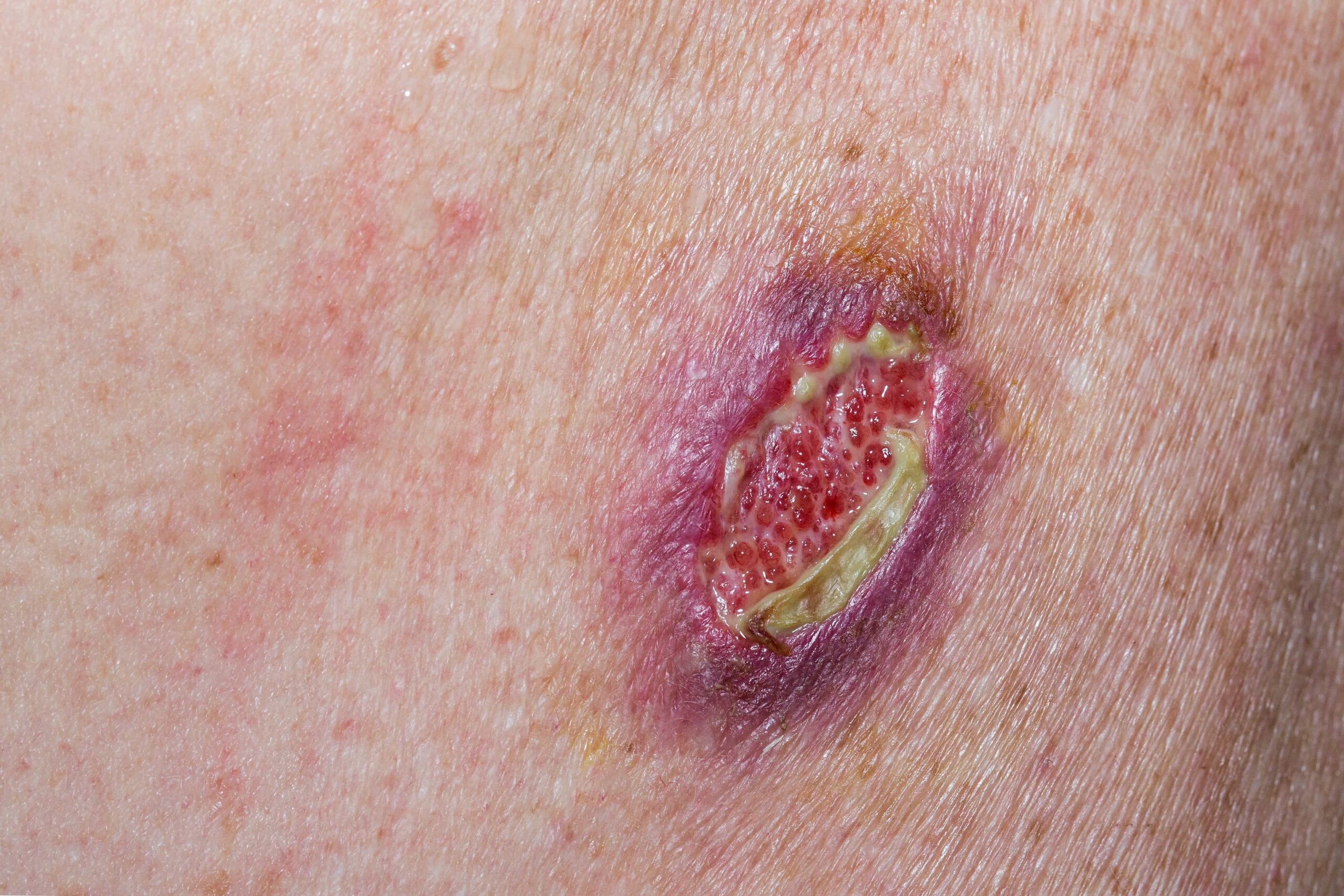
example of open wound dehiscenceWound dehiscence is the unintended separation of the layers of a wound that was sutured or closed with other methods after surgery or trauma. According to a recent paper, it generally occurs 5 to 8 days after surgery during the early stages of healing. Although it can also occur during other stages of healing. It can affect both internal and external wounds and pose a significant risk to the patient’s health. The disruption of the wound integrity can lead to complications such as infections, delayed healing, and other complications.

Wound Dehiscence Symptoms

The symptoms of wound dehiscence can vary depending on the severity and location of the dehiscence, but common signs include:

The Agency for Healthcare Research and Quality (AHRQ) offers a more thorough list of post-operative symptoms to look out for to reduce potential risk.

Causes and Risk Factors of Wound Dehiscence

Several factors can contribute to the occurrence of wound dehiscence:

Types of Wound Dehiscence

There are two primary types of wound dehiscence:

Partial Dehiscence: In this type, only a portion of the wound opens, leaving the rest of the wound intact. This can still lead to significant complications and requires medical attention.

Complete Dehiscence: Complete dehiscence involves the full separation of the wound edges, exposing the underlying tissues. This is a more severe form of dehiscence and often requires immediate surgical intervention.

Complications of Wound Dehiscence

Wound dehiscence can lead to various complications, including:

Wound Dehiscence vs. Evisceration

While wound dehiscence involves the separation of the wound edges, evisceration is a more severe complication in which the wound opens, allowing the underlying organs or tissues to protrude out of the body. Evisceration is a medical emergency that requires immediate surgical intervention to carefully return the organs to their proper position and close the wound. While both are serious, evisceration is more critical and has a higher risk of life-threatening complications.

Wound Dehiscence Treatment

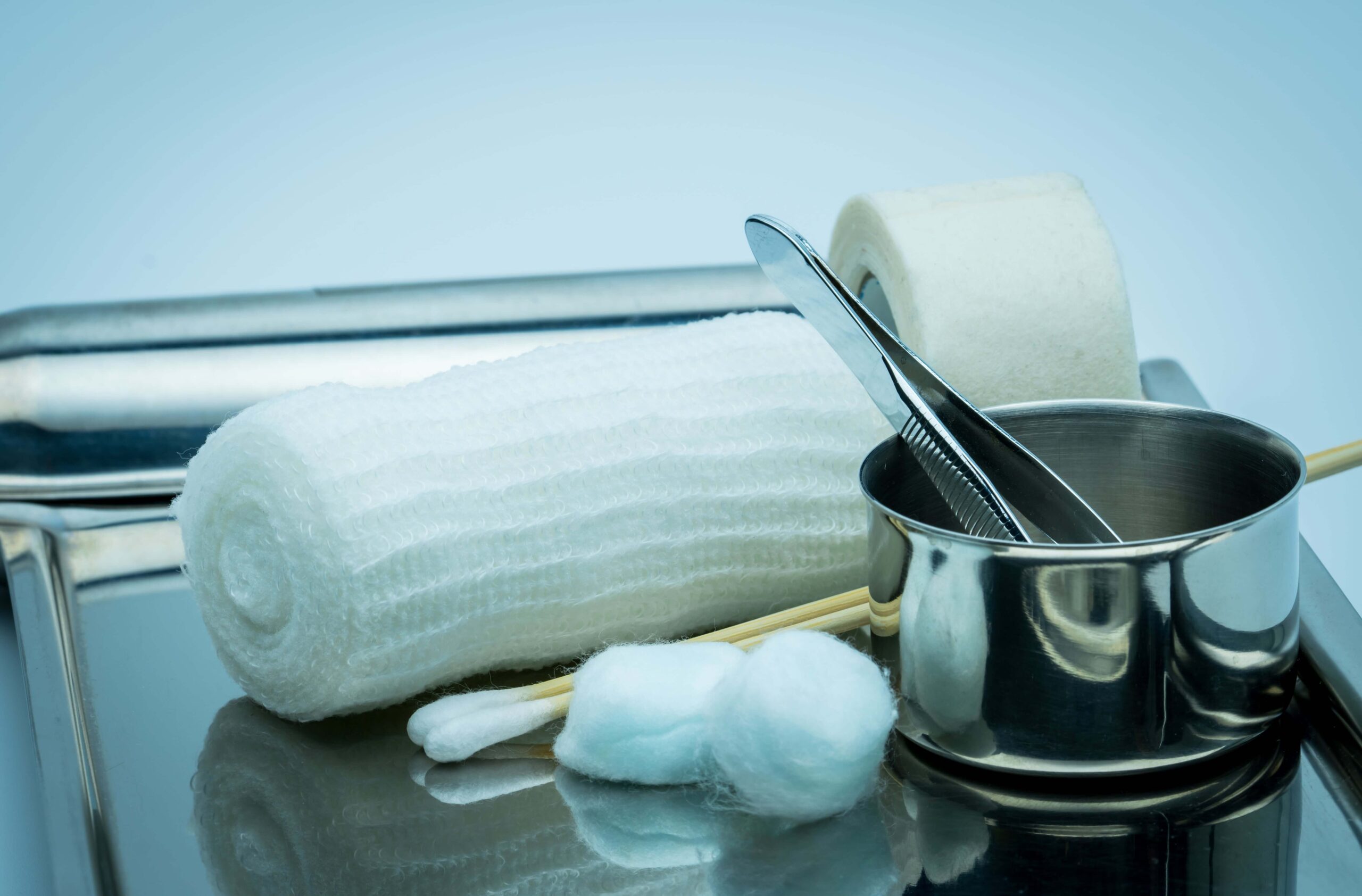
surgical tools used to treat wound dehiscenceTreatment for wound dehiscence depends on the severity of the condition. Typically, it is considered a new wound and the patient’s surgical history will be taken into account. Mild cases of partial dehiscence may be managed with proper wound care, antibiotics, and close monitoring. However, in more severe cases, especially complete dehiscence, surgical intervention may be needed to properly close the wound and prevent further complications.

The surgical procedure to address wound dehiscence may involve debridement of the wound, removing any infected tissue, and carefully suturing the wound edges back together. Antibiotics may be prescribed to prevent or treat infections. A wound care specialist will also assess the patient’s overall health, including nutritional status and any underlying conditions as part of the treatment plan.

How Long Does Wound Dehiscence Take to Heal?

The healing time for wound dehiscence can vary based on several factors, including the severity of the complication, the location of the wound, the patient’s overall health, and how well they adhere to the treatment plan. In some cases, mild dehiscences can heal within a few weeks with proper care. However, more severe cases may take several weeks or even months to fully heal.

Preventing Wound Dehiscence

With the above said, in many cases, it is possible to prevent or lower the risk of wound dehiscence. Here are some preventive measures that can help:

How Serious is Wound Dehiscence?

Wound dehiscence is a serious surgical complication that can lead to significant health issues if not promptly addressed. When left untreated, wound dehiscence can lead to infections, prolonged healing times, hernias, and other complications that may require further surgeries and interventions.

If you believe you are experiencing any symptoms of wound dehiscence it’s imperative to consult a wound care specialist as soon as possible to evaluate the wound and provide appropriate treatment before it gets worse.

At West Coast Wound Center, our specialized wound physicians and medical staff combine cutting-edge technology with evidence-based medicine to provide the best results. Book an appointment at our wound care center today and let us help put you on the path to effective and efficient healing.

[/fusion_text][/fusion_builder_column][fusion_builder_column type=”1_3″ layout=”1_3″ spacing=”” center_content=”no” link=”” target=”_self” min_height=”” hide_on_mobile=”small-visibility,medium-visibility,large-visibility” class=”” id=”” hover_type=”none” border_color=”” border_style=”solid” border_position=”all” border_radius=”” box_shadow=”no” dimension_box_shadow=”” box_shadow_blur=”0″ box_shadow_spread=”0″ box_shadow_color=”” box_shadow_style=”” padding_top=”” padding_right=”” padding_bottom=”” padding_left=”” margin_top=”” margin_bottom=”” background_type=”single” gradient_start_color=”” gradient_end_color=”” gradient_start_position=”0″ gradient_end_position=”100″ gradient_type=”linear” radial_direction=”center center” linear_angle=”180″ background_color=”” background_image=”” background_image_id=”” background_position=”left top” background_repeat=”no-repeat” background_blend_mode=”none” animation_type=”” animation_direction=”left” animation_speed=”0.3″ animation_offset=”” filter_type=”regular” filter_hue=”0″ filter_saturation=”100″ filter_brightness=”100″ filter_contrast=”100″ filter_invert=”0″ filter_sepia=”0″ filter_opacity=”100″ filter_blur=”0″ filter_hue_hover=”0″ filter_saturation_hover=”100″ filter_brightness_hover=”100″ filter_contrast_hover=”100″ filter_invert_hover=”0″ filter_sepia_hover=”0″ filter_opacity_hover=”100″ filter_blur_hover=”0″ last=”true” border_sizes_top=”0″ border_sizes_bottom=”0″ border_sizes_left=”0″ border_sizes_right=”0″ first=”false” spacing_left=”1.3333333333333333%”][fusion_widget_area name=”avada-blog-sidebar” title_size=”” title_color=”” background_color=”” padding_top=”” padding_right=”” padding_bottom=”” padding_left=”” hide_on_mobile=”small-visibility,medium-visibility,large-visibility” class=”” id=”” /][/fusion_builder_column][/fusion_builder_row][/fusion_builder_container]

[fusion_builder_container hundred_percent=”no” equal_height_columns=”no” menu_anchor=”” hide_on_mobile=”small-visibility,medium-visibility,large-visibility” class=”” id=”” background_color=”” background_image=”” background_position=”center center” background_repeat=”no-repeat” fade=”no” background_parallax=”none” parallax_speed=”0.3″ video_mp4=”” video_webm=”” video_ogv=”” video_url=”” video_aspect_ratio=”16:9″ video_loop=”yes” video_mute=”yes” overlay_color=”” video_preview_image=”” border_color=”” border_style=”solid” padding_top=”” padding_bottom=”” padding_left=”” padding_right=”” type=”legacy” admin_toggled=”no”][fusion_builder_row][fusion_builder_column type=”2_3″ layout=”1_1″ background_position=”left top” background_color=”” border_color=”” border_style=”solid” border_position=”all” spacing=”yes” background_image=”” background_repeat=”no-repeat” padding_top=”” padding_right=”” padding_bottom=”” padding_left=”” margin_top=”0px” margin_bottom=”0px” class=”” id=”” animation_type=”” animation_speed=”0.3″ animation_direction=”left” hide_on_mobile=”small-visibility,medium-visibility,large-visibility” center_content=”no” last=”false” min_height=”” hover_type=”none” link=”” border_sizes_top=”” border_sizes_bottom=”” border_sizes_left=”” border_sizes_right=”” first=”true” spacing_right=”2.6666666666666665%”][fusion_text columns=”” column_min_width=”” column_spacing=”” rule_style=”default” rule_size=”” rule_color=”” content_alignment_medium=”” content_alignment_small=”” content_alignment=”” hide_on_mobile=”small-visibility,medium-visibility,large-visibility” sticky_display=”normal,sticky” class=”” id=”” margin_top=”” margin_right=”” margin_bottom=”” margin_left=”” font_size=”” fusion_font_family_text_font=”” fusion_font_variant_text_font=”” line_height=”” letter_spacing=”” text_color=”” animation_type=”” animation_direction=”left” animation_speed=”0.3″ animation_offset=””]

medical equipment to treat a wound infectionWounds and injuries are an everyday occurrence. With proper care and treatment, most of them go away in no time. But what happens if bacteria gain access to the site of injury? Wound infections are common and minor ones can generally be treated at home. On the contrary, persistent or severe infections warrant medical attention.

If left untreated, infections may spread from their site of origin; potentially resulting in cellulitis if it reaches the deep tissues underlying the wound, or osteomyelitis if it spreads to the bone. These diseases manifest as swelling, redness, and pain in the area and can affect quality of life if not checked in time.

What you want to avoid is having the infection spread through your bloodstream. This extreme immune reaction, known as sepsis, can be life-threatening, and cause multiple organ failures if the infection reaches them. Therefore, proper wound care and management must be a top priority so that it doesn’t develop an infection.

How Do I Know if a Wound is Infected?

Most wounds heal within a couple of weeks, but if your wound starts to get worse rather than better, that is the hallmark sign of wound infection. There is usually a contributing factor playing a part in why your wound isn’t healing such as poor blood circulation, malnutrition, or an infection.

As the wound worsens, the injury becomes more painful and starts looking red around the edges – the redness being wider than the person’s thumb. Other signs of an infected wound may include:

If the infection spreads beyond the wound, you may experience systemic symptoms such as fever (high temperature) and chills, nausea, vomiting, pains, and aches.

How Does A Wound Get Infected?

As discussed above, an infection arises when pathogens such as bacteria enter the skin of your wound and colonize. This includes bacteria such as Staphylococcus aureus, Escherichia coli, and Streptococcus among others.

Any of these may come from your skin as there are thousands of germs on you at all times or from the external environment such as soil or water. The cause of injury may result in an infection as well. For example, if the object that caused the wound was dirty or rusty, the chances of transmission are high. Similarly, a human or animal mouth is riddled with bacteria, which is why wounds from bite injuries are prone to infection.

If your wound is deep, large, has jagged edges, or resulted from a puncture (through a nail or glass), it needs special care to prevent infection. Moreover, wounds in your limbs or groin are also more susceptible to pathogen growth.

To sum up, bacteria can come from anywhere – even in the most sterile environments such as an operating room as surgical infections are also a common occurrence. Even with proper care, many comorbidities can make you more vulnerable to infectious growth. This includes:

While old age slows skin healing and poor hygiene is self-explanatory, other factors are mostly associated with poor blood circulation. If the wound doesn’t receive adequate oxygen and nutrients, recovery is slow and the chances of infection are high.

How To Prevent a Wound Infection?

woman washing a wound to prevent infectionWounds are common but what you do while caring for that wound determines if an infection develops. Before anything else, it is important for you to thoroughly wash your hands with warm water and soap before you touch the wound. Similarly, anything that contacts the injury must be carefully sterilized such as rubbing alcohol on tweezers before using them.

A clean gauze or bandage can be used to apply pressure and stop any bleeding. If the edges are not holding together, you may need to get stitches. Either way, start by cleaning the wound and the skin around it by running it under warm, boiled water. You may also use soapy water for the skin around the site and if none of this is possible, alcohol wipes work as well.

If there is any debris like dirt, grass, hair, or gravel, gently remove that with tweezers. You may also apply petroleum jelly or antibiotic cream to keep the bacteria out. However, do not use hydrogen peroxide or iodine to prevent skin irritation.

The next step is to let the skin air-dry, before covering it with a suitable dressing at all times. This can be a bandage or plaster, but avoid using something that may stick to the wound, and try to change this dressing at least once daily. Avoid making it damp or dirty, and keep an eye out for any signs of infection.

To prevent wound infection, keep it secure from external factors such as urine, stool, body drainage, animal hair or feces, or even scabs from your fingernails. All of these factors slow healing and raise infection risk.

Treating A Wound Infection

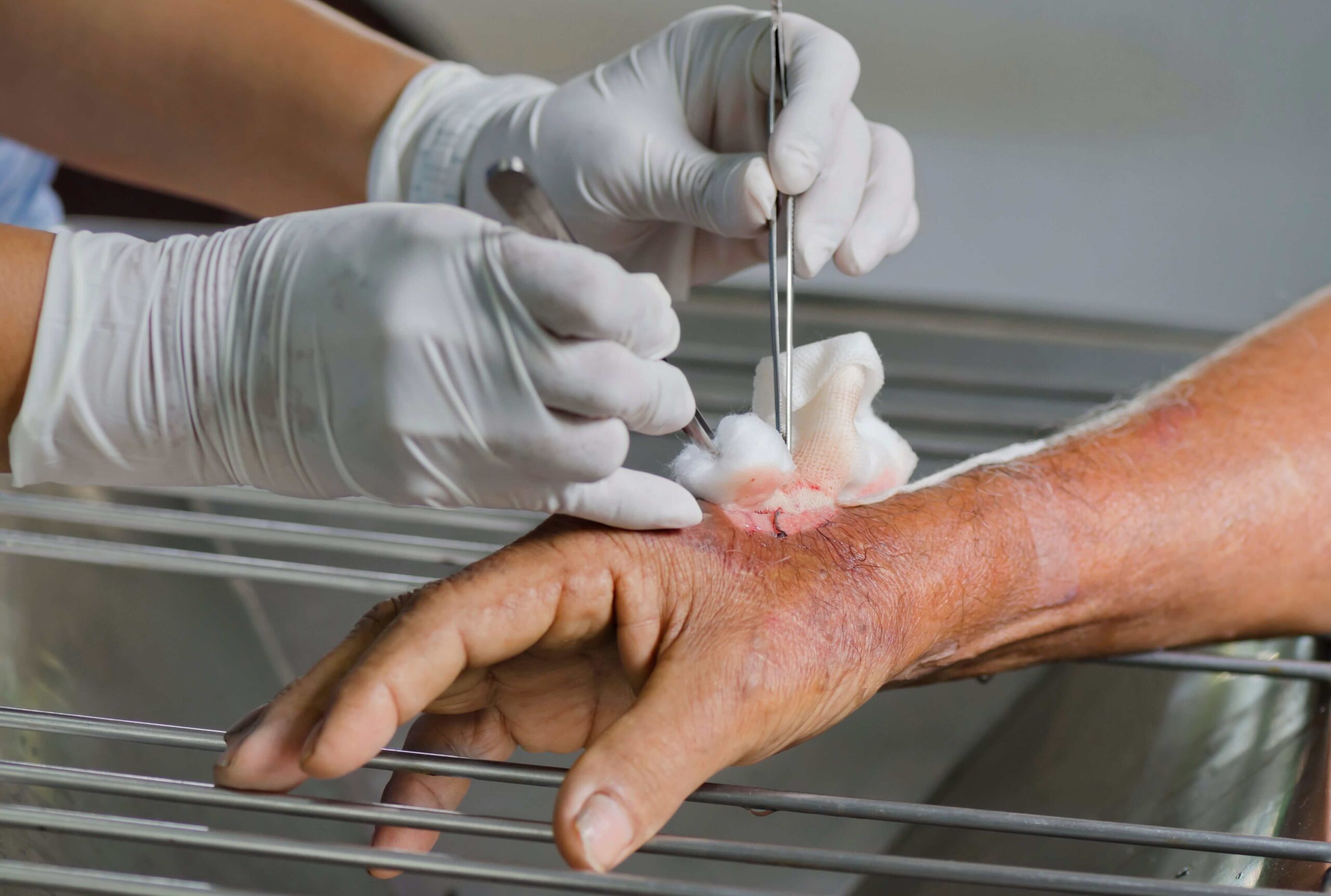
specialist cleaning and treating a woundInstead of self-medicating a wound infection, the best course of action is to visit a wound care specialist or primary care physician. A professional can assess the issue and provide you with appropriate treatment to promote healing and recovery. If you spot any of the following signs it’s crucial to seek medical attention:

The recommended treatment plan will vary from injury to injury, depending on cause and severity. However, most treatment plans typically involve a process called wound debridement. This is the removal of any dirty or dead tissue to promote healing and prevent spread. The specialist may also flush the wound with an antibiotic solution and apply an ointment. If the wound has pus (dead inflammatory cells), the site may be opened to drain the fluid as well.

Since bacteria are the cause of most wound infections, oral or IV antibiotics are the primary way to go. Your doctor will prescribe something and you must complete the course of treatment to prevent antibiotic resistance. This, coupled with wound care prescribed by your doctor, is usually enough to solve the issue.

If the wound is deep or large, stitches may be required to close it. Similarly, if the cause of injury was something rusty or dirty or an animal bite, you may need a tetanus injection as well. Tetanus is a life-threatening condition in which bacteria release harmful toxins inside your body that damages the central nervous system.

The Bottom Line

Everyone gets wounds from time to time but wound infections are something you want to avoid at all costs, as they not only delay healing but may also transform into something life-threatening. Infection can be prevented through efficient wound care and management by running your wound under clean water, removing any debris, applying antibiotic ointment, and covering it with a dressing that needs regular changing.

If it still develops into an infection identifiable by redness, swelling, and worsening of other symptoms, it’s imperative to contact a wound care center as soon as possible. If identified early, wound infection is nothing but a minor blip in your long life.

Let West Coast Wound Center Help You Heal

If you or someone you care for has suffered a serious wound that might be infected, the specialized staff at West Coast Wound Center is here to help. We healed wounds 30% faster than the national average and help improve our patient’s quality of life through our full spectrum of wound care services. Make an appointment at our Fresno center and find out how we can get you on the path to healing and recovery.

[/fusion_text][/fusion_builder_column][fusion_builder_column type=”1_3″ layout=”1_3″ spacing=”” center_content=”no” link=”” target=”_self” min_height=”” hide_on_mobile=”small-visibility,medium-visibility,large-visibility” class=”” id=”” hover_type=”none” border_color=”” border_style=”solid” border_position=”all” border_radius=”” box_shadow=”no” dimension_box_shadow=”” box_shadow_blur=”0″ box_shadow_spread=”0″ box_shadow_color=”” box_shadow_style=”” padding_top=”” padding_right=”” padding_bottom=”” padding_left=”” margin_top=”” margin_bottom=”” background_type=”single” gradient_start_color=”” gradient_end_color=”” gradient_start_position=”0″ gradient_end_position=”100″ gradient_type=”linear” radial_direction=”center center” linear_angle=”180″ background_color=”” background_image=”” background_image_id=”” background_position=”left top” background_repeat=”no-repeat” background_blend_mode=”none” animation_type=”” animation_direction=”left” animation_speed=”0.3″ animation_offset=”” filter_type=”regular” filter_hue=”0″ filter_saturation=”100″ filter_brightness=”100″ filter_contrast=”100″ filter_invert=”0″ filter_sepia=”0″ filter_opacity=”100″ filter_blur=”0″ filter_hue_hover=”0″ filter_saturation_hover=”100″ filter_brightness_hover=”100″ filter_contrast_hover=”100″ filter_invert_hover=”0″ filter_sepia_hover=”0″ filter_opacity_hover=”100″ filter_blur_hover=”0″ last=”true” border_sizes_top=”0″ border_sizes_bottom=”0″ border_sizes_left=”0″ border_sizes_right=”0″ first=”false” spacing_left=”1.3333333333333333%”][fusion_widget_area name=”avada-blog-sidebar” title_size=”” title_color=”” background_color=”” padding_top=”” padding_right=”” padding_bottom=”” padding_left=”” hide_on_mobile=”small-visibility,medium-visibility,large-visibility” class=”” id=”” /][/fusion_builder_column][/fusion_builder_row][/fusion_builder_container]

[fusion_builder_container hundred_percent=”no” equal_height_columns=”no” menu_anchor=”” hide_on_mobile=”small-visibility,medium-visibility,large-visibility” class=”” id=”” background_color=”” background_image=”” background_position=”center center” background_repeat=”no-repeat” fade=”no” background_parallax=”none” parallax_speed=”0.3″ video_mp4=”” video_webm=”” video_ogv=”” video_url=”” video_aspect_ratio=”16:9″ video_loop=”yes” video_mute=”yes” overlay_color=”” video_preview_image=”” border_color=”” border_style=”solid” padding_top=”” padding_bottom=”” padding_left=”” padding_right=”” type=”legacy” admin_toggled=”no”][fusion_builder_row][fusion_builder_column type=”2_3″ layout=”1_1″ background_position=”left top” background_color=”” border_color=”” border_style=”solid” border_position=”all” spacing=”yes” background_image=”” background_repeat=”no-repeat” padding_top=”” padding_right=”” padding_bottom=”” padding_left=”” margin_top=”0px” margin_bottom=”0px” class=”” id=”” animation_type=”” animation_speed=”0.3″ animation_direction=”left” hide_on_mobile=”small-visibility,medium-visibility,large-visibility” center_content=”no” last=”false” min_height=”” hover_type=”none” link=”” border_sizes_top=”” border_sizes_bottom=”” border_sizes_left=”” border_sizes_right=”” first=”true” spacing_right=”2.6666666666666665%”][fusion_text columns=”” column_min_width=”” column_spacing=”” rule_style=”default” rule_size=”” rule_color=”” content_alignment_medium=”” content_alignment_small=”” content_alignment=”” hide_on_mobile=”small-visibility,medium-visibility,large-visibility” sticky_display=”normal,sticky” class=”” id=”” margin_top=”” margin_right=”” margin_bottom=”” margin_left=”” font_size=”” fusion_font_family_text_font=”” fusion_font_variant_text_font=”” line_height=”” letter_spacing=”” text_color=”” animation_type=”” animation_direction=”left” animation_speed=”0.3″ animation_offset=””]

While for minor wounds your body can naturally repair itself and remove dead tissue, for more serious or chronic wounds that’s not always the case. When a wound isn’t healing well on its own or responding to the body’s natural immune system, your doctor may recommend wound debridement to help restart the process.

What is Wound Debridement

Wound debridement has been around for more than a decade and has become an integral part of wound management. Wound debridement is the process where a wound care specialist or health care professional removes tissue in order to promote healing and prevent infection. Dead tissue can promote bacteria growth and result in more serious infections. It can also interfere with the growth of healthy tissue. Debridement removes the dead tissue to reduce the risk of further complications and help the healing process.

When is Wound Debridement Necessary?

doctor caring for wound after debridementFor acute wounds, the body naturally works to remove dead tissues (a process referred to as autolysis). During the acute inflammatory stage of healing, the body clears out dead tissue and contaminants to allow for healing. However, in chronic wounds, damaged cells get in the way of this process and can require assistance through debridement. Certain conditions such as diabetic ulcers or severe burns can also be good candidates for wound debridement.

While wound debridement can be applied to most types of slow healing wounds, a wound care specialist plays a major role in determining whether wound debridement is needed and what type should be utilized. The process generally starts with a holistic wound care assessment to identify any underlying causes of the wound, anything that could slow the healing process, and establish wound care goals.

Types of Wound Debridement

Depending on your health, the overall risk of complications, and the severity of the wound, there are a number of methods a specialist may use for debridement. In some cases, multiple approaches may be used. Each type of wound debridement has its own benefits and your specialist will work with you to determine the best way to approach your wound. Some of the types of wound debridement used may include:

In some cases, if you have a deep wound a skin graft may be utilized. Skin grafting involves transplanting a piece of tissue to help blood vessels grow and bond the piece to the affected area.

Benefits of Wound Debridement

There are several ways debridement can help a slow healing or chronic wound such as:

Preparing For Wound Debridement

nurse caring for patient’s woundWhile wound debridement is safe, we understand that any type of procedure can be stressful. Being prepared ahead of time and understanding what to expect can help alleviate some of your apprehension. Here are a few tips for how to best prepare yourself before debridement:

Wound Care After Debridement

How long it takes for your wound to heal will depend on how severe the injury is as well as if you have other health conditions that might impair the recovery process. That said, knowing how to care for your wound after debridement can play a crucial role in healing and minimizing the risk of any complications. Your wound care specialist can recommend a care plan to follow but below are a few helpful tips to protect your wound while it heals:

You should contact your doctor right away if you spot any signs of possible infection.

Full Spectrum Wound Care Services

If you or someone you know has suffered a major or chronic wound the specialized physicians and medical staff at our wound care center have the expertise to help. Our center provides a full spectrum of wound and skin care services, including advanced therapies like debridement. We are committed to providing only the highest level of care for our patients in the Fresno and California area and are constantly improving our services to run effectively, compassionately, and professionally.

Don’t wait until your wound becomes worse. Contact West Coast Wound Center and let us help improve your quality of life.

If your wound is preventing you from traveling, our expert team can come to you so you can receive the care and support you need wherever you reside.

[/fusion_text][/fusion_builder_column][fusion_builder_column type=”1_3″ layout=”1_3″ spacing=”” center_content=”no” link=”” target=”_self” min_height=”” hide_on_mobile=”small-visibility,medium-visibility,large-visibility” class=”” id=”” hover_type=”none” border_color=”” border_style=”solid” border_position=”all” border_radius=”” box_shadow=”no” dimension_box_shadow=”” box_shadow_blur=”0″ box_shadow_spread=”0″ box_shadow_color=”” box_shadow_style=”” padding_top=”” padding_right=”” padding_bottom=”” padding_left=”” margin_top=”” margin_bottom=”” background_type=”single” gradient_start_color=”” gradient_end_color=”” gradient_start_position=”0″ gradient_end_position=”100″ gradient_type=”linear” radial_direction=”center center” linear_angle=”180″ background_color=”” background_image=”” background_image_id=”” background_position=”left top” background_repeat=”no-repeat” background_blend_mode=”none” animation_type=”” animation_direction=”left” animation_speed=”0.3″ animation_offset=”” filter_type=”regular” filter_hue=”0″ filter_saturation=”100″ filter_brightness=”100″ filter_contrast=”100″ filter_invert=”0″ filter_sepia=”0″ filter_opacity=”100″ filter_blur=”0″ filter_hue_hover=”0″ filter_saturation_hover=”100″ filter_brightness_hover=”100″ filter_contrast_hover=”100″ filter_invert_hover=”0″ filter_sepia_hover=”0″ filter_opacity_hover=”100″ filter_blur_hover=”0″ last=”true” border_sizes_top=”0″ border_sizes_bottom=”0″ border_sizes_left=”0″ border_sizes_right=”0″ first=”false” spacing_left=”1.3333333333333333%”][fusion_widget_area name=”avada-blog-sidebar” title_size=”” title_color=”” background_color=”” padding_top=”” padding_right=”” padding_bottom=”” padding_left=”” hide_on_mobile=”small-visibility,medium-visibility,large-visibility” class=”” id=”” /][/fusion_builder_column][/fusion_builder_row][/fusion_builder_container]

[fusion_builder_container hundred_percent=”no” hundred_percent_height=”no” hundred_percent_height_scroll=”no” hundred_percent_height_center_content=”yes” equal_height_columns=”no” menu_anchor=”” hide_on_mobile=”small-visibility,medium-visibility,large-visibility” status=”published” publish_date=”” class=”” id=”” link_color=”” link_hover_color=”” border_color=”” border_style=”solid” margin_top=”” margin_bottom=”” padding_top=”” padding_right=”” padding_bottom=”” padding_left=”” gradient_start_color=”” gradient_end_color=”” gradient_start_position=”0″ gradient_end_position=”100″ gradient_type=”linear” radial_direction=”center center” linear_angle=”180″ background_color=”” background_image=”” background_position=”center center” background_repeat=”no-repeat” fade=”no” background_parallax=”none” enable_mobile=”no” parallax_speed=”0.3″ background_blend_mode=”none” video_mp4=”” video_webm=”” video_ogv=”” video_url=”” video_aspect_ratio=”16:9″ video_loop=”yes” video_mute=”yes” video_preview_image=”” filter_hue=”0″ filter_saturation=”100″ filter_brightness=”100″ filter_contrast=”100″ filter_invert=”0″ filter_sepia=”0″ filter_opacity=”100″ filter_blur=”0″ filter_hue_hover=”0″ filter_saturation_hover=”100″ filter_brightness_hover=”100″ filter_contrast_hover=”100″ filter_invert_hover=”0″ filter_sepia_hover=”0″ filter_opacity_hover=”100″ filter_blur_hover=”0″ type=”legacy”][fusion_builder_row][fusion_builder_column type=”1_1″ layout=”1_1″ spacing=”” center_content=”no” link=”” target=”_self” min_height=”” hide_on_mobile=”small-visibility,medium-visibility,large-visibility” class=”” id=”” hover_type=”none” border_color=”” border_style=”solid” border_position=”all” border_radius=”” box_shadow=”no” dimension_box_shadow=”” box_shadow_blur=”0″ box_shadow_spread=”0″ box_shadow_color=”” box_shadow_style=”” padding_top=”” padding_right=”” padding_bottom=”” padding_left=”” margin_top=”” margin_bottom=”” background_type=”single” gradient_start_color=”” gradient_end_color=”” gradient_start_position=”0″ gradient_end_position=”100″ gradient_type=”linear” radial_direction=”center center” linear_angle=”180″ background_color=”” background_image=”” background_image_id=”” background_position=”left top” background_repeat=”no-repeat” background_blend_mode=”none” animation_type=”” animation_direction=”left” animation_speed=”0.3″ animation_offset=”” filter_type=”regular” filter_hue=”0″ filter_saturation=”100″ filter_brightness=”100″ filter_contrast=”100″ filter_invert=”0″ filter_sepia=”0″ filter_opacity=”100″ filter_blur=”0″ filter_hue_hover=”0″ filter_saturation_hover=”100″ filter_brightness_hover=”100″ filter_contrast_hover=”100″ filter_invert_hover=”0″ filter_sepia_hover=”0″ filter_opacity_hover=”100″ filter_blur_hover=”0″ last=”true” border_sizes_top=”0″ border_sizes_bottom=”0″ border_sizes_left=”0″ border_sizes_right=”0″ first=”true” type=”1_1″][/fusion_builder_column][fusion_builder_column type=”2_3″ layout=”2_3″ spacing=”” center_content=”no” link=”” target=”_self” min_height=”” hide_on_mobile=”small-visibility,medium-visibility,large-visibility” class=”” id=”” hover_type=”none” border_color=”” border_style=”solid” border_position=”all” border_radius=”” box_shadow=”no” dimension_box_shadow=”” box_shadow_blur=”0″ box_shadow_spread=”0″ box_shadow_color=”” box_shadow_style=”” padding_top=”” padding_right=”” padding_bottom=”” padding_left=”” margin_top=”” margin_bottom=”” background_type=”single” gradient_start_color=”” gradient_end_color=”” gradient_start_position=”0″ gradient_end_position=”100″ gradient_type=”linear” radial_direction=”center center” linear_angle=”180″ background_color=”” background_image=”” background_image_id=”” background_position=”left top” background_repeat=”no-repeat” background_blend_mode=”none” animation_type=”” animation_direction=”left” animation_speed=”0.3″ animation_offset=”” filter_type=”regular” filter_hue=”0″ filter_saturation=”100″ filter_brightness=”100″ filter_contrast=”100″ filter_invert=”0″ filter_sepia=”0″ filter_opacity=”100″ filter_blur=”0″ filter_hue_hover=”0″ filter_saturation_hover=”100″ filter_brightness_hover=”100″ filter_contrast_hover=”100″ filter_invert_hover=”0″ filter_sepia_hover=”0″ filter_opacity_hover=”100″ filter_blur_hover=”0″ last=”false” border_sizes_top=”0″ border_sizes_bottom=”0″ border_sizes_left=”0″ border_sizes_right=”0″ first=”true” spacing_right=”” type=”2_3″][fusion_text columns=”” column_min_width=”” column_spacing=”” rule_style=”default” rule_size=”” rule_color=”” content_alignment_medium=”” content_alignment_small=”” content_alignment=”left” hide_on_mobile=”small-visibility,medium-visibility,large-visibility” sticky_display=”normal,sticky” class=”” id=”” font_size=”” fusion_font_family_text_font=”” fusion_font_variant_text_font=”” line_height=”” letter_spacing=”” text_color=”” animation_type=”” animation_direction=”left” animation_speed=”0.3″ animation_offset=””]

DEBRIDEMENT TRAINING VIDEO

[/fusion_text][fusion_video video=”https://westcoastwound.com/wcw-training-videos/debridement.mp4″ video_webm=”” width=”” controls=”yes” preload=”metadata” loop=”no” autoplay=”no” mute=”no” preview_image=”https://westcoastwound.com/wp-content/uploads/2020/07/debridement.jpg” hide_on_mobile=”small-visibility,medium-visibility,large-visibility” class=”” css_id=”” overlay_color=”” border_radius_top_left=”” border_radius_top_right=”” border_radius_bottom_right=”” border_radius_bottom_left=”” box_shadow=”no” box_shadow_vertical=”” box_shadow_horizontal=”” box_shadow_blur=”0″ box_shadow_spread=”0″ box_shadow_color=”” alignment=”” margin_top=”” margin_bottom=”” /][/fusion_builder_column][fusion_global id=”1431″][/fusion_builder_row][/fusion_builder_container]