
Leaving the hospital can be a milestone in recovery, but it can also mark the beginning of a vulnerable period. The post hospital wound care transition is one of the most critical phases in healing, particularly within the first 72 hours after discharge.
During this time, wounds are still highly susceptible to infection, improper healing, and complications that can quickly escalate without clinical oversight.
Why the First 72 Hours are Critical for Post-Hospital Wound Care Transition
The immediate days following discharge are when patients are most likely to experience setbacks. Johns Hopkins University writes: “patients are most at risk to return to hospitals immediately following discharge.”
Hospitals provide structured care, sterile environments, and continuous monitoring. Once patients return home, that level of care often disappears, creating a gap that can lead to complications.
During the post hospital wound care transition, patients may struggle with:
- Managing dressings correctly
- Recognizing early warning signs of infection
- Maintaining proper hygiene and wound care routines
- Adhering to discharge instructions without guidance
Even minor mistakes in wound care can result in serious consequences. Studies have shown that hospital readmission rates are significantly higher when patients lack access to follow-up care within the first few days after discharge.
Signs of Surgical Site Complications to Watch For
Recognizing complications early can make a substantial difference in outcomes. Patients and caregivers should remain vigilant for signs that indicate the wound is not healing properly.
Some of the most common warning signs include:
- Increased redness or swelling around the wound
- Persistent or worsening pain
- Drainage that is thick, discolored, or foul-smelling
- Fever or chills
- Delayed healing or reopening of the wound
During the post hospital wound care transition, these symptoms can escalate quickly without professional evaluation. That is why having access to a trained provider during this period is essential.
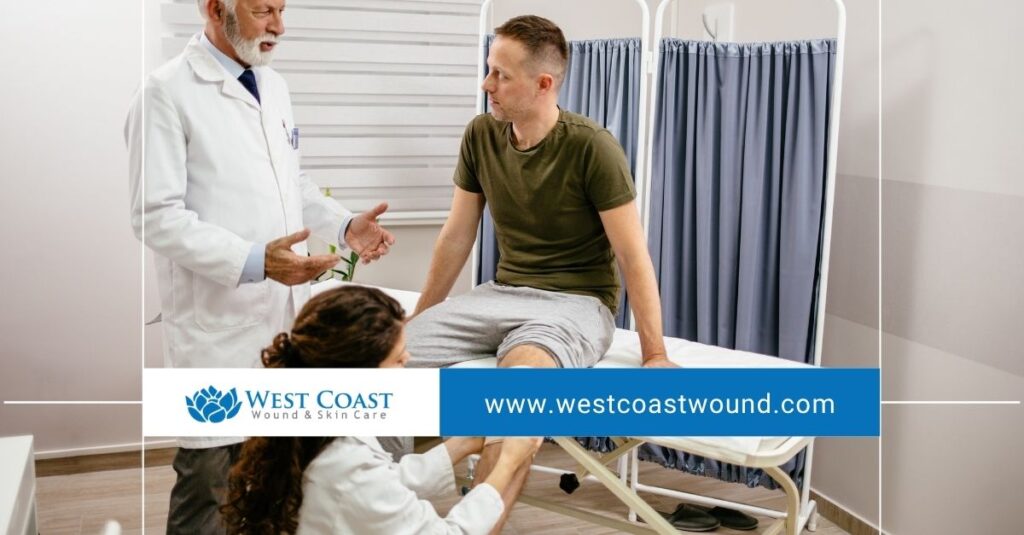
How a Mobile Wound Specialist Closes the Gap
One of the most effective ways to address this care gap is through mobile wound care services. Instead of requiring patients to travel, we bring our expertise directly to them, ensuring continuity of care in the comfort of their home.
Our team of specialists provides:
- Comprehensive wound assessments
- Advanced dressing changes
- Monitoring for infection and complications
- Personalized care plans tailored to each patient
This approach eliminates the delays and barriers that often occur when patients must schedule follow-up appointments at external facilities.
The Hidden Risks Patients Face After Discharge
Many patients leave the hospital with confidence, only to encounter unexpected challenges once they are home. The absence of immediate medical support can lead to uncertainty and mistakes that affect healing.
Risks during the post hospital wound care transition include:
- Improper wound cleaning techniques
- Missed medication schedules
- Pressure injuries from limited mobility
- Lack of coordination between healthcare providers
Without structured oversight, these risks compound quickly. Patients recovering from surgery, chronic wounds, or pressure injuries are particularly vulnerable during this stage.
The Role of Wound Care Centers in Ongoing Recovery
While mobile care provides immediate support, wound care centers also play a vital role in long-term healing. These facilities offer advanced treatments and technologies designed to accelerate recovery and manage complex wounds.
At our wound care centers, patients benefit from:
- Access to specialized equipment and therapies
- Consistent monitoring by experienced clinicians
- Integration of dermatology care when skin conditions impact healing
- Collaborative treatment plans that evolve with the patient’s needs
By combining in-home care with clinic-based services, we create a seamless continuum that supports patients throughout the entire post hospital wound care transition.
Bridging Clinical Expertise with Home-Based Comfort
Healing does not happen in isolation. Patients recover best when they feel supported, informed, and comfortable in their environment. Our approach focuses on delivering hospital-level care without removing patients from their homes.
This includes:
- Educating patients and caregivers on proper wound care techniques
- Providing clear instructions and ongoing guidance
- Adjusting care plans based on real-time observations
- Ensuring timely interventions when issues arise
How Our Services Support a Safer Recovery at Home
Our services are designed to address every aspect of wound care during this vulnerable period. We prioritize early intervention, consistent monitoring, and patient-centered care to reduce risks and improve outcomes.
During the post hospital wound care transition, we focus on:
- Preventing infections before they develop
- Promoting faster, more effective healing
- Reducing the likelihood of hospital readmissions
- Enhancing patient confidence and independence
Our holistic wound care approach considers not just the wound itself, but the overall health and well-being of the patient. This includes evaluating factors such as nutrition, mobility, and underlying conditions that may impact healing.
Personalized Care Plans for Every Patient
No two wounds are the same, and neither are the patients who experience them. That is why we tailor every care plan to the individual.
Our personalized approach includes:
- Detailed initial assessments
- Customized treatment strategies
- Ongoing adjustments based on progress
- Close communication with patients and caregivers
Reducing Stress for Patients and Families
The transition from hospital to home can be overwhelming, especially for families who suddenly take on caregiving responsibilities. Our services are designed to ease that burden.
We help by:
- Providing reliable, professional support
- Answering questions and addressing concerns
- Offering reassurance through consistent care
- Minimizing the uncertainty that often accompanies recovery
This level of support allows families to focus on healing rather than worrying about whether they are doing everything correctly.
Strengthening Outcomes Through Post Hospital Wound Care Transition Services
Effective recovery depends on continuity of care. When patients receive consistent, expert attention during the post hospital wound care transition, outcomes improve significantly.
Our services strengthen recovery by:
- Closing the gap between hospital discharge and full healing
- Ensuring that wounds are monitored and treated appropriately
- Providing timely interventions when complications arise
- Supporting patients through every stage of recovery
A Coordinated Approach to Healing
Healing requires coordination between multiple elements of care. Our team works to ensure that every aspect of treatment is aligned and effective.
This includes:
- Collaboration among healthcare providers
- Integration of mobile care and clinic visits
- Consistent documentation and tracking of progress
- Clear communication with patients and families
Long-Term Benefits of Early Intervention
Addressing wound care needs early has lasting benefits. Patients who receive prompt, professional care during the post hospital wound care transition are more likely to experience:
- Faster healing times
- Fewer complications
- Reduced need for hospitalization
- Improved overall quality of life
Early intervention sets the stage for successful recovery, making it a critical component of any effective care plan.
