Infection control and preventing infection are some of the most important wound care services that we provide. Always, we follow OSHA (the Occupational Safety and Health Administration) regulations when doing so. These protect both healthcare providers and patients by mandating safe practices in medical environments.

These regulations can serve as part of the foundation for infection prevention protocols across healthcare settings. At West Coast Wound Care, we follow OSHA regulations closely to maintain safe, hygienic environments wherever care is delivered, incorporating these standards into our patient-centered services.

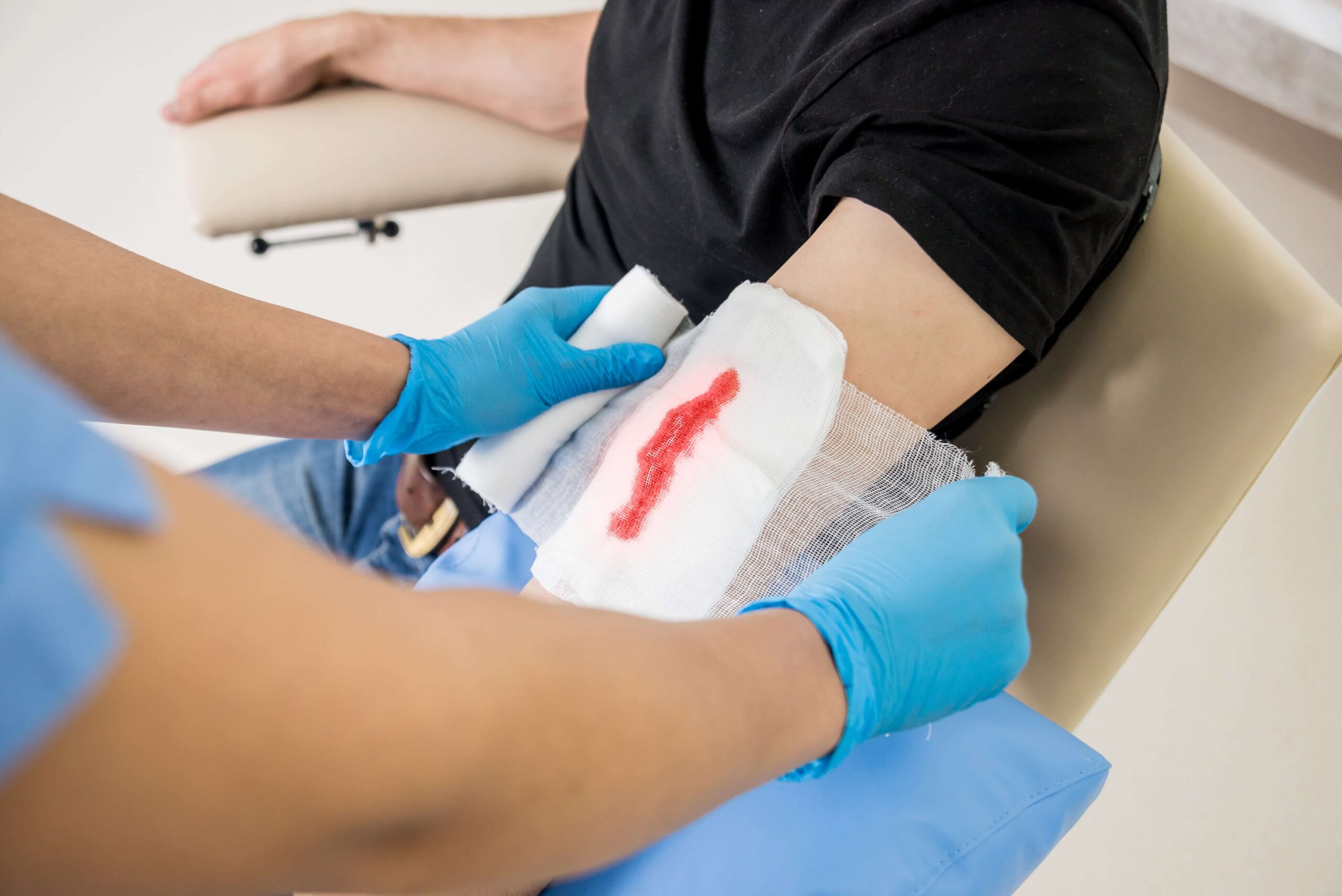
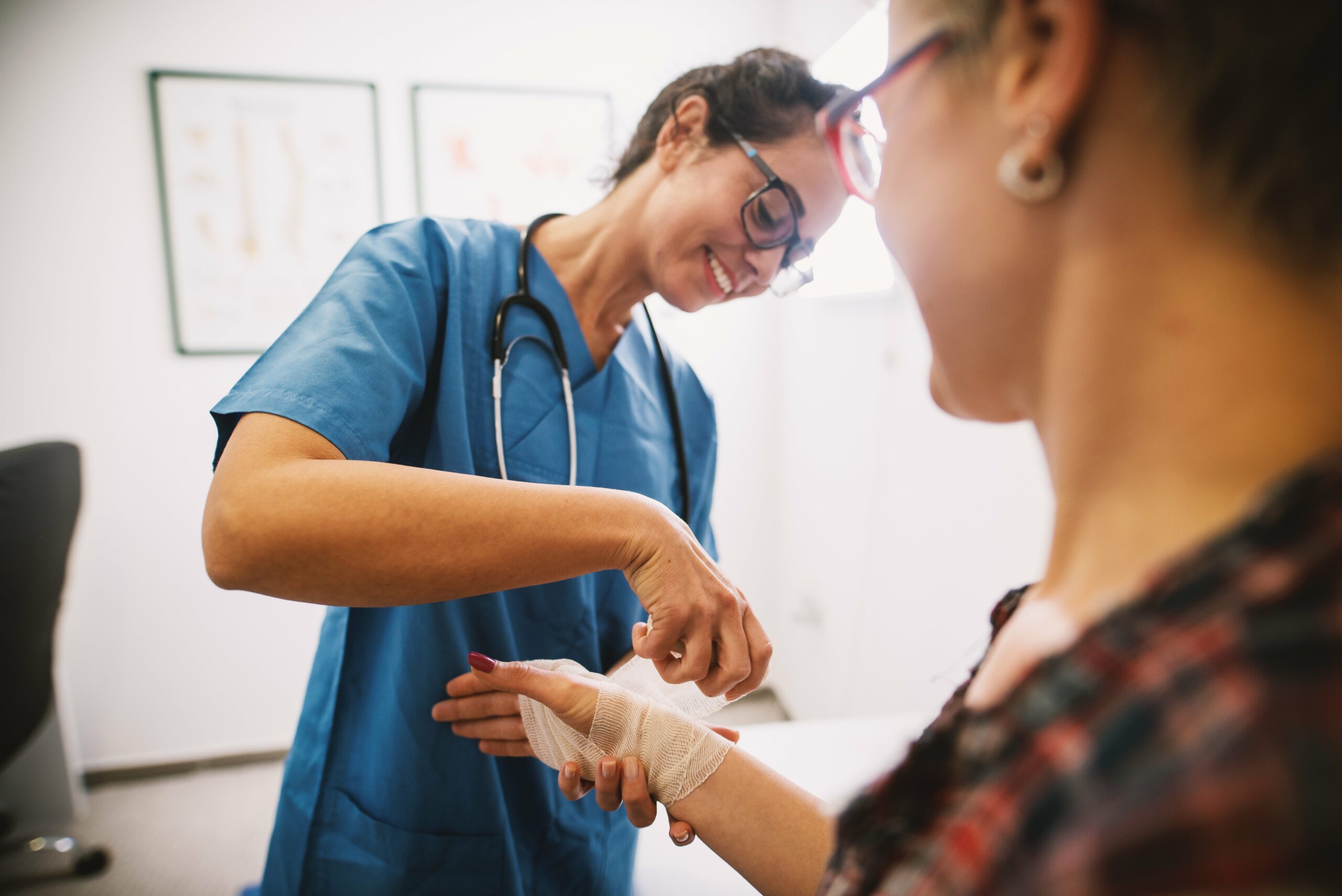
physical therapist checking a patient’s wound dressing

Why OSHA Standards Matter in Wound Care

Open wounds, especially those that are deep, draining, or slow to heal, unfortunately, create opportunities for microbial entry. When combined with underlying conditions like diabetes or compromised circulation, wounds can quickly become infected if protocols aren’t followed.

OSHA’s regulations are not optional—they are mandatory for all healthcare employers, including us. These regulations are designed to:

  • Protect patients from healthcare-acquired infections (HAIs) 
  • Safeguard staff against exposure to bloodborne pathogens 
  • Standardize procedures for handling infectious materials 
  • Ensure the use of proper personal protective equipment (PPE) 
  • Reduce risk across care settings, including outpatient and mobile environments 

Because we work in patients’ homes, long-term care facilities, and dedicated clinics, these regulations help us maintain consistent infection control standards wherever we provide care.

Core OSHA Regulations Related to Infection Control 

The most applicable OSHA rule to wound care is the Bloodborne Pathogens Standard (29 CFR 1910.1030). This regulation requires healthcare employers like us to implement practices that reduce occupational exposure to blood and other potentially infectious materials (OPIM). Since wound care often involves direct contact with bodily fluids, complying with this standard is essential.

Key OSHA-mandated infection control practices include:

  • Exposure Control Plan: We maintain a written plan outlining how we minimize exposure to bloodborne pathogens. We update this plan annually and ensure it’s accessible to all staff. 
  • Universal Precautions: We treat all blood and body fluids as potentially infectious, regardless of patient diagnosis. This applies to every treatment, including dressing changes, debridement, and cleaning procedures. 
  • Personal Protective Equipment (PPE): We provide appropriate PPE such as gloves, gowns, face shields, and masks and ensure our team uses them properly during all relevant procedures. 
  • Hand Hygiene Protocols: We align with CDC guidelines for handwashing and alcohol-based sanitizers before and after patient contact. 
  • Sharps Disposal: We use OSHA-approved sharps containers to dispose of needles, scalpels, or anything that may puncture the skin. 
  • Engineering and Work Practice Controls: We apply no-touch techniques and barrier strategies to reduce exposure, even in mobile care environments like patients’ homes. 
  • Training and Recordkeeping: We provide annual training on infection control and document all incidents and follow-ups as required. 

All these practices are part of our services and help reduce infection risks. (OSHA Bloodborne Pathogens Standard – OSHA.gov)

Recent Developments in OSHA Infection Control Standards

While the Bloodborne Pathogens Standard remains central, several recent developments have deepened the importance of infection control:

  • COVID-19 Response: Temporary standards introduced during the pandemic emphasized PPE and ventilation. Although some emergency measures have expired, many of these protocols remain part of our infection control routines. 
  • Focus on Mobile Healthcare: With mobile healthcare growing, regulators are more attentive to infection control outside clinical settings. We’ve documented how we meet OSHA standards during home visits. 
  • Agency Alignment: OSHA, the CDC, and CMS now work closely to ensure healthcare providers like us maintain strict infection control measures in all settings. 

These shifts underscore the need for infection prevention strategies tailored to every patient, whether at a clinic or in the field.

How We Ensure OSHA Compliance

We’ve embedded OSHA compliance into everything we do at West Coast Wound Care. Whether we’re seeing a patient in one of our clinics or visiting them at home, we follow the same rigorous safety standards.

Here’s how we do it:

  • Staff Training: Every member of our team completes OSHA training annually, covering PPE, exposure responses, and proper infection control techniques. 
  • PPE Availability and Usage: We make sure our staff always has access to—and uses—the correct PPE for each procedure. 
  • Sanitization Practices: We thoroughly disinfect all instruments between uses. For mobile visits, our clinicians carry sterilized equipment and set up clean, safe environments in each patient’s home. 
  • Sharps Disposal: We use approved containers to manage sharps and work with licensed disposal providers, including when we’re on the road. 
  • Incident Reporting: We follow OSHA’s guidelines for reporting and addressing any potential exposure events. 
  • Environmental Safety in Mobile Care: We evaluate each mobile care setting and adapt infection control protocols as needed to maintain a sterile workspace. 

By keeping these systems in place, we protect both our patients and our staff while delivering high-quality care.

Services We Provide at West Coast Wound Care

We specialize in providing a wide range of wound care services, and we do so in a way that prioritizes safety, infection prevention, and patient comfort. Our care team is trained to treat:

  • Diabetic foot ulcers 
  • Venous leg ulcers 
  • Arterial ulcers 
  • Pressure injuries across all stages 
  • Surgical wounds 
  • Traumatic injuries 
  • Infected wounds 
  • Wounds complicated by other medical conditions 

Our treatments include:

  • Wound cleansing and dressing 
  • Sharp or conservative debridement (when necessary) 
  • Use of advanced antimicrobial dressings 
  • Compression therapy for venous ulcers 
  • Pressure offloading strategies 
  • Ongoing patient and caregiver education on care practices 

Everything we do is supported by documentation and safety protocols that meet OSHA standards, ensuring continuity and excellence in care.

If you or someone you know is in need of reliable, skilled, and infection-conscious care—delivered either in a clinic or right at home—we’re ready to help. At West Coast Wound Care, we combine safety with compassion to help wounds heal the right way. Reach out for more information or to schedule an appointment to see how we can treat infection and more. 


Are you on Medicaid and unsure about what wound care supplies it covers? Has it been some time since you looked up exactly what wound care Medicare can provide for you? With as many changes as there are in the system, it can be a real challenge to know what Medicare or Medicaid offer you at any given time. At West Coast Wound and Skin Care, we provide wound care treatment nationwide, serving patients from coast to coast.. Part of treatment, we believe, is education. By knowing what you’re offered by Medicare and Medicaid, the better off you and yours will be. Our professionals, of course, are more than happy to answer any questions that you might have. 

Medicare: Levels of Care 

As you may know, as of this writing, Medicare has different levels of care. Part A tends to cover inpatient care. Hospital stays, inpatient rehab treatment centers and the like tend to come under the heading of Medicare Part A. Part B, covers outpatient wound care. Not only does it cover outpatient care from healthcare professionals, but it also can cover any supplies deemed medically necessary for your care. Medicare Advantage is the other name for Part C. This can be similar to Parts A and B but there may be other benefits to it as well, depending upon your particular situation. The supplemental insurance, “Medicap,” is a private insurance plan that can help with out-of-pocket costs you may still have after Medicare has paid their end. 

Here at West Coast Wound Care, depending on where you’re located, we can provide outpatient treatment or, in some cases, our mobile wound care professionals can come to a location of your choice. 


wound care insurance coverage

Wound Care Treatment Supplies Covered by Medicare 

Certain wound care supplies can be covered by Medicare if they’ve been either provided or prescribed by a healthcare professional. These can include primary dressings, which are applied right onto your wound. Those can include dressings such as alginate, hydrogel, and hydrocolloid. By that same token, you may have coverage for sterile gauze pads, too. Once your dressings have been applied, often, they have to be kept secure. That’s where secondary supplies can be covered, such as bandages, gauze, and some adhesive tapes. 

Wound Supplies Through Medicaid 

The good news about Medicaid coverage for wound supplies: it covers all of the above. You can receive coverage for everything that was mentioned in the previous section on Medicaid. Depending upon your specific situation, you may be able to receive payment for wound vacuums and pressure mattresses as well. It can be tough to keep track of exactly what your Medicare or Medicaid does and doesn’t cover. It’s worth it to speak to a medical professional so that you’re in the best possible position to make the right decision. 

A Place for Wound Care Treatment In Riverside County, California and Elsewhere 

Here at West Coast Wound Care, we’ve certainly managed to treat many who were on Medicaid, Medicare, and other insurance plans. Indeed, when you contact us for an appointment, we’ll go over your insurance situation with you. That way, we can figure out the best way to help you and yours. Of course, you don’t need to be on Medicare or Medicaid to receive treatment from West Coast Wound Care. While this blog dealt primarily with wound care supplies, we don’t believe in just treating your wounds. Indeed, we believe in holistic treatment, treating the whole person. We take great pride in providing wound care treatment in Riverside and many other areas. To see how we can help, schedule an appointment through our site.

When it comes to wound healing, traditional methods have served us well for centuries. However, with advancements in medical technology, treatments have evolved to become faster, more efficient, and capable of addressing complex injuries. One such groundbreaking approach is Platelet-Rich Plasma (PRP) therapy. It has been found that PRP therapy has a significant role in wound healing, offering faster recovery, less scarring, and improved tissue regeneration.

At West Coast Wound Care, we offer “Platelet-Rich Plasma,” PRP treatments at our centers. It is safe and effective treatment for patients whom this benefits. Learn more about Platelet-Rich Plasma treatment to know if this is right for you.

What is Platelet-Rich Plasma Treatment? 

Platelet- Rich Plasma Treatment is a regenerative medicine treatment that improves the healing of chronic wounds with the patient’s own blood. The blood sample is enriched with platelets—cells that play a crucial role in healing by promoting tissue regeneration, reducing inflammation, and accelerating recovery. The process involves drawing a small amount of blood from the patient, which is then processed in a centrifuge to separate the plasma from the red blood cells and other components. What remains is a potent mixture of platelets and growth factors that can be directly applied to a wound or injury site. 

Currently, this treatment is available at all three of our California locations. That means you can receive PRP treatment from experienced techs at our wound centers in Fresno, Northridge, and Inglewood. 

Platelet-Rich Plasma

Increase the Chances of Healing 

Due to a significant number of factors, as a goal, that can be difficult to accomplish if not unobtainable. However, PRP increases the possibility. 

With this treatment, the chances of complete wound closure increase significantly. Now, every patient and every situation is different. When you or your loved one begins PRP, our techs will sit down with you and go over what you can expect from the treatment. While we cannot say that everyone will experience complete wound closure, we can say that this treatment can help many significantly to feel and look better. 

It speeds up the wound closure. Many wounds, chronic or otherwise, can take a seemingly endless period of time to close. PRP can shorten this timeframe, helping the wound to close sooner and always in a safe, healthy way. In addition to being able to hasten a wound’s closure, PRP can also reduce the size of the wound. Many of those we’ve treated with PRP had sizable wounds, ones that stretched across a considerable portion of their bodies. PRP, properly administered, has been shown to make that wound smaller, less noticeable and more manageable. 

PRP gives you a better chance of improved chronic ulcer treatment. From potentially reducing the size of your wound while making it more likely that the wound closes completely and quickly, PRP provides real chronic ulcer care. 

Keeping the Worst From Happening 

PRP treatment can, for some, lead to complete wound closure. However, for others, PRP can help to reduce the risk of potential worse case scenarios. With chronic ulcers, ulcers that never really go away, the risk of infection is always there. However, PRP can reduce the risk of infection. Our techs can make it so that you’re far less likely to have your chronic ulcer get infected. PRP makes amputation less likely. Depending on where you have a chronic ulcer, amputation can be a potential treatment. When handled properly, PRP reduces the risk of amputation being necessary, so that you can ultimately heal without having to go through that process. 

What to Keep in Mind

As with many of our other treatments, PRP needs insurance approval. Unfortunately, as of this writing, many patients are not currently eligible for this treatment. However, that does not mean that they cannot be treated. It does not even mean that we are unable to provide PRP treatment to those patients. We work diligently with insurance companies with one goal in mind: getting as many patients qualified as possible. If this is the right treatment for you and we are able to provide it, we are proud to do so. To better understand the status of your approval, we encourage you to reach out to one of our clinic representatives. 

How to Start Safe PRP Wound Care Treatment 

At West Coast Wound & Skin Care, we offer PRP treatment to those in need. This is one of more recently-offered services, yet we’ve always seen how it can provide real, tangible healing and repair. PRP treatment is one of the many treatments that we have to offer. If you believe that you or someone you love would be a good fit for our wound care treatment, please make an appointment with us to discuss your wound care needs.

The new year often brings a renewed focus on health and well-being. If you’re in the Riverside area and dealing with a wound that just won’t heal, it’s time to seek expert care. West Coast Wound and Skin Care provides a comprehensive range of wound care services in Riverside, ensuring that you receive the appropriate treatment for your specific needs.

Is West Coast Wound and Skin Care your Best Option?

At West Coast Wound and Skin Care, we believe in a patient-centered approach to chronic wound care. We understand that each wound is unique, and we tailor our treatment plans to meet your individual needs and goals. Our team of experienced wound care specialists utilizes the latest technologies and evidence-based practices to promote optimal healing and prevent complications.

Comprehensive Wound Care Services in Riverside

  • Acute Wound Care: We provide prompt and effective treatment for acute wounds, such as cuts, scrapes, and burns. Our goal is to prevent infection, minimize scarring, and promote rapid healing. We offer a variety of treatments, including wound cleansing, dressing selection, and skin closures.
  • Chronic Wound Care: We specialize in the treatment of chronic wounds, such as diabetic ulcers, pressure ulcers, and venous ulcers. These wounds often require advanced therapies to stimulate healing. We offer a variety of treatments, including debridement, negative pressure wound therapy, growth factor therapy, and skin substitutes.
  • Post-Surgical Wound Care: Proper care of surgical wounds is essential to prevent infection and promote healing. We offer specialized care for post-surgical wounds, including dressing changes, suture removal, and scar management.
  • Wound Prevention Education: We believe that prevention is key to maintaining healthy skin and avoiding wounds. We provide education and resources to help you identify risk factors, prevent wounds from occurring, and promote overall skin health.

Wound Care Services Riverside

Benefits of Professional Wound Care

Seeking professional wound care offers several benefits:

  • Reduced Risk of Infection: Proper wound care helps prevent infection and promotes faster healing. Our specialists are trained to identify signs of infection and provide appropriate treatment to minimize complications.
  • Minimized Scarring: Specialized wound care techniques can minimize scarring and improve the cosmetic outcome. We utilize advanced wound dressings and therapies to promote healthy tissue regeneration and reduce scar formation.
  • Improved Quality of Life: Effective wound care can reduce pain, improve mobility, and enhance your overall quality of life. We work with you to develop a treatment plan that addresses your individual needs and helps you achieve your goals.

New Year, New Focus on Wound Care

This new year, make a resolution to prioritize your health and seek expert care for any non-healing wounds. Early intervention is key to preventing complications and achieving optimal healing.

The National Institutes of Health (NIH) reports that chronic wounds cost the U.S. healthcare system an estimated $25 billion annually.

The Wound Healing Society emphasizes the importance of early intervention and specialized care in the management of chronic wounds.

Wound Care Services in Riverside: Your Partner in Health

West Coast Wound and Skin Care is your trusted partner in wound care. Our comprehensive wound care services in Riverside are designed to promote healing, prevent complications, and improve your overall well-being. Don’t let a non-healing wound hold you back. Contact us today to schedule a consultation and start your journey towards healing.

Lymphedema is a chronic condition that impacts the lives of millions of Americans, yet it often remains undiagnosed. Characterized by swelling, pain, and changes to the skin, this disease can reduce overall quality of life and complicate daily activities. At West Coast Wound Care, we specialize in offering in-home care tailored to your specific needs so as to treat your lymphedema. Our treatments are always holistic, treating not just the lymphedema but the entire person. 

Why Treatment is Necessary 

It is important to understand that lymphedema is not “just swelling.” This condition stems from a compromised lymphatic system, which can lead to skin hardening and impaired immune function. Left untreated, these issues can affect physical health, mental well-being, and even economic stability. Early intervention and practical management strategies are critical in mitigating these challenges and improving outcomes for those living with lymphedema.

The Challenges Lymphedema Presents 

Lymphedema presents challenges for so many. However, all too often, it’s either improperly treated or even dismissed. Studies have found that patients “reported substantial delays in (lymphedema) diagnosis and treatment,” while “cancer-related and non-cancer-related lymphedema patients reported similar levels of perceived physician disinterest in lymphedema.”  [1]

Even with that, unfortunately, the world is dealing with the “rising prevalence of lymphedema” and that it “affects millions globally.” [2] Here at West Coast Wound Care, we can treat many struggling with lymphedema from the comfort of their homes. 

lymphedema

How Our Mobile Wound Care Treats Lymphedema 

At West Coast Wound Care, we have a proven track record of helping patients reduce swelling and discomfort. Through our comprehensive services, we aim to restore mobility and enhance the overall quality of life. 

Compression is an Effective Start 

Our trained techs use socks, sleeves, wraps and other garments to apply pressure that helps move fluid from the tissues back into circulation. This reduces swelling and lowers the risk of complications. These aren’t just great to wear during your treatment, either. You can wear them during daily activities and adjust as needed to maximize their effectiveness.

MLD 

Performed by certified professionals, this gentle massage technique stimulates the movement of lymph fluid through the body. 

Our techs reduce swelling by gently guiding lymph fluid from your tissues to active lymph nodes. We do this by applying light pressure to stimulate the lymphatic system, beginning with specific points in the body, such as the lymph nodes in the neck, armpits, and so forth. 

By first addressing areas without swelling, space is created to encourage the movement of congested lymph fluid to these cleared pathways.

After manual lymphatic drainage sessions, our therapists may apply multilayer compression bandages to the affected areas. These bandages use graduated pressure to promote fluid circulation and further reduce swelling.

Compression, Skincare, Exercise, and More 

On the subject of compression, we may use pneumatic compression pumps. These deliver gentle pressure through sleeves that wrap around the affected limbs, encouraging fluid movement and preventing buildup. This has proven to be effective in helping to maintain the progress achieved through other treatments. 

Moisturizing and maintaining proper hygiene can prevent dryness, cracks, and irritation that might exacerbate the condition. By keeping the skin healthy, we help patients avoid complications that could lead to more severe issues. We use specialized ointments and creams to protect the skin and reduce the risk of infection. 

Keeping the affected limb elevated whenever possible helps counteract the effects of gravity, encouraging fluid to drain from swollen areas. This simple yet effective strategy can be easily incorporated into daily routines to enhance treatment outcomes. Our techs will show you how. 

Our therapists guide patients through tailored exercise programs that focus on flexibility, strength, and cardiovascular health. Physical activity stimulates lymphatic drainage and promotes overall circulation. 

Aerobic exercises that incorporate deep breathing can further enhance lymph flow while supporting weight management and improving heart health. However, it is essential to pace physical activity appropriately to avoid overexertion. We work closely with each patient to develop a regimen that suits their individual needs and recovery timeline.

How You Can Help With Lymphedema Treatments 

Always, we make sure that patients receive comprehensive training on basic self-care techniques. We find that this is one more way we can help our patients take an active role in their recovery and maintain long-term improvements.

While the symptoms of lymphedema cannot be entirely prevented, there are practical steps individuals can take. 

For starters, protect your skin and protect yourself. Wearing gloves while gardening or cooking, using lotion to prevent dryness, and treating cuts or burns promptly with antibacterial ointments can all reduce the likelihood of infection. Keeping the affected area clean and moisturized can go a long way, too. 

Wearing recommended compression garments can help maintain progress and control swelling. These garments can be part of your daily routine, especially during periods of activity. 

Maintaining a healthy weight is another factor that can significantly impact lymphedema symptoms. Excess weight places additional strain on the lymphatic system, exacerbating swelling and discomfort. We encourage patients to adopt balanced diets and incorporate regular exercise into their lives to achieve and sustain a healthy weight. Reducing salt intake can also help, as excessive sodium can lead to fluid retention.

High temperatures can aggravate lymphedema, so wearing protective clothing and sunscreen is advised. Staying hydrated is crucial for keeping lymph fluid moving through the body, further aiding in symptom management.

Lastly, patients should avoid placing undue pressure on the affected area. Loose-fitting clothing, lightweight jewelry, and careful positioning during activities can prevent additional strain. Elevating the limb above heart level when resting can also aid in fluid drainage and reduce swelling.

Help With Lymphedema and So Much More 

At West Coast Wound Care, our goal is to empower patients to take control of their lymphedema symptoms. Through personalized treatment plans, education, and ongoing support, we strive to improve the lives of those living with this challenging condition. Whether you are seeking professional care or looking for guidance on self-management techniques, we are here to help you achieve better health and well-being. 

That said, we can do much more than just treat lymphedema. Our mobile wound care can help with many other treatments as well. We don’t believe that anyone with lymphedema should have to go to a medical facility every single time they need treatment. 

By receiving professional, experienced treatment at home, we’ve found leads to not just better treatment but better integration into the patient’s life. It’s one thing to hear about what you should do at home, it’s something else to have expressly described to you in your home. 

To see how our mobile service can treat lymphedema and much more, make an appointment today. 

References: 

    1. Bowman, C., Rockson, S.G. The lymphedema patient experience within the healthcare system: a cross-sectional epidemiologic assessment. Sci Rep 14, 12600 (2024). https://doi.org/10.1038/s41598-024-63145-1
  • Lymphedema Diagnostics Market to Reach US$ 70.7 Mn by 2034: Advancements in Technology and Rising Awareness Drive Growth: TMR Transparency Market Research. Transparency Market Research


The new year is a time for fresh starts and renewed hope. If you’re living with a chronic wound, it’s an opportunity to take charge of your health and seek the specialized care you need to heal. West Coast Wound and Skin Care offers advanced wound care treatment in San Diego, utilizing the latest technologies and evidence-based practices to help you achieve optimal healing and improve your quality of life.

Why Choose West Coast Wound and Skin Care?

At West Coast Wound and Skin Care, we understand the physical and emotional challenges that chronic wounds can present. Our compassionate team of wound care specialists is dedicated to providing personalized care and support throughout your healing journey. We combine advanced therapies with a holistic approach to address the underlying causes of your wound and promote long-term healing.

Advanced Wound Care Treatment Options

We offer a comprehensive range of wound care treatment options in San Diego, including:

  • Debridement: This involves the careful removal of damaged or dead tissue from the wound bed to promote healthy tissue growth. We utilize various debridement techniques, including surgical, mechanical, enzymatic, and autolytic debridement, to effectively prepare the wound for healing.
  • Negative Pressure Wound Therapy (NPWT): NPWT, also known as vacuum-assisted closure, involves applying negative pressure to the wound bed using a specialized dressing and vacuum pump. This helps to draw out excess fluid, reduce swelling, and stimulate the growth of new tissue. NPWT is particularly effective for large or complex wounds.
  • Growth Factor Therapy: Growth factors are naturally occurring proteins that stimulate cell growth and repair. We utilize growth factor therapy to accelerate the healing process, especially in wounds that are slow to heal or have stalled.
  • Skin Substitutes: For deep or extensive wounds, we may recommend skin substitutes to temporarily cover the wound and promote tissue regeneration. Skin substitutes can be derived from human tissue, animal tissue, or synthetic materials.
  • Hyperbaric Oxygen Therapy (HBOT): HBOT involves breathing 100% oxygen in a pressurized chamber. This increases the amount of oxygen dissolved in the blood, which can promote wound healing by stimulating cell growth and fighting infection. HBOT is often used for wounds that are not responding to other treatments.

Wound Care Treatment San Diego

Common Causes of Chronic Wounds

Understanding the underlying causes of chronic wounds is crucial for effective treatment. Some common causes include:

  • Diabetes: High blood sugar levels can damage nerves and blood vessels, impairing circulation and increasing the risk of infections.
  • Peripheral Artery Disease (PAD): Narrowed arteries in the limbs can reduce blood flow, leading to slow-healing wounds.
  • Venous Insufficiency: Improper functioning of the veins can cause blood to pool in the legs, leading to swelling and ulcers.
  • Pressure Ulcers: Prolonged pressure on the skin can cause pressure ulcers, especially in individuals with limited mobility.

According to the Agency for Healthcare Research and Quality, chronic wounds affect 6.5 million people in the United States.

The Journal of the American Medical Association (JAMA) emphasizes the importance of a multidisciplinary approach to chronic wound care, involving specialists from various medical fields.

New Year, New Commitment to Healing

This new year, make a commitment to your health and well-being. If you’re struggling with a chronic wound, seek expert care at West Coast Wound and Skin Care in San Diego. Our advanced therapies and personalized approach can help you achieve optimal healing and improve your quality of life.

Wound Care Treatment San Diego: Your Path to Healing

West Coast Wound and Skin Care is committed to providing the highest quality wound care treatment San Diego. Our advanced therapies and personalized approach can help you achieve optimal healing and improve your quality of life.

The new year is a time for fresh starts and renewed commitments to health and well-being. For those living with chronic wounds, this can mean taking a proactive approach to wound care and seeking specialized treatment. West Coast Wound Center in Fresno offers comprehensive wound care and and skin care services in the largest city in the greater Central Valley region. Combining cutting-edge technology with evidence-based medicine, West Coast Wound and Skin Care help you reach optimal healing.  

Why Choose West Coast Wound and Skin Care?

At West Coast Wound and Skin Care, we understand the complexities of wound healing. Our team of experienced wound care specialists provides personalized treatment plans tailored to each patient’s needs. We utilize advanced wound care techniques and products to accelerate healing and prevent complications.  

Specialized Wound Care Services

  • Diabetic Foot Ulcers: Diabetes can impair circulation and nerve function, increasing the risk of foot ulcers. We provide specialized care for diabetic foot ulcers, including debridement, offloading, and infection control.  
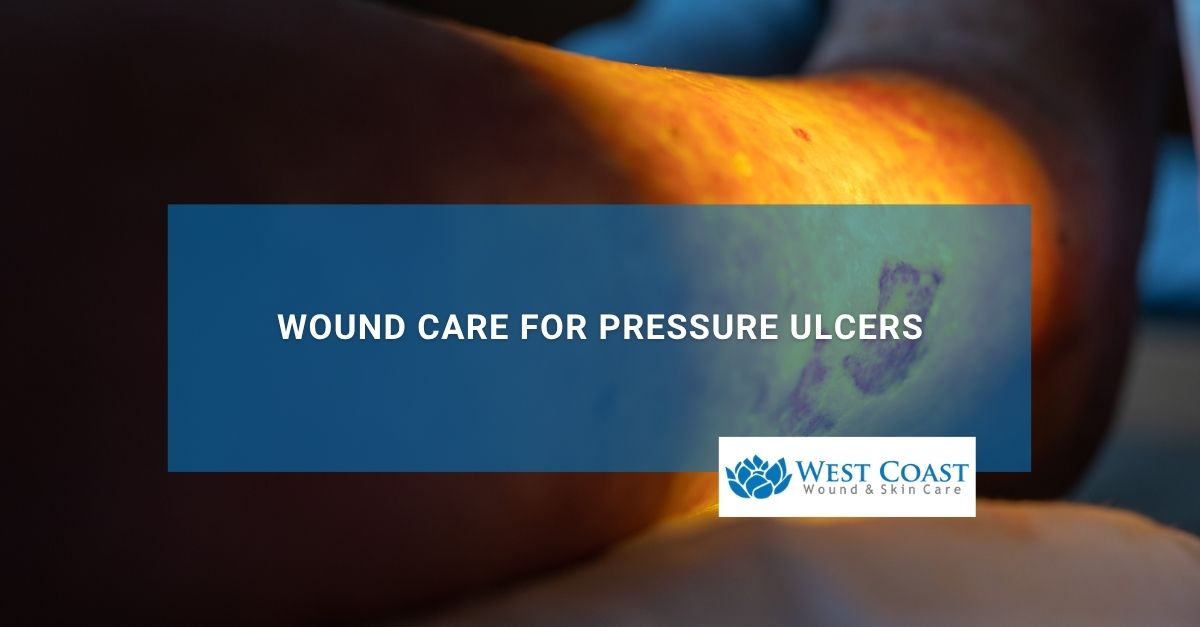
  • Pressure Ulcers: Prolonged pressure on the skin can lead to pressure ulcers, especially in individuals with limited mobility. We offer comprehensive pressure ulcer treatment, including wound cleansing, dressing selection, and pressure redistribution techniques.  
  • Venous Leg Ulcers: Poor circulation in the legs can cause venous leg ulcers. We provide advanced therapies for venous ulcers, including compression therapy and wound dressings to promote healing.  
  • Surgical Wounds: Surgical wounds can sometimes develop complications. We offer post-surgical wound care to ensure proper healing and minimize scarring.  

New Year’s Resolutions for Wound Healing

The new year is a perfect time to re-evaluate your health habits and make positive changes that support your body’s natural healing abilities. If you’re living with a chronic wound, consider these resolutions to promote faster healing and improve your overall well-being:

Prioritize Hydration:

Proper hydration is crucial for wound healing. Water plays a vital role in cell regeneration, nutrient delivery, and waste removal. Aim to drink at least 8 glasses of water per day to keep your skin hydrated and support the healing process.
According to the National Academies of Sciences, Engineering, and Medicine, adequate daily fluid intake is about 15.5 cups (3.7 liters) of fluids for men and about 11.5 cups (2.7 liters) of fluids a day for women. *Remember that this is a general guideline, and individual needs may vary.

Extra Tip: Carry a reusable water bottle with you throughout the day as a visual reminder to stay hydrated. You can also increase your fluid intake by consuming hydrating foods like fruits and vegetables.

Wound Center Fresno

Maintain a Healthy Diet:

Eating a balanced diet rich in fruits, vegetables, and lean protein provides the essential nutrients your body needs to repair tissues and fight infection. Focus on foods high in Vitamin C (like citrus fruits and berries), Vitamin A (found in leafy greens and orange vegetables), and zinc (found in beans, nuts, and whole grains), as these nutrients play key roles in wound healing.

Extra Tip: Consider incorporating protein shakes or smoothies into your diet to ensure you’re getting enough protein for tissue repair.

Quit Smoking:

Smoking significantly impairs circulation and slows down the healing process. Nicotine constricts blood vessels, reducing blood flow to the wound site and delaying the delivery of oxygen and nutrients essential for healing. Quitting smoking is one of the best things you can do for your overall health and wound healing.

Manage Stress:

Chronic stress can negatively impact your immune system and hinder wound healing. When you’re stressed, your body releases cortisol, a hormone that can interfere with the inflammatory response necessary for healing. Practice stress management techniques like meditation, yoga, or deep breathing exercises to reduce stress levels and promote a healing environment within your body.  

Extra Tip: Set aside a few minutes each day for relaxation and mindfulness. Even short periods of deep breathing or meditation can make a significant difference in your stress levels.

Stay Active:

Regular exercise improves circulation and promotes overall health, which can aid in wound healing. Even moderate exercise can increase blood flow, delivering oxygen and nutrients to the wound site and helping to remove waste products. Consult with your doctor or physical therapist for safe exercise options that won’t put undue stress on your wound.

Extra Tip: If you have limited mobility, consider chair exercises or gentle stretching to improve circulation and maintain flexibility.

By incorporating these resolutions into your New Year’s plan, you can take a proactive approach to wound healing and improve your overall health and well-being.

Wound Center Fresno: Your Partner in Healing

West Coast Wound and Skin Care is your trusted partner in wound healing. Our wound center Fresno provides comprehensive care for all types of wounds, helping you achieve optimal healing and regain your quality of life.

Here at West Coast Wound care, we provide advanced wound care, yes. Trained professionals with extensive experience utilize the latest technology to care for our patients’ wounds. However, there’s more to care we provide. We provide holistic wound care. Through this, we’re able to better care for our patients. 

Holistic Wound Care Defined 

Essentially, holistic practice means that we treat the entire person in addition to the wound. We consider your body as well as your mind, spirit, and even emotions in your care. So, yes, we do care for your wound. Our wound care specialists will conduct a comprehensive evaluation and determine the best treatment for your wounds.  

wound care

How This Works in Treatment 

Treating the wound works in conjunction with the underlying cause of the wound. In addition to treating the wound, we talk to you. Specifically, we talk to you about what caused the wound, where it came from, why it happened, and so forth. Crucially, we also go over what you can do to keep it from happening again. While communication is an important aspect of this, we do more than just communicate. It’s one thing to tell you what you can do to address the underlying causes of a wound. We work with you to make sure that it happens, so that you’re as well-informed as possible. The more our patients know about their wounds as well as the underlying causes of their wounds, the better able they are to, if not avoid being wounded in the future, avoid being wounded as severely or in the same way. At West Coast Wound Center, we constantly discuss anything in our patients’ lives that could even potentially affect optimal wound healing. 

We know how, when you’re dealing with wounds, it’s natural to be frustrated, confused, and even scared. With that in mind, we’re always glad to answer the questions you might have, no matter how minute or how large your questions might be. 

Start Your Advanced Wound Care Where You Are 

We provide a full spectrum of high quality wound care services no matter where you (or your loved one) might reside. Our mobile care specialists can treat patients in a wide range of service areas. We offer a full suite of dermatological services as well. Optimal healing is possible. Find a wound center near you. 

Chronic wounds can significantly impact your quality of life, but many are preventable. West Coast Wound Care is here to raise awareness about surprising activities and winter-specific hazards that can increase your risk of developing chronic wounds. If you have concerns, consult a wound care specialist for personalized advice.

Surprising Activities That Can Cause Chronic Wounds

  • Gardening: While gardening is a rewarding hobby, it can also expose you to cuts, scrapes, and puncture wounds. Thorns, sharp tools, and even insect bites can lead to injuries that may develop into chronic wounds if not properly cared for.
  • Hiking and Outdoor Activities: Exploring the great outdoors can be invigorating, but it also comes with risks. Falls, encounters with wildlife, and exposure to harsh elements can all lead to injuries that may require specialized wound care.
  • DIY Projects: Home improvement projects can be satisfying, but they also carry the risk of injuries. Power tools, sharp objects, and chemicals can cause wounds that may become chronic if not treated properly.

chronic wounds

Winter Hazards and Wound Care

Winter weather brings unique challenges that can increase your risk of developing chronic wounds:

  • Frostbite: Exposure to extreme cold can cause frostbite, a condition that damages skin and underlying tissues. Symptoms include numbness, tingling, and discoloration of the affected area. If you suspect frostbite, seek medical attention immediately.
  • Dry Skin: Winter’s dry air can dehydrate your skin, making it more susceptible to cracking and wounds. Moisturize regularly and protect your skin from the elements.
  • Reduced Circulation: Cold temperatures can constrict blood vessels, reducing circulation to the extremities. This can slow down the healing process for existing wounds.

Protecting Yourself

  • Wear Protective Gear: When engaging in outdoor activities or DIY projects, wear appropriate protective gear, such as gloves, sturdy footwear, and eye protection.
  • Practice Proper Hygiene: Wash your hands frequently and keep wounds clean and covered to prevent infection.
  • Manage Chronic Conditions: If you have diabetes or other chronic conditions that affect wound healing, work closely with your healthcare provider to manage your condition and minimize risks.

West Coast Wound Care: Your Wound Care Resource

West Coast Wound Care offers comprehensive wound care services, including prevention, treatment, and management of chronic wounds. Our team of specialists is dedicated to providing compassionate and effective care to help you achieve optimal healing outcomes.

Take Proactive Steps

By being aware of these risk factors and taking proactive steps to protect yourself, you can significantly reduce your risk of developing chronic wounds. If you have any concerns about wound care, contact West Coast Wound Care for expert advice and treatment from a wound care specialist.

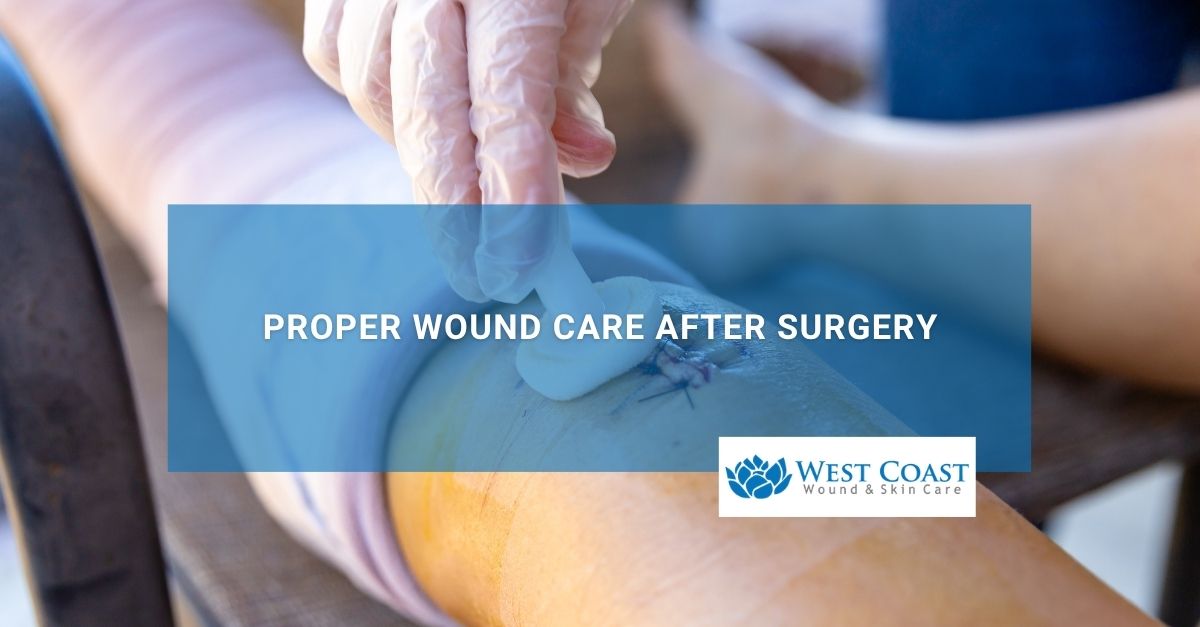
At West Coast Wound Care, we understand how daunting it can be to manage a wound after surgery. This is why we’ve made it our mission to bring the expertise to you—right in the comfort of your home. Our mobile wound care service is designed to provide the best care and support during your healing process, ensuring that you recover smoothly without the added stress of frequent clinic visits. We can provide post surgical wound care services tailored to your exact, specific needs. 

Keeping Your Wound Clean

One of the most important aspects of post-surgical care is keeping your wound clean to prevent infection. At West Coast Wound Care, we take this very seriously. If your surgeon has placed a dressing that needs to remain on for a few days, we’ll ensure it stays clean, dry, and intact.

If your wound requires regular dressing changes, our team will perform these safely and hygienically. We’ll also teach you how to properly cleanse your wound, whether that involves washing with soap and water or using specialized wound cleansers or wipes. Education is a significant part of treatment, helping you to heal as quickly as possible and as comprehensively as possible. 

Choosing the Right Dressing

The right dressing can make a big difference in how well and how quickly your wound heals. We have extensive experience with all kinds of surgical dressings and will select the best one for your particular wound. 

Whether your wound is closed with stitches, covered with a skin graft, or healing from the inside out, we’ll provide the optimal solution for each stage of your recovery.

Different Types of Surgical Wounds

Post-surgical wounds can vary greatly depending on the procedure you’ve had. Whether you’re dealing with a simple incision or a more complex wound like a skin graft or flap, our team is fully equipped to handle the unique needs of your wound.

For example, closed incisions—where the surgeon makes a cut and then stitches it up—are quite common, and we can help ensure that the incision remains clean and heals properly. 

Open wounds, on the other hand, present more challenges as the underlying tissues are exposed. 

Sometimes, a wound needs to be left open to heal from the inside out, a process known as secondary healing. In these cases, regular dressing changes are crucial, and we’ll be there to help you with that.

No matter your kind of wound, our team uses advanced techniques and dressings to promote healing and prevent infection. 

Post Surgical Wound Care

How Long Will Healing Take?

Wound healing times vary greatly from person to person. Factors like your age, general health, diet, and even lifestyle choices can influence how fast you heal. That’s why it’s important to follow all your doctor’s instructions—and we’ll be there to make sure you do.

Typically, simple incisions heal within a few weeks, but more complex wounds, such as those from skin grafts or flaps, can take longer. Flap procedures, in particular, can be unpredictable when it comes to healing time. Our team will monitor your progress closely, making any necessary adjustments to your care plan to optimize healing.

Keeping the affected area elevated is one of the simplest yet most effective ways to reduce pain by minimizing swelling. We’ll show you how to elevate your limb correctly so that fluid drains properly, reducing both discomfort and the risk of complications. 

Following your surgeon’s activity restrictions is also crucial, and we’ll help you stay on track with that to avoid further injury.

One of the most serious risks with any wound is infection. As part of our service, we’ll keep a close eye on your wound for any signs of trouble. Redness that spreads, unusual drainage, or a foul smell can all indicate an infection. 

If we notice these signs or if you’re experiencing increased swelling, pain, fever, or other symptoms, we’ll take immediate action to prevent the infection from worsening.

Post Surgical Wound Care in Your Home 

The reason to choose West Coast Wound Care for your post-surgery wound management is simple: expertise and convenience. We bring the clinic to you, ensuring you get top-notch medical attention without having to leave your home. 

Whether you need help managing pain, changing dressings, or monitoring for infection, our mobile wound care team will provide you with the highest level of care, so you can focus on healing and getting back to your normal life.

Our expert team is ready to make your healing process as smooth and stress-free as possible. Reach out to us today to learn more about how we can support you during your recovery. You can do so through our site or by giving us a call.

When it comes to managing severe wounds, proper care is essential for optimal healing and preventing complications. Whether resulting from surgical procedures, trauma, or chronic conditions, severe wounds require a structured approach. This blog will explore essential strategies, products, and tips for effective wound care.

Understanding Severe Wounds

Severe wounds are characterized by:

  • Deep Tissue Damage: Involves muscle, fat, or even bone.
  • Infection Risk: High potential for infection due to exposure and compromised tissue integrity.
  • Longer Healing Time: Severe wounds often take longer to heal and may require specialized care.

Step-by-Step Wound Care

1. Assessment

Before treatment begins, assess the wound thoroughly:

  • Type of Wound: Is it a surgical incision, a burn, or a pressure ulcer?
  • Depth and Size: Measure dimensions and note any exposed structures.
  • Signs of Infection: Look for redness, swelling, increased pain, or discharge.

2. Cleaning the Wound

  • Gentle Irrigation: Use sterile saline or mild soap and water to cleanse the wound. Avoid harsh antiseptics that can damage tissue.
  • Debridement: Remove any dead tissue or foreign objects. This may require professional intervention for larger or more complex wounds.

wound care for severe wounds

3. Moisture Balance

Maintaining a moist wound environment promotes healing:

  • Hydrocolloid Dressings: These maintain moisture and protect the wound.
  • Foam Dressings: Ideal for absorbing excess exudate while keeping the area hydrated.

4. Infection Control

Preventing infection is crucial:

  • Antibiotic Ointments: Apply as advised by a healthcare professional.
  • Regular Monitoring: Check for signs of infection daily.

5. Dressings and Bandages

Choose appropriate dressings based on the wound type:

  • Non-Adhesive Dressings: Prevents irritation on sensitive tissues.
  • Alginate Dressings: Useful for wounds with significant exudate.

6. Pain Management

Severe wounds can be painful:

  • Pain Relief: Over-the-counter medications like acetaminophen or ibuprofen can help, but consult a doctor for prescription options if needed.
  • Positioning: Ensure the patient is comfortable to minimize pain.

7. Nutritional Support

Nutrition plays a pivotal role in wound healing:

  • Protein-Rich Diet: Supports tissue repair. Include lean meats, beans, and dairy.
  • Hydration: Encourage fluid intake to support overall health.

8. Follow-Up Care

Regular follow-ups with healthcare providers are vital:

  • Professional Assessments: Schedule routine check-ups to monitor healing and make necessary adjustments to care plans.
  • Reevaluation of Dressings: Change dressings as recommended, typically every 1-3 days, depending on the wound condition.

When to Seek Professional Help

It’s important to know when a wound requires advanced care:

  • Signs of Infection: Increased redness, warmth, swelling, or pus.
  • Persistent Pain: Pain that worsens over time may indicate complications.
  • Delayed Healing: If a wound does not show signs of improvement within a few days, consult a healthcare provider.

Conclusion

Proper wound care for severe wounds is essential for healing and preventing complications. By following a structured approach—assessing the wound, maintaining a moist environment, managing infection, and ensuring proper nutrition—you can significantly improve healing outcomes. Always consult healthcare professionals for guidance tailored to specific needs, and never hesitate to seek help when in doubt. Remember, every wound is unique, and personalized care is the key to successful recovery.