
Cuts, sores, and ulcers often seem straightforward at first, but many wounds require far more than basic home treatment to heal properly. Unfortunately, outdated advice and common misconceptions still influence how people care for injuries. Our approach to advanced wound care focuses on evidence-based therapies rather than outdated myths.
By separating fact from fiction, patients and caregivers can make better decisions that promote healthier outcomes.
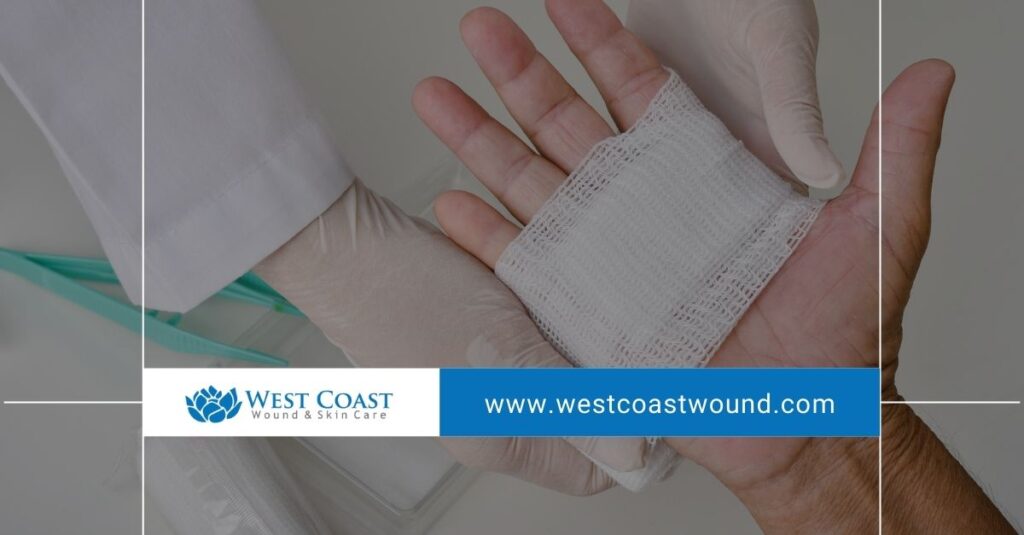
Why Does Advanced Wound Care Reject the “Let It Air Out” Myth?
Many people still believe that exposing a wound to fresh air helps it heal faster. While this advice may have been common decades ago, modern wound science tells a very different story.
Healthy Healing Depends on a Moist Environment
A wound heals through several carefully coordinated stages. During these stages, skin cells move across the wound surface to rebuild damaged tissue. If the wound bed becomes too dry, those cells struggle to migrate effectively, slowing the healing process.
Modern treatment focuses on maintaining balanced moisture because it helps:
- Support healthy cell growth
- Encourage tissue regeneration
- Reduce unnecessary scab formation
- Protect newly forming tissue from additional injury
Instead of allowing wounds to dry out, carefully selected wound coverings help create conditions that promote more efficient healing while shielding the area from outside contaminants.
Not Every Wound Needs the Same Approach
Another misconception is that one treatment works for every wound. In reality, care should always match the type, location, cause, and overall health of the patient.
For example, pressure injuries, diabetic foot ulcers, venous leg ulcers, traumatic wounds, and surgical wounds each respond differently to treatment. Our providers evaluate multiple factors before recommending therapies that match each patient’s individual needs.
What Distinguishes Basic First Aid From Professional Chronic Wound Treatment?
Basic first aid plays an important role immediately after an injury occurs. Cleaning a wound and protecting it with a bandage may be enough for minor cuts and scrapes. However, wounds that fail to heal normally often require specialized evaluation and advanced therapies.
Professional Care Goes Beyond Standard Bandages
Persistent wounds frequently involve damaged tissue, poor circulation, infection risk, or underlying medical conditions that prevent normal healing. These situations require considerably more than routine first aid supplies.
Our wound care specialist team evaluates every wound carefully before developing a personalized treatment plan. Depending on each patient’s needs, treatment may include advanced techniques such as:
- Conservative debridement to remove unhealthy tissue
- Enzymatic debridement when appropriate
- Advanced antimicrobial therapies
- Bioengineered skin substitutes for qualifying wounds
- Compression therapy for appropriate venous ulcers
- Ongoing monitoring to measure healing progress
Each therapy addresses specific barriers that prevent wounds from closing successfully.
Healing Requires Treating the Whole Patient
A wound rarely exists in isolation. Diabetes, vascular disease, reduced mobility, nutritional concerns, and immune system conditions can all interfere with recovery.
Rather than focusing only on the visible injury, we evaluate the broader medical picture. Identifying contributing factors often allows us to improve healing while helping patients avoid additional complications.
Which Common Wound Healing Myths Continue to Cause Problems?
Misinformation spreads easily, especially when advice has been passed down for generations. Here are several myths that continue to create unnecessary risks.
Myth: If It Doesn’t Hurt, It’s Getting Better
Pain is only one indicator of wound health. Some serious wounds produce very little discomfort, particularly in patients with diabetic neuropathy or reduced sensation.
A wound can appear relatively painless while still developing infection, tissue damage, or circulation problems. Regular professional evaluations remain essential regardless of pain levels.
Myth: Scabs Always Mean Faster Healing
Scabs naturally develop on some wounds, but larger or chronic wounds generally benefit from carefully controlled moisture instead of excessive drying.
Maintaining appropriate moisture supports healthy tissue growth beneath protective coverings rather than forcing healing to occur underneath thick, hardened scabs.
Myth: Every Red Area Signals Infection
Some redness is expected during normal healing. However, spreading redness accompanied by warmth, swelling, drainage, or increasing pain deserves prompt medical attention.
Professional assessment helps distinguish normal inflammatory responses from developing infections that require treatment.
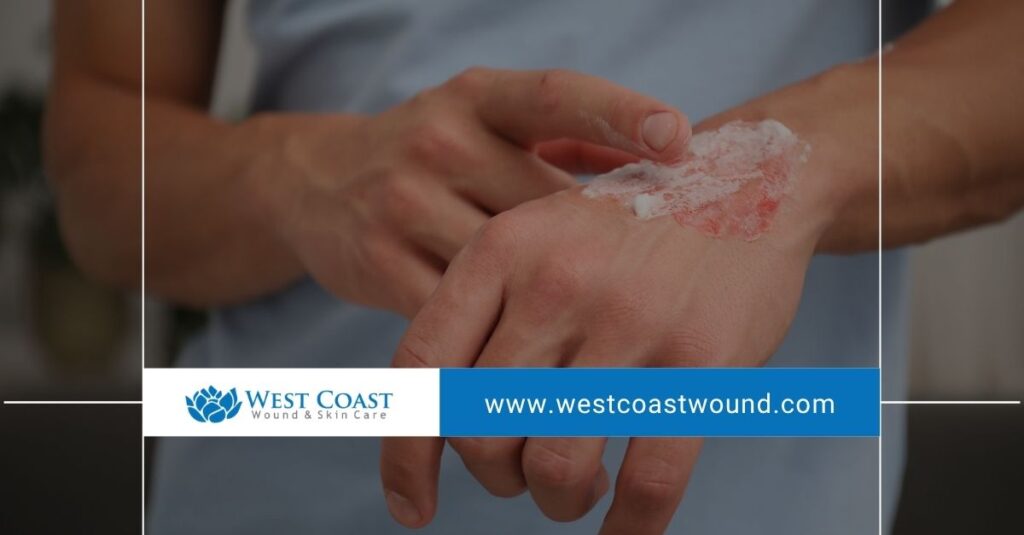
How Can Proper Wound Dressings Support Better Recovery?
Selecting the right covering is far more complex than choosing the first bandage available at the store.
Different Materials Serve Different Purposes
Today’s advanced wound dressings are designed to accomplish specific goals depending on the condition of the wound. Some products absorb heavy drainage, while others maintain moisture, reduce bacterial growth, or protect delicate new tissue.
Healthcare providers evaluate factors such as:
- Drainage levels
- Tissue appearance
- Wound depth
- Skin condition around the wound
- Overall healing progress
Changing products when healing conditions change helps maintain an environment that supports recovery.
Frequent Changes Are Not Always Better
Many people believe that changing dressings several times each day speeds healing. In reality, unnecessarily frequent changes can disturb fragile tissue and interrupt the body’s natural repair process.
Instead, dressing changes should follow recommendations based on the wound itself, the amount of drainage present, and the specific products being used.
Can Healing Continue Even When Progress Seems Slow?
One of the biggest misconceptions surrounding chronic wounds is that slow improvement means treatment has failed.
Healing Often Occurs Gradually
Complex wounds frequently improve in small but meaningful ways before becoming noticeably smaller. Providers monitor several indicators beyond simple measurements, including:
- Development of healthy granulation tissue
- Reduced drainage
- Healthier wound edges
- Improved surrounding skin
- Decreased inflammation
These positive changes often signal that treatment is moving in the right direction even before dramatic size reduction becomes visible.
Consistency Produces Better Results
Following treatment recommendations consistently gives wounds the greatest opportunity to heal successfully. Missing appointments, stopping care early, or changing treatment routines without medical guidance can delay recovery and increase complication risks.
Patients who actively participate in their care often experience steadier progress while reducing the likelihood of setbacks.
How Do You Identify a Stalled Wound That Requires Medical Intervention?
Many wounds heal steadily with appropriate treatment. Others stop progressing because underlying conditions interfere with the body’s natural repair process. Recognizing these warning signs early can make a significant difference in recovery.
Certain Changes Should Never Be Ignored
A wound that appears unchanged for several weeks deserves professional evaluation. One of the clearest indicators is a lack of measurable improvement over a two-to-four-week period despite proper care.
Other warning signs include:
- Increased drainage or a sudden change in the amount of fluid coming from the wound
- A foul or unusual odor
- Expanding redness around the edges
- New swelling
- Tissue that appears darker or unhealthy
- Increasing warmth around the wound
- Fever or chills that may indicate a more serious infection
Seeking care promptly allows providers to identify obstacles to healing before they become more serious. Our approach to advanced wound care emphasizes early intervention because delaying treatment can lead to additional tissue damage and more complicated recovery.
Are Antibiotics the Answer to Every Wound Problem?
Many people assume antibiotics are necessary whenever a wound looks concerning. While antibiotics can be lifesaving when a bacterial infection is present, they are not appropriate for every wound.
Treatment Depends on the Cause
Some wounds heal slowly because of poor circulation, pressure, diabetes, or repeated trauma rather than infection. In these situations, antibiotics alone will not solve the underlying problem.
Instead, treatment begins with a thorough evaluation to determine exactly what is preventing healing. Once the cause has been identified, we can recommend therapies that address those specific barriers while monitoring for any signs that infection develops.
Does Home Care Replace Professional Treatment?
Home care plays an important role in supporting healing, but it should complement, not replace, professional medical care when wounds become chronic.
Daily Habits Can Support Recovery
Patients often ask what they can do between appointments to promote healing. While every treatment plan is individualized, several healthy habits can make a positive difference:
- Follow dressing instructions carefully.
- Protect the wound from unnecessary pressure or injury.
- Manage chronic health conditions as directed by your healthcare providers.
- Eat a balanced diet that supports tissue repair.
- Stay hydrated unless your physician has advised otherwise.
- Report any sudden changes as soon as they occur.
These everyday steps work best alongside ongoing evaluations that allow treatment to be adjusted as healing progresses.
Can Mobile Wound Care Make Treatment More Accessible?
Traveling to appointments is not always easy for patients living with mobility limitations, chronic illnesses, or transportation challenges.
Care Can Come to Eligible Patients
Our mobile wound care services allow many patients to receive advanced treatment in a familiar setting without sacrificing quality of care. Receiving treatment where patients live can improve consistency, reduce missed appointments, and provide opportunities to evaluate environmental factors that may affect healing.
During visits, our providers perform comprehensive wound assessments, monitor healing progress, update treatment plans when necessary, and educate patients and caregivers on proper wound management. This personalized approach helps maintain continuity throughout the healing process while making specialized care more accessible.
Are Wound Care Centers Only for Severe Cases?
Another common myth is that specialized clinics are reserved only for patients with the most advanced wounds.
Earlier Care Often Leads to Better Outcomes
Many patients benefit from evaluation long before a wound reaches a critical stage. Visiting dedicated wound care centers allows providers to identify healing barriers early, monitor progress closely, and adjust treatment before complications develop.
Patients frequently seek specialized care for:
- Diabetic foot ulcers
- Pressure injuries
- Venous leg ulcers
- Arterial ulcers
- Surgical wounds that heal slowly
- Traumatic wounds
- Other non-healing skin injuries
Receiving specialized care sooner rather than later may reduce the likelihood of prolonged healing and additional medical complications.
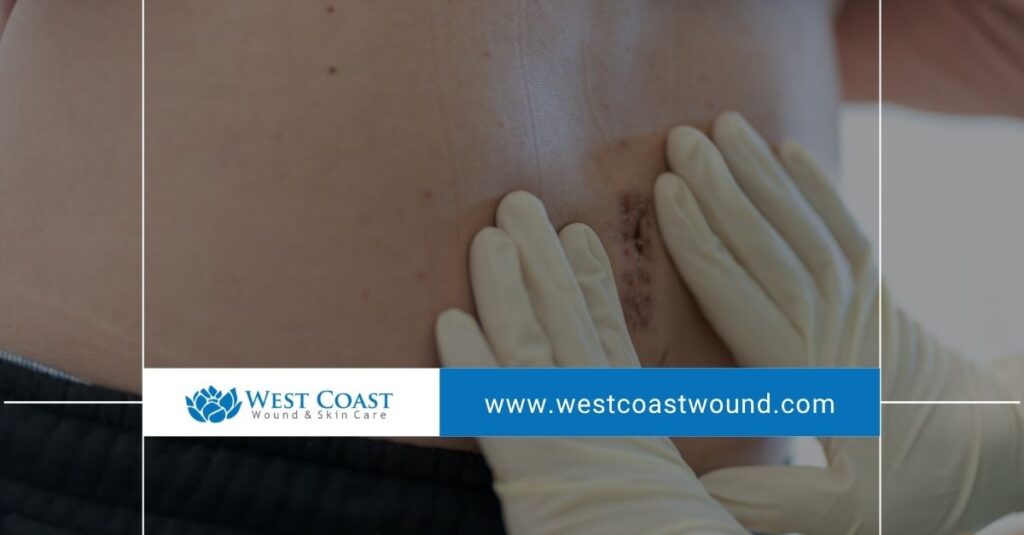
How Does Advanced Wound Care Help Patients Move Forward?
Healing is rarely achieved through a single product or one office visit. It requires careful evaluation, ongoing monitoring, and treatments that evolve as the wound changes.
Every Treatment Plan Is Built Around the Individual
No two wounds behave exactly alike. Factors such as circulation, diabetes, nutrition, mobility, medications, and overall health all influence recovery. Our providers continually assess healing and modify care when necessary so each patient receives treatment that reflects their current condition rather than relying on a one-size-fits-all approach.
Just as importantly, we believe education is part of quality care. Helping patients and caregivers separate medical facts from long-standing myths allows them to participate more confidently in the healing process.
If you or a loved one has a wound that has stopped improving or continues to return, professional evaluation can make a meaningful difference. Through advanced therapies, individualized treatment plans, and compassionate care, our advanced wound care services are designed to support healing, reduce complications, and help patients achieve the best possible outcomes.
