
The right wound dressings can be the difference between healing and worsening. But, with so many different kinds of dressings and wounds, it can be a real challenge to know which is right for what wound and at what time.
Chronic wounds such as diabetic ulcers, pressure injuries, surgical wounds, and traumatic injuries require individualized treatment plans. As part of our holistic wound care approach, we evaluate circulation, tissue health, infection risk, and skin condition before choosing a dressing.
The right material can maintain proper moisture levels, protect fragile tissue, and support the body’s natural healing process.
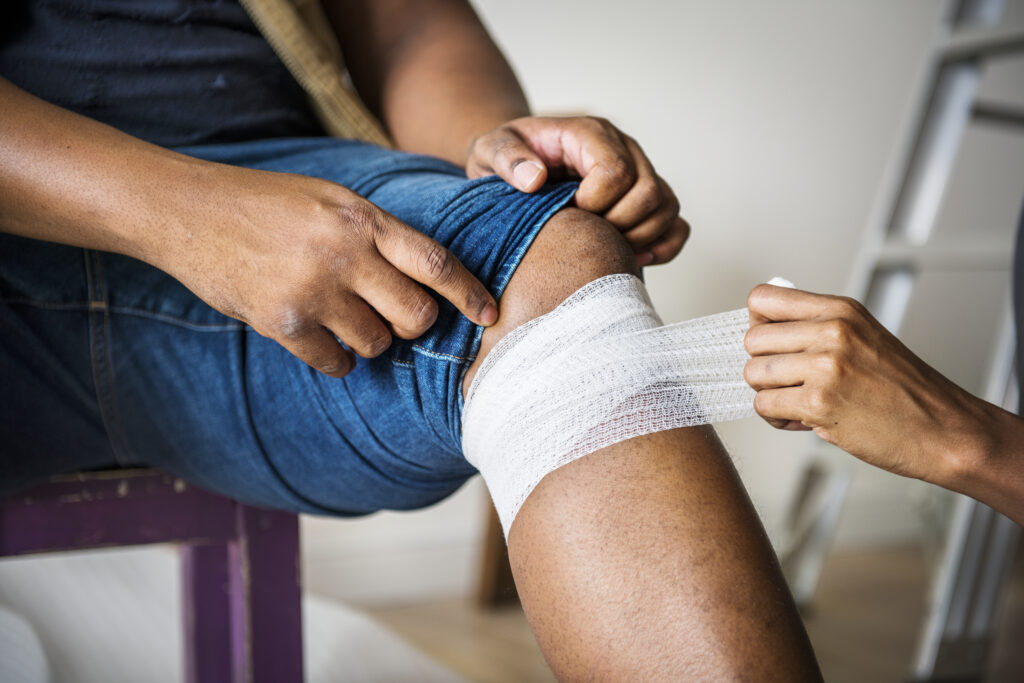
Gauze Dressings in Traditional Wound Management
Gauze remains one of the most widely used materials in wound treatment because of its versatility and accessibility. Although modern options are often used for complex wounds, gauze continues to play a helpful role in many care plans.
Gauze can be applied to a wide variety of injuries, particularly those that require frequent monitoring or cleaning. Our clinicians often use it for:
- Surgical wounds during early recovery
• Minor traumatic injuries
• Wounds requiring frequent dressing changes
• Situations where additional absorbent layers are needed
Gauze can absorb drainage while protecting the wound surface. In some situations, it is combined with other wound dressings to provide additional coverage or padding. Because it is easy to apply and remove, it allows our providers to monitor healing progress closely during follow-up mobile wound care visits.
Foam Dressings for Moderate to Heavy Drainage
Many wounds produce drainage as part of the healing process. When excess fluid accumulates, it can slow tissue repair or cause irritation around the wound edges.
Foam materials are designed to absorb moderate to heavy exudate while maintaining a balanced moisture environment. They are often used for:
- Pressure injuries
• Diabetic ulcers
• Surgical wounds with drainage
• Skin tears with fragile tissue
Foam products cushion the wound area and protect surrounding skin from breakdown. Our clinicians frequently include foam wound dressings in care plans for patients with wounds that require extended coverage between dressing changes.
Hydrocolloid Dressings for Moist Healing
Hydrocolloid materials contain gel-forming agents that interact with wound fluid. This interaction creates a protective barrier that helps maintain a moist environment, which is widely recognized in medical research as beneficial for tissue regeneration.
Hydrocolloid options are often selected for wounds that are shallow or moderately draining. Examples include:
- Pressure injuries in early stages
• Minor burns
• Superficial ulcers
• Surgical incisions that require protection
These dressings can remain in place for several days when clinically appropriate, helping reduce disruption to new tissue growth. You can learn more about hydrocolloid dressings at this link.
Our providers carefully evaluate whether hydrocolloid wound dressings are appropriate for each patient’s condition before recommending them.
Alginate Dressings for Highly Exuding Wounds
Alginate materials are derived from natural seaweed fibers and are designed to manage heavy drainage. When they come into contact with wound fluid, they transform into a gel-like substance that helps maintain moisture balance.
Alginate products are frequently used in wounds with substantial exudate, such as:
- Venous leg ulcers
• Diabetic foot ulcers
• Pressure injuries with drainage
• Deep cavity wounds
Because of their high absorbency, alginate dressings help protect surrounding skin while promoting a stable healing environment.
Hydrogel Dressings for Dry or Painful Wounds
Some wounds lack adequate moisture, which can slow healing and cause discomfort. Hydrogel materials provide hydration that supports cell migration and tissue repair.
Hydrogel dressings may be used for:
- Dry wounds with minimal drainage
• Burns
• Radiation-related skin injuries
• Painful ulcers that benefit from cooling relief
By restoring moisture, hydrogel dressings help soften damaged tissue and encourage natural repair processes.
Collagen Dressings to Support Tissue Growth
Collagen plays an important role in the body’s wound repair process. Collagen-based dressings introduce structural proteins that can assist new tissue formation.
Our providers often use collagen dressings in wounds where healing has slowed or stalled. They may be applied for:
- Chronic diabetic ulcers
• Surgical wounds with delayed healing
• Traumatic injuries
• Pressure injuries that need tissue support
These wound dressings can help stimulate cellular activity and support the formation of healthy tissue layers. As with all of our treatments, these can receive ongoing monitoring from members of our wound care specialist team.
Antimicrobial Dressings for Infection Control
Preventing infection is one of the most important goals in wound care. Antimicrobial materials help reduce bacterial growth in vulnerable wounds.
These dressings often contain agents such as silver or other antimicrobial compounds that inhibit bacteria. They may be used for:
- Wounds with signs of infection
• Ulcers with high bacterial burden
• Surgical wounds requiring additional protection
When used appropriately, antimicrobial dressings can help reduce infection risk and protect surrounding tissue.
Transparent Film Dressings for Superficial Wounds
Transparent film materials provide a thin protective layer that allows clinicians to monitor the wound without removing the dressing.
Transparent films are often selected for wounds that produce minimal drainage, including:
- Minor skin injuries
• Surgical incision protection
• Early-stage pressure injuries
Because they allow oxygen exchange while protecting the skin, these dressings can be useful for delicate areas where visibility and protection are both necessary.
Composite Dressings for Multi-Layer Protection
Composite dressings combine multiple materials into a single product. These layers often include an absorbent core, protective backing, and skin-friendly adhesive border.
Composite options are helpful when a wound requires several functions at once, such as:
- Absorbing drainage
• Protecting fragile tissue
• Securing the dressing in place
For many patients, composite wound dressings simplify treatment while maintaining a supportive healing environment.
Silicone Contact Layer Dressings for Fragile Skin
Patients with delicate skin often need extra protection during dressing changes. Silicone contact layers are designed to reduce trauma when removing or replacing dressings.
Silicone layers are commonly used for:
- Skin tears
• Pressure injuries
• Surgical wounds
• Patients with sensitive or aging skin
These wound dressings help prevent damage to new tissue while allowing other absorbent materials to be applied over them. When necessary, we provide dermatology care for skin conditions.
How Our Care Team Selects the Right Wound Dressings
The above are just some of the wound dressings that we can provide. Always, we make sure that the dressing meets the patient’s needs. Choosing the correct treatment method requires careful evaluation of each patient’s condition.
Our services are designed to deliver specialized care in a way that is convenient and accessible. Patients may receive treatment through our mobile or advanced wound care clinics.

Because chronic wounds often involve multiple health factors, our providers focus on holistic wound care that addresses circulation, skin integrity, infection control, and overall wellness.
Patients benefit from personalized treatment plans that adapt as wounds heal. Dressings may be adjusted as drainage changes, tissue improves, or infection risks decrease. By tailoring each step of care, we help support steady progress toward recovery.
