
Wounds are a common part of daily life, from minor cuts and scrapes to more serious injuries. Most wounds heal without complications when cared for properly. However, when bacteria enter the skin, infections can develop and delay recovery. Knowing how to treat wound infections can protect your health and avoid serious complications.
What Happens if Wound Infections Go Untreated?
If left untreated, wound infections can spread beyond the surface of the skin, becoming even life-threatening. This may lead to conditions such as cellulitis, which affects deeper tissue, or osteomyelitis, a bone infection.
In severe cases, bacteria can enter the bloodstream and cause sepsis, a life-threatening condition that requires immediate medical attention. Recognizing early signs and taking preventive steps can make a significant difference in outcomes.
What Are the Signs of an Infected Wound?
While many wounds heal within a few weeks, an infection may be present if the wound worsens instead of improving. Paying attention to symptoms helps ensure timely treatment.
Common warning signs include:
- Increased redness around the wound
- Swelling, tenderness, or persistent pain
- Warm or hot skin near the affected area
- Foul odor coming from the wound
- Green or yellow discharge (pus)
- Red streaks spreading from the wound
- Blisters or darkened tissue
- Fever, chills, nausea, or body aches
If you notice any of these symptoms, it may indicate that bacteria have entered the wound and begun to multiply. Early intervention supports faster wound healing and reduces the risk of complications.
How Wounds Become Infected
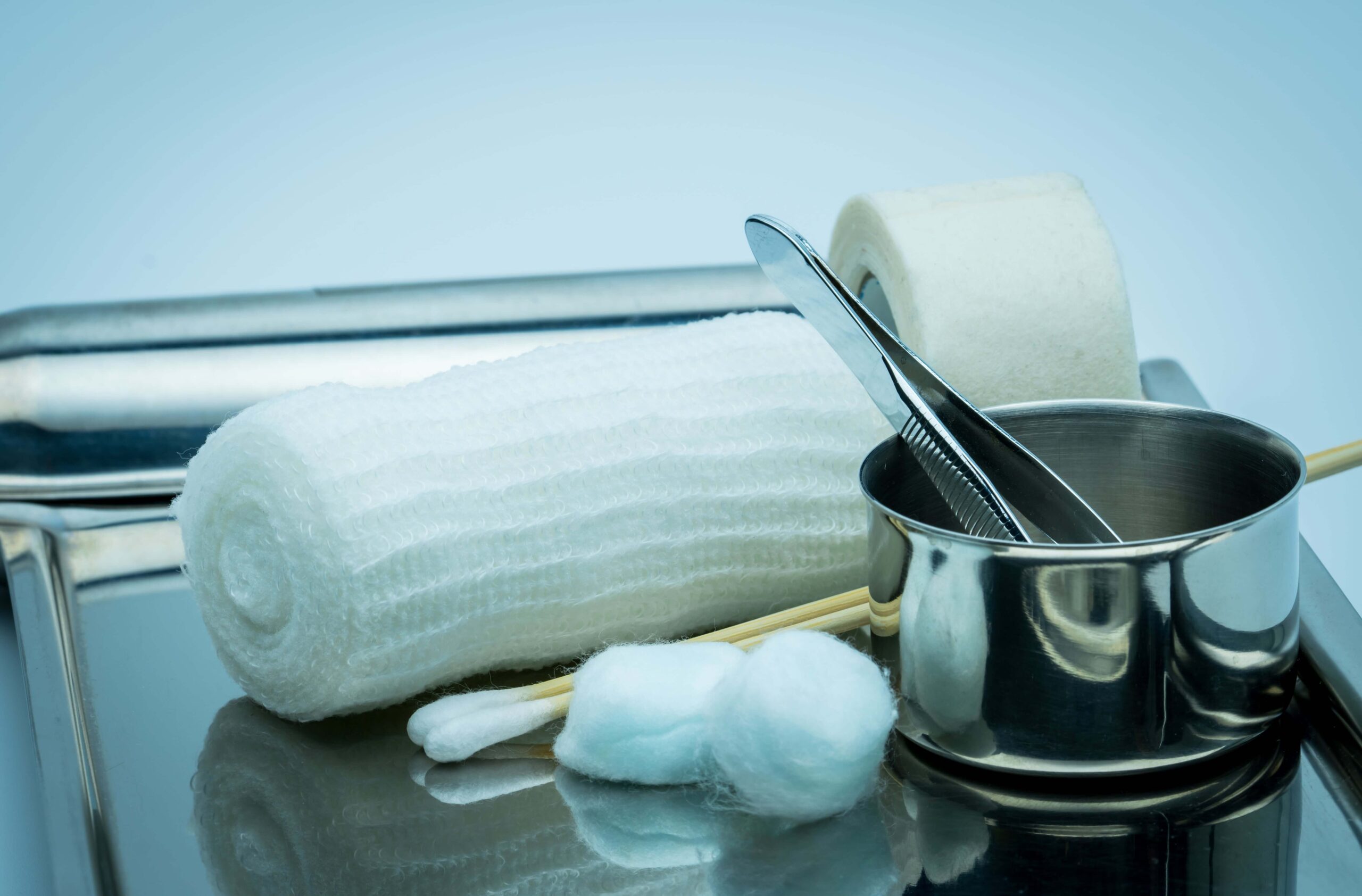
Wound infections occur when harmful bacteria enter the body through broken skin. Common culprits include Staphylococcus aureus and Escherichia coli, which can originate from:
- The skin’s surface
- Contaminated objects
- The surrounding environment
- Animal or insect bites
Certain types of wounds are more vulnerable to infection, including:
- Deep or puncture wounds
- Jagged or irregular cuts
- Injuries involving dirty or rusty objects
- Wounds located in moist or high-friction areas like the groin or limbs
Additionally, several health and lifestyle factors can increase infection risk:
- Diabetes
- Weakened immune system (from illness or medications)
- Smoking
- Obesity
- Poor hygiene
- Nutritional deficiencies
- Limited mobility or advanced age
A proactive, holistic wound care approach considers these underlying factors while treating the wound itself, improving overall recovery outcomes.
Preventing Wound Infections
Prevention is the most effective way to avoid complications. Proper care from the moment a wound occurs significantly lowers the chance of infection.
Prevention steps include:
- Wash Your Hands
Always clean your hands thoroughly with soap and water before touching a wound to prevent introducing bacteria. - Clean the Wound Immediately
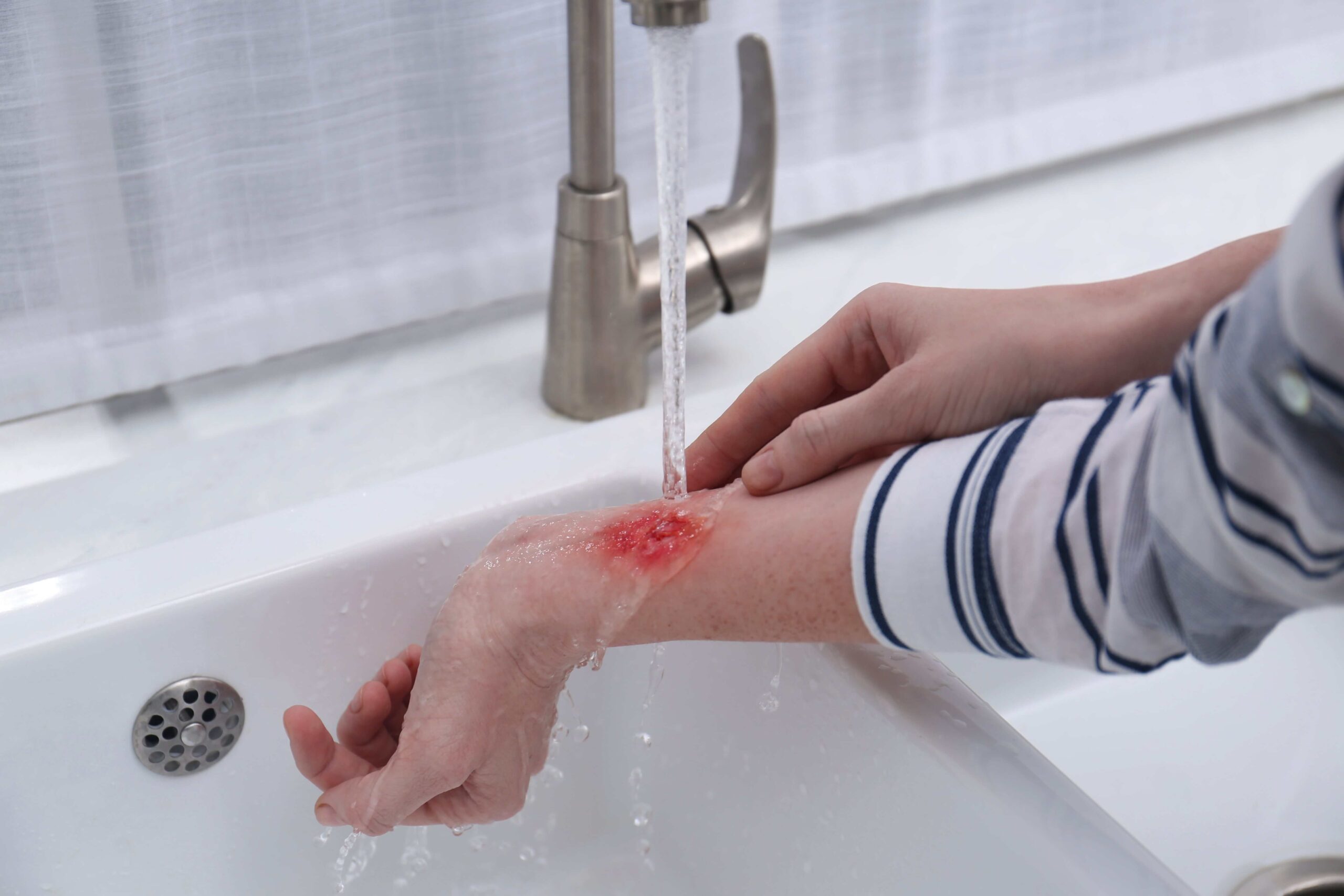
Rinse the wound with clean, warm water. If necessary, use sterile tools to remove dirt or debris. Keeping the wound free of contaminants is essential. - Apply a Protective Barrier
Use petroleum jelly or an antibiotic ointment to keep the wound moist and protected. Avoid harsh substances like hydrogen peroxide or iodine, which can damage healthy tissue. - Cover the Wound Properly
Apply a clean bandage or dressing that does not stick to the wound. Change it daily or whenever it becomes wet or dirty. - Keep the Area Clean and Dry
Protect the wound from exposure to contaminants such as dirt, sweat, or bodily fluids. - Monitor Healing Progress
Check the wound regularly for any changes in appearance or signs of infection.
For individuals with mobility challenges or chronic wounds, mobile wound care services can provide professional treatment at home, helping maintain consistent and sterile care.
Treating an Infected Wound
If an infection develops, prompt medical attention is often necessary. While minor infections may respond to basic care, more serious cases require professional treatment.
Seek medical care if:
- You cannot remove debris from the wound
- The injury was caused by an animal bite or contaminated object
- Symptoms such as redness, swelling, or fever worsen
- The wound does not improve after several weeks
- The wound is deep, large, or has open edges
Common treatment methods include:
- Wound Cleaning and Debridement
Removal of dead or infected tissue promotes healing and prevents bacteria from spreading. - Antibiotic Therapy
Oral or intravenous antibiotics are often prescribed to eliminate infection. - Drainage of Pus
If fluid buildup is present, it may need to be drained to reduce pressure and bacterial load. - Advanced Dressings and Ointments
Specialized treatments help maintain the right moisture balance and protect the wound. - Tetanus Protection
In some cases, a tetanus shot may be recommended, especially for deep or contaminated wounds.
A skilled wound care specialist team can tailor treatment plans based on the severity of the infection and the patient’s overall health, ensuring more effective recovery.
Supporting Faster Recovery
Beyond direct treatment, several factors can support better healing outcomes:
- Maintain a balanced diet rich in protein, vitamins, and minerals
- Stay hydrated to support tissue repair
- Manage chronic conditions such as diabetes
- Avoid smoking, which restricts blood flow
- Follow all medical instructions carefully
Consistency in care is critical. Even small lapses in hygiene or dressing changes can allow bacteria to thrive and delay healing.
Professionals to Treat Wound Infection
Proper care makes the difference when it’s time to treat wound infections. This is especially if symptoms worsen or healing stalls. Experienced providers can deliver advanced treatments designed to accelerate recovery and reduce complications.
FAQs: How to Prevent and Treat Wound Infections
How can I tell if my wound is infected?
Signs of infection include increasing redness, swelling, warmth, pain, pus (yellow or green discharge), foul odor, or red streaks spreading from the wound. Systemic symptoms like fever or chills may also appear. If symptoms worsen instead of improving, it’s important to seek medical care.
What is the best way to prevent a wound infection?
Start by washing your hands before touching the wound. Clean it gently with water, remove any debris, apply an antibiotic ointment, and cover it with a clean bandage. Keeping the wound clean, protected, and properly dressed greatly reduces infection risk.
When should I see a doctor to treat wound infections?
You should seek medical attention if the wound is deep, caused by a bite or dirty object, shows worsening symptoms, or does not heal after a few weeks. Fever, severe pain, or spreading redness are also warning signs that require professional evaluation.
Can infected wounds heal on their own?
Some minor infections may improve with proper care, but many require medical treatment. If you don’t treat wound infections, they can spread and lead to serious complications, so it’s safer to have a healthcare provider assess the wound if you’re unsure.
What treatments are used for infected wounds?
Treatment may include cleaning the wound, removing dead tissue (debridement), draining pus, applying specialized dressings, and prescribing antibiotics. A tailored care plan helps eliminate infection and supports proper healing.
