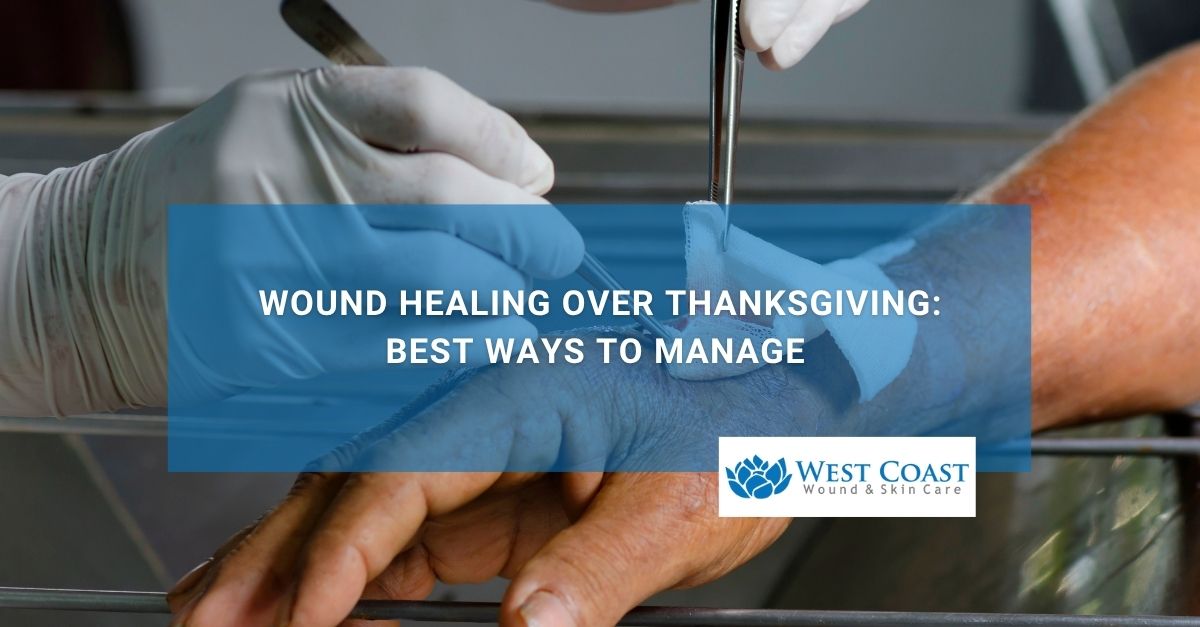
Thanksgiving often brings comfort, celebration, and time spent with loved ones, but it can also present unique challenges for families caring for someone with a chronic or post-surgical wound. Between travel, busy kitchens, and shifting routines, supporting safe and steady wound healing during the holiday often requires planning ahead. 

We help patients and their families navigate these seasonal challenges with services designed to offer support both at home and in our clinics. With preparation and a focus on comfort and safety, you can have a great holiday for all of your loved ones. 

wound healing

Helping Loved Ones With Chronic Wounds During Thanksgiving

For individuals living with chronic wounds, the Thanksgiving holiday may disrupt established routines that play a major role in keeping healing progress consistent. From irregular meal times to increased activity, these sudden changes can affect how wounds respond. Fortunately, there are many ways families can help their loved ones stay comfortable and supported.

Creating a Safe Space for Daily Care

One of the simplest ways to help a family member with chronic wounds is to create a calm, organized space where they can comfortably rest and receive care. This includes ensuring they have easy access to their dressing supplies, mobility aids, and clean surfaces for assisted care. 

You may also want to keep noise levels moderate and avoid overstimulating environments to help reduce stress, which research shows can influence healing response.

Light meal modifications may also help. Many traditional Thanksgiving dishes are high in sodium, sugar, or fats, which may not be ideal for those with circulatory issues, diabetes, or certain cardiac conditions that can influence wound behavior. 

Offering nutrient-rich alternatives—lean proteins, vegetables, vitamin C–rich fruits, and adequate hydration—can support healthy tissue formation. That doesn’t mean you have to ignore mashed potatoes. It just means that you should have alternatives, too. 

Finally, encouraging periodic breaks throughout the day allows relatives with chronic wounds to avoid extended sitting or standing, both of which may increase pressure in vulnerable areas. These small adjustments can have a big impact on making the holiday comfortable.

Supporting Post-Surgical Wound Care Over a Busy Holiday

Post-surgical wounds require consistent monitoring, especially in the early stages of recovery. Thanksgiving gatherings may bring movement, cooking, and guests, which can unintentionally introduce risks—bumping into furniture, exposure to crowded environments, or delays in scheduled dressing changes. Thoughtful preparation helps families stay on track while still enjoying the holiday activities.

Keeping Post-Surgical Patients Comfortable and Protected

One supportive step is to create a designated quiet area for the recovering individual. This helps limit contact with crowded rooms and minimizes the risk of accidental contact with the surgical site. It also allows the patient to step away and rest without feeling separated from the festivities.

If you are helping someone with their dressing care during the holiday, keep all wound supplies organized and clean. Dermatological wound care dressings should be stored properly to prevent contamination, especially in homes with pets, children, or heavy foot traffic. If your loved one is traveling for Thanksgiving, consider preparing a compact care kit that contains dressings, gentle cleansers, wound-safe moisturizers, and any prescribed topical treatments.

Our wound care specialist team can offer guidance prior to travel to help establish a care plan that keeps the healing process on schedule. If your loved one is receiving care through our mobile services, we can help identify treatment windows around the holiday to maintain consistency.

Simple Ways to Make Thanksgiving Easier for a Loved One Going Through Wound Healing 

Even small changes to your Thanksgiving plans can create a more supportive environment for someone recovering from wounds. These gestures are especially meaningful because they help your loved one enjoy the holiday without feeling overwhelmed or left out.

Making Thoughtful Adjustments to Holiday Activities to Facilitate Wound Healing 

A few examples include:

If your loved one enjoys helping with Thanksgiving tasks, consider assigning low-impact roles—arranging flowers, reading recipes aloud, or helping with table décor. This provides inclusion without increasing physical strain.

Meals can also be adapted without removing holiday favorites. For instance, limiting sodium, offering moderate portion sizes, and adding protein sources such as turkey breast can support wound repair. Vitamin-rich foods like leafy greens, squash, and cranberries can also contribute to healthy recovery.

Our advanced wound care centers offer guidance throughout seasonal transitions, and we encourage patients or caregivers to reach out if they have questions about modifying holiday routines safely.

Wound Healing: What to Do if Someone Gets Hurt During Thanksgiving

With kitchens running at full speed, busy households, carving tools, and travel, injuries are unfortunately common around Thanksgiving. These can range from cuts and burns to more serious wounds that require medical care.

Responding Safely to Holiday Injuries

If someone is hurt during the holiday, start by stabilizing the area, keeping it clean, and preventing further irritation. Mild injuries may require simple cleaning and light protection, but more complex wounds—deep cuts, burns, punctures, or wounds that expose tissue—need medical assessment as soon as possible.

Our services include both mobile visits and clinic appointments, making it easier to receive wound evaluation without delaying care. During Thanksgiving weekend, when many people hesitate to seek help due to holiday plans, timely evaluation can prevent complications. 

Infection risk increases significantly when wounds are left untreated for extended periods, and research shows prompt intervention greatly improves long-term recovery outcomes.

If swelling, unusual drainage, severe pain, fever, or red streaks appear around the wound site, these may signal a developing infection. In these cases, contacting us immediately ensures the individual receives proper care before the condition escalates. 

Our clinicians are trained to evaluate, clean, and dress wounds safely, and we can recommend follow-up treatments based on the severity of the injury.

Beyond Wound Healing: Helping Loved Ones Navigate Emotional Stress During Thanksgiving

Wounds can influence more than physical comfort—they may also affect mental wellbeing. During Thanksgiving gatherings, relatives with wounds may feel self-conscious about appearance changes, mobility issues, or needing help throughout the day.

Creating a Supportive Emotional Atmosphere

Offer reassurance by checking in with your loved one periodically, asking how they feel, and validating any concerns they may share. Encourage them to participate in activities at a level that feels comfortable without pressuring them to do more. 

Providing transportation assistance, arranging comfortable seating, and respecting their need for rest all contribute to emotional balance.

Some families find value in incorporating quiet moments into the holiday—listening to music, watching a favorite show together, or spending time outdoors if mobility allows. These grounding experiences can make the day feel inclusive and less overwhelming.

Holistic wound care approaches this process with attention to the person as a whole, not just the wound itself. Supporting emotional wellbeing helps promote healthier patterns that complement physical healing.

Maintaining Wound Healing Consistency Throughout Thanksgiving

As busy as the holiday can be, staying consistent with wound care routines is vital. Skipping dressing changes or delaying check-ins can slow progress and increase risk of complications.

Staying on Track With Wound Care Plans

Setting reminders for care times helps create structure even on hectic days. Preparing wound supplies the night before Thanksgiving can also simplify the process. If you are receiving mobile visits around the holiday, our scheduling team will work with you to ensure your sessions align with family plans whenever possible.

Encourage loved ones to rest during natural breaks in the day—before guests arrive, after meals, or in the early evening. Balancing activity and rest supports the body’s natural repair processes. Small details like wearing breathable clothing or elevating legs can also provide comfort and support circulation.

If you have any concerns during or after the holiday, our clinicians are available to evaluate changes, answer questions, and help determine whether additional treatment is needed.

Keeping Your Family Comfortable With Professional Care During Thanksgiving Wound Healing

Thanksgiving can remain joyful and memorable while still protecting the health of loved ones dealing with wounds. With thoughtful adjustments, awareness, and support, families can share meaningful holiday moments without disrupting the healing process. 

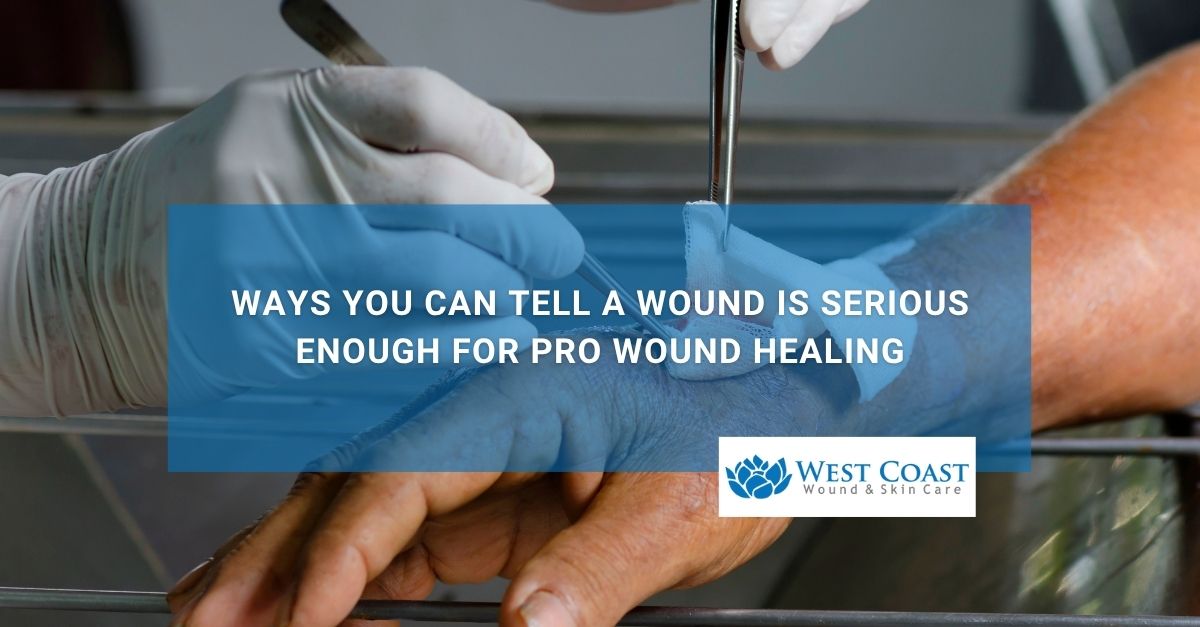
Accidents, cuts, or falls happen when we least expect them. When a wound doesn’t seem to be improving, becomes painful, or begins showing unusual symptoms, professional care may be essential. At West Coast Wound Care, we offer both in-clinic and mobile wound care services to help patients recover safely and effectively. Knowing when it’s time to seek professional wound healing can make a significant difference in how quickly you recover and how well your body responds to treatment.

specialist caring for a wound to prevent scarring, wound healing

When a Wound Needs More Than Basic Wound Healing Care

Minor cuts and scrapes can typically be managed at home with proper cleaning, bandaging, and over-the-counter antibiotic ointments. However, certain injuries go beyond what self-care can handle. A wound may need professional attention if it does not start healing within a reasonable timeframe or begins showing signs of infection.

The care of a professional wound specialist becomes necessary when a wound develops swelling, redness, or warmth around the area. These symptoms may indicate that bacteria have entered the wound and are multiplying under the skin.

Another sign is a foul odor or discharge, especially if the drainage is thick, yellow, or green. Persistent pain, even after cleaning the wound, may also suggest that the injury has affected deeper tissue layers.

When any of these symptoms appear, it’s a strong indication that home remedies may not be enough. Our clinical and mobile wound care services are designed to treat wounds of all types and stages, helping to prevent infections and complications before they worsen.

Understanding Wound Healing: Simple vs. Complex Wounds

Some wounds are immediately recognizable as serious—deep cuts that expose fat, muscle, or bone require medical attention right away. Others, however, may seem minor at first but progress into more severe problems over time.

A simple wound usually stops bleeding within minutes and begins to scab within a day or two. It heals steadily over the course of one to two weeks. A complex wound, on the other hand, may bleed continuously, reopen easily, or fail to close altogether.

This type of wound may also result from an underlying condition such as diabetes, vascular disease, or compromised immunity, all of which slow the healing process.

In these situations, a wound care specialist can evaluate the cause, identify potential risks, and develop a treatment plan to stimulate proper recovery. By using advanced techniques and therapies, professional care can help restart the body’s natural healing cycle and protect against chronic infection.

Signs That a Wound Might Be Chronic

A chronic wound is one that doesn’t heal in the expected timeframe. These wounds may linger for months or even years without the right intervention. Chronic wounds often stem from conditions that affect blood flow, like diabetes or venous insufficiency.

If you notice that a wound seems stuck in the same stage of healing—whether that’s persistent scabbing, recurring drainage, or unchanging pain—it could indicate a chronic problem. Other signs include discoloration of the surrounding skin, recurring foul odor, and excessive moisture that prevents proper scabbing.

Our wound care specialists have extensive experience identifying and treating chronic wounds. We assess the root cause of each case, using both clinical evaluation and modern wound care techniques to help your body recover more efficiently.

What to Do Immediately After a Wound Occurs

The first few minutes after sustaining an injury can significantly impact how well it heals. Immediate and careful response can help prevent infection and limit tissue damage.

Here are a few steps to take right away:

If pain, swelling, or drainage develops—or if the wound doesn’t begin to heal after a week—it may be time to reach out for professional care.

How Our Professional Care Can Help

Whether your wound is a surgical incision that isn’t closing properly or a diabetic ulcer that refuses to heal, our team provides customized treatments designed to meet each patient’s specific needs.

Our wound care clinics are equipped with the latest treatment methods to manage both acute and chronic wounds. For patients who have difficulty traveling or who require ongoing monitoring, our mobile wound care service brings expert care directly to your location. This allows for consistent, personalized attention without disrupting your daily routine.

Professional wound healing involves much more than dressing changes—it includes monitoring for infection, promoting circulation, and supporting your body’s natural healing functions. We work closely with patients to create a plan that incorporates all these elements while addressing underlying medical factors that may be slowing recovery.

The Role of Infection in Delayed Healing

One of the biggest barriers to recovery is infection. Even a small amount of bacteria can disrupt the natural healing process and lead to long-term complications. Early detection is crucial.

A wound may be infected if it starts to emit a foul smell, becomes increasingly painful, or begins to drain pus. In severe cases, fever and fatigue can develop as the body tries to fight the infection systemically. Infections can spread quickly, especially in patients with conditions such as diabetes or poor circulation, and may lead to deeper tissue damage or sepsis if left untreated.

When infection is present, our wound care specialists can provide advanced treatment to control bacteria and reduce inflammation. This may include cleansing, specialized dressings, or other therapies designed to remove infected tissue and restore a clean environment for healing.

When Pain or Swelling Won’t Go Away

Not all serious wounds are visibly alarming. Sometimes, the warning signs are subtle, such as persistent soreness or swelling that refuses to fade. Continuous discomfort can signal that the underlying tissue is not repairing properly or that inflammation has become chronic.

Persistent swelling may restrict blood flow and oxygen delivery, both of which are essential for recovery. Over time, this can cause further tissue breakdown. If you find that a wound continues to ache long after the initial injury, it’s best to have it evaluated.

We can determine whether there’s an underlying issue preventing proper wound healing and recommend treatment to promote recovery.

The Long-Term Risks of Ignoring a Wound

Ignoring a wound can lead to much larger health problems than most people realize. A small untreated ulcer, for instance, can gradually deepen and expose underlying bone or muscle. In diabetic patients, this can lead to severe infections or even amputation in extreme cases.

Untreated wounds also risk scarring, deformity, and long-term discomfort. They can interfere with mobility, daily activities, and overall quality of life. By seeking professional wound care early, you not only protect the injured area but also safeguard your overall health.

At West Coast Wound Care, we’re dedicated to providing the best possible care so that each patient has the opportunity to heal fully and return to comfort and activity as quickly as possible.

When to Seek Professional Wound Healing

When in doubt, it’s always safer to have a medical professional evaluate your wound. If a wound shows signs of infection, remains painful, doesn’t close after several weeks, or becomes larger instead of smaller, it’s time to contact us.

Our specialists at West Coast Wound Care provide effective, compassionate treatment designed to restore skin integrity and promote complete healing. Whether you visit one of our clinics or prefer care from the comfort of your home through our mobile wound care services, our team is ready to help.

If you’re unsure about the severity of your injury or think you might benefit from professional wound healing, reach out to us today. We’ll assess your condition, create a personalized treatment plan, and help you take the right steps toward recovery.

[fusion_builder_container hundred_percent=”no” equal_height_columns=”no” menu_anchor=”” hide_on_mobile=”small-visibility,medium-visibility,large-visibility” class=”” id=”” background_color=”” background_image=”” background_position=”center center” background_repeat=”no-repeat” fade=”no” background_parallax=”none” parallax_speed=”0.3″ video_mp4=”” video_webm=”” video_ogv=”” video_url=”” video_aspect_ratio=”16:9″ video_loop=”yes” video_mute=”yes” overlay_color=”” video_preview_image=”” border_color=”” border_style=”solid” padding_top=”” padding_bottom=”” padding_left=”” padding_right=”” type=”legacy” admin_toggled=”no”][fusion_builder_row][fusion_builder_column type=”2_3″ layout=”1_1″ background_position=”left top” background_color=”” border_color=”” border_style=”solid” border_position=”all” spacing=”yes” background_image=”” background_repeat=”no-repeat” padding_top=”” padding_right=”” padding_bottom=”” padding_left=”” margin_top=”0px” margin_bottom=”0px” class=”” id=”” animation_type=”” animation_speed=”0.3″ animation_direction=”left” hide_on_mobile=”small-visibility,medium-visibility,large-visibility” center_content=”no” last=”false” min_height=”” hover_type=”none” link=”” border_sizes_top=”” border_sizes_bottom=”” border_sizes_left=”” border_sizes_right=”” first=”true” spacing_right=”2.6666666666666665%”][fusion_text columns=”” column_min_width=”” column_spacing=”” rule_style=”default” rule_size=”” rule_color=”” content_alignment_medium=”” content_alignment_small=”” content_alignment=”” hide_on_mobile=”small-visibility,medium-visibility,large-visibility” sticky_display=”normal,sticky” class=”” id=”” margin_top=”” margin_right=”” margin_bottom=”” margin_left=”” font_size=”” fusion_font_family_text_font=”” fusion_font_variant_text_font=”” line_height=”” letter_spacing=”” text_color=”” animation_type=”” animation_direction=”left” animation_speed=”0.3″ animation_offset=””]

If you have diabetes, your body functions a bit differently than people who don’t have diabetes. As a diabetic, your body either does not produce insulin naturally, or is unable to use it properly. This may lead to the need to test your blood sugar often and use artificial insulin. However, it also means that wounds might not heal as quickly or effectively as they would in a body without diabetes.

If you or someone you know is suffering from diabetes, it’s crucial to understand how it can affect wound healing and be aware of the importance of proper wound care and management. Diabetic wounds that are not taken care of can quickly progress into an infection which can result in serious complications such as required surgery, foot ulcers, or even amputation.

Understanding How Wounds Heal

Generally, there are four stages of wound healing:

  1. Hemostasis
  2. Inflammation
  3. Proliferation
  4. Remodeling

The foundation for new tissue is red blood cells. These blood cells then create collagen, which in turn becomes new tissue. Once this new tissue is formed it leads to new skin growing over the tissue. At the point that the wound finally heals, the edges then pull inward and the wound will begin to get smaller.

How Diabetes Affects Proper Wound Healing

specialist caring for a diabetic woundUnfortunately, Diabetes is a common problem in this country. In fact, according to recent data from the Centers for Disease Control and Prevention (CDC) 28.7 million people in the United States have been diagnosed with diabetes. Due to the nature of the disease, many of these individuals will develop wounds that heal slowly, improperly, or won’t heal at all. Without proper medical attention, this can result in wound infection among other serious health issues.

Let’s take a look at how diabetes impacts wound healing, how the disease makes the recovery process more difficult, and what you can do to help if you or a loved one is diabetic and has suffered a serious wound.

1. Diabetics Often Suffer from Chronic Inflammation

During the second stage of healing, wounds are inflamed. However, when diabetic wounds heal, sometimes this stage can take too long; resulting in the wound becoming “chronic”. A wound is considered chronic when it lasts for six months or longer.

2. Elevated Blood Sugar Levels

Because diabetes limits the body from handling glucose, one of the most important things that diabetics need to worry about is maintaining a healthy blood sugar level. Blood sugar levels are a major determining factor in how efficiently your wounds heal. When these levels are too high, in people with diabetes, for example, it can interfere with how the immune system functions, prevent nutrients and oxygen from energizing cells, and increase inflammation. All of which, can interfere with efficient wound healing.

3. Diabetic Neuropathy

High blood glucose can also cause the arteries to become stiff, which can lead to narrow blood vessels and diabetic neuropathy. Diabetic neuropathy occurs when nerves become damaged all over the body. It causes tingling and numbness in the limbs, which makes it difficult to be aware of whether or not you are injured. This can lead to new wounds and complications in overall healing.

In light of that, it’s important for diabetics to check their skin often, especially the bottom of the feet. The legs and feet are most commonly affected by diabetic neuropathy.

Additional Tip: People who suffer from diabetic neuropathy should ensure they wear shoes that fit properly and avoid cuts, blisters, and any type of activity that may cause ulcers.

4. Circulation Problems

Wounds heal much quicker when there is a good circulation of blood throughout the body. Diabetics typically have poor circulation due to narrowed blood vessels and are more likely to develop poor circulation conditions like peripheral vascular disease. The reduced oxygen in those suffering from diabetes can result in slower tissue development and in turn, wound healing.

5. Poor Immune System Function

High blood sugar levels decrease red and white blood cell function, which reduces nutrients being sent to the wound site to fight infections. This is also due to a diabetic body producing certain hormones that make the immune system less effective. If your immune system isn’t functioning correctly, it can slow wound healing and because the body can have a difficult time fighting off bacteria it can put you at greater risk of infection.

Additional Tip: Some doctors recommend wearing white socks at all times in order to be able to see any blood or pus if an injury occurs. This can help alert you if there are cuts, blisters, or another type of wound.

6. Increased Risk of Infection

Diabetic patients have a slower movement of white blood cells than the average person. This means that there is less of an immune response, which leaves wounds to be more inflamed. This combined with numbness from neuropathy can lead to the wound getting worse.

As referenced above, with an open wound that heals slower than it normally would, there is an increased chance of infection. This often leads to higher rates of gangrene, sepsis, and infections like osteomyelitis. Out of all of the limbs amputated each year, diabetic ulcers are the number one cause.

Treating and Preventing Diabetic Wounds

wound care specialist dressing for a diabetic ulcerIf not carefully monitored and treated, wounds can be very serious and quickly lead to infection. Fortunately, wound care specialists are trained and equipped with the expertise to help ensure wounds are cared for properly and healed efficiently. If you get a diabetic ulcer or are unsure of a wound it’s important to see a medical professional as soon as possible. Especially if the wound isn’t healing or infection has started to spread.

Your wound care specialist will work with you to help prevent the wound from getting bigger and avoid potential infection. They may also conduct debridement which helps remove unhealthy tissue from the wound and facilitate healing.

While most diabetic wounds are better addressed through a specialist, there are a few steps you can take to help the recovery process and even prevent wounds from surfacing:

Specialized Care to Help You Heal

Wounds can become serious for anyone but it’s even more important for those with diabetes to stay vigilant and ensure you are caring for them properly. If you or a loved one believes they might have a diabetic wound, the wound care specialists at West Coast Wound & Skin Care are here to help. We provide high quality, full spectrum wound care services to patients wherever they reside.

We Heal Diabetic Ulcers 25% Quicker Than Other Practices!

We also welcome you to come visit our new Wound Center in Fresno where our wound care physicians help treat the complete range of wound types and skin concerns including diabetic wounds and ulcers. Contact us today to book an appointment and let us help you get on the path to recovery.

[/fusion_text][/fusion_builder_column][fusion_builder_column type=”1_3″ layout=”1_3″ spacing=”” center_content=”no” link=”” target=”_self” min_height=”” hide_on_mobile=”small-visibility,medium-visibility,large-visibility” class=”” id=”” hover_type=”none” border_color=”” border_style=”solid” border_position=”all” border_radius=”” box_shadow=”no” dimension_box_shadow=”” box_shadow_blur=”0″ box_shadow_spread=”0″ box_shadow_color=”” box_shadow_style=”” padding_top=”” padding_right=”” padding_bottom=”” padding_left=”” margin_top=”” margin_bottom=”” background_type=”single” gradient_start_color=”” gradient_end_color=”” gradient_start_position=”0″ gradient_end_position=”100″ gradient_type=”linear” radial_direction=”center center” linear_angle=”180″ background_color=”” background_image=”” background_image_id=”” background_position=”left top” background_repeat=”no-repeat” background_blend_mode=”none” animation_type=”” animation_direction=”left” animation_speed=”0.3″ animation_offset=”” filter_type=”regular” filter_hue=”0″ filter_saturation=”100″ filter_brightness=”100″ filter_contrast=”100″ filter_invert=”0″ filter_sepia=”0″ filter_opacity=”100″ filter_blur=”0″ filter_hue_hover=”0″ filter_saturation_hover=”100″ filter_brightness_hover=”100″ filter_contrast_hover=”100″ filter_invert_hover=”0″ filter_sepia_hover=”0″ filter_opacity_hover=”100″ filter_blur_hover=”0″ last=”true” border_sizes_top=”0″ border_sizes_bottom=”0″ border_sizes_left=”0″ border_sizes_right=”0″ first=”false” spacing_left=”1.3333333333333333%”][fusion_widget_area name=”avada-blog-sidebar” title_size=”” title_color=”” background_color=”” padding_top=”” padding_right=”” padding_bottom=”” padding_left=”” hide_on_mobile=”small-visibility,medium-visibility,large-visibility” class=”” id=”” /][/fusion_builder_column][/fusion_builder_row][/fusion_builder_container]

We’re excited to announce that West Coast Wound & Skin Care has significantly expanded its reach in Georgia and Florida so that more people can benefit from world-class wound healing solutions. For many patients in these states, caring for a chronic or acute wound has meant juggling many appointments or struggling with transportation. Our goal is to change that. 

wound healing

We already provide both mobile wound care and in-center specialist services in Georgia and Florida, and we’ve recently bolstered our capacity so that more patients receive healing, relief, and support in the places they call home.

Georgia and Florida Expansion: Growing Access

We have long served Florida communities — including Jacksonville, Tampa, Orlando, and many other regions — with both clinic-based wound centers and mobile teams that travel to homes, nursing facilities, and assisted living sites. 

In Georgia, we operate mostly in the Atlanta region where individuals with limited mobility often encounter obstacles in traveling to clinics. 

Recently we’ve expanded our staffing, equipment, and clinic hours to reduce wait times, reach rural areas, and improve continuity of care. That means patients who once waited longer for specialized therapies or had to travel far are now able to access our wound healing solutions more readily.

With stronger local partnerships and increased clinic locations, our coverage in both states is broader than ever.

What Our Services Entail

We offer a comprehensive set of treatments designed to support every phase of recovery, respecting both the severity of the wound and the patient’s overall health context. Every service we offer is backed by clinical evidence and delivered with compassion and expertise.

Diagnostic and Assessment Services

Therapeutic Interventions

Supportive and Holistic Services

Mobile wound care brings many of these therapeutic interventions directly to you — whether you’re in your home, assisted facility, or other living situation — allowing for continuity and minimizing disruptions. This helps when patients need frequent dressing changes, ongoing assessment, or therapies like negative pressure wound therapy without repeated trips to clinics.

Wound Care Specialist Team and How We Operate

Our team is composed of physicians, nurse practitioners, physician assistants, wound-certified nurses, and allied health providers who specialize in wound healing solutions and dermatologic concerns. We make sure each person gets the expertise they need from diagnosis through healing to follow-up.

Patient-Centered Planning

We begin by listening: every patient interview includes medical history, comorbidities, lifestyle, mobility, support systems, personal goals. With that information, we build a care plan that balances clinic-based therapies and what can practically happen in your environment.

Collaboration and Continuity

We coordinate with other healthcare providers in your circle — your primary care, endocrinologists for diabetes, vascular surgeons if needed, physical therapy, nutritionists, and much more. 

That means less redundancy, more clarity, and everyone involved working toward the same goal of healing and preventing new wounds. We also ensure follow-ups are timely whether through clinic visits or home visits by our mobile teams.

Empathy, Education, Prevention

We treat not just the wound, but you as a whole person. Our wound care specialist professionals spend time teaching you and your caregivers about wound maintenance: safe dressing changes, avoiding pressure or trauma, recognizing signs of infection, optimizing nutrition, and mobility adjustments. We believe patients who know how healing can be supported in daily life tend to make faster, more sustainable recovery.

Insurance and Accessibility

We accept Medicare and many private insurance plans, to ease the financial burden for patients. We strive to make every step — scheduling, referrals, treatment — as transparent and accessible as possible. For mobile visits, we ensure the same clinical rigor and equipment as in our clinics.

Proven Wound Healing in Georgia and Florida

If you receive care from us in Georgia or Florida, the advantages go beyond just having access. The benefits are real, measurable, and patient-focused.

Reduced Travel Burden and Time Saved

Patients who might have had to drive long distances or rely on others can now opt for mobile visits or more local clinic options. Less time in traffic, fewer missed work or caregiving appointments, more rest and recovery at home.

Better Healing Outcomes and Fewer Complications

When wounds are assessed early, debris removed, infection identified and treated, blood flow optimized, you avoid many of the pitfalls of delayed care: infection, prolonged healing, risk of amputation. Our full spectrum services lead to more consistent, improved outcomes in acute and chronic wounds.

Customized Care for Complex Cases

For patients with multiple health issues (diabetes, vascular disease, immobility), having a team that adjusts treatments to the full patient profile makes a big difference. Whether it’s compression, skin grafting, or specialized dressings, our wound healing solutions adapt to what each wound needs to heal.

Comfort, Quality, Peace of Mind

Healing in a familiar environment (your home, facility where you live) often reduces stress and allows for greater comfort. Our mobile teams bring equipment, expertise, and support so you don’t lose the benefits of clinic-grade care even when you stay at home.

Consistent Monitoring and Personalized Follow-Up

Because wound healing often requires frequent evaluation, our mobile and clinic-based follow-ups help catch concerns early, adjust treatment, monitor progress, and avoid regression. Continuity means wounds are less likely to worsen.

Wound Healing Done Right: Your Next Step

Let us help you begin a care plan designed to support healing, improve well-being, and get you back to doing what matters most.

If you or someone you know in Georgia or Florida is managing a wound that has been slow to heal, or dealing with recurring issues, West Coast Wound & Skin Care is here. Reach out to schedule a free consultation. 

Wound healing is a process that, unfortunately,  many people unknowingly sabotage by making common mistakes. Whether it’s a minor cut or a more complex chronic wound, improper care can worsen the situation, prolong healing, and even lead to severe complications. Understanding what is the wound healing function and avoiding common errors can make all the difference in achieving a faster, healthier recovery. 

At West Coast Wound Center, we specialize in providing accessible and personalized care for wounds of all types. By addressing the whole person and offering state-of-the-art treatments, we empower patients to heal properly. 

Here’s what you need to know about how wounds heal, what you might be doing wrong, and how we can help. 

Common Mistakes That Worsen Wounds 

When caring for a wound, even well-intentioned actions can sometimes cause more harm than good. Here are some of the most frequent missteps that hinder the healing process. 

Ignoring Proper Cleaning 

Failing to clean a wound properly is one of the most common mistakes. Dirt, bacteria, and debris left in the wound can lead to delayed healing or even infection. While it might be tempting to rinse it quickly and move on, proper cleaning with a gentle antiseptic solution is necessary to prevent complications. That, obviously, won’t fully heal a wide range of wounds. But, it’s an important early, initial step. 

Undressing Wounds Too Soon 

Peeking under a dressing to check how a wound is healing disrupts the environment necessary for recovery. Wounds heal best in a moist and covered setting. Removing the dressing prematurely can expose the wound to bacteria and delay progress. 

Overusing Antibiotics or Creams 

Antibiotic ointments can be helpful, but overuse may irritate the wound or cause further skin issues. Some individuals also apply heavy creams indiscriminately, which can block oxygen flow, critical for healing. 

Avoiding Medical Attention 

Sometimes, people underestimate the severity of their wounds. Not seeking professional medical care leads to untreated infections, chronic wounds, or complications like cellulitis or sepsis. 

Continuing to Irritate the Wound 

Activities that irritate the wound, such as scratching or failing to rest an injured body part, prolong healing time. Even small repetitive injuries to the area can prevent repair. 

Mismanaging Chronic Conditions 

Underlying conditions like diabetes, poor circulation, or a weakened immune system can delay or even prevent healing. Failing to manage blood sugars, for instance, can result in non-healing diabetic ulcers. 

Now that we’ve identified these common pitfalls, it’s important to understand how wounds actually heal and what steps you can take to support that natural process. 

The Science of Wound Healing Function

The human body has an incredible ability to repair itself, but wound healing function involves a complex series of steps. Here’s a breakdown of how it works. 

Hemostasis 

This is the immediate response to a wound. Your body forms a clot to stop the bleeding and create a barrier against bacteria. This clot consists of platelets and fibrin, which kickstart the healing process. 

The Inflammatory Phase 

Once the wound is sealed, your body activates immune cells to clean out bacteria and debris. This is why wounds often appear red, warm, and slightly swollen during the first days. While inflammation is part of the process, excessive inflammation can signal infection. 

Proliferation 

Now, your body begins to create new tissue to repair the damage. Fibroblasts produce collagen to close the wound, and new blood vessels form to deliver oxygen and nutrients. This phase is essential for rebuilding strength in the affected tissue. 

Maturation or Remodeling 

Finally, your body strengthens the newly formed tissue by reorganizing the collagen. While this phase can last weeks for small wounds, larger or chronic wounds may take much longer to fully heal, resulting in scars. 

How West Coast Wound Center Can Help 

At West Coast Wound Center, we understand that each wound is unique. Our comprehensive approach focuses on the entire person, not just the injury, to provide tailored solutions for optimal healing. Here’s how we can support you. 

Expert Treatment Options 

We offer advanced, evidence-based treatments designed to promote faster and more effective recovery. Some of our services include surgical debridement to remove damaged tissue, compression therapy for conditions like venous ulcers, and skin grafting for severe injuries or burns. 

Personalized Care Plans 

No two wounds are the same, and our specialists understand that healing requires a personalized approach. We consider not only the wound itself but also underlying factors such as medical history, nutrition, and circulation to design a care plan just for you. 

Holistic Support for Chronic Wounds 

Many of our patients struggle with chronic wounds resulting from conditions like diabetes, pressure sores, or venous insufficiency. Our expertise in managing complex wounds ensures that you receive the specialized care your condition requires. 

Tapping into Cutting-Edge Technology 

Our team uses state-of-the-art technology to assess and treat wounds. From cryotherapy to reduce inflammation and promote faster healing to telemedicine options for follow-up care, we integrate innovation into everything we do. 

Education and Prevention Strategies 

We don’t just treat your wounds; we help you avoid future complications. Our team educates patients on proper wound care techniques, lifestyle adjustments, and strategies for managing underlying health conditions. 

Access to Care Wherever You Are 

With both mobile services and clinic locations, we make wound care accessible and convenient. Whether you need a home visit or can visit us in Fresno, Northridge, or Inglewood, we ensure you get the care you deserve without unnecessary hassle. 

Wound Healing Function 

By focusing on proper care, avoiding preventable mistakes, and working with experienced wound care specialists, you can significantly improve your healing outcomes. 

West Coast Wound Center is here to guide you every step of the way. Don’t wait for wounds to worsen or become unmanageable. Contact us today to book an appointment and take another step of healing. 

Millions of Americans face the daily challenge of managing chronic wounds. These non-healing wounds, often caused by conditions like diabetes, poor circulation, or pressure ulcers, require ongoing, specialized care that goes beyond the capabilities of traditional primary care settings like hospitals, nursing homes, and clinics. While these facilities offer invaluable services for addressing acute medical needs, they typically lack the focused resources and expertise to provide long-term solutions for chronic wound care. That’s where we can help. 

Treating chronic wounds is unique work, requiring consistent attention to multiple factors influencing healing. These can range from underlying health conditions to lifestyle challenges and emotional well-being. Those are just some of the personalized care options we can provide. 

Primary Care and the Limits of Managing Chronic Wounds Care

Primary care providers (PCPs) and facilities like hospitals or nursing homes are essential for addressing a broad range of health concerns. They excel at initial wound care and providing temporary relief, such as managing pain or dressing wounds. However, they often struggle to meet the long-term demands of  managing chronic wounds  care for several reasons:

Lack of Chronic Specialization 

Chronic wounds require a deep understanding of wound physiology, advanced treatment techniques, and the ability to address underlying conditions affecting healing. While PCPs are highly skilled in general medical care, they are not typically trained in the nuances of chronic wound management. This can lead to improper or ineffective treatment plans that, ultimately, hinder healing.

Limited Time and Resources

Primary care physicians often work under strict time constraints, seeing dozens of patients each day. This leaves little opportunity to examine a chronic wound thoroughly, evaluate its progress, and make the necessary adjustments over time. 

Additionally, primary care clinics lack advanced wound care tools and equipment, such as hyperbaric oxygen chambers or high-tech dressings, which are often critical for treating stubborn wounds.

Short Term Care for a Long Term Concern 

Hospitals and nursing homes are designed to provide short-term, acute care rather than the ongoing attention chronic wounds need. Once the immediate issue is resolved, patients are frequently discharged without a clear plan for managing their wounds long-term, often resulting in slow healing or wound recurrence.

Underlying Causes are Often Overlooked

Chronic wounds are rarely isolated. Instead, they are often symptomatic of broader health challenges. These can include diabetes, poor nutrition, restricted mobility, and much more. Primary care settings may address the surface-level wound but lack the capacity to tackle the underlying causes that impede healing.

Managing Chronic Wounds 

At West Coast Wound Center, we understand that chronic wound care cannot be effectively treated with a one-size-fits-all approach. That’s why we take an approach that prioritizes the patient’s entire well-being.

Expert-Led, Specialized Care

Our team brings advanced training in chronic wound management directly to the patient, providing access to expertise that traditional primary care settings simply don’t offer. From addressing wound infections to creating individualized care plans, we focus on proven techniques that encourage faster, more complete healing.

Treating the Wound and the Entire Person 

Unlike conventional medical practices, West Coast Wound Center goes beyond simply treating the wound itself. We address factors such as mental health, emotional support, and lifestyle habits to create a comprehensive healing environment. 

For example, we assess how stress or daily routines might impact a patient’s ability to heal, and then we find practical solutions tailored to their needs.

Advanced Resources and Technologies

We stay at the forefront of wound care innovation, employing state-of-the-art tools and therapies designed specifically for chronic wounds. These include advanced dressings, debridement techniques, and environmental adjustments. For more complex cases, we incorporate practices like nutritional support and physical therapy to optimize healing.

Nutrition and Mobility Support

Healing chronic wounds requires more than just surface-level treatment. We work closely with nutritionists and physical therapists to ensure that patients are receiving the nutrients they need to promote tissue repair, as well as addressing mobility issues that may exacerbate wounds. 

Improving circulation and ensuring proper movement can significantly accelerate healing, areas often overlooked in primary care settings.

Consistent, Accessible Care

Perhaps one of the most important aspects of West Coast Wound Center’s approach is our mobile care model. We bring critical expertise and resources directly to the patient’s doorstep, eliminating the need for frequent visits to overcrowded clinics or hospitals. 

This not only reduces stress and time for patients but also ensures consistent follow-up, which is vital for chronic wound management.

Chronic Wound Care Deserves Specialized Attention

Chronic wounds are complex and require a level of care that primary care settings simply cannot provide. Patients often leave these settings feeling frustrated and uncertain about their healing progress.

Our holistic, patient-centered care can and has yielded real results. Many of our patients come to us after feeling frustrated by inadequate care in other, more traditional medical settings. 

At West Coast Wound Center, we pride ourselves on stepping into this gap. By offering expert-led, holistic, and, depending on your location, mobile care, we ensure that every patient receives the attention they need not just to heal but to thrive. If you or a loved one is struggling with a chronic wound, discover how our team can help bring lasting relief and restoration.

Ready to experience a higher standard of care? Contact West Coast Wound Center today to learn more about our services and start your healing journey.


Improving Wound Healing Rates in Long-Term Care Facilities

Long-term care facilities play a crucial role in supporting aging populations and those with complex medical needs. However, when it comes to improving wound healing, even the most well-equipped and managed facilities face significant challenges. Chronic wounds and pressure injuries are particularly common in these settings, often requiring specialized care that extends beyond the general capabilities of in-house staff. We’re here to assist. Our techs can make sure patients receive high-quality, effective treatment tailored to their individual needs.

Wound Healing in Long-Term Care Facilities: A Critical Concern

Residents of long-term care facilities are particularly vulnerable to wounds due to preexisting conditions, limited mobility, and extended bed or chair use. Pressure ulcers, diabetic foot ulcers, and venous or arterial wounds are among the most common issues faced in these environments.

Several factors make managing wound healing a unique challenge in these settings:

Despite sincere efforts, these barriers can make it difficult for long-term care facilities to achieve optimal wound healing outcomes. We can help make those outcomes a reality. 

Collaborative Expertise for Better Wound Healing 

When skilled nursing staff and specialized wound care teams collaborate, it creates a system where every resident benefits. Here, at West Coast Wound Center, we can bring a mobile network of wound care specialists directly to care facilities, offering a highly effective way to address these challenges.

Comprehensive, On-Site Wound Care Assessments

West Coast Wound Center begins each patient interaction with a thorough, on-site evaluation. This process ensures that each resident’s wounds are carefully assessed within the context of their overall health. 

Underlying health factors, such as circulation issues or diabetes, are taken into account to tailor a personalized care plan. Diagnosing the root cause of a wound—not just treating its symptoms—is key to promoting faster and more efficient healing.

Customized, Advanced Treatments Delivered with Compassion

Wound care is an art as much as a science. West Coast Wound Center takes a multi-pronged approach in treating wounds to ensure thorough and effective healing:

Regular Follow-Up and Real-Time Adjustments

Consistency is critical for wound care. West Coast Wound Center ensures that patients are seen on a  schedule that aligns with their individual needs. Follow-up visits allow providers to monitor progress and make real-time adjustments to care plans, optimizing outcomes at every stage of healing.

Our flexibility to coordinate schedules with facility staff means minimal disruption to residents’ routines and ensures clear communication among all stakeholders involved in care.

Enhancing Efficiency in Long-Term Care Facilities

Collaborating with West Coast Wound Center doesn’t just help residents. Facility staff also benefit in myriad ways, with expertise and resources that enhance operational efficiency:

This support ultimately allows facility staff to dedicate more time to addressing residents’ well-being.

Success in Healing Rates and Resident Satisfaction

When facilities invest in improving wound care outcomes, the impact is measurable. Residents experience quicker healing, leading to fewer complications, reduced pain, and improved quality of life. Healthier residents mean fewer emergency hospitalizations, improving the facility’s overall performance metrics and reputation.

Additionally, family members and caregivers feel reassured knowing that their loved ones are receiving expert-level treatment tailored to their individual needs. This kind of peace of mind translates into higher satisfaction with the facility overall.

By focusing on holistic care, improved processes, and compassionate treatment, West Coast Wound Center fosters outcomes that benefit every stakeholder involved, from patients and family members to care staff and administrators.

Wound Healing Solutions 

When administrators prioritize collaboration, innovation, and expert-led solutions, they signal to staff, residents, and families that healing matters.

We can bring a new level of expertise, efficiency, and results-driven care to long-term care communities. Our model ensures that geographic location isn’t a barrier, making expert wound care accessible to facilities in even the most underserved regions.

Improving wound healing is never a one-size-fits-all solution. It requires a combination of expert services, attention to detail, and collaboration. By closing gaps in wound care and providing advanced treatments tailored to each resident’s unique needs, we create a future where healing doesn’t just happen faster but happens better.

We very well may be able to elevate the quality of care your residents receive. Together, we can make healing accessible, holistic, and above all, effective. Reach out today and see how we can help. 

When dealing with chronic or complex wounds, proper medical attention is crucial. While minor cuts and scrapes may heal on their own, more serious wounds—such as diabetic ulcers, pressure sores, or surgical wounds—require expert care. A wound care specialist provides advanced wound care treatment tailored to your unique needs, ensuring faster healing and reducing the risk of complications. Specialized wound care has many advantages over a more generalized level of treatment. 

Treatment Personalized for Your Needs

When it comes to wound healing, a one-size-fits-all approach simply doesn’t work. Every wound is unique, influenced by factors like its cause, location, depth, and the patient’s overall health. A wound care specialist doesn’t just treat the wound—they treat you as an individual, crafting a personalized treatment plan that addresses all the variables affecting your healing.

Understanding the Wound Type

Different wounds require different approaches. A specialist begins by thoroughly assessing the wound’s characteristics:

Evaluating Underlying Health Conditions

Your overall health plays a major role in wound healing. A wound care specialist considers:

Lifestyle and Environmental Factors

Healing isn’t just about medicine—it’s about your daily life. Specialists assess:

Personalized Wound Care Plans Can Include: 

Based on this comprehensive assessment, your specialist develops a tailored plan. Your plan will be exactly that, specialized. But, it can include:

  1. Cleaning & debridement
    • Sharp debridement removes dead tissue with precision.
    • Enzymatic or autolytic debridement may be used for sensitive patients.
  2. Advanced dressings
    • Hydrogels for dry wounds needing moisture.
    • Alginate dressings for heavily draining wounds.
    • Antimicrobial dressings for infected wounds.
  3. Adjunctive therapies
    • Negative pressure wound therapy (NPWT) for deep, draining wounds.
    • Hyperbaric oxygen therapy (HBOT) for hypoxic wounds.
    • Bioengineered skin grafts for non-healing ulcers.
  4. Prevention strategies
    • Custom orthotics for diabetic patients.
    • Education on proper wound monitoring at home.

Holistic Treatment to Treat the Entire Person

Wound care isn’t just about dressing a wound—it’s about addressing the whole person. A wound care specialist looks beyond the injury itself to identify and treat underlying issues that may impede healing.

By treating the whole person—not just the wound—specialists improve both healing outcomes and overall quality of life.

A Treatment Plan That Changes As You Do

Wound healing is a dynamic process, and what works at one stage may not be effective later. A wound care specialist continuously monitors progress and adjusts treatment as needed.

Unlike a one-size-fits-all approach, specialized wound care treatment evolves with your healing journey, ensuring the best possible outcome.

When Should You See a Wound Care Specialist?

If you think it’s worth reaching out for professional care, it is. However, some signs that you should probably do so include: 

If you or a loved one is experiencing any of these issues, seeking a wound care specialist can prevent complications and support faster healing.

Always, our team is dedicated to providing the highest standard of wound care treatment, tailored to each patient’s needs. Whether you’re dealing with a slow-healing injury or a chronic wound, expert care can make all the difference in your recovery journey. 

By understanding the importance of specialized wound care, you can take proactive steps toward better healing and long-term health. Don’t leave wound recovery to chance—trust the experts to guide you toward optimal results.

A wound care specialist’s expertise ensures every factor—from your mattress to your medication list—is optimized for healing.

This meticulous, patient-centered approach is what sets specialized wound care treatment apart. Your wound isn’t just a problem to cover up—it’s a puzzle to solve with precision. Reach out today to see how we can help your healing.

The new year often brings a renewed focus on health and well-being. If you’re in the Riverside area and dealing with a wound that just won’t heal, it’s time to seek expert care. West Coast Wound and Skin Care provides a comprehensive range of wound care services in Riverside, ensuring that you receive the appropriate treatment for your specific needs.

Is West Coast Wound and Skin Care your Best Option?

At West Coast Wound and Skin Care, we believe in a patient-centered approach to chronic wound care. We understand that each wound is unique, and we tailor our treatment plans to meet your individual needs and goals. Our team of experienced wound care specialists utilizes the latest technologies and evidence-based practices to promote optimal healing and prevent complications.

Comprehensive Wound Care Services in Riverside

Wound Care Services Riverside

Benefits of Professional Wound Care

Seeking professional wound care offers several benefits:

New Year, New Focus on Wound Care

This new year, make a resolution to prioritize your health and seek expert care for any non-healing wounds. Early intervention is key to preventing complications and achieving optimal healing.

The National Institutes of Health (NIH) reports that chronic wounds cost the U.S. healthcare system an estimated $25 billion annually.

The Wound Healing Society emphasizes the importance of early intervention and specialized care in the management of chronic wounds.

Wound Care Services in Riverside: Your Partner in Health

West Coast Wound and Skin Care is your trusted partner in wound care. Our comprehensive wound care services in Riverside are designed to promote healing, prevent complications, and improve your overall well-being. Don’t let a non-healing wound hold you back. Contact us today to schedule a consultation and start your journey towards healing.

Lymphedema is a chronic condition that impacts the lives of millions of Americans, yet it often remains undiagnosed. Characterized by swelling, pain, and changes to the skin, this disease can reduce overall quality of life and complicate daily activities. At West Coast Wound Care, we specialize in offering in-home care tailored to your specific needs so as to treat your lymphedema. Our treatments are always holistic, treating not just the lymphedema but the entire person. 

Why Treatment is Necessary 

It is important to understand that lymphedema is not “just swelling.” This condition stems from a compromised lymphatic system, which can lead to skin hardening and impaired immune function. Left untreated, these issues can affect physical health, mental well-being, and even economic stability. Early intervention and practical management strategies are critical in mitigating these challenges and improving outcomes for those living with lymphedema.

The Challenges Lymphedema Presents 

Lymphedema presents challenges for so many. However, all too often, it’s either improperly treated or even dismissed. Studies have found that patients “reported substantial delays in (lymphedema) diagnosis and treatment,” while “cancer-related and non-cancer-related lymphedema patients reported similar levels of perceived physician disinterest in lymphedema.”  [1]

Even with that, unfortunately, the world is dealing with the “rising prevalence of lymphedema” and that it “affects millions globally.” [2] Here at West Coast Wound Care, we can treat many struggling with lymphedema from the comfort of their homes. 

lymphedema

How Our Mobile Wound Care Treats Lymphedema 

At West Coast Wound Care, we have a proven track record of helping patients reduce swelling and discomfort. Through our comprehensive services, we aim to restore mobility and enhance the overall quality of life. 

Compression is an Effective Start 

Our trained techs use socks, sleeves, wraps and other garments to apply pressure that helps move fluid from the tissues back into circulation. This reduces swelling and lowers the risk of complications. These aren’t just great to wear during your treatment, either. You can wear them during daily activities and adjust as needed to maximize their effectiveness.

MLD 

Performed by certified professionals, this gentle massage technique stimulates the movement of lymph fluid through the body. 

Our techs reduce swelling by gently guiding lymph fluid from your tissues to active lymph nodes. We do this by applying light pressure to stimulate the lymphatic system, beginning with specific points in the body, such as the lymph nodes in the neck, armpits, and so forth. 

By first addressing areas without swelling, space is created to encourage the movement of congested lymph fluid to these cleared pathways.

After manual lymphatic drainage sessions, our therapists may apply multilayer compression bandages to the affected areas. These bandages use graduated pressure to promote fluid circulation and further reduce swelling.

Compression, Skincare, Exercise, and More 

On the subject of compression, we may use pneumatic compression pumps. These deliver gentle pressure through sleeves that wrap around the affected limbs, encouraging fluid movement and preventing buildup. This has proven to be effective in helping to maintain the progress achieved through other treatments. 

Moisturizing and maintaining proper hygiene can prevent dryness, cracks, and irritation that might exacerbate the condition. By keeping the skin healthy, we help patients avoid complications that could lead to more severe issues. We use specialized ointments and creams to protect the skin and reduce the risk of infection. 

Keeping the affected limb elevated whenever possible helps counteract the effects of gravity, encouraging fluid to drain from swollen areas. This simple yet effective strategy can be easily incorporated into daily routines to enhance treatment outcomes. Our techs will show you how. 

Our therapists guide patients through tailored exercise programs that focus on flexibility, strength, and cardiovascular health. Physical activity stimulates lymphatic drainage and promotes overall circulation. 

Aerobic exercises that incorporate deep breathing can further enhance lymph flow while supporting weight management and improving heart health. However, it is essential to pace physical activity appropriately to avoid overexertion. We work closely with each patient to develop a regimen that suits their individual needs and recovery timeline.

How You Can Help With Lymphedema Treatments 

Always, we make sure that patients receive comprehensive training on basic self-care techniques. We find that this is one more way we can help our patients take an active role in their recovery and maintain long-term improvements.

While the symptoms of lymphedema cannot be entirely prevented, there are practical steps individuals can take. 

For starters, protect your skin and protect yourself. Wearing gloves while gardening or cooking, using lotion to prevent dryness, and treating cuts or burns promptly with antibacterial ointments can all reduce the likelihood of infection. Keeping the affected area clean and moisturized can go a long way, too. 

Wearing recommended compression garments can help maintain progress and control swelling. These garments can be part of your daily routine, especially during periods of activity. 

Maintaining a healthy weight is another factor that can significantly impact lymphedema symptoms. Excess weight places additional strain on the lymphatic system, exacerbating swelling and discomfort. We encourage patients to adopt balanced diets and incorporate regular exercise into their lives to achieve and sustain a healthy weight. Reducing salt intake can also help, as excessive sodium can lead to fluid retention.

High temperatures can aggravate lymphedema, so wearing protective clothing and sunscreen is advised. Staying hydrated is crucial for keeping lymph fluid moving through the body, further aiding in symptom management.

Lastly, patients should avoid placing undue pressure on the affected area. Loose-fitting clothing, lightweight jewelry, and careful positioning during activities can prevent additional strain. Elevating the limb above heart level when resting can also aid in fluid drainage and reduce swelling.

Help With Lymphedema and So Much More 

At West Coast Wound Care, our goal is to empower patients to take control of their lymphedema symptoms. Through personalized treatment plans, education, and ongoing support, we strive to improve the lives of those living with this challenging condition. Whether you are seeking professional care or looking for guidance on self-management techniques, we are here to help you achieve better health and well-being. 

That said, we can do much more than just treat lymphedema. Our mobile wound care can help with many other treatments as well. We don’t believe that anyone with lymphedema should have to go to a medical facility every single time they need treatment. 

By receiving professional, experienced treatment at home, we’ve found leads to not just better treatment but better integration into the patient’s life. It’s one thing to hear about what you should do at home, it’s something else to have expressly described to you in your home. 

To see how our mobile service can treat lymphedema and much more, make an appointment today. 

References: 

    1. Bowman, C., Rockson, S.G. The lymphedema patient experience within the healthcare system: a cross-sectional epidemiologic assessment. Sci Rep 14, 12600 (2024). https://doi.org/10.1038/s41598-024-63145-1


The new year is a time for fresh starts and renewed hope. If you’re living with a chronic wound, it’s an opportunity to take charge of your health and seek the specialized care you need to heal. West Coast Wound and Skin Care offers advanced wound care treatment in San Diego, utilizing the latest technologies and evidence-based practices to help you achieve optimal healing and improve your quality of life.

Why Choose West Coast Wound and Skin Care?

At West Coast Wound and Skin Care, we understand the physical and emotional challenges that chronic wounds can present. Our compassionate team of wound care specialists is dedicated to providing personalized care and support throughout your healing journey. We combine advanced therapies with a holistic approach to address the underlying causes of your wound and promote long-term healing.

Advanced Wound Care Treatment Options

We offer a comprehensive range of wound care treatment options in San Diego, including:

Wound Care Treatment San Diego

Common Causes of Chronic Wounds

Understanding the underlying causes of chronic wounds is crucial for effective treatment. Some common causes include:

According to the Agency for Healthcare Research and Quality, chronic wounds affect 6.5 million people in the United States.

The Journal of the American Medical Association (JAMA) emphasizes the importance of a multidisciplinary approach to chronic wound care, involving specialists from various medical fields.

New Year, New Commitment to Healing

This new year, make a commitment to your health and well-being. If you’re struggling with a chronic wound, seek expert care at West Coast Wound and Skin Care in San Diego. Our advanced therapies and personalized approach can help you achieve optimal healing and improve your quality of life.

Wound Care Treatment San Diego: Your Path to Healing

West Coast Wound and Skin Care is committed to providing the highest quality wound care treatment San Diego. Our advanced therapies and personalized approach can help you achieve optimal healing and improve your quality of life.