Peripheral Arterial Disease (PAD) affects millions of people and can severely impact wound healing, especially when blood flow to the limbs is compromised. Every year, more awareness is needed so that individuals recognize early signs and get care that prevents complications. We believe in empowering patients during PAD Awareness Month—and beyond—by providing comprehensive wound care services that address not just symptoms, but root causes that interfere with healing.
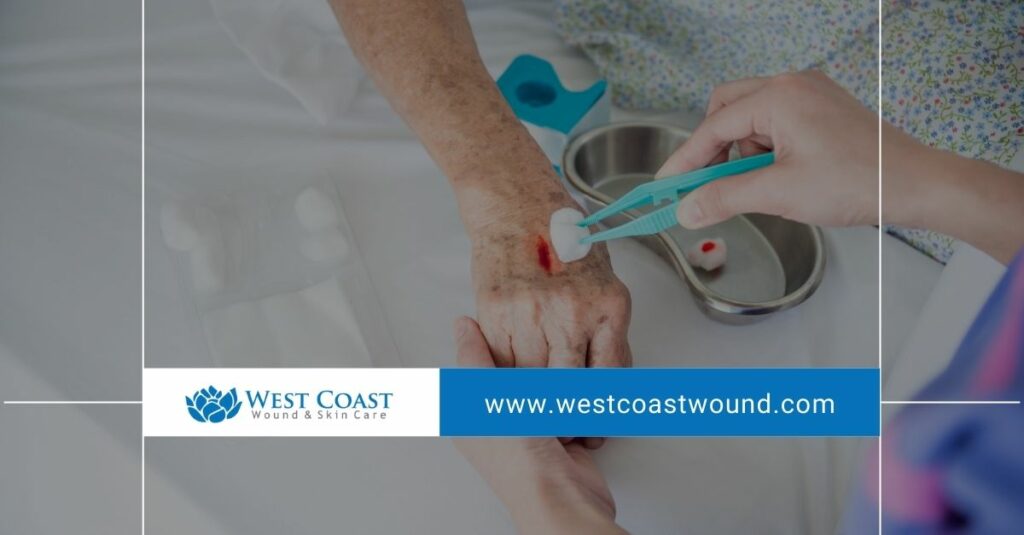
PAD reduces blood flow through arteries, especially to the feet and legs. When circulation is impaired, tissues receive less oxygen and fewer nutrients, which slows healing. Arterial ulcers are one of the most serious wound types associated with PAD. These are often deep, painful, and slow to respond to treatment. Infections can set in, risking more severe outcomes.
People with PAD may also have coexisting conditions—like diabetes, kidney disease, or hypertension—that further complicate recovery. Recognizing PAD early means we can intervene with treatments that restore or improve circulation, manage risk factors, and prevent ulcers from worsening.
As a patient‐facing wound care provider, we focus on therapies supported by clinical evidence and tailored to the needs of those living with PAD. Here are the main treatments we deliver:
These treatments are available both at our wound care clinics and through our mobile services. When surgical or specialty procedures are needed, we help patients coordinate referrals and follow up to ensure healing proceeds well through our comprehensive wound care services.
We provide care through multiple settings so that individuals with PAD get help in the way that works best for them.
At these clinics we offer advanced treatments such as negative‐pressure wound therapy (NPWT), hyperbaric oxygen therapy (HBOT), and debridement procedures. These help wounds heal more quickly and reduce complications.
For patients with mobility or distance challenges, we provide mobile wound care through our comprehensive wound care services.
We bring our expert team of physicians, nurse practitioners, and wound care specialists to private homes, assisted living facilities, board and care homes, and skilled nursing facilities. This allows us to deliver treatments like dressing changes, infection control, and monitoring without requiring the patient to travel.
An early diagnosis of PAD can make a major difference. When wounds are detected early, before infection or tissue death sets in, our outcomes are much better. During PAD Awareness Month, we encourage:
In our care model, once a PAD‐related wound is identified, we schedule frequent follow‐ups either through mobile or clinic‐based visits, monitor for signs of breakdown, manage infections, and adjust treatment based on healing progress. These follow-ups are key components of our comprehensive wound care services.
PAD Awareness Month is a reminder—but we offer support beyond that. Our services are structured so that patients with PAD can count on:
We accept Medicare and many insurance plans so that financial barriers are minimized.
PAD need not lead to permanent wounds or loss of mobility. With early recognition, strong clinical intervention, and the right healing environment, it is possible to avoid many of the worst outcomes. We are here for you: through our wound care clinics, through mobile wound care, and through committed, evidence‐based wound care services, we strive to heal wounds faster, reduce suffering, and restore quality of life.
If you or someone you love is living with PAD and noticing wounds that aren’t healing, reach out to us. Our team of dedicated professionals is ready to provide care that makes a meaningful difference.