The current 2025 government shutdown has introduced significant challenges across many sectors, with the healthcare industry feeling a considerable impact. For millions of Americans who rely on federal programs for their health needs, the shutdown caused instant concerns. At West Coast Wound Care, we will always provide high-quality advanced wound care to our patients.
We continue to accept Medicare and ensure patients receive needed treatment, regardless of disruptions in Washington. During times of uncertainty, consistency in healthcare is more important than ever.
A government shutdown occurs when funding for federal agencies expires, halting non-essential government operations. This has wide-ranging consequences for the healthcare system. Federal agencies like the Centers for Medicare & Medicaid Services (CMS) face hurdles, causing delays and confusion for providers and patients.
While mandatory programs like Medicare and Medicaid continue to operate, the strain causes delays and postponed billing updates. It can also create a general sense of instability.
It’s understandable that patients may worry if providers will still accept insurance or if care access will be compromised.
Medicare patients are particularly vulnerable during these periods. Many rely on Medicare for their healthcare coverage, and shutdown anxiety can be immense. Chronic wounds, which require consistent and specialized attention, cannot be put on hold. A delay in treatment can lead to severe complications, including infection, hospitalization, and a decreased quality of life.
For these individuals, reliable access to care is a critical health requirement. We understand. As such, our services are structured in such a way that we remain stable and dependable for those in need.
We want to assure our community that our commitment to patient care remains unchanged. A majority of the patients we serve are covered by Medicare, and our operations are designed to navigate the complexities of the system, even during a shutdown.
We continue to welcome new and existing Medicare patients at our clinics and through our mobile services.
Our billing and administrative teams manage Medicare claims and work diligently to prevent any potential disruptions. Your health is our top priority. We provide the same high standard of care you expect, without interruption.
We believe political struggles should not impede access to expert wound management. Our state-of-the-art wound care clinics are equipped with the latest technology and staffed by dedicated professionals. For patients in particular locations, our unique mobile wound care service brings our expertise directly to their homes or residential facilities.
This service is especially valuable for individuals with mobility issues or those who live in areas with limited access to specialized medical facilities. By offering both in-clinic and mobile options, we remove barriers to receiving timely and effective treatment, ensuring that all our patients can get the care they need, when and where they need it.
The healthcare landscape is constantly evolving, with a growing emphasis on value and quality over volume. A recent proposal from CMS, outlined in the Physician Payment Rule, aims to reduce wasteful spending and enhance quality measures. This proposal focuses on paying physicians for providing high-quality care that improves patient outcomes, rather than just for the number of services performed.
It signifies a shift toward a more patient-centered and efficient healthcare system, rewarding providers who prioritize effective treatments and positive results. This forward-thinking approach is designed to ensure that taxpayer dollars are used to support care that genuinely helps patients heal and stay healthy.
We responded to that particular article because, frankly, our entire model is built around delivering superior outcomes. Every patient receives a personalized treatment plan developed by a wound care specialist, designed to promote faster healing and prevent complications. We utilize the most effective and evidence-based methods in advanced wound care to ensure our patients achieve the best possible results.
Our focus has always been on the quality and efficacy of our treatments, not the quantity. We track patient progress closely, adjust plans as needed, and are committed to a standard of excellence that puts patient well-being first. This commitment to quality care ensures that we are not only meeting current standards but are also well-prepared for the future of healthcare.
Navigating the healthcare system can be challenging, and the uncertainty of a government shutdown only adds to the stress. If you or a loved one is dealing with a chronic or non-healing wound, delaying treatment is not an option.
Your health and healing are too important to be put on hold. We are here to provide the support and expert medical attention you need, and we continue to proudly accept Medicare patients.
Let us help you get on the path to recovery. Reach out to our team today to schedule a free appointment.
When wounds resist healing because of infection, poor circulation, or chronic disease, the right medical approach can make the difference between slow recovery and meaningful healing. At West Coast Wound & Skin Care, our advanced wound care centers offer advanced infusion and IV therapy as integral parts of our comprehensive treatment offerings. We bring together highly trained providers, modern medical technology, and compassionate care so that you get the best support tailored to your wound’s unique needs.
Infusion therapy means delivering medications, antibiotics, or other healing agents directly into the bloodstream over time, while IV therapy refers more broadly to intravenous delivery of fluids, electrolytes, and medications.
These methods are especially helpful in situations where oral medication might be insufficient—such as when a wound is deeply infected, the patient’s digestive absorption is impaired, or systemic support (hydration, nutrition) is required to promote healing.
We rely on wound care specialists who assess multiple factors: wound depth and type, presence of infection, blood flow, patient overall health (e.g., kidney function, heart health), allergies, and potential interactions with other treatments. When an IV antibiotic or another infused agent is needed, we administer it under sterile conditions, monitor for side effects, adjust dosing as needed, and coordinate with other therapies like debridement, dressings, or hyperbaric oxygen (if available at your advanced wound care centers).
One of the greatest benefits when treating infected wounds is that infusion and IV therapy allow medications to reach high tissue levels quickly. This means:
This is especially valuable for patients with vascular compromise, diabetes, or weakened immune systems, since they often face tougher challenges overcoming infection.
Wounds heal best when the body has adequate hydration, proper electrolyte balance, and sufficient nutrition. IV fluids can correct dehydration or electrolyte imbalances. In certain cases, infusions can include components—such as minerals, vitamins, or growth-factors—when indicated by bloodwork and medical need. This systemic support helps the body mount the correct response: generating new tissue, fighting microbes, and closing wounds more efficiently, especially when provided through advanced wound care centers.
Infusion and IV therapies work best in combination with our other services. While the IV approach works on internal systemic issues, our clinic-based services handle local problem areas: cleaning, dressing selection, debridement, pressure relief, and advanced local therapies. By coordinating the systemic with the local, healing proceeds more smoothly, with fewer setbacks.
Our wound care clinics offer:
These clinic-based services ensure that patients who can travel have access to full medical support in a controlled, well-equipped environment.
Not everyone is able to come into one of our clinics. For those individuals, our mobile wound care service comes to your home, or to your facility. While mobile settings may limit what we can infuse compared to the clinic, we provide:
This blended approach means you don’t lose access to high level infusions just because you can’t leave home.
We consider infusion or IV therapy when:
In these cases, access to advanced wound care centers ensures that the therapy is properly administered and monitored for effectiveness.
Administering IV therapy demands strict protocols. When you receive this therapy, we ensure:
Infusion and IV therapy in isolation are rarely sufficient. We pair them with:
This holistic care ensures the infused or IV agents are effective, not wasted by unresolved local issues.
If you believe you need infusion or IV therapy, or have a wound that isn’t healing, here’s how we help you begin:
Our wound care centers are places where advanced therapeutic modalities meet compassionate, individualized care. Infusion and IV therapy is not just giving a drug—it is delivering healing potential, accelerating recovery, reducing complications, and restoring your quality of life.
Whether you’re seen at a clinic or through mobile wound care, we ensure that our wound care specialist-led teams bring you the maximum benefit possible. If your wound has been stubborn, infected, or slow to heal, reach out to us for a free appointment.
With chronic and complex wounds, precision in documentation is an important part of advanced wound care. The standards that govern wound documentation have changed considerably in recent years, shaped by updates from regulatory bodies and a growing emphasis on transparency, compliance, and clarity.
In many ways, American wound documentation standards have significantly changed, but much has also stayed the same. Here at West Coast Wound Care, we utilize proper documentation while helping patients recover through reliable, evidence-informed care.

Wound documentation is not just a clinical formality—it directly affects patient care, reimbursement eligibility, and legal compliance. As wound care becomes more data-driven and regulated, accurate documentation has never been more important. When we write “accurate wound documentation,” we mean:
We integrate strong documentation protocols in all of our care settings so as to provide a seamless experience, no matter where our patients receive care.
National documentation expectations are shaped by organizations such as the Centers for Medicare & Medicaid Services (CMS), the National Pressure Injury Advisory Panel (NPIAP), and others. To be in proper alignment, we adhere to detailed documentation protocols during each stage of wound care.
Essential wound documentation components we can include but are not limited to:
We record these components at every visit to comply with CMS reimbursement rules and ensure consistent care delivery.
Recent rule changes have placed greater emphasis on the reasoning behind treatment decisions—not just the clinical facts. Updated federal standards now require us to demonstrate the medical necessity of advanced wound care through detailed, patient-specific narratives rather than copy-pasted notes or general templates.
This shift is largely due to heightened scrutiny by CMS and Medicare Advantage plans. Prefilled templates or drop-down charting tools are no longer considered adequate. Instead, we must clearly document:
We meet these standards by creating clear, personalized narratives. We include descriptive entries that reflect our clinical reasoning, showing how each wound is evaluated and managed individually. This detailed documentation helps reduce denials, enhances communication across care teams, and reinforces our commitment to high standards.
While electronic health records (EHRs) have simplified tracking, overreliance on automation has its risks. Automated tools that pre-fill or copy previous entries can miss changes in a wound’s condition. Inaccurate or outdated documentation can jeopardize both patient safety and reimbursement.
Regulatory agencies now expect more than templated notes. CMS auditors and payers look for:
We’ve built our documentation strategy around clinician-guided input rather than passive automation. Our team uses digital tools to assist—but not replace—judgment and observation. Each wound evaluation is conducted in real time and entered with precision and accuracy.
The classification and staging of pressure injuries, like so much else related to wound care, continuously evolves.. NPIAP regularly updates its guidelines to enhance accuracy and consistency in wound reporting. These updates include:
Misclassification or failure to follow these definitions can lead to inaccurate care planning and potential reimbursement issues. We stay current on the latest NPIAP pressure injury staging so we can correctly identify and document each pressure wound type, ensuring patients receive the right treatment from the start.
At West Coast Wound Care, we take wound assessment documentation seriously because we know its importance in both clinical and regulatory settings. We invest in continual training to ensure that our staff remains current with:
This training supports our structured, evidence-based documentation process—allowing us to deliver care that is thorough, compliant, and tailored to each patient.
Our documentation process supports every phase of our treatments. We adjust care plans based on healing trends, patient input, and clinical outcomes—all of which we capture in secure, accurate wound records.
In advanced wound care, documentation is more than a requirement—it’s a reflection of how closely we observe, assess, and care for each wound. Our dedication to clear, individualized, and regulation-compliant documentation allows us to deliver a level of care that is both safe and effective.
By keeping up with the latest standards and continuously refining how we document, we ensure that every wound is managed with accountability, transparency, and clinical rigor. If you or someone you care about is dealing with a complex wound and looking for attentive, evidence-informed care, we’re here to help—wherever you are. Contact us to make an appointment today and see how we can help.
Are you or a loved one in need of reliable, results-driven wound care in Visalia? Do you want care that’s as effective as it is accessible? That’s what you’ll find at our new Visalia wound center. Opening at the end of June, our Visalia location will provide compassionate and personalized care. Here, we can simplify your healing journey and support your overall well-being both today and tomorrow.
At West Coast Wound Center’s new Visalia facility, we offer a streamlined and compassionate approach that removes the inconvenience of.
We know how the wound care process can be draining physically and emotionally. Managing pain, coordinating all of your appointments, repeated trips to distant medical facilities again and again – it all takes a toll. That’s why our team combines modern wound care techniques with patient-focused treatment plans. Through this, we can bring healing directly to the people of Visalia and surrounding communities.
The address for our West Coast Wound Center in Visalia at 428 S. Garden St., Visalia, CA 93277. Appointments can be scheduled by calling (559) 931-2524 EXT 1448. New referrals can reach us visalia@westcoastwoundcenter.com
Before launching West Coast Wound Center, essentially all of our medical professionals worked in traditional hospital settings. They observed firsthand how patients would receive treatment for wounds, return home, and then come back repeatedly for the same services—often without any long-term plan or education on self-care. This endless cycle placed a burden on patients and their families while doing little to promote long-lasting recovery.
Instead of having patients stay stuck in the same loop, our founders envisioned a model where care could work differently. —on their schedule, in their space, with support they could rely on. That’s how our mission was born: deliver personalized, expert wound care in Visalia, without the added hardship of constant travel.
We’re proud to now offer local, high-quality wound treatment through our new Visalia location. We have other centers throughout the state. Drawing upon that experience, we will provide the same level of care that patients across California have come to expect from us.
Repeatedly traveling far outside Visalia for wound treatment can be overwhelming, especially for patients with mobility limitations. We aim to reduce that stress by offering services that minimize—or eliminate—the need for frequent travel to hospitals or other providers. Instead of navigating complex medical systems, you can receive individualized care right here in Visalia.
Our facility is designed to be a one-stop solution for complex wound care, delivering top-tier service tailored to each patient. We prioritize efficiency, accuracy, and empathy in everything we do.
At West Coast Wound Center in Visalia, we specialize in managing a wide spectrum of wounds, skin conditions, and complex dermatological concerns. Our team of Visalia clinicians is trained to handle both acute and chronic cases with precision and care, always prioritizing patient comfort, safety, and long-term healing.
Post-Surgical
These can arise from a variety of operations and often require vigilant aftercare to heal properly. Without the right follow-up, these wounds can become infected, reopen, or develop complications.
That’s why our Visalia wound care professionals closely monitor surgical wounds, ensuring that they’re cleaned, dressed, and treated using the most advanced methods available. Our ongoing care helps reduce pain and inflammation while minimizing the risk of setbacks during recovery.
Malignant Wounds
Often caused by cancer or severe infections with the potential to erode skin, tissue, and blood vessels, these can be particularly difficult for patients. Not only are these physically damaging—they can be emotionally damaging, too.
Our approach combines clinical expertise with compassionate support, ensuring that each patient receives thoughtful and personalized care that addresses both the malignant wound and the underlying health condition.
Cellulitis
Left untreated, cellulitis may lead to serious health complications, including systemic infections. This fast-spreading bacterial infection can penetrate deep into the skin and surrounding tissues. It often presents with swelling, redness, warmth, and pain and can quickly escalate without intervention.
Our team is equipped to identify and address cellulitis early, applying targeted therapies that halt the infection’s progression and help patients return to health quickly.
Traumatic Injuries
Cuts, abrasions, punctures, and bites—whether caused by accidents, animal interactions, or blunt force—require timely, attentive care to avoid infection and scarring. At our Visalia clinic, we treat these wounds with urgency and care, applying advanced cleaning methods, precision dressings, and customized healing protocols to restore the skin and underlying tissues as safely and thoroughly as possible.
No matter our patients’ wounds, our mission remains the same: to provide effective treatment that promotes safe, fast, and effective recovery.
Our team has extensive experience treating diabetic ulcers, pressure ulcers, ulcers caused by poor circulation, (such as venous and arterial ulcers), and more. These wounds are often slow to heal and prone to infection, particularly when underlying health issues like diabetes or vascular disease are at play.
Diabetic Ulcers
For those with diabetes, small cuts or blisters—especially on the feet—can evolve into large, difficult-to-heal wounds. Poor blood flow, nerve damage, and high glucose levels make these ulcers particularly vulnerable to infection.
In Visalia, we use a combination of offloading techniques, blood sugar management coordination, and wound-specific treatments to support healing and prevent complications like gangrene or amputation.
Pressure Ulcers
Pressure ulcers can develop over bony areas of the body where blood flow is restricted, and tissue begins to break down. Our care plans for pressure ulcers involve relieving pressure, enhancing circulation, and applying targeted therapies that promote tissue regeneration.
Venous and Arterial Ulcers
When blood doesn’t flow properly to or from the limbs, skin tissue can break down. Venous ulcers, often seen near the ankles, are related to poor return of blood to the heart, while arterial ulcers arise from blocked arteries that limit blood flow to extremities.
In both cases, our approach involves addressing the circulatory issue in conjunction with topical and systemic treatments to aid recovery and relieve discomfort.
In Visalia, we also provide expert care for a wide range of skin conditions.
Our clinicians are experienced in identifying and treating basal cell carcinoma, which is the most common form of skin cancer, as well as squamous cell carcinoma and melanoma, which can be more aggressive and dangerous if not caught early.
We treat keratoacanthomas—rapidly growing lesions that resemble squamous cell carcinoma—as well as non-cancerous but concerning growths like seborrheic keratosis and actinic keratosis, which may become malignant over time.
For these conditions, we employ careful wound management alongside biopsies, excisions, or topical therapies, depending on the individual diagnosis. Our focus is always on reducing risk while preserving healthy tissue and minimizing scarring.
In terms of infections, we regularly treat herpes simplex, which presents as recurring blisters or sores, and shingles (herpes zoster), which often results in painful, blistering rashes. These conditions not only require symptom relief but also close monitoring to prevent spread and complications.
Staph infections, including antibiotic-resistant strains, are a serious threat if left untreated. We quickly diagnose and address these infections with wound cleaning, drainage (if needed), and targeted antibiotic treatment. These cases benefit from prompt identification and a combination of topical and systemic care to fully eradicate the source of the infection.
Not every skin issue stems from trauma or infection. Inflammatory skin conditions are often chronic, cyclical, and closely tied to a person’s immune system or environmental triggers. At our Visalia clinic, we regularly care for patients suffering from these.
Psoriasis
Characterized by thick, red, scaly patches of skin that can itch, crack, or bleed, psoriasis may flare up in response to stress, illness, or injury. Our team works with each patient to tailor a treatment plan that includes topical agents, lifestyle adjustments, and in some cases, immunosuppressive therapies.
Rosacea
Rosacea, a condition that leads to persistent facial redness, bumps, and visible blood vessels, can be distressing to patients. Similarly, intertrigo—an inflammation caused by skin-to-skin friction in warm, moist areas—is common in individuals with limited mobility or excess weight. Both of these conditions can respond well to careful skin management, medical guidance, and more.
Eczema
This leads to dry, inflamed, and itchy skin, and it’s often linked to allergies, asthma, or a family history of similar conditions. Seborrheic dermatitis—affecting oily areas like the scalp and face—can appear as stubborn dandruff or red, scaly patches.
Among our treatments, we can provide targeted skin care routines, gentle topical medications, and education on how to reduce triggers and maintain skin integrity.
Even if your specific diagnosis isn’t mentioned here, chances are that we can still help. Many of our patients come to us with skin issues that don’t fall neatly into a single category. These include heat rashes, dry and itchy skin, drug reactions, sun damage, and skin atrophy. All of these can be painful, irritating, or indicative of a deeper issue—and all require proper evaluation and care.
At West Coast Wound Center in Visalia, we treat each case individually, taking the time to understand your symptoms and recommend a plan tailored to your needs. We encourage you to reach out if you’re uncertain about your condition. Our team is always here to listen, assess, and provide a healing path forward.

Each wound presents its own challenges, which is why we begin with a thorough evaluation of your needs. By understanding the full picture, we’re able to tailor our approach and choose the treatment plan that fits your situation best.
Some of our most effective treatment modalities include:
These are just a few examples. We offer many additional treatments, all customized to the patient’s condition and recovery goals.
Healing a wound requires more than just dressing it. At West Coast Wound Center, we provide whole-person care, taking into account the physical, nutritional, and emotional needs of each patient.
Our team evaluates both internal and external factors that may be slowing your healing. Poor nutrition, immobility, or underlying health conditions can all interfere with recovery, so we address those concerns with a comprehensive strategy.
We work in collaboration with other healthcare professionals in your care network, including:
By involving caregivers in the process and providing education every step of the way, we ensure that the healing continues beyond our direct treatment.
Part of our mission is empowering patients and families. We don’t just offer wound care—we teach you how to care for your wounds at home. Our Visalia team provides detailed instructions for managing dressings, recognizing signs of infection, maintaining hygiene, and so much more. That way, you’re prepared for the time between visits.
If you’ve been caught in a frustrating cycle of wound care that demands frequent travel or provides only short-term relief, we invite you to explore a better way. Our Visalia clinic is here to serve the community with advanced care that meets your needs—whether it’s through in-person visits or telemedicine options.
Our services include biopsies, cryotherapy, and other specialized treatments that are often difficult to access locally. We are committed to bringing these services closer to home for our patients in Visalia and nearby areas.
Starting care with us is simple. Reach out via phone or our website to schedule a free consultation. Once we’ve assessed your condition, we’ll create a personalized care plan that supports your recovery every step of the way.
To reiterate, for new referrals, you can reach us at visalia@westcoastwoundcenter.com
You can find our location at 428 S. Garden St., Visalia, CA 93277.
You can fax us at (559) -931-2526. To schedule an appointment or learn more, call (559) 931-2524 EXT 1448.
Infection control and preventing infection are some of the most important wound care services that we provide. Always, we follow OSHA (the Occupational Safety and Health Administration) regulations when doing so. These protect both healthcare providers and patients by mandating safe practices in medical environments.
These regulations can serve as part of the foundation for infection prevention protocols across healthcare settings. At West Coast Wound Care, we follow OSHA regulations closely to maintain safe, hygienic environments wherever care is delivered, incorporating these standards into our patient-centered services.
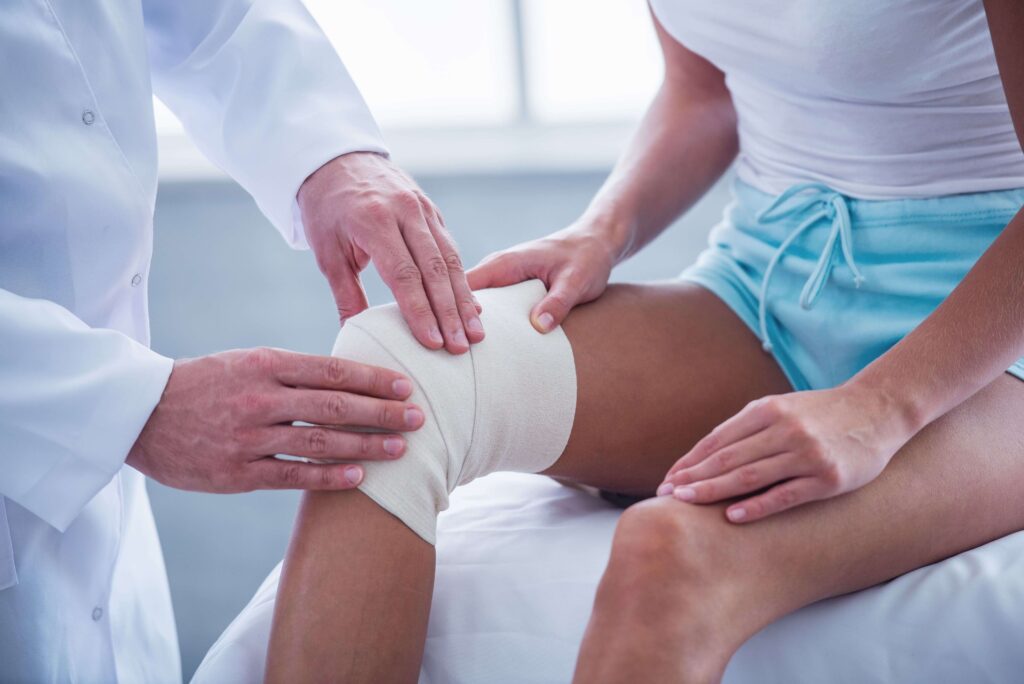
Open wounds, especially those that are deep, draining, or slow to heal, unfortunately, create opportunities for microbial entry. When combined with underlying conditions like diabetes or compromised circulation, wounds can quickly become infected if protocols aren’t followed.
OSHA’s regulations are not optional—they are mandatory for all healthcare employers, including us. These regulations are designed to:
Because we work in patients’ homes, long-term care facilities, and dedicated clinics, these regulations help us maintain consistent infection control standards wherever we provide care.
The most applicable OSHA rule to wound care is the Bloodborne Pathogens Standard (29 CFR 1910.1030). This regulation requires healthcare employers like us to implement practices that reduce occupational exposure to blood and other potentially infectious materials (OPIM). Since wound care often involves direct contact with bodily fluids, complying with this standard is essential.
Key OSHA-mandated infection control practices include:
All these practices are part of our services and help reduce infection risks. (OSHA Bloodborne Pathogens Standard – OSHA.gov)
While the Bloodborne Pathogens Standard remains central, several recent developments have deepened the importance of infection control:
These shifts underscore the need for infection prevention strategies tailored to every patient, whether at a clinic or in the field.
We’ve embedded OSHA compliance into everything we do at West Coast Wound Care. Whether we’re seeing a patient in one of our clinics or visiting them at home, we follow the same rigorous safety standards.
Here’s how we do it:
By keeping these systems in place, we protect both our patients and our staff while delivering high-quality care.
We specialize in providing a wide range of wound care services, and we do so in a way that prioritizes safety, infection prevention, and patient comfort. Our care team is trained to treat:
Our treatments include:
Everything we do is supported by documentation and safety protocols that meet OSHA standards, ensuring continuity and excellence in care.
If you or someone you know is in need of reliable, skilled, and infection-conscious care—delivered either in a clinic or right at home—we’re ready to help. At West Coast Wound Care, we combine safety with compassion to help wounds heal the right way. Reach out for more information or to schedule an appointment to see how we can treat infection and more.
When you leave a hospital, you, rightfully, might assume your recovery is on the right track. Hospitals play a critical role in healthcare. They can do so much for the wounded. They can provide urgent treatment that prevents wounds from worsening. However, for many patients, complete healing is a longer and more complex process than hospitals are equipped to handle. That’s where specialized wound care, like what we offer, can make the difference.
If you or a loved one has been discharged from a hospital but still requires care, understanding the next steps in your recovery is crucial.
For patients with wounds, whether from surgeries, injuries, or chronic conditions, hospitals focus on stabilizing the area to prevent complications. They’ll clean and dress wounds, manage infections, and address symptoms like pain or swelling. While hospitals are excellent at providing immediate treatment and preventing further damage, they often fall short in delivering long-term wound healing.
Why? Healing a wound completely requires ongoing, specialized care that hospitals are neither designed nor staffed to provide.
For example, chronic wounds such as certain ulcers, need specialized treatments that go beyond basic care. These might include advanced dressing techniques, nutritional guidance, infection management, or regular monitoring of the affected area.
Hospitals typically discharge patients once their condition no longer requires inpatient care, even if their wounds haven’t fully healed.
This disconnect can leave many patients vulnerable, unsure of how to proceed with the necessary care at home or in another setting.
Wounds that aren’t appropriately cared for after a hospital stay can lead to complications. Wounds aren’t on a schedule. They don’t follow a chart.
Withoutmonitoring and treatment, issues like infection, tissue damage, or delayed healing can arise. This is especially true for individuals managing chronic conditions like diabetes or vascular disease. Wounds may worsen rapidly without the proper expertise and attention, which can cause additional hospital readmissions or, in severe cases, life-altering consequences such as amputation.
For many patients, follow-up wound care is essential to ensure proper healing. However, navigating the options for care after being discharged can be overwhelming. Skilled nursing facilities (SNFs) and home health teams play a role by providing basic wound maintenance and comfort. Still, many patients need treatment options that go beyond the traditional care services.
This is where we step in to bridge the gap. Our team of skilled technicians provides personalized, advanced treatment to help patients recover fully.
One of the ways we can help is to provide treatment in your home. Depending on your location, we can provide mobile care. This means our team comes directly to patients, whether they’re in a skilled nursing facility or recovering in their own homes. This personalized approach not only makes care more accessible but also ensures that the specific needs of each wound are addressed consistently and professionally.
Advanced Techniques for Recovery
Healing a wound takes more than just cleaning and bandaging. We use cutting-edge treatment methods tailored to each patient. Our team specializes in addressing chronic wounds, infections, and underlying conditions that may hinder the recovery process.
Comprehensive Skin Sweeps
For patients in skilled nursing facilities, one of our more popular offerings is our detailed skin sweeps. Among the many benefits, these can help identify potential wound care issues early, preventing minor skin problems from escalating. This can significantly improve healing outcomes.
Preventing Hospital Readmissions
Providing specialized wound care at home or in a SNF not only speeds up recovery but also reduces the risk of complications that might require another hospital stay. Through this, we can give patients peace of mind, knowing that their wounds are healing correctly under expert supervision.
Holistic Approach to Care
Our care isn’t just about the physical wound itself. West Coast Wound Care adopts a holistic approach, addressing contributing factors like nutrition, infection risks, and patient education. By focusing on the whole picture, they set patients up for sustainable healing.
We work closely with skilled nursing facilities to enhance wound treatment programs. While SNFs are excellent at providing general care and comfort, many lack the specialized knowledge and resources needed to heal complex wounds fully. By partnering with SNFs, we can bring our care directly to these facilities, offering advanced interventions tailored to each patient’s needs.
Their collaborative relationships with SNFs mean better outcomes for patients and peace of mind for their families. Staff and loved ones can trust that we’ll track, monitor, and adjust treatment plans to ensure optimal healing.
If you’ve recently been discharged from a hospital and still need care, there’s plenty you can expect when working with West Coast Wound Care.
Our team carefully examines your wound, overall health, and any underlying conditions to develop a customized treatment plan.
Instead of visiting multiple hospitals and so forth, our techs can bring care directly to you, whether you’re at home or in a SNF.
Healing can be a lengthy process, but West Coast Wound Care offers regular check-ins and adjustments to treatment as needed.
Whether working with hospital discharge teams, SNF staff, or primary care providers, we can ensure a seamless transition and consistent communication to support your care.
At the end of the day, proper care is about more than avoiding complications; it’s about regaining your health, mobility, and confidence. Despite their best efforts, traditional care settings like hospitals and SNFs often aren’t equipped to support complete healing. That’s exactly why West Coast Wound Care exists—to offer specialized services that guide patients through the critical phases of recovery.
If you or a loved one has been discharged from a hospital and has wounds that need continued care, we’re here to help.
Continue the healing process today. Your recovery matters. Reach out now to schedule an appointment and see how we can help.
You’re Discharged From a Hospital and Still Need Wound Care. What to do?
When patients enter hospitals with severe wounds, they may be stabilized, but true wound healing often remains elusive. While hospitals excel at acute care, they face systemic challenges in achieving real and lasting wound recovery. This gap in care leaves many patients cycling between facilities and home without ever fully healing. West Coast Wound Center solves this problem by providing wound care that continues the healing process hospitals start but often can’t finish. A wound care specialist can help in a variety of ways.
Hospitals provide essential wound stabilization through:
However, several factors prevent hospitals from achieving complete wound healing:
The average hospital stay for wound patients is usually only a few days – barely enough time to control infection, let alone achieve meaningful healing. Patients are often discharged with “improved” but unhealed wounds.
While hospitals have wound care teams, they’re typically stretched thin across entire facilities. The brief daily wound checks common in hospitals pale in comparison to the focused attention chronic wounds recovery require.
Despite the best efforts of all involved, H=hospital-acquired infections affect patients daily. For wound patients, this means constant exposure to dangerous pathogens that can undermine healing progress.
Many patients transition from hospitals to SNFs (Skilled Nursing Facilities), but these institutions face their own healing barriers:
The average SNF nurse cares for many patients simultaneously, making consistent wound monitoring nearly impossible.
Most SNFs lack:
SNFs focus on rehabilitation goals rather than wound resolution, often discharging patients when their benefits expire – regardless of wound status. Here at West Coast Wound Care, we can fill that gap.
Our wound care services bridge the gaps left by hospitals and SNFs through:
We embed our specialists directly in partnered SNFs to provide:
Patients transitioning from hospital to home maintain the same wound care team throughout recovery, eliminating dangerous care transitions.
We bring hospital-grade treatments to wherever the patient is, including:
Our “skin sweeps” identify at-risk areas before wounds develop, particularly important for:
For patients sent home with unhealed wounds, West Coast Wound Center provides:
Our mobile units deliver:
We train family members in:
Our specialists coordinate with:
West Coast Wound Center eliminates the geographic and systemic barriers that prevent complete healing by:
Our mobile teams serve patients wherever they reside – no stressful clinic trips required.
We bring the full spectrum of wound therapies directly to:
Our specialists handle the most challenging wounds, including:
Hospitals save lives, but wounds need time and specialized attention to truly heal. West Coast Wound Center provides the missing piece – dedicated wound healing that continues long after discharge. For patients tired of bouncing between facilities without resolution, our mobile specialists deliver the consistent, advanced care needed to finally close the wound healing gap.
If you or a loved one has left a hospital with unhealed wounds, specialized help is available without another institutional stay. West Coast Wound Center brings complete wound healing directly to you – wherever you call home. Make an appointment today.
Wound care is a critical aspect of medical treatment, yet many misconceptions persist about how wounds heal and the best ways to manage them. At West Coast Wound Care, our specialists are dedicated to providing evidence-based treatments to promote optimal healing. In this blog, we’ll debunk some of the most common wound myths and set the record straight.
Many people believe that a scab is a necessary part of the healing process, but this isn’t entirely true. While scabs do form as part of the body’s natural response to injury, they aren’t always the best indicator of proper healing.
At West Coast Wound Care, we use advanced wound dressings that maintain a moist environment, helping wounds heal faster and more effectively.
While keeping a wound clean is essential, excessive dryness can actually hinder the healing process.
Leaving a wound uncovered or allowing it to dry out completely can lead to increased pain, slower recovery, and higher chances of scarring.
Many patients assume that serious wounds must be treated exclusively in a hospital setting, but this isn’t the case. For example, depending upon your location, we can provide specialized treatment in a location of your choosing.
Unless a wound is life-threatening or requires surgical intervention, mobile care is often the best option for efficient and effective healing.
Choosing the right care provider is crucial for effective healing. At West Coast Wound Care, we combine expertise with cutting-edge treatments to address even the most complex wounds.
By understanding the truth behind these wound care misconceptions, you can make informed decisions about treatment and recovery. Proper wound management starts with accurate knowledge. We can guide you toward the best possible outcomes.
If you or a loved one is dealing with a wound that isn’t healing properly, don’t rely on myths—seek expert care. Reach out to see how we can help you achieve faster, healthier healing.