
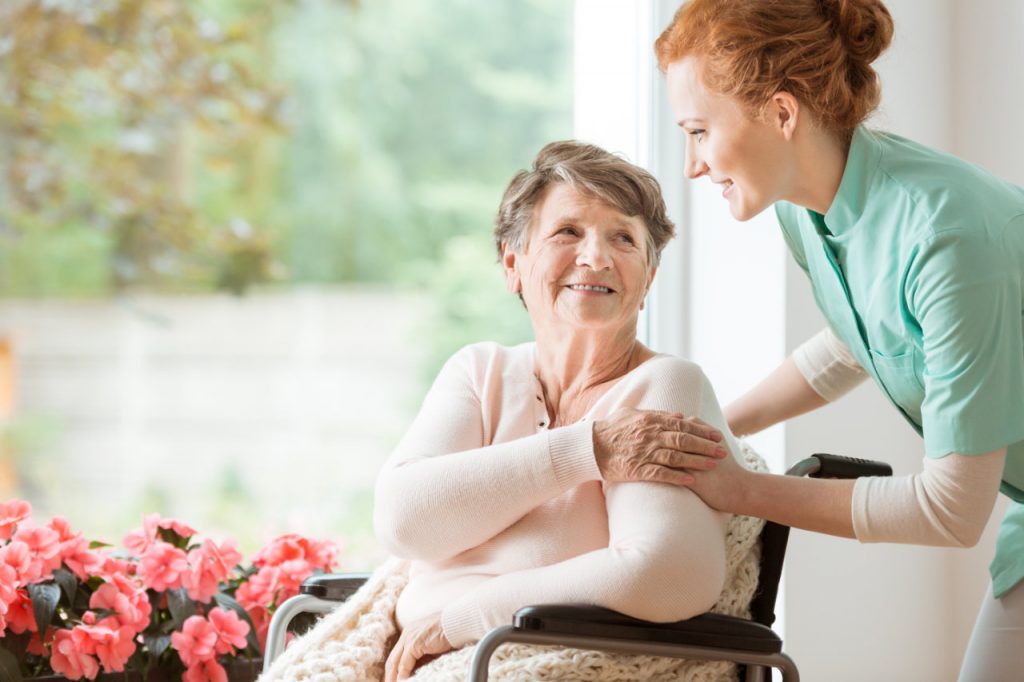
Nutrition & Mobility Assistance
- We work closely with each patient’s nutritionist and physical therapist to help optimize one’s wound healing.
- Unlike most practices, we do not just focus on the surgical aspects of the wounds, we take into consideration the most important extrinsic and intrinsic factors that affect healing.
Wound healing often requires more than just expert medical treatment. We support our patients with nutrition and mobility assistance as well as so much more.
Our team works in close coordination with each patient’s nutritionist and physical therapist to support every factor that affects recovery.
We take into account all of the factors that influence wound repair, including circulation, muscle function, diet, and overall health.
These elements are deeply connected. Optimizing them together leads to faster, safer, and more complete recovery.
Collaborating with Nutritionists and Physical Therapists
When we coordinate with nutritionists, we help develop dietary strategies that support cell repair and immune function.
Protein, vitamins, and minerals play vital roles in collagen synthesis and tissue regeneration — both of which are essential for wound closure. By ensuring patients receive the right nutrients in the right quantities, our clinicians help create the internal environment needed for effective healing.
Some ways our collaboration enhances care include:
- Communicating regularly with nutritionists to monitor patients’ dietary progress and adjust plans as needed
- Identifying deficiencies that could delay wound healing, such as low protein or vitamin C levels
- Supporting hydration and caloric intake to meet the body’s increased energy demands during recovery
- Educating patients on dietary choices that encourage faster healing and reduce inflammation
Those are just some of the benefits of collaboration. Our cooperation with physical therapists is equally important.
Maintaining or improving mobility promotes circulation, which is critical for wound oxygenation and nutrient delivery. When patients move safely and stay active under professional guidance, their tissues receive the oxygen and blood flow they need to recover efficiently.
We work with therapists to design customized mobility programs that protect wounds while encouraging movement. These programs are adjusted based on wound type, patient condition, and level of independence. Through this collaboration, we help our patients rebuild strength and confidence as they heal.
If there’s someone who helps you or a loved one, the odds are good that we can collaborate with them.
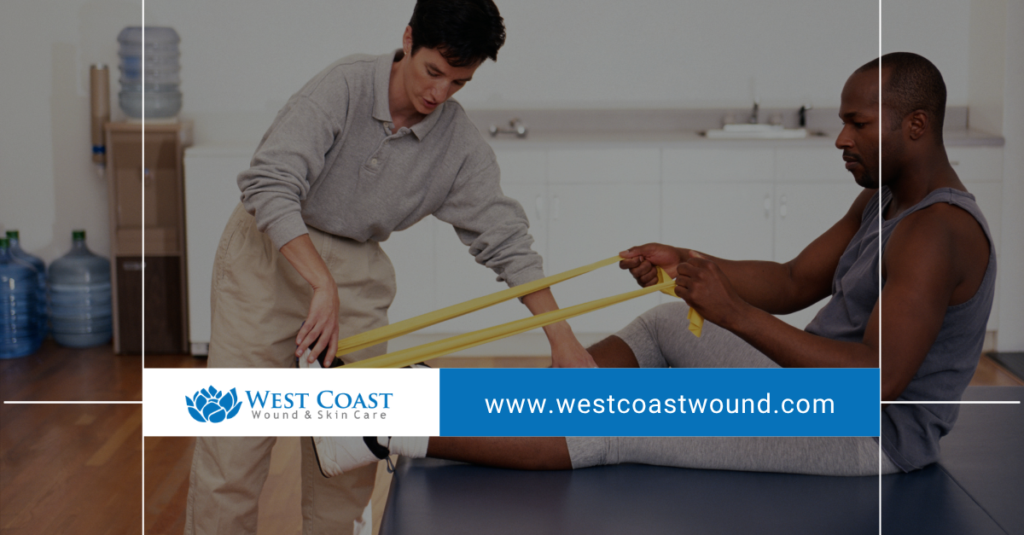
Nutrition and Mobility Assistance That Addresses the Key Factors That Affect Healing
Our holistic care approach goes beyond surgical and topical treatments. We take the time to assess all intrinsic and extrinsic elements that may influence wound recovery. This ensures that every aspect of a patient’s health is considered when developing a treatment plan.
Intrinsic factors refer to internal elements such as:
- Circulatory health and blood flow
- Immune system performance
- Chronic conditions like diabetes or vascular disease
- Hormonal balance and cellular regeneration
- Nutritional adequacy and hydration levels
Extrinsic factors include external influences like:
- Pressure, friction, and moisture on the wound site
- Mobility limitations that affect posture or movement
- Environmental conditions, such as temperature and humidity
- Wound dressings and care techniques used by caregivers
By addressing both, our providers can identify potential obstacles to healing early on. This enables us to modify care plans before complications arise and ensure continuous improvement throughout the recovery period.
Our medical professionals are highly trained to detect subtle changes in wound behavior, circulation, or nutrition that could indicate a barrier to healing.
Through consistent evaluation and collaboration with other healthcare providers, we work to eliminate these barriers and promote steady progress.
Whole-Body Care for Sustainable Healing
For many of our patients, regaining mobility and restoring balance in their nutrition transforms their recovery experience. When those work together, it’s entirely possible to experience:
- Faster tissue regeneration and reduced healing time
- Improved circulation and oxygen delivery to wound areas
- Stronger immune response and reduced infection risk
- Greater physical strength and endurance post-recovery
- Enhanced overall quality of life and independence
Our wound care model bridges clinical precision with compassionate support. We maintain ongoing communication with the patient’s extended care team, continually sharing updates and making data-driven adjustments to ensure the best possible results.
Frequently Asked Questions About Our Nutrition and Mobility Assistance
Why is nutrition and mobility assistance necessary for effective wound healing?
Wound healing is influenced by many interconnected factors, not just medical treatment. Our holistic approach ensures all elements, including circulation, muscle function, diet, and overall health (intrinsic and extrinsic factors), are optimized.
Addressing these factors together leads to faster, safer, and more complete recovery. It does so by providing the body with the internal and external support needed for cell repair, tissue regeneration, and proper blood flow.
How does your team collaborate with a patient’s nutritionist?
We work in close coordination with nutritionists to develop and adjust dietary strategies that specifically support cell repair and immune function.
This involves regular communication, monitoring dietary progress, identifying deficiencies (like low protein or Vitamin C) that could delay healing, supporting hydration and caloric intake, and educating the patient on diet choices that encourage faster healing and reduce inflammation.
We can do this through our mobile wound care or wound care centers.
In what ways do you integrate with a patient’s physical therapist?
Our collaboration with physical therapists focuses on maintaining or improving safe mobility, which is critical for promoting circulation, wound oxygenation, and nutrient delivery.
We work together to design customized mobility programs that protect the wound while encouraging movement, helping tissues receive the necessary blood flow to recover efficiently. This also helps patients rebuild strength and confidence as they heal.
What are the benefits of this integrated approach to wound care?
By coordinating with nutritionists and physical therapists, our integrated care model empowers patients to achieve durable, complication-free recovery.
Key benefits often include faster tissue regeneration and reduced healing time, improved circulation and oxygen delivery, a stronger immune response, greater physical strength and endurance post-recovery, and an enhanced overall quality of life and independence.
Integrating Wound Care With Nutrition and Mobility Assistance
Healing a wound effectively requires more than treating the surface — it requires care that reaches every level of health.
Through coordinated efforts with nutritionists and physical therapists, we deliver integrated care that empowers our patients to recover fully.
This approach gives our patients the best chance for durable, complication-free recovery — helping them regain comfort, confidence, and long-term wellness.