
What is Moist Wound Healing?
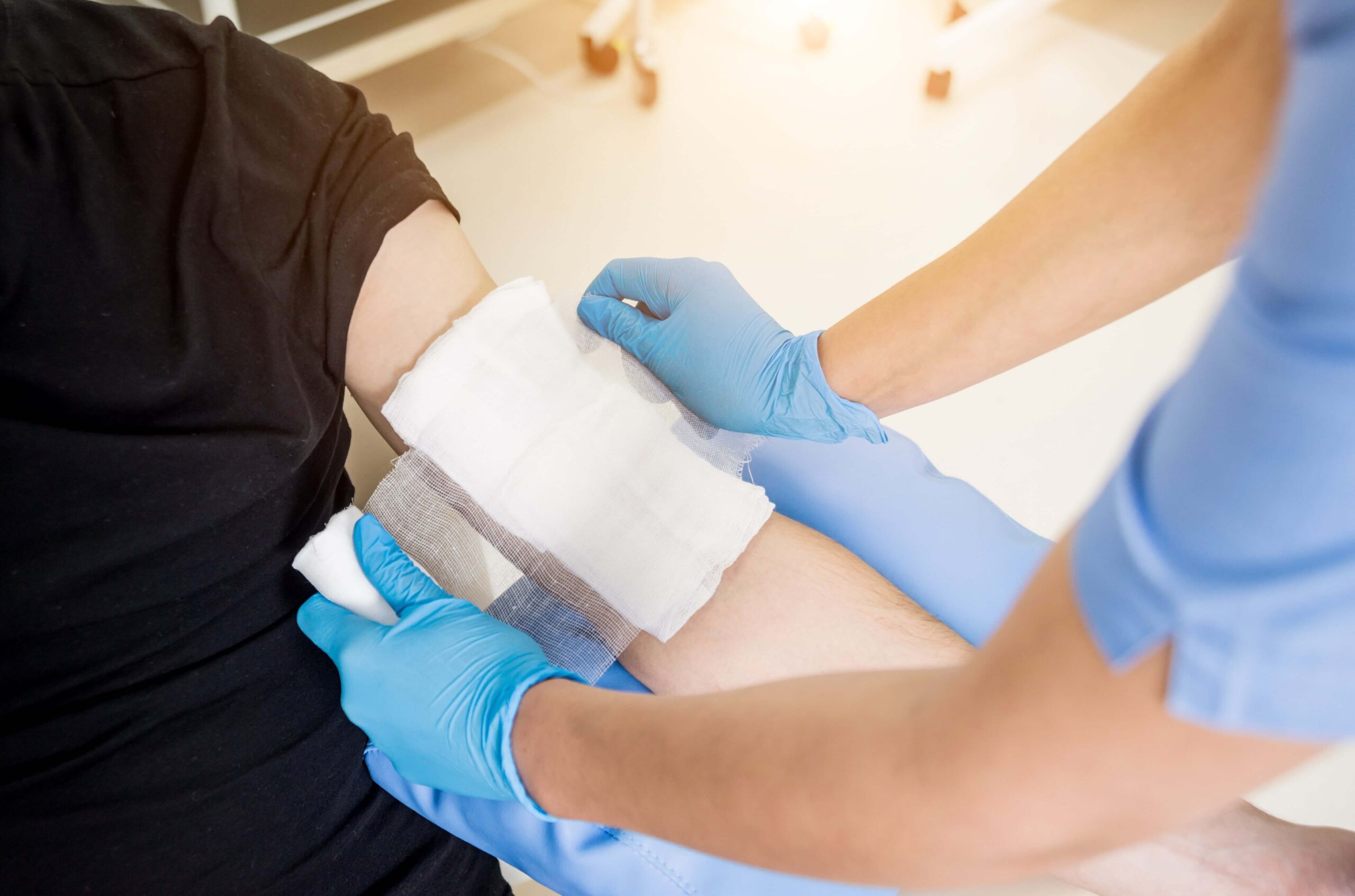
At its core, moist wound healing involves protecting the wound with specialized dressings that retain necessary moisture while preventing excess fluid buildup. This controlled environment allows cells to function optimally, reduces tissue dehydration, and supports consistent healing from start to finish.
Unlike dry healing, where scabs can form and slow cellular movement, a moist environment keeps the wound bed active and responsive. This leads to smoother recovery and often better cosmetic results, as explained by the National Institute of Health.
Does moist wound healing reduce the risk of infection?
It can. Many modern dressings create a protective barrier that helps keep bacteria out. Additionally, maintaining proper moisture supports the body’s natural defenses and healing processes.
When should I see a professional for wound care?
You should seek professional care if the wound is not healing, shows signs of infection, or is chronic or severe. A trained provider can evaluate the wound and recommend the most effective treatment plan.
What is The Science Behind the Moist Healing Process?
Wounds heal in three overlapping stages. A moist environment enhances each one:
1. Inflammatory Stage
- The body begins by removing damaged tissue and fighting potential infection.
- Moisture helps reduce pain by protecting exposed nerve endings.
- It also prevents the wound from drying out, lowering the risk of cracking and irritation.
2. Proliferative Stage
- New tissue forms as cells like fibroblasts and keratinocytes migrate across the wound.
- A moist surface allows these cells to move freely, accelerating closure.
- Blood vessel formation (angiogenesis) is also supported, improving oxygen and nutrient delivery.
3. Maturation Stage
- Collagen reorganizes, and the wound strengthens over time.
- Maintaining proper hydration during this phase helps minimize scar formation.
- The result is often smoother, more flexible skin with less visible damage.
Moist vs. Dry Healing: The Differences
- Faster Recovery: Cells function more efficiently in a hydrated environment, speeding up repair.
- Reduced Scarring: Organized collagen development leads to improved skin appearance.
- Lower Infection Risk: Modern dressings act as protective barriers against bacteria.
- Less Pain: Moisture prevents tissue from sticking to dressings, reducing discomfort during changes.
Dry healing, by contrast, often leads to scab formation. While scabs can protect a wound, they also create a barrier that slows cell migration and prolongs recovery.
What Are the Benefits of Moist Wound Healing?
Choosing moist wound healing offers a range of advantages for both minor and complex wounds:
- Encourages faster tissue regeneration
- Supports autolytic debridement, allowing the body to naturally remove dead tissue
- Enhances blood flow and oxygen delivery
- Minimizes inflammation and discomfort
- Reduces the likelihood of complications
- Improves overall healing outcomes and patient comfort
These benefits make it a widely recommended approach across many types of wounds, including ulcers, burns, and surgical sites.
How to Maintain a Proper Moist Environment for Healing
Select the Right Dressing
Different wounds require different materials. Common options include:
- Hydrogels: Ideal for dry wounds needing added moisture
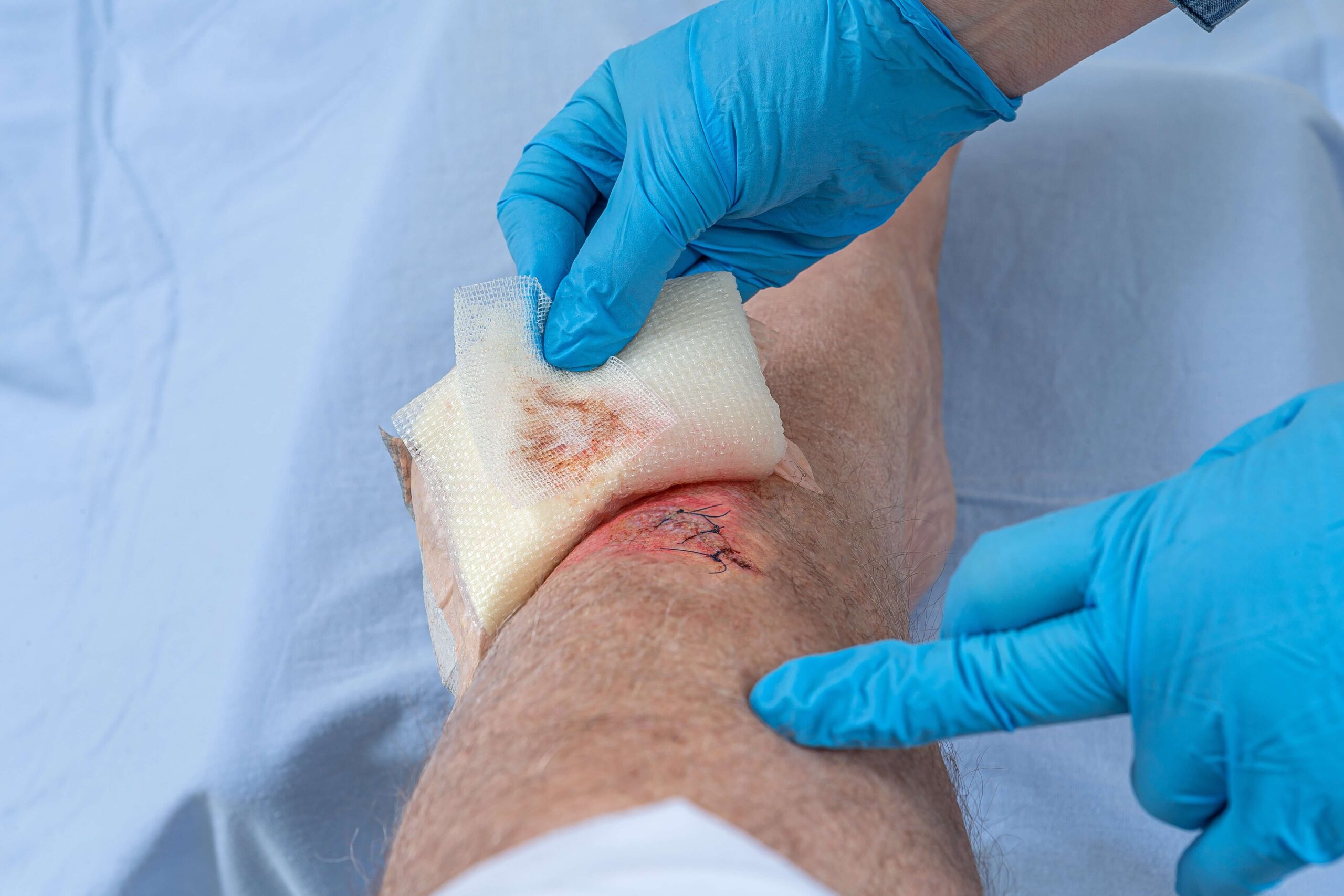
- Foam dressings: Absorb excess fluid while maintaining hydration
- Alginates: Suitable for wounds with moderate to heavy drainage
- Hydrocolloids: Provide a sealed, moist environment for optimal healing
Clean the Wound Properly
- Use saline solution or a gentle cleanser to remove debris
- Avoid harsh chemicals that can damage healthy tissue
Apply and Change Dressings Carefully
- Ensure the wound is fully covered
- Follow recommended timelines for dressing changes
- Monitor for signs of infection, such as redness or unusual discharge
Working with a wound care specialist team can make a significant difference, especially for chronic or complex wounds. Professional guidance ensures the right balance of moisture is maintained without causing complications.
When Moist Healing May Not Be Ideal
Although moist wound healing is highly effective, there are situations where adjustments may be necessary:
- Wounds with excessive drainage that require more frequent monitoring
- Certain surgical wounds where visibility is critical
- Cases involving infection that need specialized management
In these scenarios, a tailored approach can make a difference. Experienced holistic wound care can evaluate the wound, providing the most appropriate treatment plan based on individual needs.
Advanced Care Options
For patients who may have difficulty visiting a clinic regularly, mobile wound care services provide a convenient alternative. These services bring professional treatment directly to the patient, ensuring consistent care without disrupting daily life.
Combining accessibility with expertise, mobile care solutions help maintain proper healing conditions, reduce complications, and improve long-term outcomes.
Whether dealing with a minor cut or a chronic condition, choosing the right method can significantly impact results. Moisture-controlled care is a proven strategy for better healing.
Moist Wound Healing FAQs
What is moist wound healing?
Moist wound healing is a treatment approach that keeps a wound in a controlled, hydrated environment using specialized dressings. This method supports faster tissue repair, reduces discomfort, and helps improve overall healing outcomes.
Is moist wound healing better than letting a wound dry out?
Yes, in most cases. Moist wound healing allows cells to move more efficiently across the wound surface, which speeds up recovery and reduces scarring compared to dry healing methods that can form scabs and slow the process.
What types of dressings are used for moist wound healing?
Common options include hydrogels, foam dressings, alginates, and hydrocolloids. Each type is designed to maintain the right level of moisture while protecting the wound from infection and managing drainage.
