
Winter presents a unique set of challenges for skin integrity and wound healing, particularly for older adults and individuals managing chronic conditions. Through innovative wound care, we address both prevention and treatment, combining mobile wound care services with regionally located clinics to meet patients where they are while maintaining consistent clinical standards.
At West Coast Wound & Skin Care, we’ve seen firsthand how colder temperatures, reduced humidity, and seasonal habits can turn minor skin issues into serious medical concerns.
Why Winter Poses Greater Risks for Wounds
Cold weather affects the body in ways that are not always obvious. Reduced circulation, dry indoor air, and layered clothing can all contribute to skin breakdown. Research consistently shows that compromised blood flow and dehydration of the skin significantly slow healing processes, increasing the risk of infection and chronic wounds during winter months.
These seasonal factors require proactive care strategies that go beyond basic skin moisturization. Our services are designed to anticipate winter-related risks and intervene early, whether care is delivered at home or within one of our clinics.
The Winter Skin Failure Phenomenon
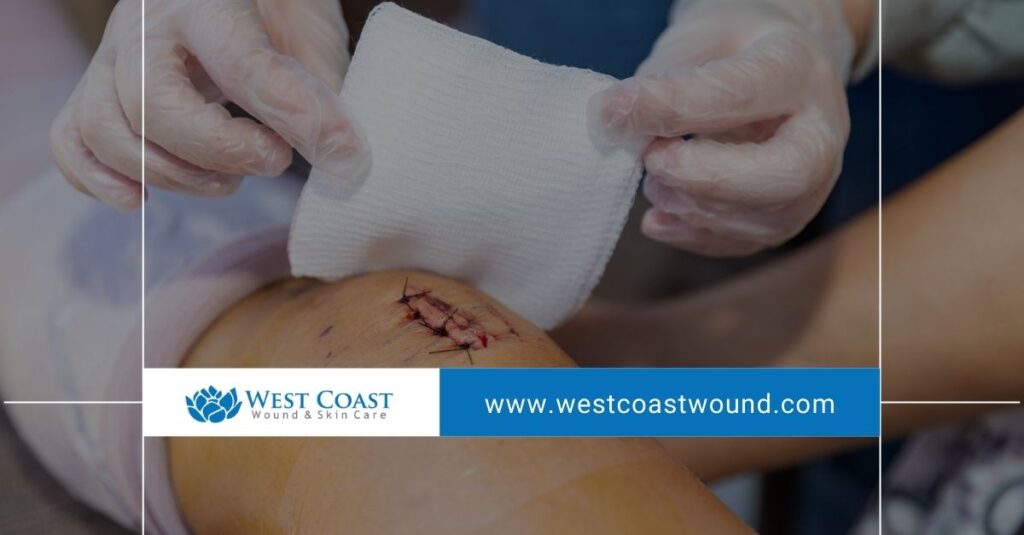
Winter skin failure is increasingly recognized as a seasonal clinical pattern rather than a cosmetic issue. Cold air triggers vasoconstriction, narrowing blood vessels and limiting oxygen delivery to the skin and underlying tissue. When wounds receive less oxygen, healing slows and infection risk increases.
To learn more about the dangers of winter, you can read this link from the American Heart Association.
This process is particularly dangerous for individuals with diabetes, vascular disease, or reduced mobility. Even intact skin can become fragile, setting the stage for deeper injuries.
Fissure Wounds and Skin Cracks as Infection Entry Points
Fissures Are More Than Dry Skin
Low humidity and constant exposure to indoor heating disrupt the skin’s lipid barrier. For many patients, especially seniors, this leads to fissures on heels, fingertips, and joints. These deep cracks extend beyond the surface layer of skin, creating direct access points for bacteria.
Clinical research now recognizes these fissures as contributors to cellulitis and staphylococcal infections, not simply discomfort. Addressing them early is a key component of innovative wound care during winter.
How We Treat Winter Fissures
Our wound care specialist team focuses on closing fissures quickly while protecting surrounding skin. Treatment may include:
- Precise bedside debridement to remove hardened callused edges that prevent closure
- Medical-grade antimicrobial hydrogels that hydrate tissue while reducing bacterial load
- Silicone-based barrier dressings that shield the area from friction caused by socks, shoes, and gloves
This approach supports healing while reducing the chance of recurrent cracking.
Hidden Thermal Burns from Common Heating Devices
How Being Comfortable in Winter Can Lead to Injury
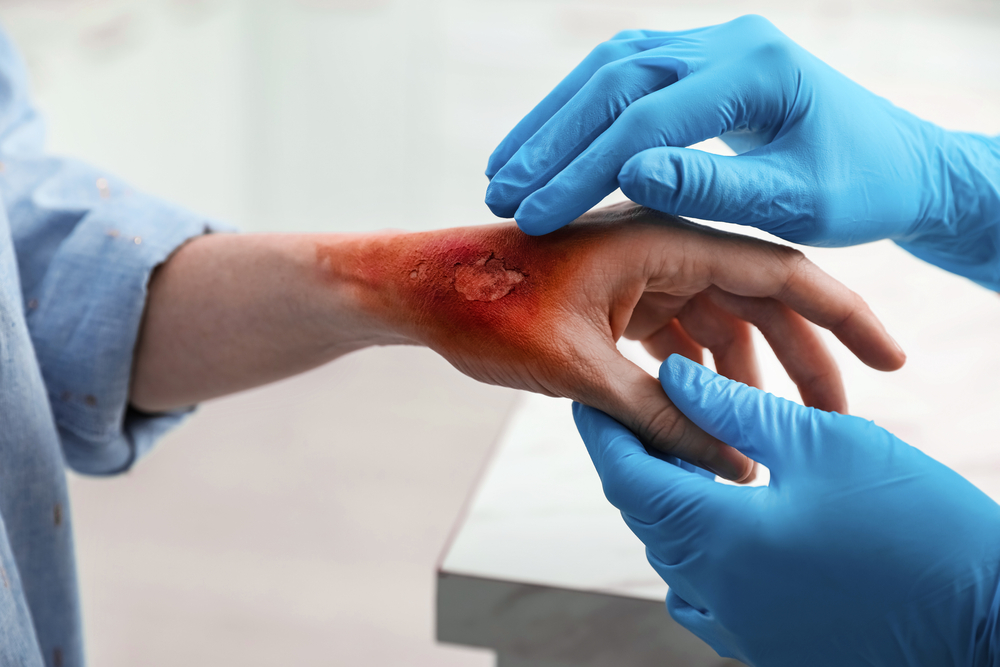
During colder months, heating pads, electric blankets, and hot water bottles become everyday tools. However, patients with neuropathy or reduced sensation may not perceive excessive heat exposure. Prolonged contact can result in full-thickness burns that go unnoticed until blistering or skin breakdown appears.
These injuries are particularly common in winter and often more severe than patients realize at first glance.
Advanced Treatment for Winter Burns
We address thermal burns using advanced, non-invasive methods that promote healing without causing additional trauma:
- Low-frequency ultrasound delivered through saline mist to stimulate tissue repair without direct contact
- Cellular and tissue-based products that support regeneration when deeper skin layers have been damaged
By integrating these methods into our innovative wound care protocols, we help patients recover while minimizing pain and disruption to daily life.
Slips, Falls, and Winter-Related Skin Tears
Why Minor Falls Cause Major Wounds
Even in regions with relatively mild winters, early-morning frost and damp walkways increase fall risk. In patients with fragile, thinning skin, a simple slip can result in a significant skin tear. These injuries are time-sensitive and require careful handling within the first day to preserve the skin flap.
Gentle Management for Fragile Skin
Our approach prioritizes tissue preservation and comfort:
- Use of soft silicone foam dressings that protect the skin flap without adhesive trauma
- Careful cleansing and repositioning of viable skin
- Nutritional screening to identify protein or vitamin deficiencies that impair collagen repair
This method reflects our commitment to holistic wound care that supports healing from both a clinical and systemic perspective.
Circulatory Challenges and Winter Ulcers
Cold Weather and Reduced Blood Flow
Cold temperatures intensify vasoconstriction, which can be dangerous for individuals with peripheral vascular disease. Reduced circulation means fewer immune cells and less oxygen reach the wound site, increasing the likelihood that small injuries progress into ischemic or venous ulcers.
Winter inactivity further compounds this issue by slowing venous return in the lower extremities.
Targeted Therapies for Circulation-Related Wounds
Our services address circulation-related wounds through coordinated care strategies, including:
- Compression therapy such as Unna boots or multi-layer wraps to improve venous return
- Ongoing monitoring through clinic visits or mobile wound care services
- Coordination with vascular specialists when circulation support is needed to sustain healing
These strategies allow innovative wound care to remain effective even in complex cases influenced by seasonal factors.
Coordinating Care Across Home and Clinic Settings
Winter conditions can make travel difficult, particularly for patients with mobility limitations. Our care model integrates mobile wound care services with in-clinic visits to ensure continuity regardless of weather or transportation challenges.
Our advanced wound care centers provide access to specialized treatments when needed, while home-based care supports consistent monitoring and early intervention. This flexibility reduces missed appointments and helps maintain treatment momentum throughout the winter.
Supporting Skin Health Alongside Wound Treatment
Skin health plays a critical role in preventing winter injuries. In appropriate cases, dermatology care is integrated into treatment planning to address conditions such as dermatitis or chronic dryness that increase vulnerability to wounds.
By supporting the surrounding skin, we reduce recurrence risk and strengthen overall outcomes for patients receiving innovative wound care.
Prevention Strategies for Winter Wound Risks
While treatment is essential, prevention remains a central focus of our winter care approach. We work with patients to reduce seasonal risks through education and early intervention, emphasizing consistent skin inspection and timely reporting of changes.
Preventive guidance may include:
- Managing the indoor atmosphere to protect skin integrity
- Avoiding prolonged heat exposure from warming devices
- Wearing properly fitted footwear to reduce friction and falls
These measures complement our clinical services and help patients maintain healthier skin throughout the colder months.
How Innovative Wound Care Supports Safer Winters
Seasonal changes demand adaptive clinical strategies. By addressing circulation, skin integrity, mobility, and environmental factors together, innovative wound care allows winter injuries to be treated effectively while reducing long-term complications.
Through coordinated mobile and clinic-based services, our care model remains responsive, evidence-informed, and focused on keeping patients safe and healing during some of the most challenging months of the year.