
For many, gardening is a peaceful and rewarding activity. However, even a small cut from a thorn or a minor scrape while digging can quickly turn serious. That’s especially true for individuals with diabetes, compromised immune systems, or poor circulation. What may seem like a harmless injury can escalate rapidly without proper care, making managing soil-borne infections a critical part of spring safety.
At West Coast Wound & Skin Care, we see firsthand how quickly minor wounds can become complex. Our approach combines advanced treatment with convenience, offering both in-clinic care and mobile wound care services that bring expert attention directly to you.
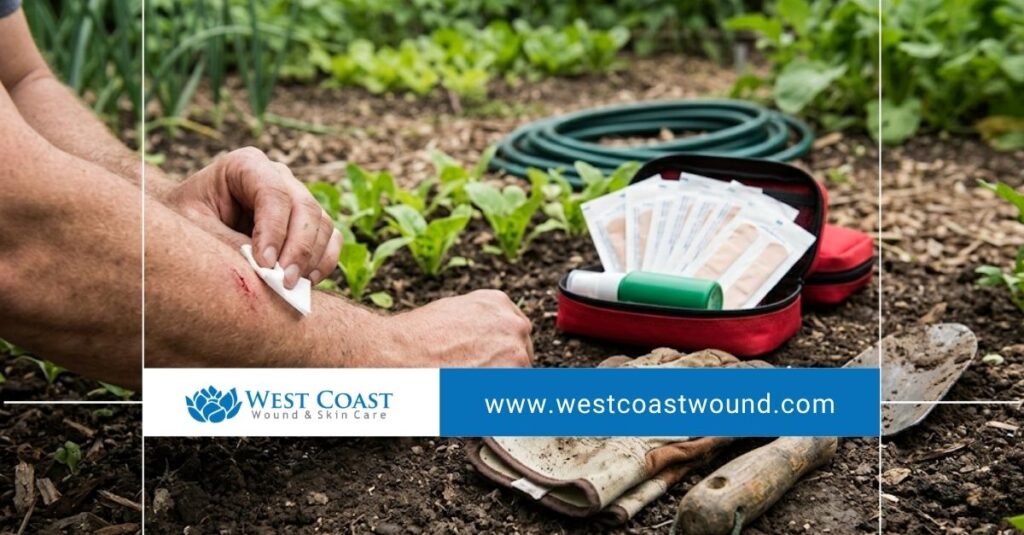
Why Spring Gardening is a Risk for Seniors
Gardening is often recommended as a low-impact activity that supports mental and physical well-being. However, it also introduces risks that are easy to overlook. Soil contains a wide range of microorganisms, including bacteria and fungi that can enter the body through even the smallest break in the skin.
For seniors and individuals with chronic conditions, these risks are amplified due to:
- Reduced circulation, particularly in the hands and feet
- Slower healing processes
- Increased likelihood of unnoticed injuries
- Higher susceptibility to infection
One notable condition associated with gardening is sporotrichosis, often called “rose gardener’s disease.” This fungal infection can enter through tiny cuts and lead to nodules or ulcers that spread along the lymphatic system if untreated.
Other bacteria commonly found in soil can cause cellulitis or deeper tissue infections. This is why managing soil-borne infections is not just a precaution—it’s a necessity for those at higher risk.
How Minor Injuries Can Escalate Quickly
A small scratch may not cause immediate concern, but within 24 to 48 hours, symptoms can intensify. Redness, swelling, and warmth around the wound can indicate infection, and without prompt care, complications can develop.
Our team of specialists frequently treats patients who initially dismissed a minor gardening injury, only to find themselves facing a more serious condition days later. Early intervention makes all the difference.
Common Symptoms of an Infected Garden Scratch
Recognizing early symptoms is essential for preventing complications. While some redness and tenderness are normal, certain signs indicate that a wound may be infected:
- Increasing pain or tenderness
- Swelling that worsens instead of improving
- Red streaks extending from the wound
- Pus or unusual discharge
- Fever or chills
- Skin that feels warm or hot to the touch
These symptoms may suggest bacterial or fungal involvement, reinforcing the need for managing soil-borne infections before they progress.
When Symptoms Signal Something More Serious
In some cases, infections can spread beyond the initial wound site. Individuals with diabetes or vascular conditions are particularly vulnerable to complications such as:
- Chronic wounds that fail to heal
- Tissue damage requiring advanced care
- Increased risk of hospitalization
Prompt attention helps prevent these outcomes. Our wound care centers are equipped to evaluate and treat infections at every stage, ensuring that patients receive the appropriate level of care.
Gardener’s First Aid Checklist: Immediate Steps
Taking the right steps immediately after an injury can significantly reduce the risk of infection. Whether you’re working in a backyard garden or tending to potted plants, having a simple first aid plan is essential.
Here’s a practical checklist:
- Rinse the wound thoroughly with clean water to remove dirt and debris
- Gently clean the area with mild soap
- Apply an antibiotic ointment to reduce bacterial growth
- Cover the wound with a sterile bandage
- Change the dressing daily or when it becomes wet or dirty
These steps play a vital role in chronic wound prevention, especially for individuals with underlying health concerns.
When Home Care Isn’t Enough
Even with proper first aid, some wounds require professional attention. If a scratch or cut does not show signs of improvement within a couple of days—or if symptoms worsen—it’s time to seek expert care.
Delaying treatment can lead to more complex issues, making managing soil-borne infections significantly more challenging.
When to Call For Mobile Wound Care
One of the biggest barriers to timely care is the inconvenience of traveling to a clinic, particularly when mobility is limited or pain is present. That’s where our mobile wound care services make a difference.
We bring advanced care directly to your home, offering:
- Comprehensive wound assessments
- On-site treatment and dressing changes
- Infection management strategies
- Ongoing monitoring and follow-up care
A gardener dealing with a potential infection shouldn’t have to drive or sit in a waiting room where exposure to additional germs is a concern. Our mobile services provide a safer, more comfortable alternative.
Preventing the Worst With Early Intervention
By addressing issues early, we help patients avoid unnecessary emergency room visits. Many infections can be managed effectively at home when treated promptly by experienced professionals.
Our approach to managing soil-borne infections focuses on early detection, targeted treatment, and consistent follow-up, all designed to support faster healing and better outcomes.
The Role of Advanced Care in Healing
Wound healing is not just about treating the surface—it requires attention to the skin’s overall condition. Our services include dermatology care to address underlying issues that may affect healing, such as skin integrity and inflammation.
This integrated approach allows us to:
- Identify contributing factors that delay healing
- Tailor treatments to individual patient needs
- Reduce the risk of recurring infections
By combining dermatology care with advanced wound management, we provide a more complete solution for patients dealing with gardening-related injuries.
Holistic Wound Care for Long-Term Results
Our philosophy centers on holistic wound care, which considers the whole patient rather than just the wound itself. Factors such as nutrition, circulation, and overall health play a significant role in recovery.
Through this approach, we aim to:
- Promote faster healing
- Minimize complications
- Support long-term skin health
Managing soil-borne infections effectively requires more than a single treatment—it requires a comprehensive plan that addresses every aspect of healing.
Staying Safe While Enjoying Spring Gardening: Practical Tips
Gardening doesn’t have to be risky. With the right precautions, you can enjoy the season while protecting your health.
Consider these safety tips:
- Wear gloves to minimize direct contact with soil
- Use long sleeves and protective clothing
- Inspect your skin for cuts or abrasions before and after gardening
- Clean tools regularly to reduce contamination
- Avoid gardening with open wounds
These simple measures can go a long way in managing soil-borne infections and preventing injuries from becoming serious.

Knowing When to Seek Help
Trust your instincts. If something doesn’t look or feel right, it’s better to seek professional care sooner rather than later. Early evaluation can prevent minor issues from turning into complex conditions.
Our wound care centers and mobile services are designed to provide accessible, high-quality care when you need it most.
Managing Soil-Borne Infections with Professional Support
Managing soil-borne infections requires a proactive approach. At West Coast Wound & Skin Care, we provide both in-clinic and mobile services to ensure that patients receive timely, effective care.
Our team of specialists is experienced in treating a wide range of wounds, from minor abrasions to more advanced conditions. By combining expertise with convenience, we make it easier for patients to access the care they need.
Spring gardening should be a source of joy, not stress. With the right precautions and access to professional care, you can continue doing what you love while protecting your health.
