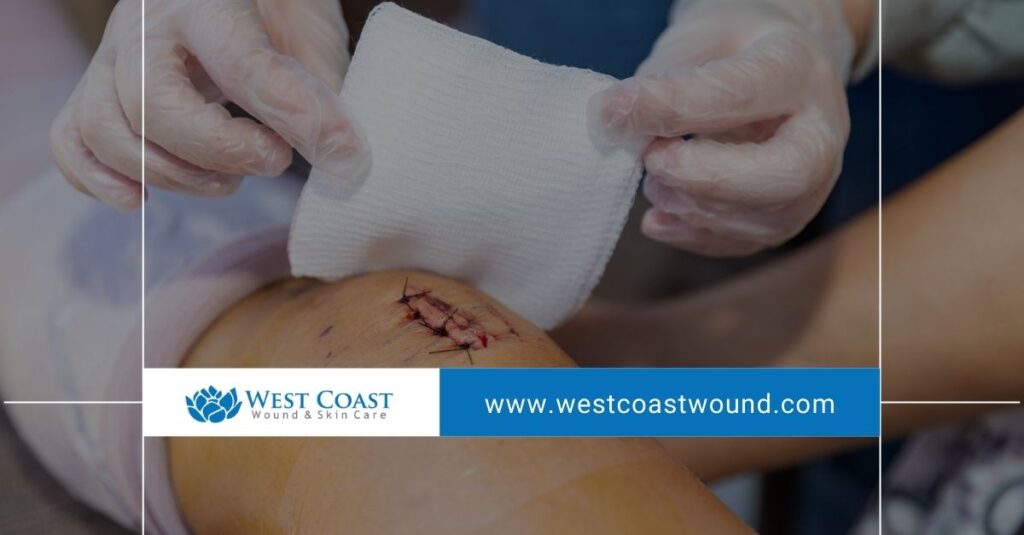
Chronic wounds can affect so much more than the body. One of the most distressing symptoms patients report is wound odor, medically known as “malodor.” If a wound has begun to smell, leak, or worsen, our wound care in Houston and other locations is here to help.
By combining clinical expertise, modern dressings, and coordinated care, we help patients restore healthy tissue and reduce not just the odor, but also the complications that often accompany chronic wounds.
What Wound Malodor Really Means
Odor Is a Clinical Symptom, Not a Hygiene Issue
Malodor often leads patients to worry that they are doing something wrong with their hygiene. In reality, wound odor is typically a biological signal rather than a cleanliness issue. Studies show odor can have a negative effect on quality of life.
When a wound develops, bacteria begin interacting with damaged tissue. Certain bacteria—especially anaerobic organisms—produce chemicals during their metabolic processes. These chemicals create the strong odors patients notice.
In many cases, odor also develops when necrotic tissue accumulates. Necrotic tissue is dead or damaged material within the wound that the body cannot remove on its own. Bacteria thrive on this tissue, producing compounds that create unpleasant smells.
Malodor often signals a deeper medical issue. When odor develops, it can indicate infection, biofilm formation, or tissue breakdown that requires professional treatment.
Houston’s Climate and Wound Bacteria
Environmental conditions also influence wound health. Houston’s warm and humid climate can accelerate bacterial growth in moisture-heavy wounds.
Common bacteria that contribute to wound odor include:
- Pseudomonas species, which can produce a sweet or fruity odor
- Anaerobic bacteria that release sulfur-containing compounds
- Mixed bacterial colonies forming biofilms on the wound surface
Biofilms are particularly problematic because they protect bacteria from standard topical treatments. Over-the-counter ointments often fail to penetrate these layers, allowing infection to continue beneath the surface.
At our advanced wound care centers, we evaluate wounds carefully to identify these underlying factors and begin targeted treatment before complications escalate.
Warning Signs That a Wound Needs Medical Attention
Odor as a Red Flag
While not every wound with odor indicates severe infection, persistent smell often signals that the wound environment has become unbalanced.
Signs that professional care may be necessary include:
- A persistent or worsening odor
- Increased drainage or fluid leakage
- Thick or discolored wound exudate
- Redness or warmth around the wound edges
- Pain that increases instead of improving
Patients often report noticing odor first, followed by drainage or skin irritation. These symptoms frequently occur together because bacteria and necrotic tissue stimulate inflammation.
Early intervention from our Houston wound care providers can help prevent these wounds from progressing into deeper infections or chronic ulcers.
The Role of Professional Evaluation
At West Coast Wound & Skin Care, our wound care specialist team evaluates several factors when a patient presents with malodor:
- Depth and size of the wound
- Tissue viability
- Circulation and oxygen delivery
- Signs of infection or biofilm
This evaluation helps determine the most effective treatment plan. Treating odor alone is never the goal. Instead, we focus on removing the conditions that allow odor-producing bacteria to thrive.
Treatments That Eliminate the Source of Odor
Malodor usually improves quickly once the wound environment is properly managed. Our approach combines several advanced therapies to remove bacteria, reduce tissue breakdown, and promote healing.
Debridement to Remove Necrotic Tissue
Debridement is often the most effective step in eliminating wound odor. When necrotic tissue is removed, bacteria lose the material they rely on for growth.
Our providers may perform:
- Enzymatic debridement using specialized medications that dissolve dead tissue
- Sharp debridement performed by trained clinicians to remove damaged tissue safely
These procedures can often be performed at the bedside during home visits or in our clinical Houston wound care settings.
Charcoal Dressings That Absorb Odor Molecules
Activated charcoal dressings are designed to capture odor molecules before they escape the wound environment. These dressings contain carbon materials with microscopic pores that trap gases responsible for unpleasant smells.
Benefits include:
- Reduced odor between dressing changes
- Improved comfort for patients and caregivers
- Support for a healthier wound environment
While charcoal dressings control odor effectively, they are typically combined with additional therapies to treat the underlying infection.
Silver Dressings That Target Bacteria
Silver-impregnated dressings are widely used in wound care because of their antimicrobial properties. Silver ions disrupt bacterial cell structures, preventing bacteria from multiplying.
These dressings may help:
- Reduce bacterial load within the wound
- Limit the growth of odor-producing microorganisms
- Support faster healing of infected wounds
Topical Medications for Anaerobic Bacteria
Certain wounds require prescription treatments that specifically target anaerobic bacteria. One example is topical metronidazole, a medication frequently used to treat malodorous wounds.
This treatment works by disrupting bacterial DNA within anaerobic organisms, reducing their ability to reproduce. As bacterial populations decrease, odor typically improves.
Our Houston wound care providers can determine whether topical medications are appropriate based on the wound’s characteristics and clinical findings.
Addressing More Than Just Odor
Malodor rarely occurs alone. Chronic wounds often involve several related issues that must be treated simultaneously to achieve long-term healing.
Managing Heavy Drainage
Many malodorous wounds produce significant exudate, or fluid leakage. Excess fluid can damage the surrounding skin, leading to maceration. Macerated skin becomes soft, fragile, and vulnerable to breakdown.
To control this problem, our Houston wound care providers often use advanced foam dressings designed to absorb large amounts of fluid while protecting surrounding tissue.
Effective exudate management helps:
- Protect healthy skin around the wound
- Maintain balanced moisture levels
- Support tissue regeneration
Pain Reduction and Mobility Support
Pain is another factor that affects wound healing. Patients may avoid walking, exercising, or moving normally because of discomfort.
Reduced movement can slow circulation and delay healing. Our providers address pain while coordinating care that supports safe mobility whenever possible.
This collaborative approach is part of our commitment to holistic wound care, focusing on the entire patient rather than just the wound itself.
Nutrition and Tissue Repair
Proper nutrition plays a critical role in wound healing. Protein, vitamins, and minerals help the body build new tissue and maintain immune defenses.
Some patients who consume adequate calories may still experience malnutrition if their diets lack essential nutrients.
We often coordinate with nutrition professionals to ensure patients receive guidance on foods that support healing.
When nutrition improves, the body becomes better equipped to repair damaged tissue.
Dermatology Support When Skin Conditions Contribute
Certain wounds develop alongside skin disorders such as dermatitis or severe dryness. In these situations, dermatology care may be integrated into the treatment plan to stabilize the surrounding skin and prevent further breakdown.
By addressing both skin health and wound healing, we help patients achieve more consistent recovery outcomes.
The Privacy and Convenience of Mobile Care
Treatment Without Waiting Room Stress
Many patients with malodorous wounds feel uncomfortable visiting crowded clinics. Fear of embarrassment can delay treatment and allow wounds to worsen.
Mobile wound care services eliminate this barrier by bringing professional care directly to the patient’s residence.
This model allows individuals to receive hospital-level care while remaining in familiar surroundings.
Care for Patients in Multiple Living Environments
Our Houston wound care providers deliver treatment in several settings, including:
- Private homes
- Assisted living communities
- Skilled nursing facilities
Receiving treatment in these environments allows patients to maintain privacy while still benefiting from professional wound management.
Wound Care in Houston for Long-Term Healing Through
Malodor can be one of the most alarming symptoms of a chronic wound, but it is rarely the true problem. Instead, it signals bacterial activity, tissue damage, or infection that requires professional attention. Through pro wound care in Houston and beyond, we focus on eliminating the factors that allow odor to develop in the first place.
Our care model combines targeted treatments, advanced dressings, coordinated care, and mobile services designed to meet patients where they are. By addressing infection, managing drainage, improving nutrition, and protecting surrounding skin, we help restore healthier tissue and reduce the likelihood of complications.
Through early intervention and personalized care, patients can move beyond the discomfort and anxiety associated with wound odor and focus on recovery, mobility, and long-term skin health.