
When federal healthcare policy shifts suddenly, the impact can ripple through clinics, care providers, patients, and families alike. Recently, the Centers for Medicare & Medicaid Services (CMS) stepped in to halt a set of coverage changes that had been months in the making. For providers and patients who rely on wound care, the decision created a mix of relief as well as questions about what’s next.
What Happened
On December 24, 2025, CMS announced that Medicare Administrative Contractors would withdraw the Final Local Coverage Determinations tied to skin substitute grafts and cellular- and tissue-based products. These policies were set to take effect on January 1, 2026, yet they were pulled before implementation. CMS outlined the decision in an official fact sheet, which can be reviewed directly on the CMS website.
For patients with complex or chronic wounds, this move preserved access to certain therapies that are often critical to healing.
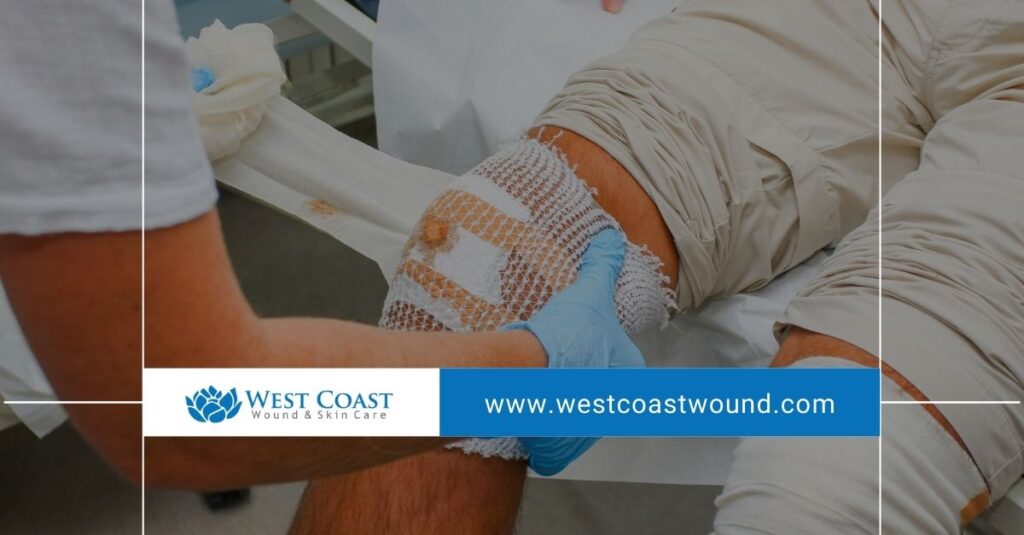
CMS Withdraws Skin Graft LCDs Before Launch
The Final LCDs in question would have significantly altered coverage criteria for skin substitute grafts and related products under Medicare Part B. By withdrawing them before January 1, CMS prevented immediate changes that could have restricted or delayed care.
What the Original LCDs Would Have Changed
Had the LCDs taken effect, providers would have faced new documentation thresholds and narrower indications for certain treatments. While oversight and evidence-based criteria are essential, abrupt changes can disrupt established care plans.
Potential impacts would have included:
- More administrative hurdles for clinicians
- Delays in initiating advanced therapies
- Increased uncertainty for patients already in treatment
The withdrawal created a pause rather than a permanent resolution, but it avoided sudden disruption as the new year began.
Why CMS Stepped In
CMS stated that it would continue reviewing the policies and stakeholder feedback before moving forward. This potentially signals recognition of the complexity involved in caring for patients with non-healing or high-risk wounds.
National medical associations, clinicians, and patient advocates had raised concerns about access, consistency across regions, and unintended consequences.
A Temporary Reprieve, Not the End of the Conversation
It is important to note that the withdrawal does not mean the topic is closed. CMS may revisit revised LCDs in the future. For now, however, existing coverage frameworks remain in place, allowing providers to continue offering therapies that align with current standards of care.
For our team, this reinforces the need to stay proactive rather than reactive, keeping our patients informed while monitoring regulatory developments closely.
How This Decision Affects Patients and Families
The withdrawal of the LCDs means that patients already receiving certain skin substitute therapies do not face abrupt changes at the start of 2026. Continuity matters, especially when healing depends on a sequence of treatments rather than a single intervention.
Patients and caregivers benefit from:
- Fewer unexpected changes
- Reduced stress related to insurance coverage
- More time to plan if future updates occur
This stability supports both physical healing and emotional well-being.
Navigating Coverage Changes With Our Clients
At West Coast Wound & Skin Care, we help our clients navigate the healthcare landscape as part of our commitment to comprehensive care. Regulatory shifts are not just policy issues; they affect scheduling, documentation, and coordination across care settings.
How We Support You Through Uncertainty
Our approach centers on clear communication and adaptability. When coverage rules evolve, we work within current guidelines while preparing for possible updates.
Our support includes:
- Staying informed on CMS announcements and guidance
- Aligning treatment plans with existing coverage criteria
- Coordinating care across mobile visits and clinic-based services
Our wound care specialist team collaborates closely with referring providers and caregivers to reduce confusion and maintain momentum toward healing.
The Role of Advanced Therapies in Healing
Skin substitutes and related products are often used when standard treatments alone are not sufficient. They can help stimulate tissue regeneration, protect the wound environment, and promote closure when healing has stalled.
Balancing Evidence, Access, and Individual Needs
Each wound is different, and treatment decisions should reflect that reality. The recent CMS action underscores the need for policies that balance clinical evidence with real-world patient needs.
In our advanced wound care centers, we evaluate each case individually, considering factors such as wound type, patient health status, and response to prior treatments. This measured approach supports effective care while respecting payer requirements.
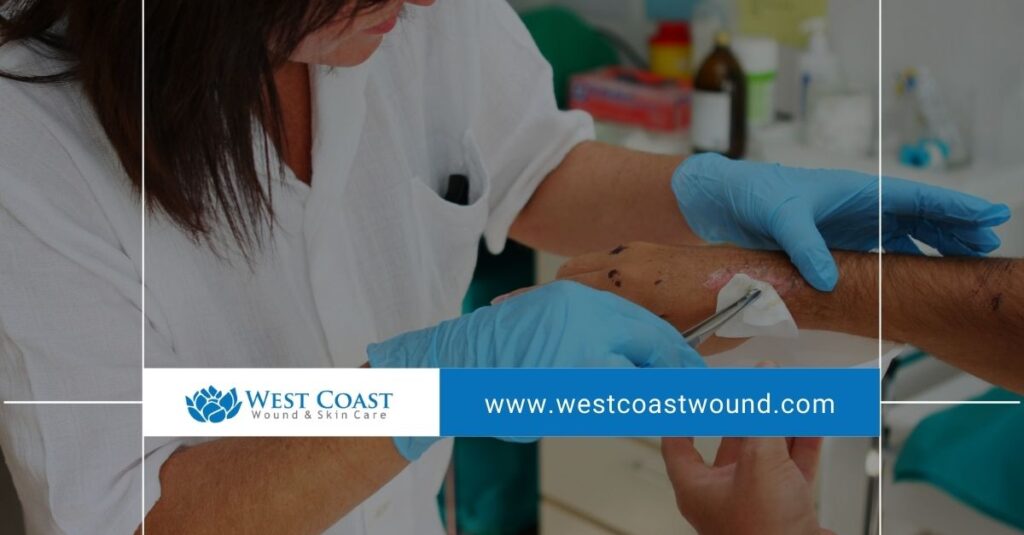
Mobile and Clinic-Based Care Working Together
One of the strengths of our services is flexibility. We offer mobile wound care services for patients who cannot easily travel, alongside clinic locations in specific regions for those who benefit from in-person visits.
Meeting Patients Where They Are
By combining mobile and clinic-based models, we reduce barriers to care and help ensure consistency, regardless of setting.
Benefits of this approach include:
- Reduced travel burden for patients with mobility challenges
- Ongoing monitoring in familiar environments
- Access to clinic resources when needed
This integrated model remains especially valuable as coverage discussions continue at the national level.
Guidance for Those Living With Wounds
For individuals managing chronic or complex wounds, policy news can add another layer of stress. While CMS reviews next steps, there are practical actions patients and families can take.
Steps Patients and Loved Ones Can Take Now
You can’t control everything. But, there are actions you can take. For example, staying engaged and informed can make a meaningful difference. Beyond that, we encourage patients to:
- Keep scheduled appointments and follow care plans
- Ask questions about coverage or treatment options
- Share any changes in symptoms promptly
Family members and caregivers play a key role by helping with daily care, transportation when needed, and communication with care teams.
Integrated Services That Support Healing
Our services extend beyond direct wound treatment. We recognize that skin health, circulation, nutrition, and overall wellness all influence healing outcomes.
Coordinated Care Across Disciplines
Within our scope of services, we incorporate dermatology care when skin conditions affect healing and support holistic wound care strategies that address the whole person rather than just the wound.
This integrated perspective allows us to adapt as policies evolve while staying focused on patient-centered outcomes.
Staying Ahead of Policy Changes
The CMS withdrawal highlights how quickly the regulatory environment can change. For providers, patients, and families, preparation and communication are essential.
Our Ongoing Commitment
We continue to monitor CMS updates and trusted clinical guidance so we can respond promptly if revised LCDs emerge. By doing so, we aim to protect access, minimize disruption, and maintain high standards across all wound care services we provide.
The Path Forward for Wound Care Patients
As CMS evaluates its next steps, the current pause offers breathing room for everyone involved. It allows providers to keep delivering evidence-based treatments and gives patients confidence that their care plans remain intact for now.
For those in need of wound care, this moment reinforces the value of partnering with a care team that stays informed, adaptable, and focused on long-term healing. Our role is to guide you through both clinical and coverage complexities, ensuring that care decisions remain centered on your health and quality of life.
