
Tunneling wounds are a complex type of chronic wound characterized by narrow channels that extend from the surface deep into underlying tissue. These channels, sometimes referred to as sinus tracts, can make treatment more challenging and increase the risk of complications if not addressed properly.
They are commonly associated with pressure ulcers, diabetic foot ulcers, post-surgical wounds, and infections.
What Are Tunneling Wounds?
Tunneling wounds form when tissue beneath the skin breaks down, creating a pathway that extends away from the main wound. These tunnels may not always be visible at first glance, which makes careful assessment critical.
Unlike superficial wounds, tunneling wounds often involve deeper tissue layers, increasing the risk of infection and delayed recovery. Without proper care, the tunnel can expand, making healing more difficult over time.
Common Causes of Tunneling Wounds
Several underlying issues can lead to the development of tunneling wounds. These include:
- Infections
Bacterial or fungal infections can erode tissue, leading to the formation of deep channels within the wound. - Prolonged Pressure
Sustained pressure reduces blood flow to certain areas, especially in individuals with limited mobility. This can result in pressure ulcers that eventually develop tunneling. - Trauma or Surgical Complications
Deep cuts, improperly healed surgical incisions, or repeated injury to the same area can contribute to tunneling. - Chronic Medical Conditions
Conditions such as diabetes, vascular disease, and immune disorders impair circulation and slow the body’s natural repair processes. - Foreign Material in the Wound
Debris or contaminants trapped inside a wound may trigger inflammation and lead to tunnel formation.

Tunneling vs. Undermining Wounds
Although they may appear similar, tunneling and undermining wounds are distinct:
- Tunneling wounds involve narrow, channel-like passages that extend in one or more directions from the wound.
- Undermining wounds occur when tissue damage spreads beneath the skin surface, creating a pocket without a defined channel.
Recognizing the difference helps guide proper treatment and dressing techniques.
Risk Factors to Watch For
Certain factors increase the likelihood of developing tunneling wounds:
- Limited mobility or prolonged bed rest
- Diabetes or poor blood sugar control
- Obesity
- Advanced age
- Poor nutrition
- Untreated or recurrent infections
Patients with one or more of these risk factors benefit from early monitoring and preventive care.
Treatment Options for Tunneling Wounds
Effective care for tunneling wounds requires a comprehensive and structured approach. Treatment focuses on addressing both the visible wound and the hidden tunnel.
Components of treatment include:
- Thorough Wound Assessment
Measuring the depth, direction, and size of the tunnel is essential for creating an effective care plan. - Debridement
Removing dead or infected tissue encourages healthy tissue growth and reduces the risk of complications. - Infection Management
Antibiotics, antimicrobial dressings, and sterile techniques are used to control bacterial growth. - Pressure Offloading
Specialized cushions, mattresses, or repositioning techniques help relieve pressure and prevent further damage. - Moisture Balance
Maintaining a moist wound environment supports tissue repair and reduces healing time. - Wound Packing
Carefully placing appropriate materials داخل the tunnel prevents dead space and promotes healing from the inside out. - Advanced Therapies
In more severe cases, treatments such as negative pressure wound therapy (NPWT), skin grafts, or surgical intervention may be necessary. - Ongoing Monitoring
Regular evaluations ensure the treatment plan remains effective and adjustments are made as needed.
In some cases, mobile wound care services provide added convenience by delivering treatment directly to patients who may have difficulty traveling. This can improve consistency in care and reduce delays in treatment.
Supporting the Wound Healing Process
Promoting wound healing involves more than treating the wound itself. A broader approach that considers the patient’s overall health can significantly improve results.
This is where a holistic wound care approach becomes valuable. It may include:
- Nutritional support to promote tissue repair
- Blood sugar management for diabetic patients
- Hydration and circulation improvement
- Education on proper wound hygiene and care techniques
Healing Time and Expectations
The healing timeline for tunneling wounds varies widely depending on:
- The depth and length of the tunnel
- The presence of infection
- The patient’s overall health
- The effectiveness of the treatment plan
These wounds often take several weeks or even months to heal. Because of their complexity, they rarely resolve without professional care. Early intervention plays a major role in reducing recovery time and preventing complications.
The Importance of Specialized Care
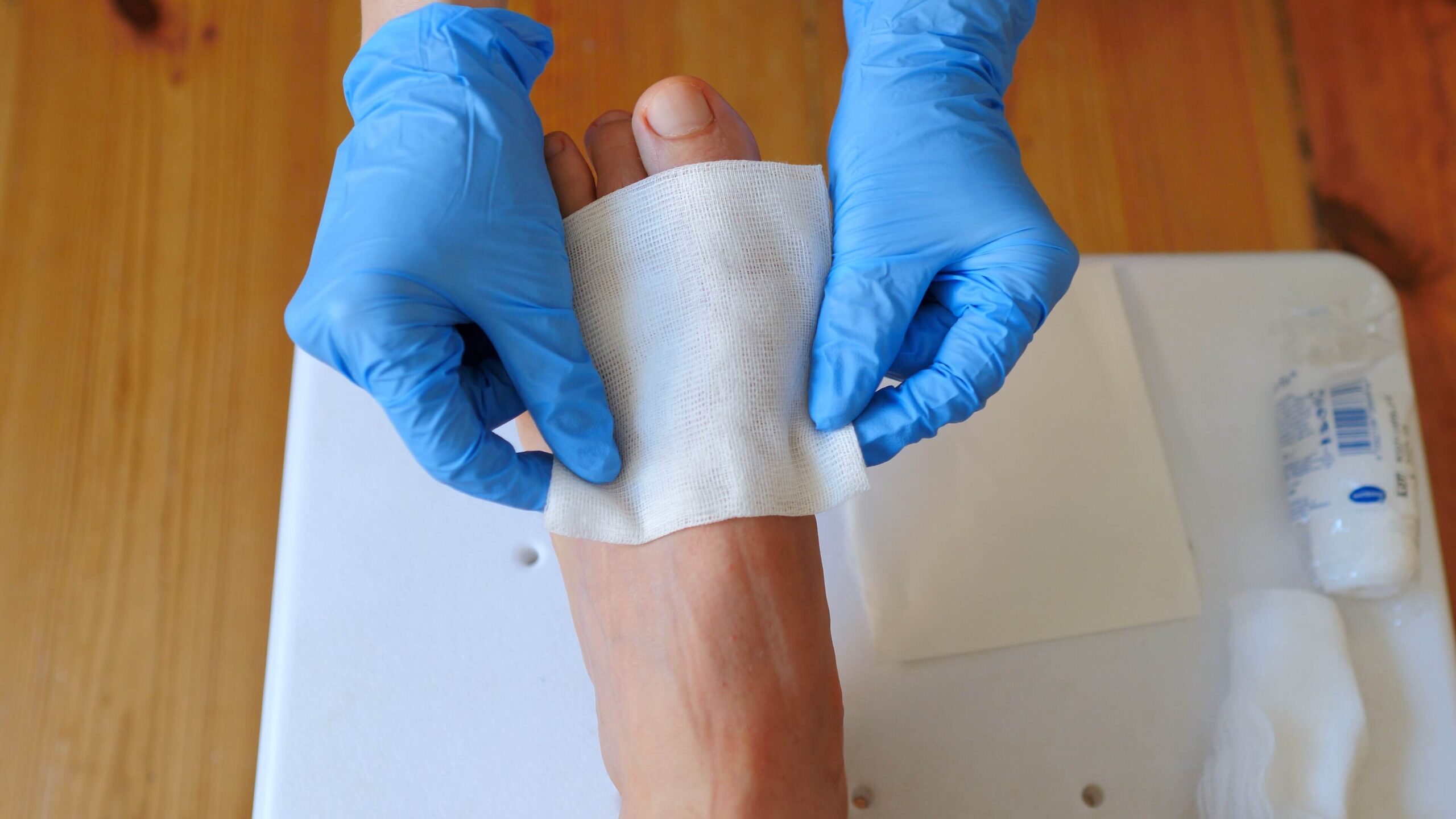
Managing tunneling wounds requires expertise, precision, and consistent follow-up. A wound care specialist team can develop a personalized plan that addresses both the underlying causes and the visible symptoms of the wound.
Professional care helps:
- Reduce the risk of infection
- Encourage proper tissue regeneration
- Minimize complications
- Improve overall healing outcomes
Patients and caregivers are also guided on how to recognize warning signs, such as increased drainage, odor, or pain, which may indicate worsening conditions.
When to Seek Medical Attention
It is important to seek care if a wound:
- Appears deeper than expected
- Shows signs of infection (redness, swelling, warmth)
- Produces unusual drainage
- Fails to improve over time
Prompt treatment can prevent the tunnel from expanding and improve the chances of a full recovery.
Tunneling wounds present unique challenges, but with the right combination of clinical care, patient education, and consistent monitoring, they can be effectively managed. Addressing both the surface wound and the underlying tunnel is important to achieving lasting results.
FAQs About Tunneling Wounds
What are tunneling wounds?
Tunneling wounds are chronic wounds that develop narrow channels extending from the surface into deeper tissue. These tunnels can make the wound harder to treat and often require careful assessment and specialized care.
What causes tunneling wounds to form?
They are commonly caused by infections, prolonged pressure, trauma, or underlying conditions like diabetes and vascular disease. In some cases, foreign material trapped in the wound can also lead to tunnel formation.
How are tunneling wounds different from undermining wounds?
Tunneling wounds form defined, narrow channels that extend in specific directions, while undermining wounds involve tissue damage beneath the skin without a clear tunnel structure.
How are tunneling wounds treated?
Treatment typically includes wound cleaning, debridement, infection control, and packing the tunnel to promote healing from the inside out. Advanced therapies may be used for more severe cases.
How long do tunneling wounds take to heal?
Healing time varies depending on the depth and severity of the wound, as well as the patient’s overall health. These wounds can take weeks or months to heal and usually require ongoing medical care.
