
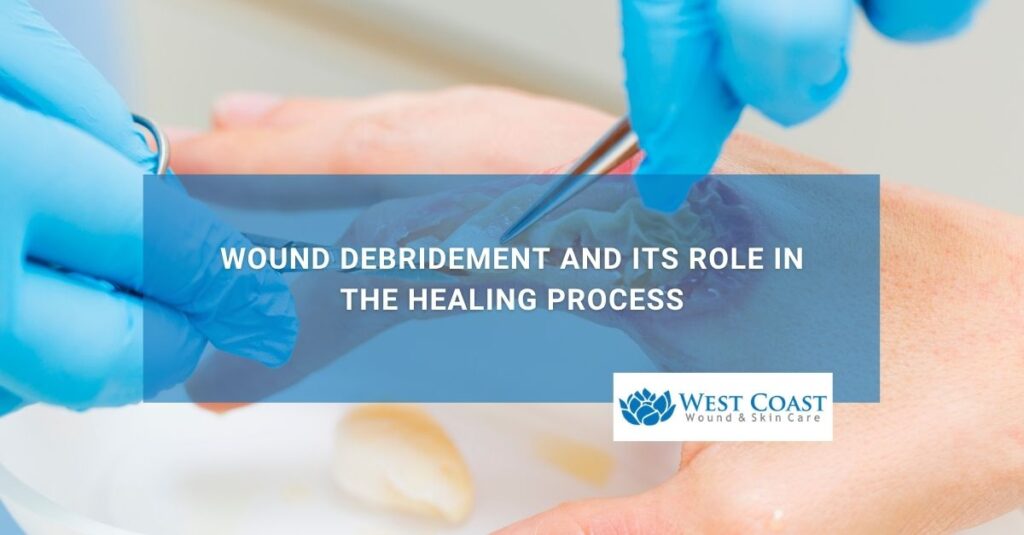
By clearing away non-viable tissue, wound debridement creates an environment where healthy tissue can grow more effectively. It also reduces bacteria and debris, lowering the risk of infection and helping clinicians better evaluate the wound’s condition.
Whether the wound stems from injury, surgery, or an underlying health issue, debridement is often one of the first and most important steps toward recovery.
What Is Wound Debridement?
Wound debridement, as explained by the NIH, is a critical medical procedure used to remove dead, damaged, or infected tissue from a wound. While the body can often handle minor injuries on its own, more serious or chronic wounds may stall in the healing process. When this happens, debridement becomes essential to restore progress and prevent complications.
Is wound debridement painful?
Some forms of wound debridement may cause discomfort, especially surgical or mechanical methods. However, healthcare providers often use local anesthesia or pain management techniques to keep patients as comfortable as possible.
How should you care for a wound after debridement?
After debridement, it’s important to keep the wound clean, change dressings regularly, avoid pressure on the area, and follow your provider’s instructions. Proper aftercare helps prevent infection and supports healing.
When Is Wound Debridement Necessary?
Not all wounds require intervention. In many acute cases, the body naturally removes dead tissue through a process called autolysis. However, certain wounds are more complex and need medical support to heal properly.
Wound debridement is commonly recommended for:
- Chronic wounds such as diabetic ulcers
- Pressure injuries (bedsores)
- Severe burns
- Infected wounds
- Non-healing surgical sites
A trained provider will examine the wound carefully, considering factors such as size, depth, infection, and overall patient health. If healing has slowed or stopped, debridement can help restart the process and prevent further deterioration.
Types of Wound Debridement
There are several methods of wound debridement, each chosen based on the wound’s characteristics and the patient’s needs.
- Surgical Debridement
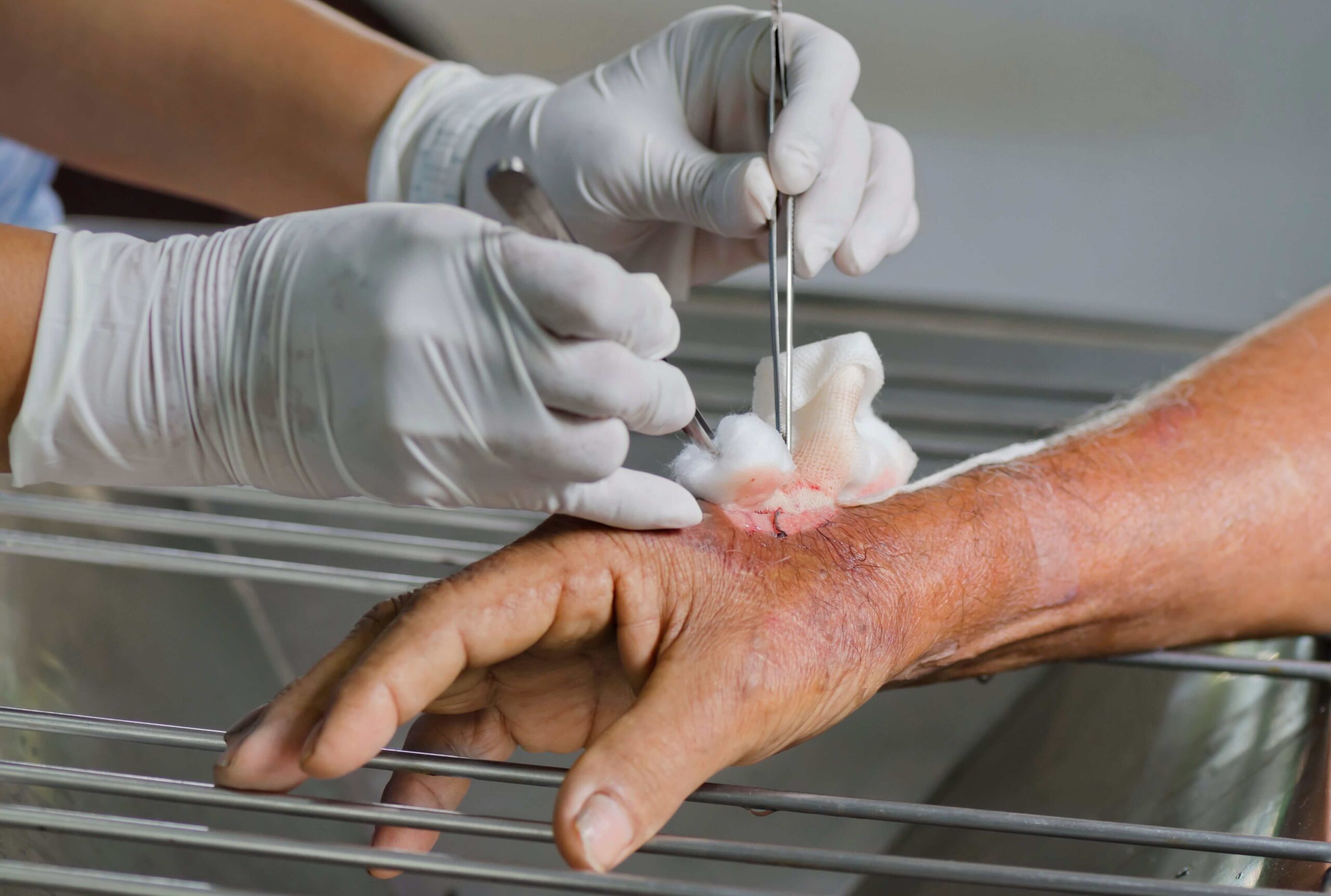
This is one of the fastest and most precise methods. A healthcare professional uses sterile instruments to remove dead tissue while preserving as much healthy tissue as possible. It is often used for severe or infected wounds. - Autolytic Debridement
This method supports the body’s natural processes. Specialized dressings maintain a moist environment that allows enzymes within the body to break down dead tissue gradually. - Enzymatic Debridement
Medicated ointments containing enzymes are applied to the wound. These enzymes dissolve non-viable tissue, making it easier to remove. It is a targeted approach but requires careful application. - Mechanical Debridement
Physical methods such as saline irrigation or wet-to-dry dressings are used to remove debris. While effective, this method may sometimes affect healthy tissue and is used selectively. - Biological Debridement
In certain cases, sterile larvae are used to consume dead tissue without harming healthy areas. Though less common, it can be highly effective for specific wound types.
In advanced situations, additional treatments such as skin grafting may be recommended to support tissue regeneration and closure.
Benefits of Wound Debridement
The advantages of wound debridement extend beyond simply cleaning the wound. It plays a direct role in improving outcomes and reducing complications.
Benefits include:
- Encouraging the growth of healthy tissue
- Reducing the risk of infection and inflammation
- Enhancing the effectiveness of other treatments
- Allowing for more accurate wound assessment
- Minimizing the likelihood of long-term scarring
For individuals dealing with persistent wounds, especially those tied to underlying conditions, debridement can significantly improve the trajectory of recovery.
A broader approach that includes holistic wound care focuses on the entire patient rather than just the wound itself. This may involve addressing underlying conditions, improving nutrition, and supporting overall health to enhance recovery.
How to Prepare for Wound Debridement
Preparation helps ensure the procedure goes smoothly and reduces unnecessary stress. Patients are encouraged to take a proactive role by understanding what to expect.
Helpful preparation steps include:
- Discussing your medical history, medications, and allergies with your provider
- Following any dietary instructions, such as fasting if anesthesia is required
- Asking questions about the procedure, recovery time, and potential risks
- Arranging transportation if sedation or anesthesia will be used
- Wearing comfortable clothing that allows easy access to the treatment area
Being informed ahead of time can make the experience more manageable and improve overall confidence going into the procedure.
Post-Debridement Care and Recovery
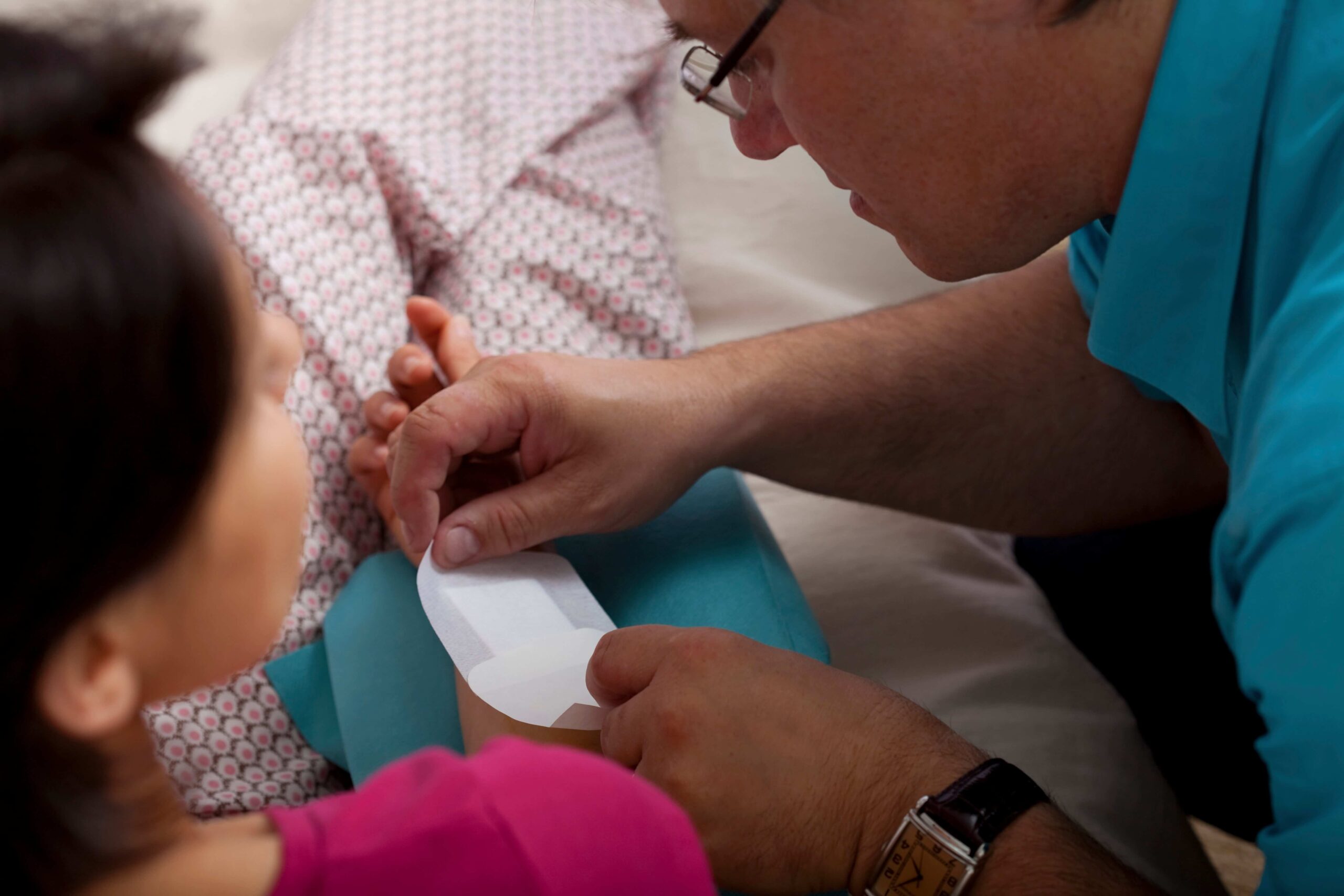
Proper aftercare is essential to ensure the success of wound debridement. Once the dead tissue is removed, the focus shifts to protecting the wound and supporting ongoing repair.
Aftercare typically includes:
- Keeping the wound clean and properly dressed
- Changing dressings as directed by your provider
- Washing hands thoroughly before and after wound care
- Avoiding pressure or irritation to the affected area
- Maintaining a balanced diet rich in protein, vitamins, and minerals
- Avoiding smoking, which can delay recovery
- Monitoring for signs of infection such as redness, swelling, or unusual discharge
Consistent follow-up appointments are also important. These visits allow healthcare providers to track progress and make adjustments as needed.
Integrating mobile wound care services can make treatment more accessible, especially for individuals with limited mobility or transportation challenges. Receiving care at home can reduce stress while maintaining high-quality treatment standards.
Comprehensive Support for Better Outcomes
Effective care often goes beyond a single procedure. Working with a dedicated wound care specialist team ensures that each aspect of treatment is handled with expertise and coordination.
From assessment to follow-up, this collaborative approach leads to more consistent and effective results. Taking action today can help prevent complications and support a smoother path toward recovery.
Wound Debridement FAQs
What is wound debridement?
Wound debridement is the removal of dead, damaged, or infected tissue from a wound. It is important because it helps prevent infection, allows healthy tissue to grow, and supports faster, more effective healing.
When do you need wound debridement?
Wound debridement is typically needed for chronic or non-healing wounds, such as diabetic ulcers, pressure sores, burns, or infected injuries. A healthcare provider will determine if it’s necessary based on how the wound is progressing.
What are the different types of wound debridement?
Common types include surgical, autolytic, enzymatic, mechanical, and biological debridement. The method used depends on the wound’s severity, location, and the patient’s overall health.